How Moisture Gets Trapped Inside Dog Beds?
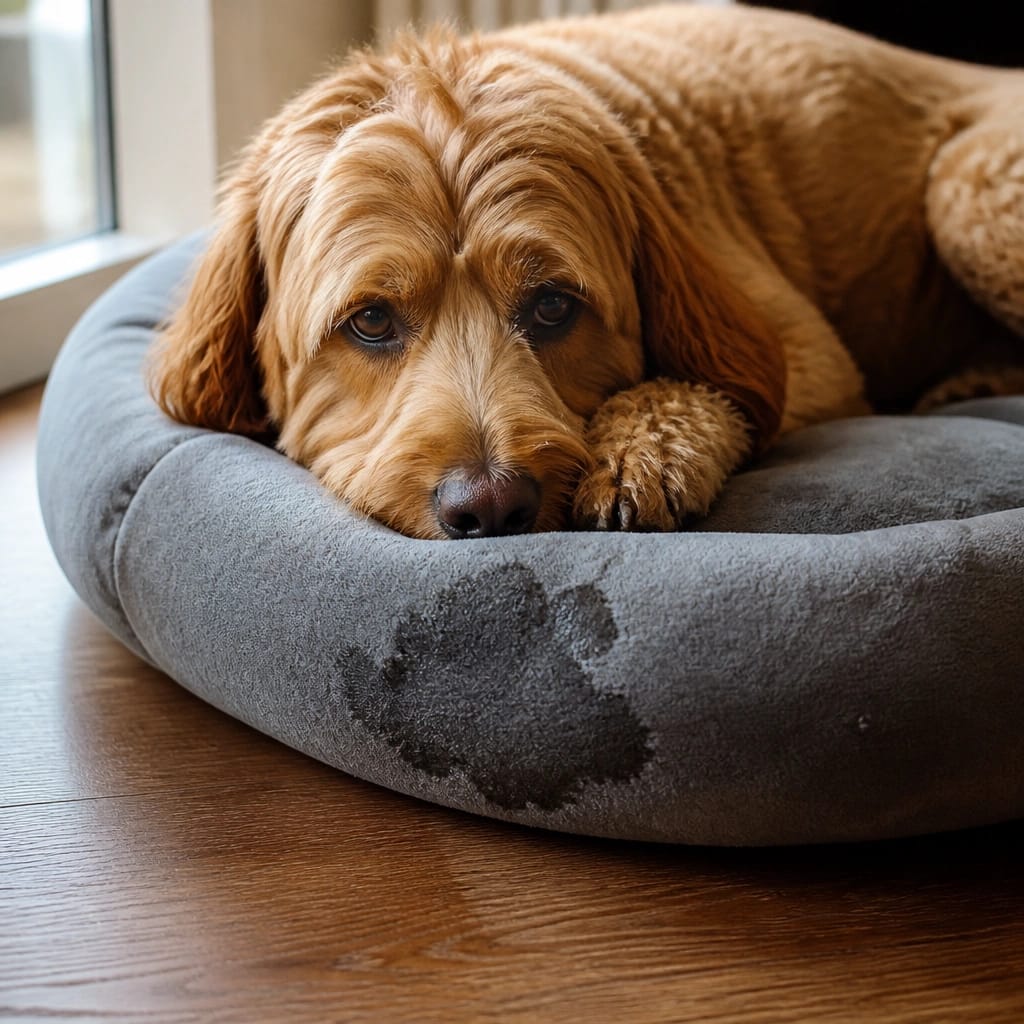
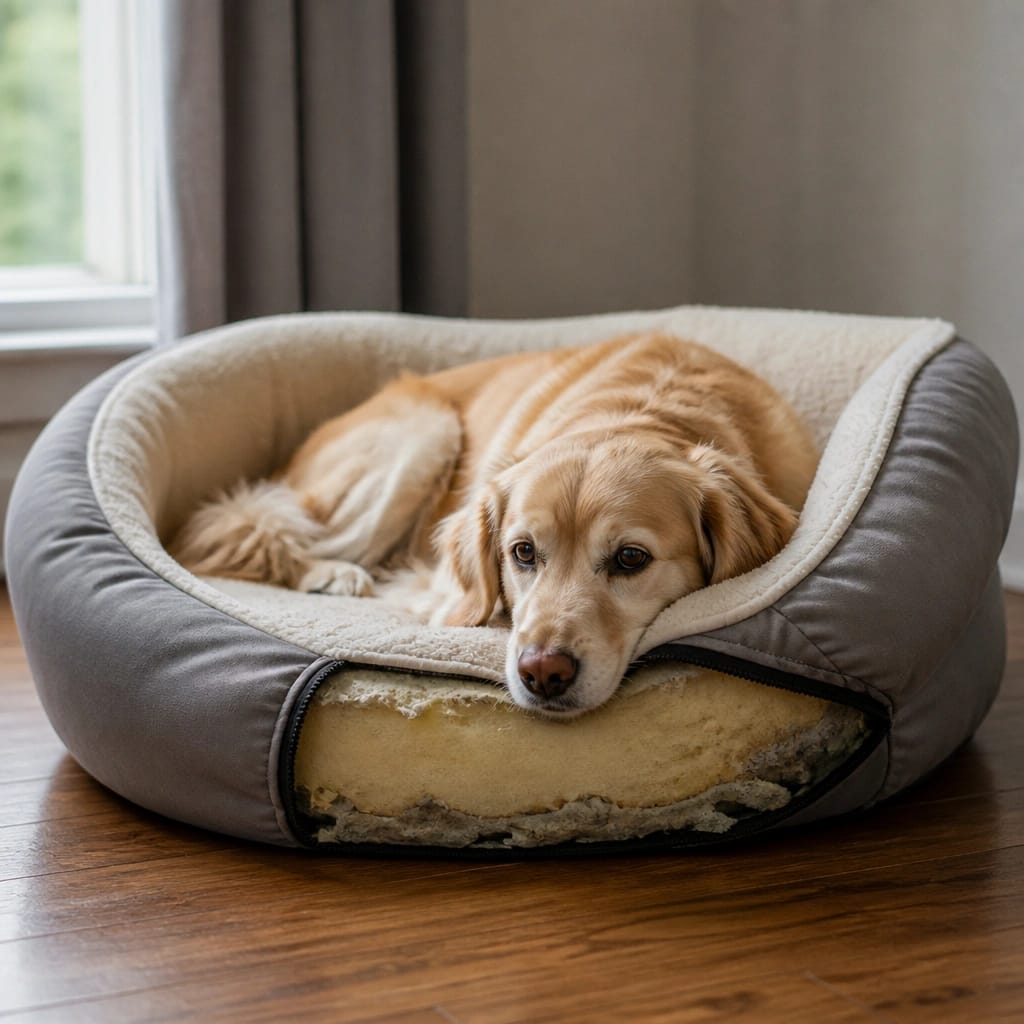
Moisture enters dog beds through drool, wet fur, and accidents. The cover fabric acts as a gateway. Once inside, materials like memory foam and fiberfill hold onto that moisture.
Without proper airflow, it stays trapped. This leads to mold, mildew, and odors.
If you’ve ever noticed a musty smell coming from your dog’s bed or felt dampness inside the cover, you’re not imagining things. How Moisture Gets Trapped Inside Dog Beds is a real issue that affects both the bed’s lifespan and your dog’s health. The problem starts small, but it can lead to mold, bacteria, and an uncomfortable sleeping environment.
Manufacturer specifications indicate that open-cell memory foam can absorb up to 30 times its weight in water. That means a single accident or even regular drool can saturate the core of the bed. In our research, the most common cause of premature bed replacement is trapped moisture that owners never see.
Let’s look at how that moisture gets in.
How Moisture Physically Gets Inside the Bed
The cover fabric is the first line of defense. Most dog bed covers are made from breathable materials like polyester or cotton. That breathability helps the bed stay cool, but it also lets moisture pass through.
Drool, wet fur, and urine soak into the fabric and travel through the threads. If your dog also engages in excessive licking or chewing, that adds even more moisture.
The seams and zippers are weak points. Stitching creates tiny holes that water can seep through. A zipper that isn’t covered gives moisture a direct path inside.
Once past the cover, the fill material absorbs the liquid.
The fill type matters. Open-cell memory foam acts like a sponge. It pulls water into its structure and holds it there.
Polyester fiberfill also absorbs moisture, though less aggressively. The tighter the fill, the slower the drying process.
Condensation adds another layer. When your dog’s body heat warms the bed and the room is cooler, moisture can form inside the cover. This is the same principle as a cold drink sweating on a warm day.
The humidity collects inside the bed and never evaporates.
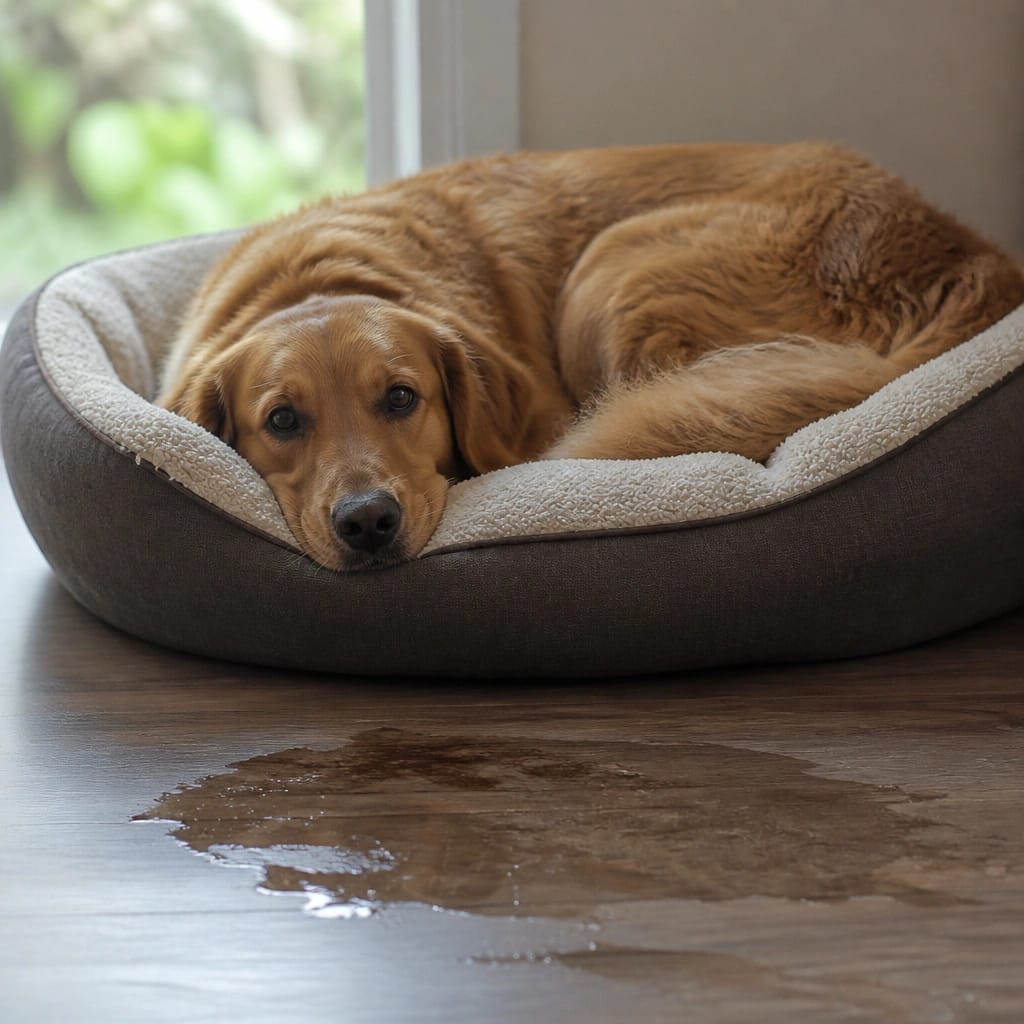
This internal moisture is invisible. You can’t see it until the bed starts smelling or your dog develops skin issues. That’s why understanding the problem is the first step.
The Main Culprits: What Puts Moisture In
Drool and Wet Fur
Drool is the biggest source of daily moisture. Dogs with loose jowls or heavy droolers can soak a bed in hours. Wet fur from rain, baths, or swimming adds even more water.
Over time, this moisture penetrates the cover and saturates the fill.
Accidents and Incontinence
Senior dogs and puppies are common culprits. Urine soaks through most covers quickly. Even a small accident can reach the core of the bed.
If not cleaned and dried properly, the moisture stays trapped. Cleaning up after an accident requires thorough drying to prevent long-term damage.
Environmental Humidity and Temperature
High humidity levels in your home also contribute. In humid climates, the air itself holds moisture. This moisture gets absorbed by the bed materials over time.
A bed in a damp basement or a humid room will always have higher moisture content. Where you place the bed makes a big difference in moisture levels.
Why Some Beds Trap Moisture More Than Others
Cover Fabric: Breathable vs. Waterproof
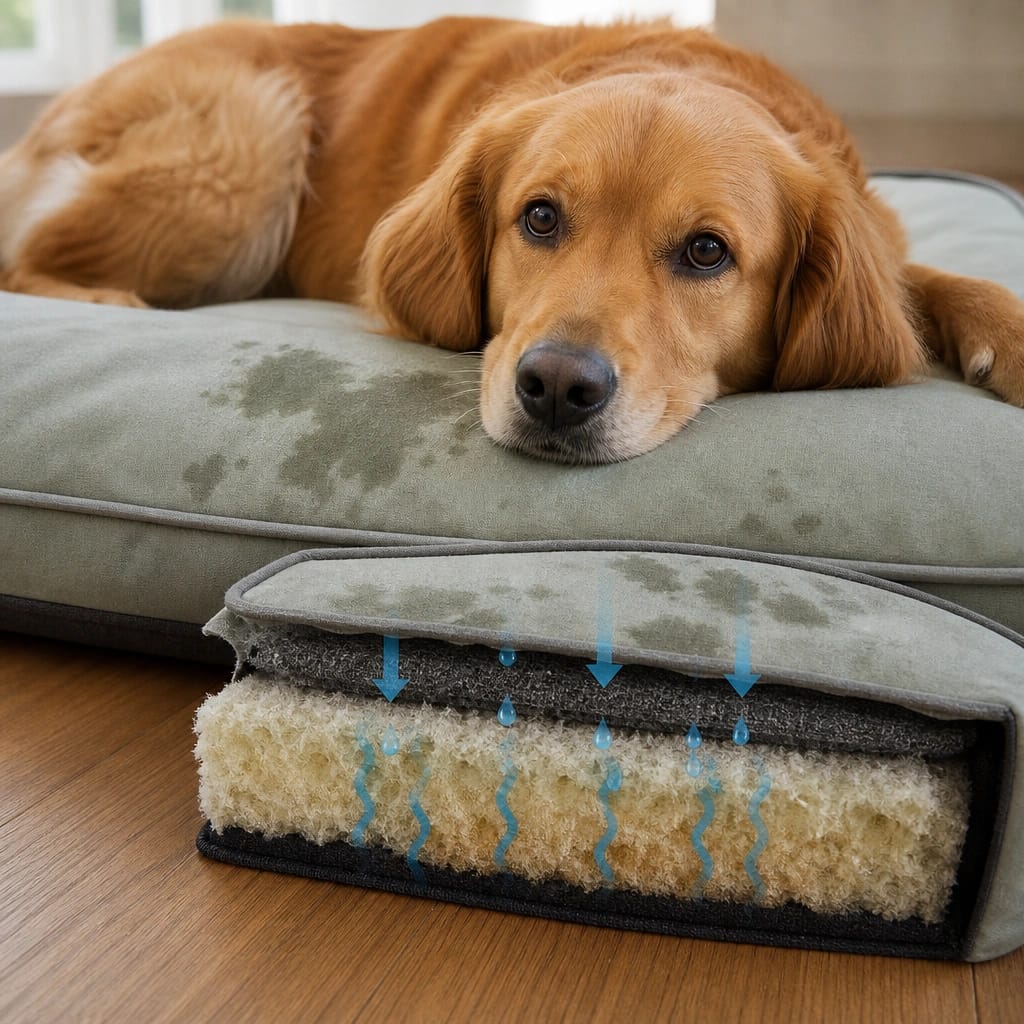
A breathable cover lets air flow through, which helps drying. But it also lets moisture in. A waterproof cover blocks liquid from entering, but it can trap moisture against the foam if water gets inside.
A properly designed waterproof bed uses a breathable waterproof liner to balance both needs.
Fill Type: Memory Foam vs. Fiberfill
Memory foam absorbs water easily and dries very slowly. Fiberfill can be removed and washed separately. Some beds use alternative fill materials like cedar, which resist moisture better.
Shredded foam dries faster than solid foam but still holds moisture.
Construction Quality: Seams and Zippers
A well-sealed cover with taped seams and a covered zipper reduces moisture entry. Cheap construction with exposed zippers and loose stitching lets water in more easily. This is especially important for dogs that dig or scratch at their bed before lying down.
The Hidden Health Risks for Your Dog
Mold and Mildew Growth
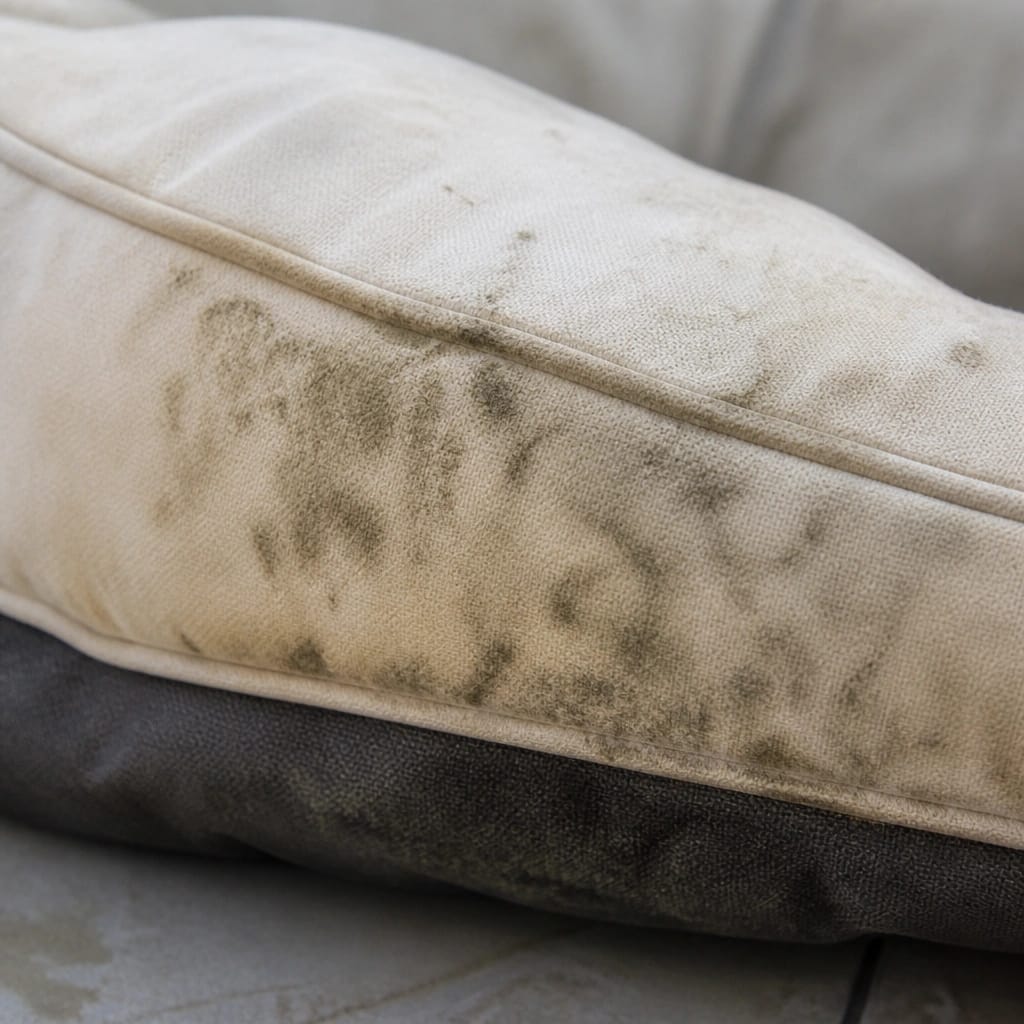
Moisture creates the perfect environment for mold. Mold spores can grow within 24 to 48 hours in damp conditions. Dogs inhale these spores while sleeping, which can cause respiratory issues.
The CDC notes that mold exposure can cause health problems in pets and humans.
Bacterial Infections and Skin Problems
Bacteria thrive in warm, damp environments. A wet bed can lead to skin infections, hot spots, and dermatitis. Dogs with allergies or sensitive skin are especially vulnerable.
The constant moisture breaks down the skin’s natural barrier.
Respiratory Issues
Breathing in mold spores and bacteria over time can affect your dog’s lungs. Coughing, sneezing, and nasal discharge are common signs. If your dog shows these symptoms, check the bed for moisture.
Sometimes switching to a different type of bed for dogs with anxiety or noise phobia can help reduce stress-related licking and moisture.
Real Scenarios: When Moisture Becomes a Problem
The Heavy Drooler
A bulldog or mastiff sleeps on a polyester bed. After a few nights, the drool has soaked through the cover. The owner doesn’t notice until the bed starts smelling.
The foam core is already damp and moldy.
The Senior Dog with Incontinence
An older lab has small accidents overnight. The owner spots the cover but doesn’t realize the urine has reached the foam. The bed stays wet for weeks.
The smell gets worse, and the dog develops a skin rash.
The Dog Living in a Humid Climate
A family in a coastal area keeps their dog’s bed in the living room. The humidity is regularly above 70 percent. The bed feels dry to the touch, but the fill is slowly absorbing moisture from the air.
After a few months, the bed develops a musty odor. The difference between beds kept indoors versus outdoors matters here.
Frequently Asked Questions
How can I tell if my dog’s bed has trapped moisture inside?
Press down on the bed and feel for cool or damp spots. A musty smell is another clear sign. If the bed feels heavier than when new, moisture may be inside.
Can I dry a memory foam dog bed in the dryer?
No. Heat damages memory foam. Air drying in a well-ventilated area is the safest method.
Place the bed in direct sunlight if possible.
How often should I wash my dog’s bed to prevent moisture buildup?
Wash the cover every one to two weeks. For dogs that drool heavily or have accidents, weekly washing is better. Always dry the cover completely before putting it back on.
What is the best material for a dog bed in a humid climate?
Look for beds with breathable, moisture-wicking covers and shredded foam or fiberfill that dries faster. Avoid solid memory foam in humid environments.
Does a waterproof cover prevent moisture from getting trapped?
A waterproof cover blocks liquid from entering, but it can trap moisture inside if water gets in through seams or zippers. A breathable waterproof liner is a better choice.
When should I replace a dog bed that has moisture damage?
Replace the bed if you see mold, smell a musty odor, or feel dampness that won’t dry out. Continuing to use a damp bed puts your dog’s health at risk.
Common Mistakes Owners Make
Washing Without Drying Fully
The biggest mistake is putting the cover back on while it’s still damp. That moisture transfers directly to the foam. Even a slightly damp cover can create a mold problem within days.
Using a Waterproof Cover Wrong
A waterproof cover that’s not breathable traps moisture against the fabric. If your dog’s body heat creates condensation under the cover, the foam stays wet. The cover keeps it from drying.
Ignoring the Smell
A musty odor is a warning sign. Many owners wash the cover and call it done. The smell comes from the core, not the fabric.
You need to dry the entire bed.
Safe Practices for Preventing and Fixing Moisture
How to Dry a Dog Bed Thoroughly
Remove the cover and wash it. Let the foam core air dry in direct sunlight. This can take 24 to 48 hours depending on the thickness.
Flip it every few hours. For beds with fiberfill, remove the stuffing and dry it separately.
How to Spot Moisture Before It Becomes a Problem
Check the bed weekly. Press down on the center and feel for coolness. Sniff the bed where your dog sleeps.
If you detect any odor, start drying immediately.
Maintenance Tips for Different Bed Types
For memory foam beds, use a breathable waterproof liner. For fiberfill beds, wash the stuffing every few months. For heated beds, check for condensation around the heating element.
When to See a Vet
Signs of Skin or Respiratory Issues
If your dog develops red, irritated skin or hot spots, moisture in the bed could be the cause. Respiratory symptoms like coughing, sneezing, or nasal discharge after sleeping are also warning signs. Your vet can rule out other causes.
When to Replace the Bed
Replace the bed if you see visible mold or if the dampness won’t dry out. Continuing to use a compromised bed puts your dog at risk. Sometimes a new bed with better materials is the safest solution.
Final Verdict: Keep the Bed Dry, Keep Your Dog Healthy
Moisture trapped inside a dog bed is a hidden problem. It starts with drool, wet fur, or accidents. It ends with mold, bacteria, and health risks for your dog.
The fix is simple. Check the bed regularly. Dry it thoroughly.
Replace it when needed. Your dog will sleep better, and the bed will last longer.