

When a Dog’s Sleeping Changes May Need Veterinary Attention
Changes in sleep duration, quality, or behavior can signal pain, illness, or cognitive decline. A dog sleeping more than 18 hours per day or less than 8 hours should be evaluated. Restlessness, panting during sleep, or difficulty settling are also red flags.
Always consult a veterinarian if a sleep change persists for more than 2 to 3 days. Never assume it’s just aging without a professional opinion.
Your dog’s sleep habits are one of the best windows into how they’re really feeling. When a dog’s sleeping changes may need veterinary attention, and it’s not always obvious whether you’re looking at a normal shift or a real warning sign.
Dogs spend roughly half their lives asleep, but the amount varies a lot by age, breed, and individual personality. As of 2026, veterinary guidelines suggest adult dogs average 12 to 14 hours of sleep per day, with puppies and seniors needing significantly more. The challenge is telling the difference between a lazy afternoon and a symptom that needs a closer look.
Let’s walk through what to watch for.
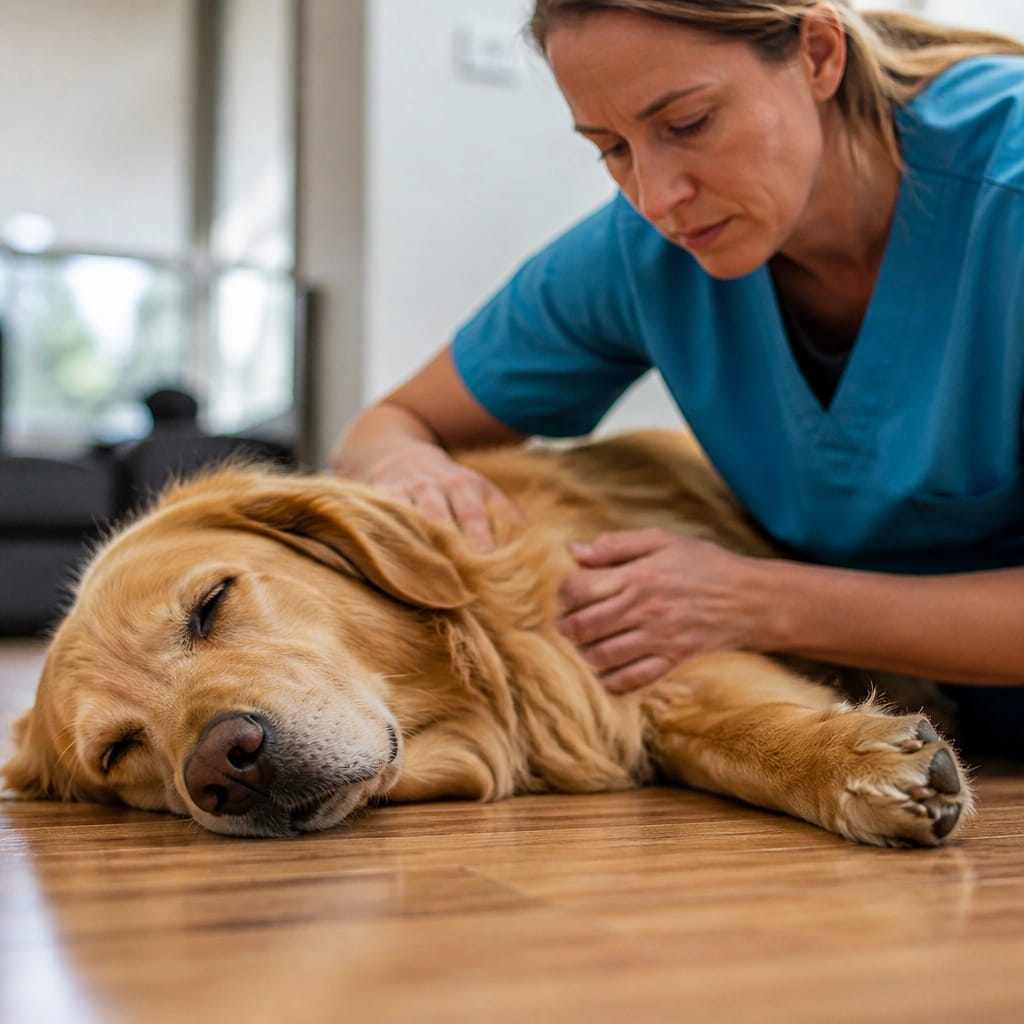
What’s Normal Sleep for a Dog Anyway?
Before you can spot a problem, you need a baseline. A healthy adult dog cycles through light sleep, deep sleep, and REM sleep just like we do. During REM, you might see twitching paws, soft barking, or rapid eye movements.
That’s normal. It means your dog is dreaming.
What’s not normal is constant restlessness or an inability to stay in one position for more than a few minutes. Dogs in pain often shift, circle, or get up and lie down repeatedly. They may also avoid lying on one side entirely, which can point to joint or muscle discomfort.
A dog that sleeps soundly but wakes up confused, disoriented, or slow to recognize you is another concern. That’s especially common in older dogs and can be a sign of cognitive decline. The key is knowing your dog’s usual sleep pattern so you can recognize when something feels off.
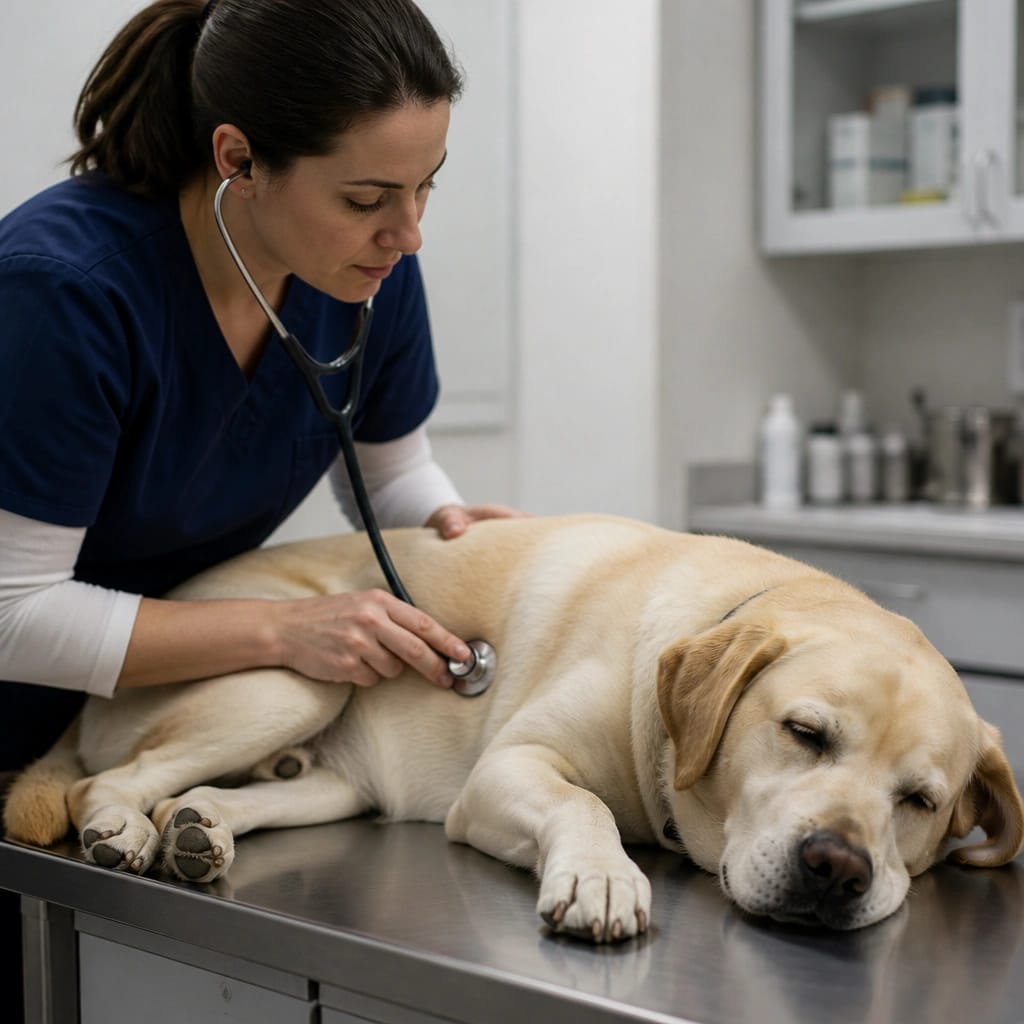
The Red Flags: When Sleep Changes Are a Warning Sign
Some changes are subtle. Others are hard to miss. Here’s what to watch for, especially if the change is new or getting worse over time.
Sleeping much more than usual, A dog that suddenly sleeps 18 to 20 hours a day, especially if they’re an adult, needs a vet check. This can point to thyroid issues, heart disease, or chronic pain.
Sleeping much less than usual, Insomnia in dogs is less common but just as serious. It can be caused by anxiety, pain, or a medical condition like Cushing’s disease.
Restlessness and frequent position changes, Dogs with arthritis, hip dysplasia, or back pain often can’t find a comfortable position. They may circle, scratch, or get up and lie down over and over.
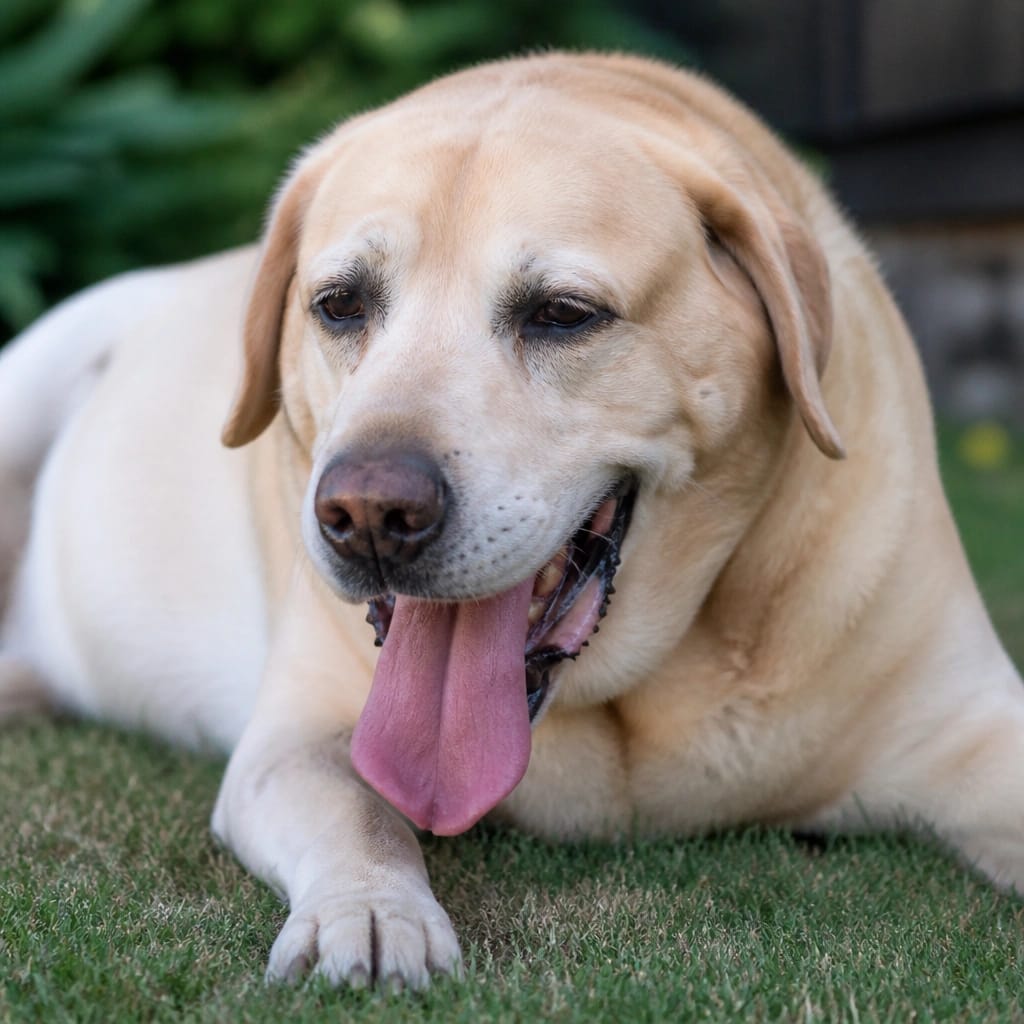
Panting or heavy breathing during sleep, Some panting is normal, especially in warm weather or after exercise. But persistent panting during rest can signal pain, fever, or respiratory issues.
Crying or whimpering in sleep, Occasional vocalization is normal during dreams. Frequent crying or whining, especially when awake, can indicate pain or distress.
Sleeping in unusual positions, A dog that suddenly avoids lying on one side, or sleeps sitting up, may be trying to protect a painful area. Head pressing (pushing the head against a wall or corner) is a serious neurological sign.
Disorientation upon waking, If your dog seems confused, doesn’t recognize you, or paces aimlessly after waking, this could be a sign of canine cognitive dysfunction or a brain issue.
If you notice any of these, start tracking. A pattern of 2 to 3 days is worth a call to your vet. A single night of restlessness is probably not a crisis, but it deserves attention.
How Age Changes the Picture: Puppies, Adults, and Seniors
Age is the biggest factor in what’s considered normal sleep. A puppy sleeping 18 to 20 hours a day is perfectly healthy. Their bodies and brains are growing fast, and sleep is part of that process.
Puppies also have shorter sleep cycles, so they wake up more often.
Adult dogs, especially those between 1 and 6 years old, typically sleep 12 to 14 hours. That includes nighttime sleep plus daytime naps. A sudden jump to 18 hours in an adult is a red flag.
Senior dogs, generally 7 years and older, tend to sleep more as their metabolism slows and energy levels drop. But excessive sleep combined with stiffness, hesitation to jump, or changes in appetite points to arthritis, pain, or organ disease. Many owners dismiss these as “old age,” but they’re often treatable.
The bottom line: know your dog’s age range, and don’t compare your senior dog to your neighbor’s puppy. The context matters.
Breed and Body Type: Why Some Dogs Are More at Risk
Not all dogs are created equal when it comes to sleep issues. Brachycephalic breeds like bulldogs, pugs, and French bulldogs are prone to breathing problems, including sleep apnea. If your dog snores loudly, gasps during sleep, or seems to struggle for air, it’s worth a veterinary evaluation.
A bed that supports their airway can help, but it’s not a substitute for medical advice. You can read more about what kind of bed supports a French bulldog’s needs.
Large and giant breeds like Labradors, Great Danes, and German shepherds are more prone to hip dysplasia and arthritis. These conditions make it hard to find a comfortable sleeping position, especially on hard surfaces. A supportive bed with good joint relief can make a difference, but pain medication or supplements may also be needed.
Working breeds and high-energy dogs may sleep more during recovery days after intense activity. That’s normal. But a sudden drop in activity and increase in sleep, especially if they lose interest in walks or play, is a sign something’s wrong.
How to Keep a Sleep Log for Your Vet
Your vet will ask questions about your dog’s sleep, and the more specific you can be, the better. A sleep log is the best tool you have. It doesn’t need to be fancy.
A notebook, a note on your phone, or a shared document with your partner works fine.
Here’s what to track:
- Total sleep time per 24 hours, Rough estimate is fine. Are they sleeping more or less than usual?
- Sleep quality, Do they settle quickly? Do they wake up frequently? Are they restless?
- Position changes, How often do they shift? Do they seem uncomfortable?
- Breathing patterns, Any panting, snoring, or gasping sounds?
- Waking behavior, Alert and happy, or confused and disoriented?
- Other symptoms, Changes in appetite, thirst, energy, or bathroom habits.

Keep the log for 3 to 5 days before your vet appointment, if possible. Video clips of your dog sleeping or struggling to settle are incredibly helpful. Also note any changes in their sleeping environment, like a new bed, a recent move, or a change in household routine.
A new bed that’s too small or worn out could also be a factor; checking your dog’s sleeping position can tell you a lot about their comfort.
Mistakes Dog Owners Make When Interpreting Sleep Changes
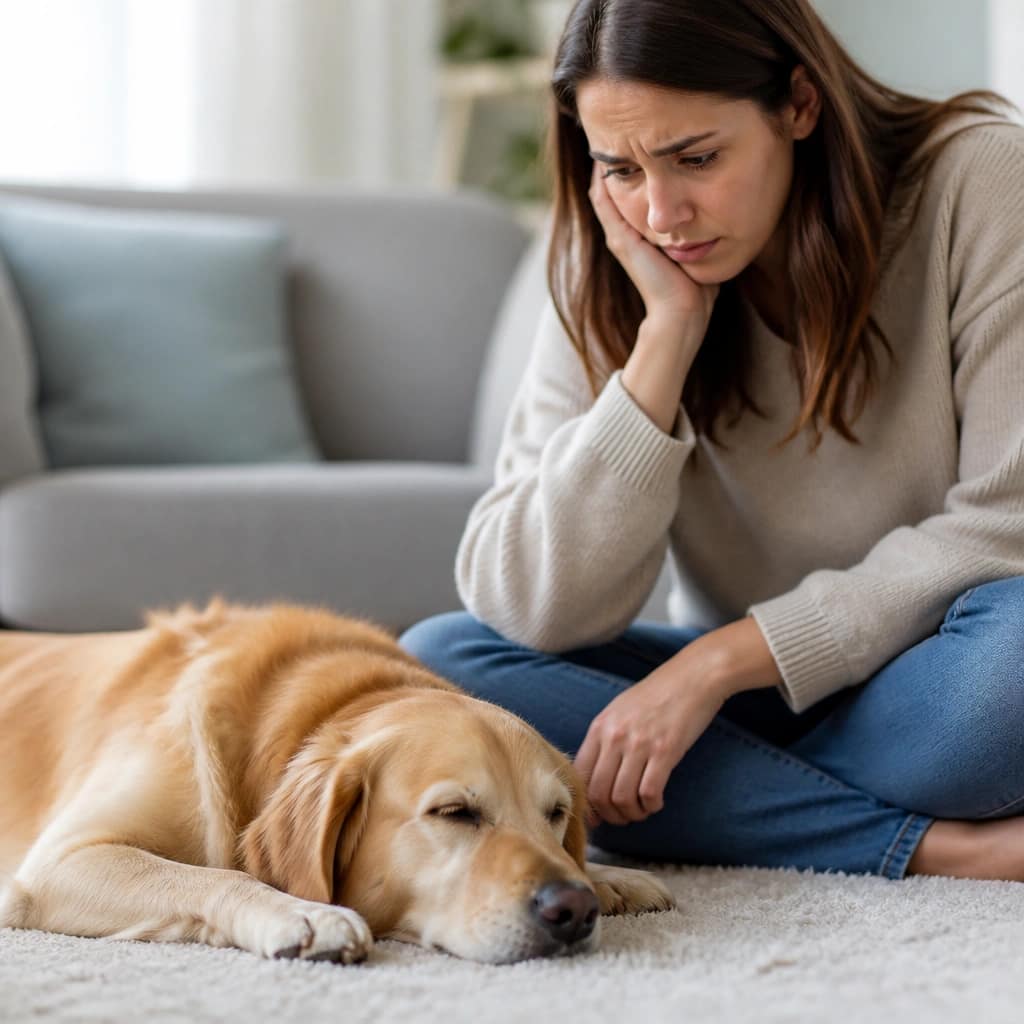
The most common mistake is writing off sleep changes as normal aging. Many owners assume a senior dog sleeping more is just getting old. But excessive sleep often points to arthritis, organ disease, or cognitive decline that can be managed with treatment.
Another error is confusing comfort with health. A dog that sleeps well on a supportive bed might still be in pain. They just found a surface that helps.
If you notice your dog digging or scratching at their bed more than usual, it could be a sign they’re trying to get comfortable, not just nesting.
When to Go to the Emergency Vet
Some sleep changes need immediate attention, not a scheduled appointment. Go to an emergency vet if your dog is struggling to breathe during sleep, has a seizure, or collapses when waking up. Head pressing or sudden disorientation also warrants urgent care.
Other emergency signs include a dog that cannot stand or walk after waking, or one that is panting heavily without any obvious cause like heat or exercise. If you’re unsure, call your vet. They can help you decide whether to come in now or wait for a regular appointment.
What Happens at the Vet: The Diagnostic Process
Your vet will start with a physical exam and a detailed history. Bring your sleep log if you kept one. They will check your dog’s heart, lungs, joints, and abdomen for signs of pain or illness.
Bloodwork and urine tests are common next steps. These can reveal thyroid issues, kidney disease, diabetes, or infections. X-rays may be used to check for arthritis, hip dysplasia, or spinal problems.
In some cases, advanced imaging or a neurological exam is needed.
What Treatment Options Might Look Like
Treatment depends entirely on the underlying cause. For arthritis, pain medication, joint supplements, and a supportive bed can make a big difference. A heated dog bed may help soothe stiff joints in colder months.
For cognitive dysfunction, vets may prescribe medications that improve brain function. Environmental changes like consistent routines and nightlights can also help. If the cause is a medical condition like Cushing’s disease or hypothyroidism, medication to manage the condition often resolves the sleep issues.
Frequently Asked Questions About Dog Sleep Changes
How much should a dog sleep each day?
Adult dogs average 12 to 14 hours per day. Puppies and seniors need more, often 18 to 20 hours. Any sudden change in sleep duration lasting more than a few days warrants a vet visit.
Can a dog’s bed cause sleep problems?
Yes, an uncomfortable or worn-out bed can cause restlessness. If your dog is struggling to settle, check their bed for support and size. A bed that’s too small can force them into awkward positions.
Is snoring always a problem?
Not always. Some dogs snore naturally, especially brachycephalic breeds. But if snoring is new, loud, or accompanied by gasping or choking sounds, it could signal sleep apnea or airway issues.
Should I wake my dog from a nightmare?
No. Waking a dog mid-dream can startle them and lead to a defensive reaction. If they seem distressed, wait for them to wake naturally.
Then offer calm reassurance.
Can anxiety affect my dog’s sleep?
Absolutely. Anxiety disorders, noise phobias, and changes in routine can disrupt sleep. A calming donut dog bed or a type of bed for a dog with anxiety may help create a sense of security.


