

What Makes a Dog Bed Comfortable for a Dog?
A comfortable dog bed supports your dog’s natural sleeping position. Size is the most important factor. The bed must be at least 6 to 10 inches longer than your dog from nose to tail.
Memory foam works best for joint support. The cover should be breathable and washable. A non-slip base keeps the bed stable.
You walk into a pet store, see a bed that looks impossibly soft, and think “my dog would love that.” But comfort isn’t that simple. What makes a dog bed comfortable for a dog depends entirely on how your dog sleeps, how big they are, and what their body actually needs.
Manufacturer specifications show that the most returned dog beds are the ones owners chose by feel rather than by fit. As of 2026, the pet bedding market is flooded with options, but the real secret is matching the bed to your dog’s sleep posture and body dimensions. Let’s walk through exactly how to do that.
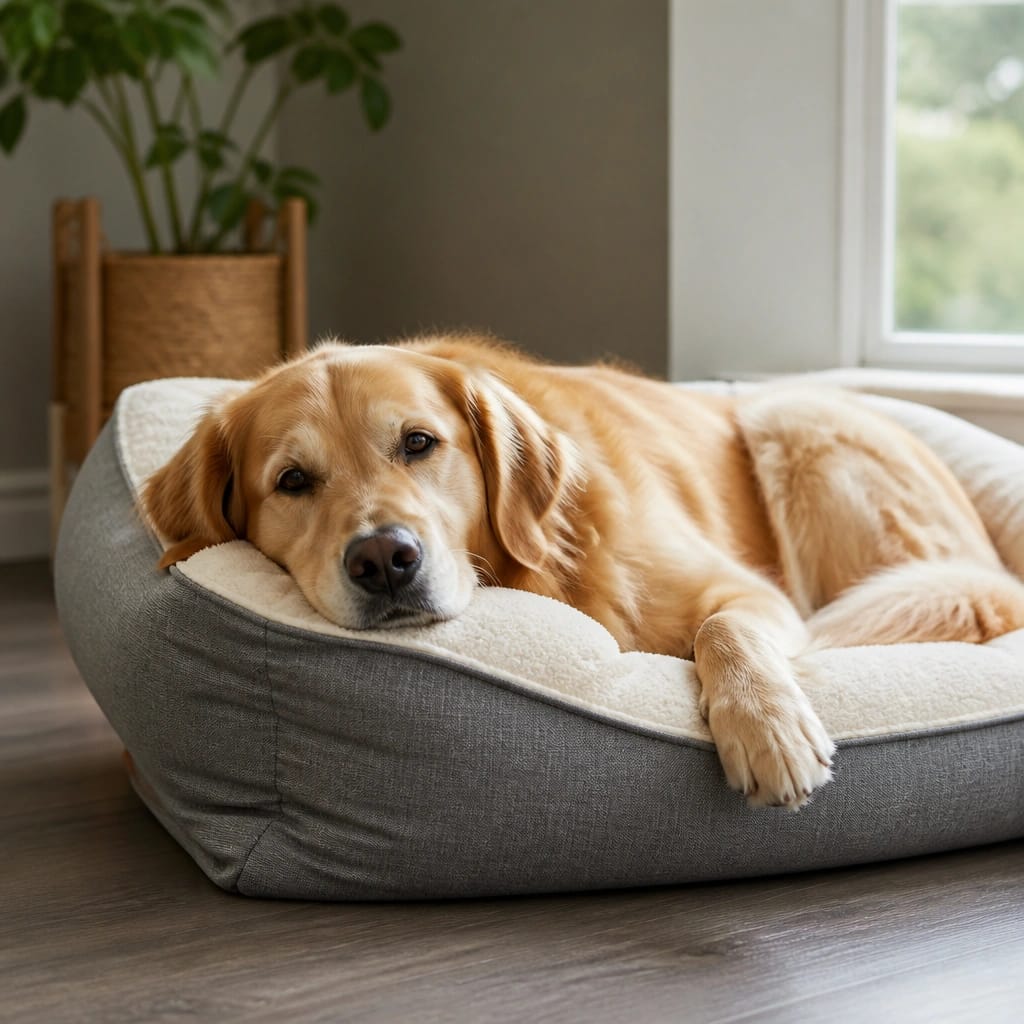
Start With Your Dog, Not the Bed
Before you even look at materials or brands, watch your dog sleep for a few nights. Their preferred position tells you everything about the bed shape they need.
Most dogs fall into one of four sleep styles. Curling into a tight circle is a sign they want a bed with raised edges. Stretching out flat on their side means they need open, unobstructed space.
Dogs that lean their head against something are asking for a bolster or a pillow edge. And if your dog circles and scratches before lying down, they’re nesting, they’ll appreciate a high-loft fill they can knead.
Ignoring these habits is the number one reason a brand-new bed ends up ignored. If you’ve ever wondered why your dog only sleeps on the edge of the bed, it might be that the bed shape doesn’t match their instinctive posture.
Measure Your Dog Before You Shop

Size is the single most overlooked factor. Even a premium memory foam bed won’t feel comfortable if your dog’s legs hang off the edge.
Here’s the simple method. Measure your dog from the tip of their nose to the base of their tail, not including the tail. Write that number down.
Then add 6 to 10 inches for most dogs. If your dog likes to sprawl completely flat, add 12 inches or more. That total is the minimum bed length you should consider.
For a more precise fit, you can compare your measurement against a dog bed size chart by weight, but length is the more reliable number. A bed that’s too small forces your dog to curl tighter than they want to, which leads to restless sleep and eventually a floor sleeper.
Match the Bed to Your Dog’s Sleeping Position
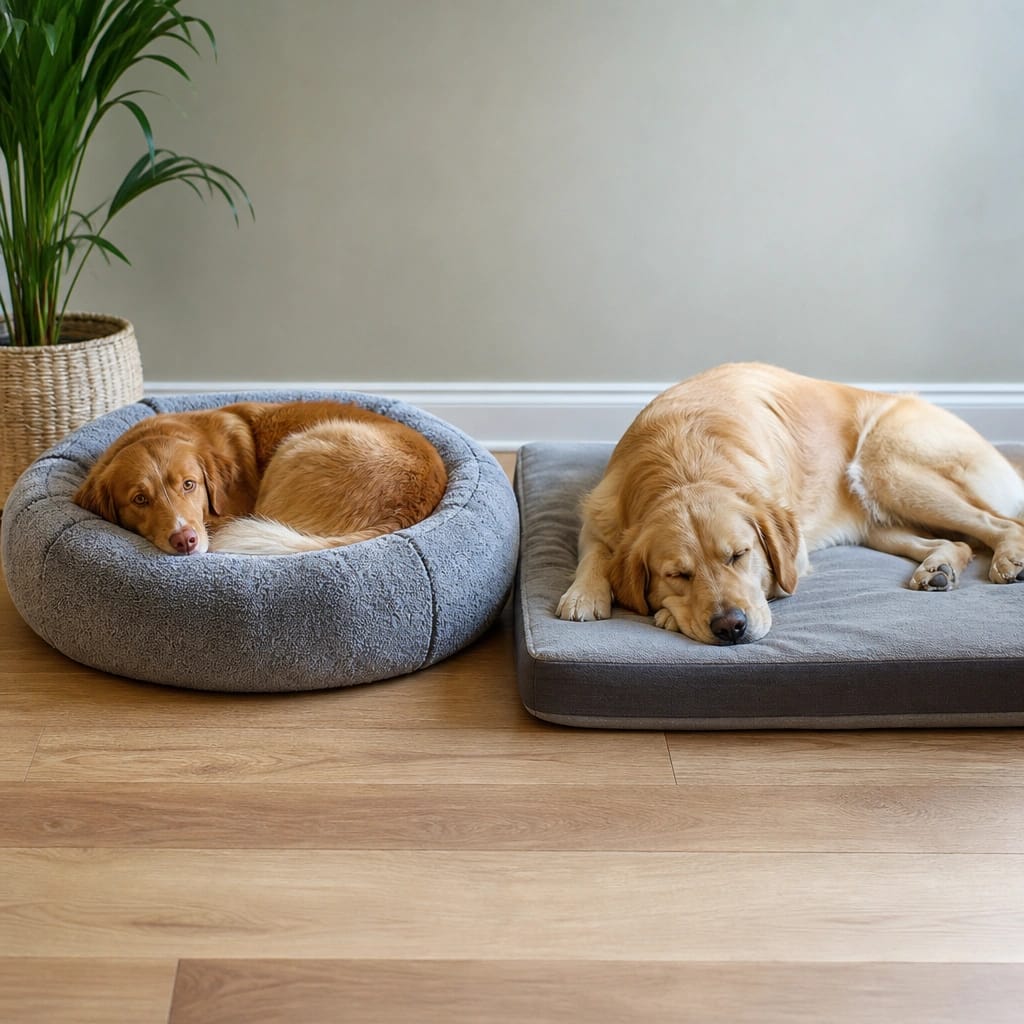
Once you know how your dog sleeps, choosing the bed shape becomes straightforward. Here’s the breakdown by sleep style.
Curling sleepers need a bed with raised edges. A round donut bed or a bolster bed creates a sense of security and keeps warmth in. Breeds that curl tightly, like huskies, shiba inus, and smaller terriers, often prefer this style.
A calming donut bed is a great choice for dogs that like to tuck their nose into their tail.
Stretching sleepers need a flat, open surface. Bolsters will annoy them. Look for a rectangular slab mattress or a flat cushion without raised edges.
Large breeds like Great Danes and retrievers often fall into this category. A dog sofa couch style bed can work if the bolster is low enough, but a flat bed is safer.
Leaning sleepers want something to rest their head on. An L-shaped bolster bed or a bed with a high rim on one side gives them that pillow. Watch if your dog rests their chin on the arm of the couch, that’s your sign.
Diggers and nesters need durable fill that resists clumping. High-loft fiberfill or shredded memory foam holds up better than solid foam blocks. If your dog digs aggressively, also check chew proof materials to avoid torn covers.
The Real Difference Between Foam and Fluff
Now let’s talk about what’s inside the bed. This is where a lot of confusion lives.
Memory foam is dense, supportive, and slow to spring back. It’s ideal for dogs with joint stiffness, arthritis, or older dogs that need help getting up. Research from veterinary orthopedic sources indicates that a high-density foam base (around 4 to 5 pounds per cubic foot) provides the best pressure relief.
However, memory foam retains heat. If your dog runs hot or lives in a warm climate, a cooling gel layer or a breathable cover is essential.
Polyester fiberfill is softer and lighter. Puppies love it because they can nest and dig without resistance. But fiberfill clumps after a few washes.
Within months, you’ll have thin spots and lumpy corners. If you go this route, look for a bed with a separate inner liner that holds the fill in place, and expect to replace it sooner.
Shredded memory foam offers a middle ground. It molds around the body like solid foam but allows the dog to shift and nest. It’s heavier than fiberfill and more expensive, but it lasts longer and doesn’t clump the same way.
For a clear comparison, here’s a quick table:
| Fill Type | Best For | Trade-off |
|---|---|---|
| Solid memory foam | Senior dogs, joint support, large breeds | Retains heat, heavy |
| Polyester fiberfill | Puppies, diggers, nesting behavior | Clumps over time |
| Shredded memory foam | Medium ground, dogs that shift positions | Higher cost, heavier than fiberfill |
If your dog has anxiety or noise phobia, a bed with a high-density foam core and a hooded or cave design can provide extra security. But that’s a topic for another section, for now, focus on the fill that matches your dog’s age and comfort style.
What the Cover Actually Does
The cover controls heat, moisture, and cleanup. Cotton and twill keep the surface cool. Fleece and faux fur feel lovely, but they trap warmth.
If your dog runs hot, pick a breathable fabric over a plush one.
The smartest upgrade is a waterproof liner. It keeps accidents and dampness away from the foam. That one layer extends the bed’s life.
Also check the bottom. A non-slip base stops the bed skidding across the floor. When the bed stays put, your dog feels more grounded and secure.
How to Tell If the Second Bed Is Working
A comfortable bed shows results within a few nights. Look for these signs:
- Your dog settles quickly. They circle once or twice, then lie down.
- They sleep longer. A full night in one spot is a great signal.
- They pick the bed over the floor.
If they keep sleeping on the floor, the bed is losing. There are common reasons they skip their bed. Watch their behavior and adjust from there.
Common Mistakes That Make a Bed Uncomfortable
- Choosing softness over support. If you press down and feel the floor, the bed is too thin.
- Buying too small. A dog that doesn’t fit won’t use it.
- Ignoring sleep posture. Bolsters frustrate stretchers. Flat beds fail curlers.
- Making them sweat. Heat retention ruins a bed quickly.
- Forgetting stability. A sliding base feels unsafe to dogs.
Avoid these and you’re most of the way there.
Where to Put the Bed and Why It Changes Comfort
Placement matters as much as the bed itself. Dogs avoid cold, drafty spots. Set the bed in a quiet, warm corner.
Skip busy hallways and open windows.
Cold floors sap body heat. If they drag the bed around the house, keep it in one steady spot. A familiar, stable location feels safe.
An anxious dog does better in a calmer room.
Senior Dogs, Puppies, and Special Cases
Each life stage needs a different base.
Puppies need durable, washable covers. They chew, dig, and soak things quickly. A waterproof layer saves your sanity.
Puppy vs. adult sizing is worth a separate look as they grow fast.
Senior dogs need more support. A high-density memory foam base relieves pressure on joints. Veterinary guidance from the American Veterinary Medical Association highlights joint comfort in older dogs.
That’s not a cure. It’s practical support.
Watch how they climb in. If they struggle to enter a deep bed, a deep, soft pad makes it harder. Choose a firmer, low-profile bed with a non-slip base instead.
The Easiest Way to Choose the Right Bed
Here’s a simple decision flow:
- Measure your dog from nose to tail.
- Note their main sleeping posture.
- For curlers, pick a bolster or donut.
- For stretchers, pick a flat pad.
- For seniors, choose high-density foam.
- For hot dogs, pick a breathable cover.
For an anxious dog, a hooded cave bed brings deep security. Nesting dogs also love that tucked-in feel.
Frequently Asked Questions
How much bigger should a dog bed be than the dog?
At least 6 to 10 inches longer than their nose-to-tail length. Sprawlers need closer to 12 inches extra.
Why does my dog sleep on the floor instead of the bed?
The bed may be too small, too warm, or the wrong shape. Watch their sleeping posture and adjust.
Do dogs prefer firm or soft beds?
Healthy dogs often prefer medium firmness. Older or sore dogs do better with supportive foam. Soft beds don’t help older joints.
How long does a dog bed last before it gets uncomfortable?
High-density foam lasts 3 to 5 years. Fiberfill beds last 1 to 2 years before clumping. Replace them at that point.
The Bottom Line
Match the bed to your dog’s size, sleep style, and sleep environment. Measure first. Watch their reaction.
If they settle fast, you did it right.
Your dog is the final judge. When they choose their bed night after night, the comfort level is right. Start with their sleeping position and build everything around that.
If you’re still unsure, try a simple test. Put the bed in the spot your dog already sleeps and watch what happens. Most dogs will tell you within a few days whether it works.
A bed they use every night is comfortable. A bed they avoid doesn’t count as comfortable, no matter what the label says.
And if you need a quick refresher, every product detail we covered comes back to the same core idea: fit, support, and placement. Get those three right, and your dog will finally have a bed they actually love.
Take a photo of your dog in their new bed on the first night. Then check back in a week. Dogs adapt within days, and seeing that progress side by side gives you a simple before-and-after story of what comfort really means.
Just remember, no bed is perfect forever. Foam wears down, fabric gets tired, and your dog’s needs change as they age. Revisit this guide when that happens.
The next decision will get easier.
And when it does, you’ll know exactly what to look for. Your dog’s comfort is in the details. Start there, and the rest follows.
Sleep is where every dog heals and recharges. Giving them a bed that supports that is one of the best investments you can make. Now go watch them settle in.
Their next sigh of contentment will tell you everything you need to know.
Troubleshooting a Bed Your Dog Suddenly Avoids
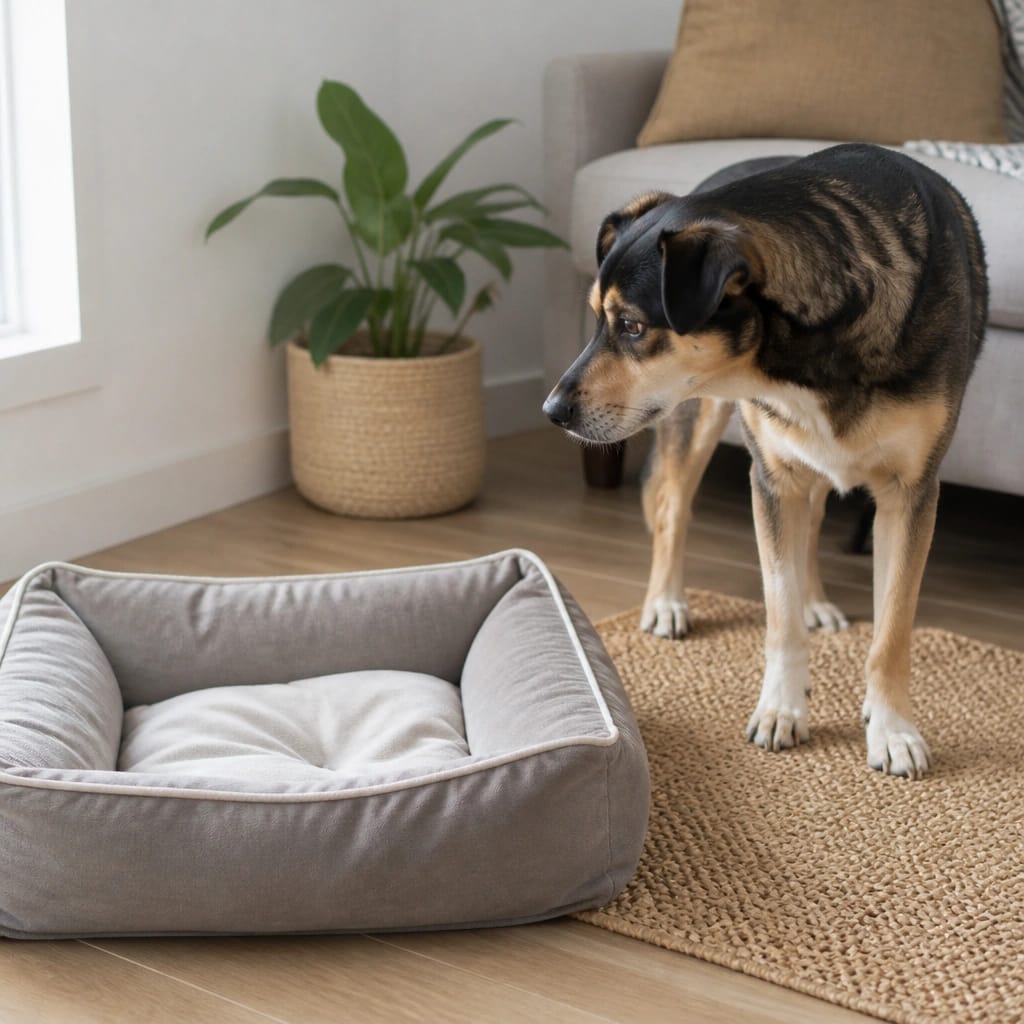
If your dog used to love their bed and now ignores it, check for changes. Foam breaks down and loses support over time. Covers absorb oils and odors from daily use.
Try washing the cover first. If the foam no longer springs back, replace the bed.
Adjusting Comfort for Different Seasons
Dogs change their bed preferences with the temperature. In summer, they often prefer a cooler, breathable surface. In winter, switch to a plush donut bed or add a heated layer.
For outdoor dogs, cold weather protection means thicker insulation and a raised base off the frozen ground.
How Long Does a Dog Bed Last Before It’s Uncomfortable?
| Component | Typical Lifespan |
|---|---|
| Memory foam core | 3 to 5 years |
| Fiberfill | 1 to 2 years |
| Bolster structure | 2 to 3 years |
| Removable cover | 1 to 2 years |
If the bed looks flat or your dog suddenly stops using it, replace the foam core.
Crate Beds vs. Open Floor Beds
Crate beds need to fit flush to the crate walls with no folded edges. Open floor beds can be bigger and don’t need to squeeze into a confined space. The real difference comes down to thickness and support.
A thin crate pad works fine inside a kennel, while open floors demand more cushioning.
Introducing a New Bed to a Reluctant Dog
Set the new bed next to the spot your dog already sleeps. Add a worn t-shirt of yours to make it smell familiar. Reward them with treats when they choose it.
Give it at least a week before calling it a mismatch.
Some dogs need more than a week. Move the bed to a quiet, familiar corner if they hesitate. A pillow that smells like you helps them adjust.
Most dogs come around within a few days.
Quick Checklist: The Comfort Formula
- The bed is 6 to 10 inches longer than your dog.
- The shape matches their sleeping posture.
- The fill suits their age and joint needs.
- The cover is breathable and washable.
- The base stays firmly in place.
- The bed sits in a calm, temperature-friendly corner.
When these six boxes are checked, your dog will almost always choose their bed over the floor. That choice is the real test. Comfort wins when the dog uses it every night.
Trust that signal.
If your dog still refuses the bed after a full week, reassess the texture. Some dogs dislike certain synthetic fabrics under their paws. A cave-style bed or a bolster bed changes the feel completely.
Keep testing small changes until it clicks.
The comfort formula is simple: size, shape, fill, and placement. When those four align, your dog will settle in without a second thought. When they don’t, your dog will tell you.
The best bed is the one your dog chooses every single night. Trust their pick.
That’s the whole guide. Now you know what to look for. Measure your dog, match their sleeping style, and place the bed somewhere calm.
Then let them decide. A comfortable bed does more than keep them off the floor. It gives them a safe, supportive spot to recharge.
When you get it right, they’ll show you every single night.
And remember, this isn’t a one-time decision. As your dog ages, their sleeping position and joint needs will change. Check in every few months.
Adjust the bed when their habits shift. That’s what keeps a bed comfortable for life.
Where to Put the Bed and Why It Changes Comfort
Keep the bed in a quiet, draft-free corner. Cold floors and busy hallways will make your dog avoid it. A stable spot feels safer.
Senior Dogs, Puppies, and Special Cases
Seniors need high-density memory foam for joint relief. Puppies need chew-resistant covers and waterproof liners. Match the bed to the life stage.
The Easiest Way to Choose the Right Bed
Measure your dog from nose to tail. Add 6 to 10 inches. Then match the shape to their favorite sleeping position.
That narrows the field fast.
Frequently Asked Questions
How do I know if a dog bed is comfortable?
Your dog uses it every night without moving to the floor or couch. They settle quickly and sleep deeply.
How long should a dog bed last?
High-density foam lasts 3 to 5 years. Fiberfill beds last 1 to 2 years before clumping.
The Bottom Line
Size, shape, fill, and placement are the four pillars of dog bed comfort. Get those right, and your dog will settle in fast. Trust their nightly choice as your final verdict.


