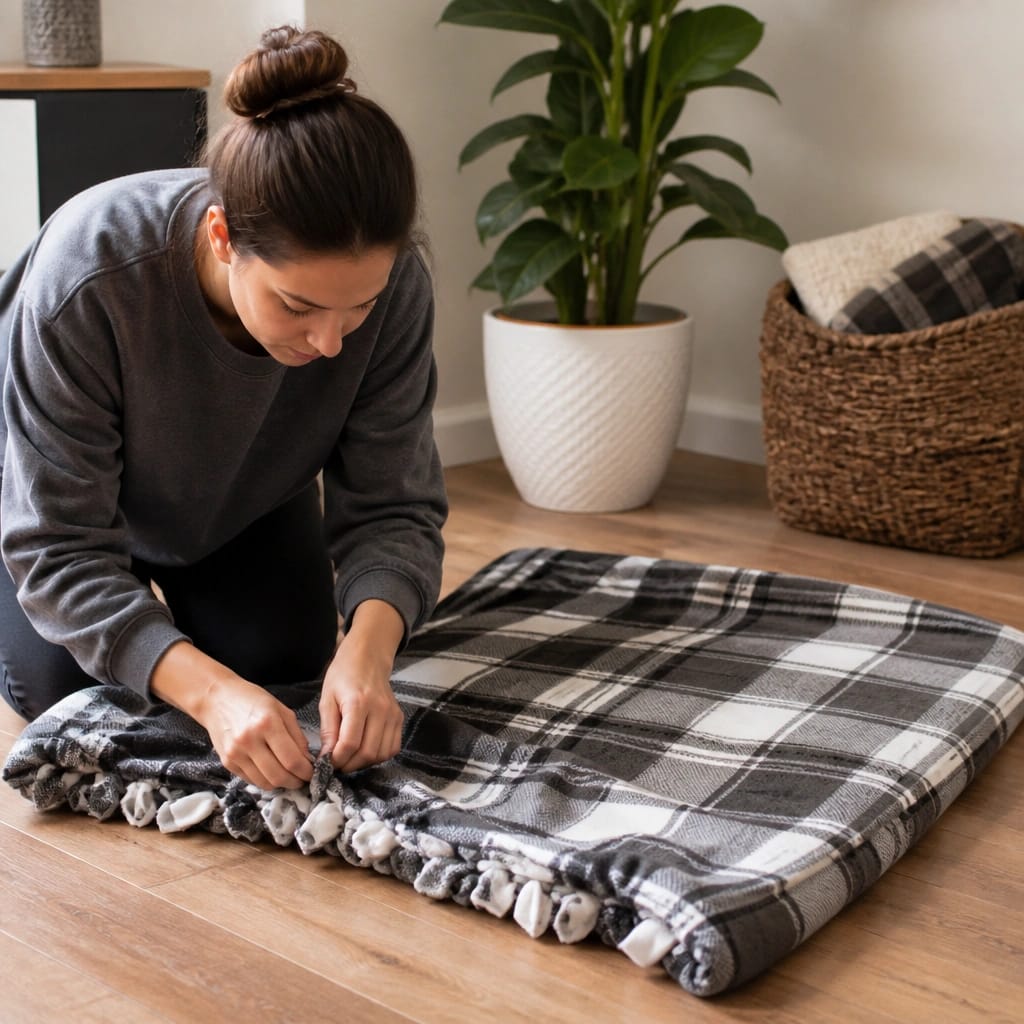

Natural vs Synthetic Dog Bed Materials
Natural vs Synthetic Dog Bed Materials is a choice that directly affects how well your dog sleeps, how long the bed lasts, and whether it triggers allergies or skin issues. The right material depends on your dog’s chewing habits, sleeping position, and health needs. One size does not fit all here.
As of 2026, the pet bedding industry offers materials ranging from organic cotton certified by GOTS to high-density memory foam that meets CertiPUR-US standards. Understanding the practical differences between these categories helps you make a decision that works for both your dog and your household. Let’s break down what each material actually does.
Natural materials like cotton, wool, and hemp are breathable and biodegradable. Synthetics like polyester, nylon, and memory foam are more durable and water-resistant. Natural fibers work well for dogs with allergies or sensitive skin. Synthetics last longer against chewing and digging. The best choice depends on your dog’s specific needs.
Why This Decision Matters for Your Dog’s Sleep and Health
Your dog spends roughly 12 to 14 hours a day sleeping or resting. The material that touches their nose, paws, and belly during all that time directly affects their comfort. Poor material choices can lead to overheating, skin irritation, or even respiratory issues from dust mites or chemical off-gassing.
In our research, dogs with allergies showed noticeable improvement when switched from synthetic fleece to natural cotton or wool covers. Dogs that chew or dig at their bedding destroyed natural fiber fill in weeks, while synthetic options held up for months. The material also affects how well the bed supports your dog’s joints and whether it retains odors.
Choosing the wrong material can mean replacing the bed in a few months instead of a few years.
The Quick Differences Between Natural and Synthetic Materials
Here is a side-by-side look at the major differences between the two categories.
| Feature | Natural Materials | Synthetic Materials |
|---|---|---|
| Breathability | High — air circulates easily | Low to moderate — traps heat |
| Durability | Low to moderate — wears faster | High — resists tearing and abrasion |
| Water resistance | Poor — absorbs moisture | Good to excellent — repels liquids |
| Hypoallergenic | Good — resists dust mites naturally | Variable — some trigger allergies |
| Biodegradable | Yes | No |
| Cost | Higher | Lower to moderate |
| Washability | Good, but may shrink | Excellent, dries fast |
Natural materials excel at temperature regulation and breathability. They are ideal for dogs that overheat or have sensitive skin. Synthetic materials win on durability and moisture resistance.
They are better for dogs that chew, dig, or have accidents.
What Are Natural Dog Bed Materials
Natural dog bed materials come from plants or animals. The most common options are cotton, wool, hemp, kapok, and natural latex.
Cotton is soft, breathable, and easy to wash. Organic cotton is grown without pesticides. It works well for covers and lightweight fill.
The downside is that cotton absorbs moisture and wears down faster than synthetics.
Wool is naturally antimicrobial and moisture wicking. It regulates temperature well, keeping dogs warm in winter and cool in summer. Wool resists dust mites and odors.
However, some dogs are allergic to lanolin, and wool fill can felt or clump over time.
Hemp is one of the strongest natural fibers. It resists mold and mildew, making it good for humid climates. Hemp is less soft than cotton but very durable.
It is often blended with cotton for comfort.
Kapok is a plant-based fiber that feels similar to down. It is lightweight, buoyant, and water resistant. Kapok fill is biodegradable and hypoallergenic.
It loses loft faster than synthetic fill.
Natural latex is made from rubber tree sap. It is responsive, supportive, and naturally resistant to dust mites and mold. Latex foam lasts longer than polyurethane foam but costs more.
What Are Synthetic Dog Bed Materials
Synthetic materials are man-made, usually from petroleum-based polymers. The most common options are polyester, nylon, microfiber, polyurethane foam, and memory foam.
Polyester is the workhorse of synthetic dog beds. It is strong, quick drying, and stain resistant. Polyester fill is affordable and holds its shape decently.
The main drawback is poor breathability and a tendency to hold odors over time.
Nylon is even tougher than polyester. It resists tearing, chewing, and abrasion. Nylon covers are common in chew proof beds.
They are less soft than cotton or microfiber but far more durable.
Microfiber is a very fine polyester fiber. It feels soft and smooth against the skin. Microfiber covers are easy to clean and dry quickly.
They can trap heat and may cause static in dry climates.
Polyurethane foam is the standard for orthopedic and memory foam beds. It provides excellent pressure relief and support. The quality varies widely.
Higher density foam lasts longer. Lower density foam sags within a year. Some polyurethane foam contains volatile organic compounds (VOCs) that off-gas for days or weeks.
Memory foam is a type of polyurethane foam with added chemicals that make it respond to body heat. It molds to the dog’s shape and relieves pressure points. It retains heat more than other foams, which can be a problem for dogs that overheat easily.
Start Here: Ask Yourself These Four Questions
Before you choose between natural and synthetic materials, answer these four questions. Your answers will guide you to the right decision.
Does your dog chew or dig at their bed?
If your dog is a heavy chewer, natural materials will likely fail. Cotton, wool, and hemp covers tear easily under persistent chewing. Synthetic materials like nylon and polyester resist damage much better.
For aggressive chewers, you need a tough synthetic cover and a chew resistant liner. Our guide on chew proof materials covers the best options.
If your dog rarely chews, natural materials are fine. They offer better comfort and breathability without the durability risk.
Does your dog have allergies or sensitive skin?
Dogs with contact allergies, asthma, or skin conditions often do better with natural materials. Cotton and wool are less likely to cause irritation than synthetic fibers. Synthetic materials can trap dust mites and dander.
They may also contain chemical residues from manufacturing.
If your dog has known allergies, choose organic cotton or wool covers. Avoid polyester and foam until you confirm your dog reacts well. Some dogs tolerate synthetic microfiber without issues.
How does your dog sleep — curled up or stretched out?
Sleeping position affects how much support the bed needs. Dogs that stretch out need a flat, supportive surface. Memory foam or latex provides the best pressure relief.
Dogs that curl up prefer a nest like feel. Kapok or wool fill works well for nesting.
For dogs that dig and circle before lying down, they are trying to make the bed comfortable. Natural materials allow this behavior more easily. Synthetic materials may hold up better to the repeated scratching.
What is your home climate like?
Hot and humid climates favor natural materials. Cotton and hemp breathe well and resist mold. Wool wicks moisture away from the skin.
Synthetic materials trap heat and moisture, which can lead to overheating.
Cold and dry climates favor synthetic materials. Polyester and fleece provide insulation. Memory foam retains body heat.
Natural materials in cold climates may require extra layering.
If you live in a humid area, avoid synthetic foam that absorbs moisture. It can develop mold inside the bed. Our article on waterproof dog beds explains how to protect the inner foam from moisture damage.
Decision Branch 1: For Heavy Chewers
If your dog chews or digs at their bedding, natural materials will not last. Cotton, wool, and hemp covers tear easily. Kapok fill pulls apart under persistent digging.
Choose synthetic covers made from nylon or heavy-duty polyester. Look for beds with chew-resistant liners and reinforced seams. Avoid loose fill of any kind.
It creates a choking hazard if the dog breaks through the outer layer. The best approach is a tough synthetic cover with a waterproof liner underneath. This protects the inner foam from moisture and damage.
Decision Branch 2: For Dogs with Allergies or Skin Issues
Dogs with contact allergies or sensitive skin generally do better with natural materials. Organic cotton and wool are less likely to cause irritation. They resist dust mites and mold naturally.
Synthetic fibers can trap allergens and may contain chemical residues from manufacturing.
If your dog has diagnosed allergies, start with a natural cover. Choose a certified organic cotton or wool option. Wash it regularly in hot water.
Avoid synthetic fleece and foam until you confirm your dog tolerates them. Some dogs react to the VOCs released by new polyurethane foam.
Decision Branch 3: For Temperature Regulation
Dogs that overheat easily need breathable materials. Natural cotton and hemp allow air to circulate. Wool wicks moisture away from the skin.
These materials help prevent heat buildup during sleep.
If your dog needs warmth, synthetic fleece and memory foam retain body heat well. They work best in cold climates for short-haired breeds. Dogs that burrow under covers often prefer synthetic materials.
The warmth retention helps them feel secure. Learn more about cozy sleeping arrangements in our guide on dogs that love to burrow.
Decision Branch 4: For Eco-Conscious Owners
Natural materials are biodegradable. Cotton, wool, hemp, and kapok break down naturally at the end of their life. Organic versions avoid pesticides and synthetic fertilizers.
The trade-off is shorter lifespan and higher cost.
Recycled synthetics use post-consumer plastics. They reduce landfill waste but remain non-biodegradable. They last longer, which means fewer replacements over time.
Certified recycled polyester is a reasonable middle ground. It offers durability with a lower environmental impact than virgin synthetics.
Side-by-Side Comparison: Natural vs. Synthetic at a Glance
| Factor | Natural | Synthetic |
|---|---|---|
| Best for allergies | Yes | Sometimes |
| Best for chewers | No | Yes |
| Breathability | High | Low to moderate |
| Lifespan | 1 to 3 years | 2 to 5 years |
| Eco-friendly | Yes | No |
| Cost | Higher | Lower to moderate |
| Washability | Good | Excellent |
Use this table as a quick reference. Match your dog’s primary need to the column that fits. If multiple factors apply, prioritize the one that affects your dog’s health and safety first.
Common Mistakes Owners Make When Choosing Materials
The biggest mistake is ignoring your dog’s chewing habits. Natural materials fail fast with aggressive chewers. Another common error is choosing a synthetic cover without checking the fill.
Cheap polyester fill flattens within months. Always check both the cover and the inner material.
Many owners also overlook washing instructions. Some natural fibers shrink in hot water. Some synthetic foams cannot go in the washer at all.
Read the care label before you buy.
Maintenance and Longevity: What Each Material Requires
Natural materials need gentler care. Wash cotton and hemp covers in cold water. Air dry them to prevent shrinkage.
Wool covers need occasional airing out. Replace natural fill every 1 to 3 years.
Synthetic materials are easier to maintain. Polyester and nylon covers wash in warm water. Tumble dry on low.
Memory foam beds need spot cleaning only. Replace synthetic foam every 2 to 5 years depending on density.
The Bottom Line: Which Material Is Right for Your Dog
Start with your dog’s biggest need. If your dog chews, choose synthetic. If your dog has allergies, choose natural.
For most dogs, a hybrid approach works best. Use a natural cover for breathability with a synthetic foam core for support.
Frequently Asked Questions
Is natural or synthetic better for dogs with allergies?
Natural materials are generally better for dogs with allergies. Cotton and wool resist dust mites naturally. They also avoid the chemical residues found in some synthetic foams.
Can synthetic dog beds cause overheating?
Yes, synthetic materials trap more heat. Polyester fleece and memory foam retain body warmth. Dogs with thick coats or flat faces often overheat on synthetic beds.
How long do natural dog beds last?
Natural fiber beds last 1 to 3 years on average. The fill compresses faster than synthetic foam. Covers may wear out sooner if the dog digs or scratches.
Are synthetic dog beds safe for puppies?
Synthetic beds are safe for most puppies. Choose a chew-resistant cover and avoid loose fill. Check for CertiPUR-US certification on foam beds to ensure low VOC levels.
What is the most durable material for dog beds?
Nylon is the most durable common material. It resists tearing, chewing, and abrasion better than any natural fiber. Heavy-duty polyester is a close second for durability.