

How to Tell Whether a Dog Bed Is Actually Comfortable
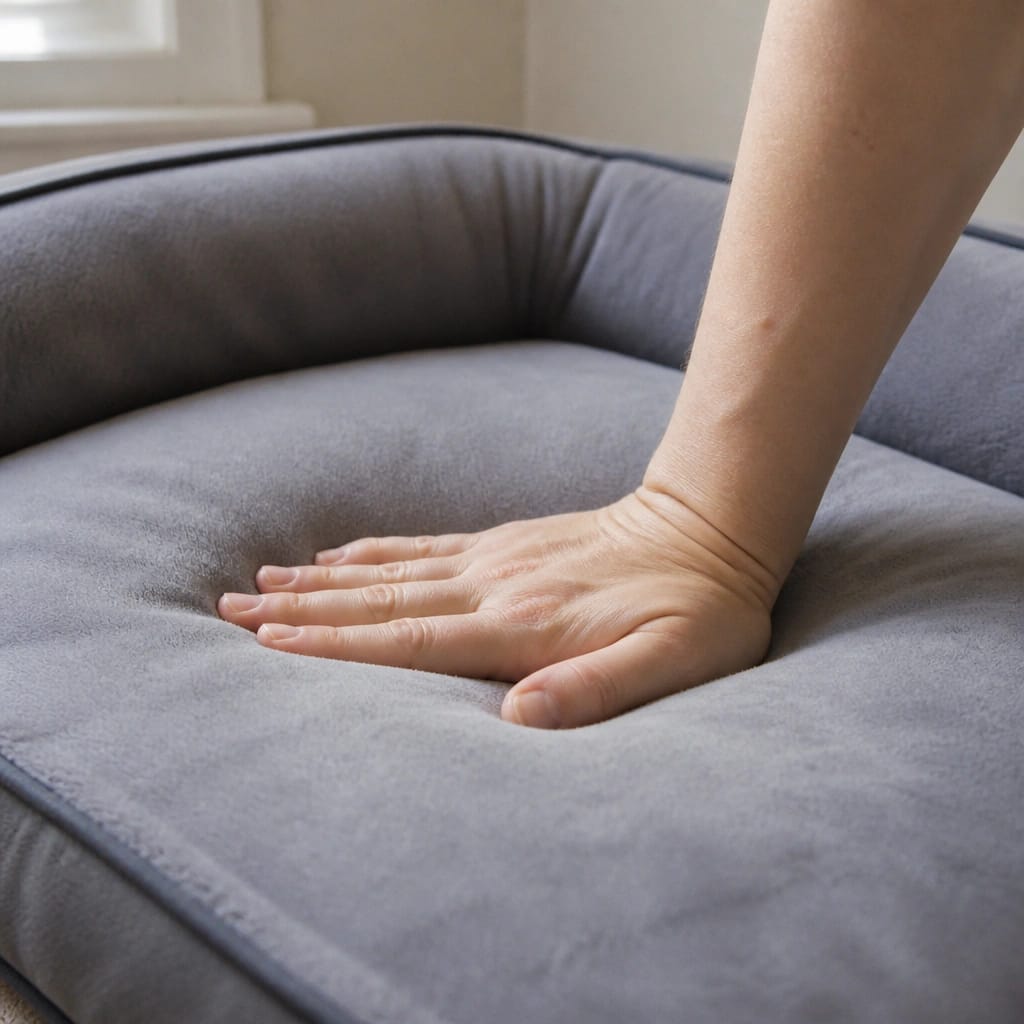
How to tell whether a dog bed is actually comfortable. Press your hand into the foam for ten seconds. If it springs back quickly, the support is good.
Watch your dog’s sleeping position during the first hour: stretching out suggests they feel secure and cool enough. Check how they get up in the morning; if they rise with stiffness or reluctance, the bed may lack proper cushioning. Finally, feel the surface temperature after a long nap.
If it’s noticeably warmer than the floor around it, the bed isn’t breathing well.
You watch your dog circle, scratch, and flop onto their bed, and you wonder: is that thing actually comfortable, or are they just making do? It’s a fair question. Most dog beds look plush out of the box, but comfort isn’t about how fluffy it appears.
It’s about whether the bed supports your dog’s body through a full night’s sleep without sagging, overheating, or causing restlessness.
According to manufacturer specifications, a quality orthopedic foam should maintain at least 90 percent of its original thickness after 50,000 compression cycles. That kind of durability matters because a flattened bed isn’t comfortable for anyone. In this guide, we’ll walk through simple checks you can do at home to know for sure.
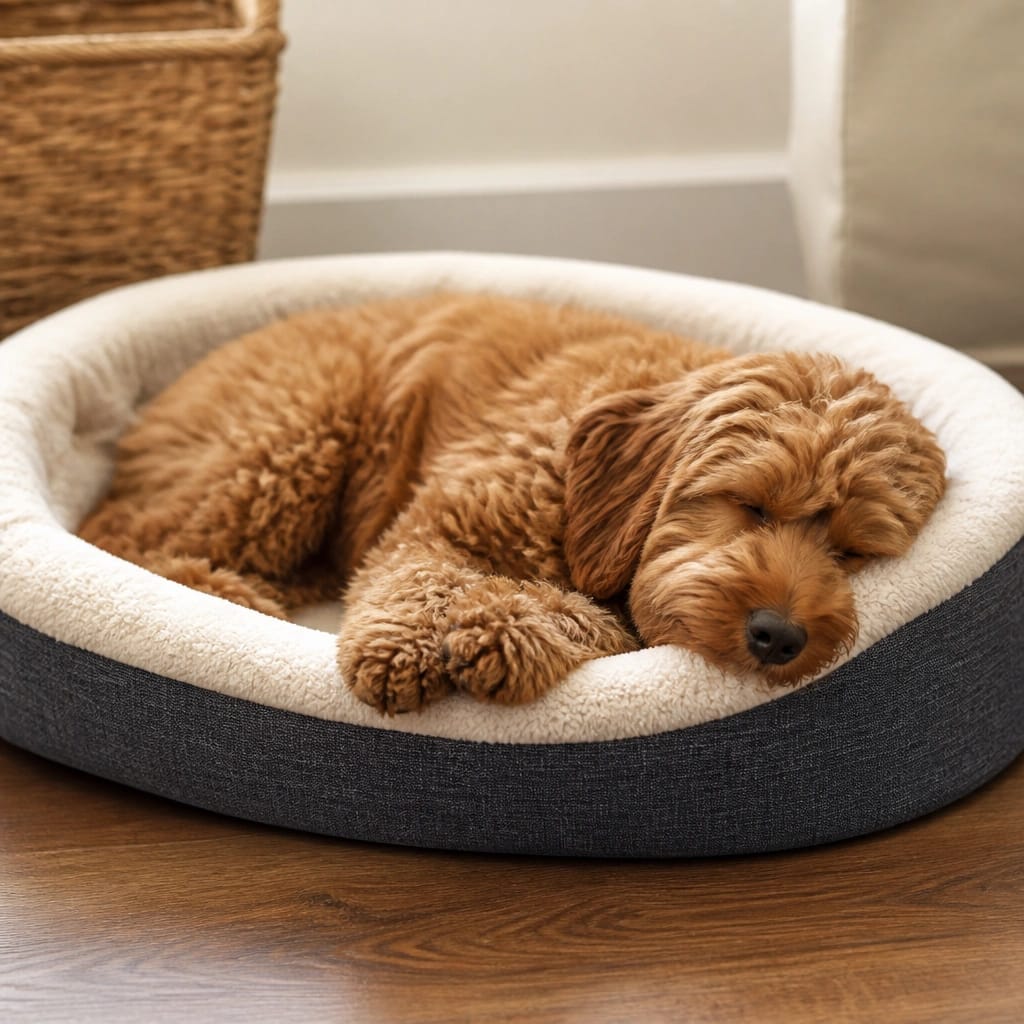
Why Comfort Is Harder to Judge Than You Think
A dog can’t tell you “this foam is too firm” or “the bolster is too low.” They communicate through behavior, and those signals are easy to misinterpret. A dog that scratches their bed before lying down might be nesting, not complaining. A dog that stretches out flat might love the bed, or they might be trying to cool off on a surface that traps too much heat.
Another layer: comfort is subjective for dogs just like it is for people. A Great Dane needs very different support than a Chihuahua. A senior dog with arthritis has different needs than a hyperactive puppy.
As of 2026, the market offers dozens of fill types, memory foam, polyfill, egg-crate, gel-infused, but none of them are universally comfortable. You have to match the bed to your individual dog.
That’s why a simple checklist beats guesswork. Let’s break down the three must-haves.
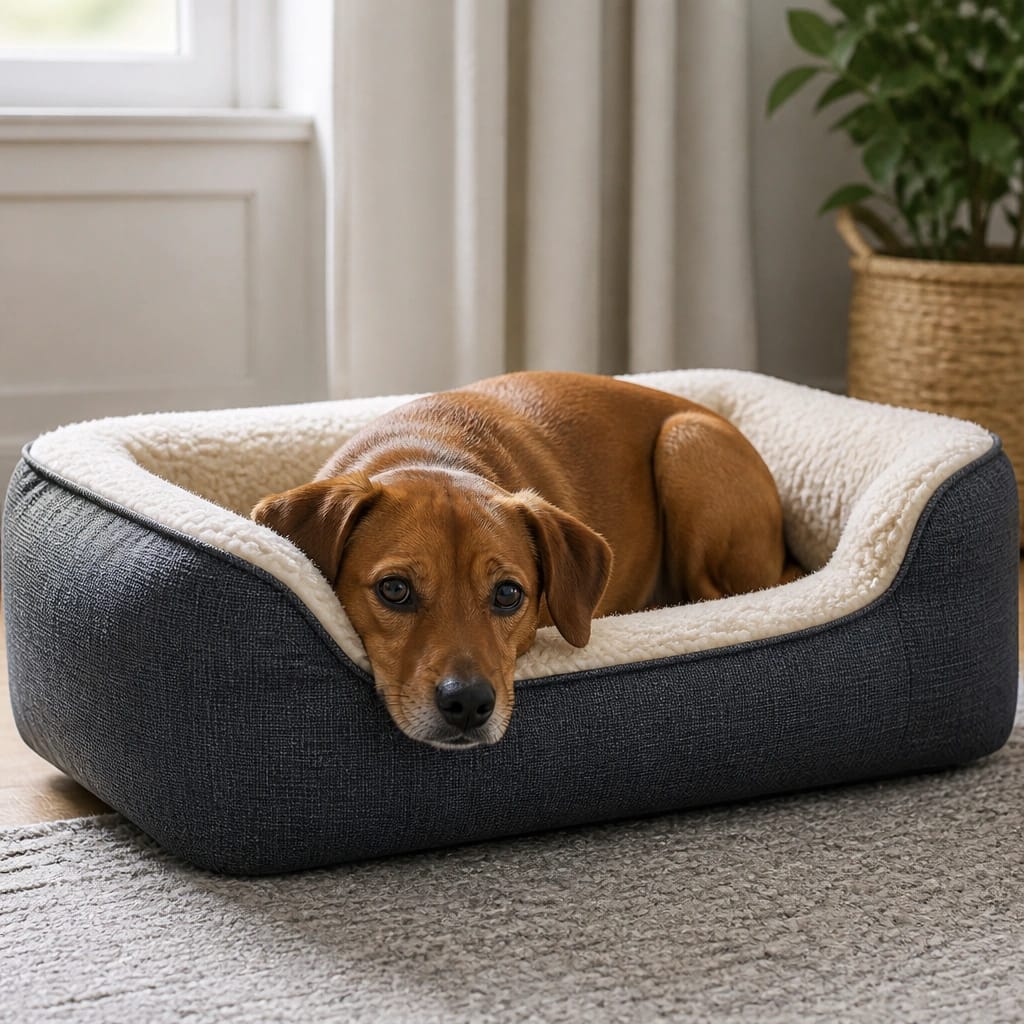
The 3 Non-Negotiables of a Comfortable Dog Bed
Before you run any tests, understand what physical factors actually cause discomfort. Three things determine whether a dog bed is comfortable: support, space, and temperature. Miss any one of them, and the bed will fail regardless of how expensive or pretty it looks.
Proper Support That Doesn’t Bottom Out
Support comes from the foam or filling beneath your dog’s body. When your dog lies down, their weight should be evenly distributed, not concentrated on bony points like elbows and hips. If the foam compresses all the way to the floor (bottoming out), the bed offers zero cushion.
Test this: press your palm into the center of the bed and hold for five seconds. The material should push back firmly and regain its shape within a second or two after you lift your hand. If it leaves a handprint or feels mushy, the support is gone.
For dogs over 40 pounds, look for foam at least four inches thick with a density of 2.5 pounds per cubic foot or higher.
Enough Space for the Dog’s Sleeping Position
A bed that’s too small forces your dog to curl in a way that pinches joints or leaves part of their body hanging off the edge. Measure your dog from nose to base of tail while they’re standing. Then add about 6 to 12 inches to that measurement for the ideal bed length.
Watch how your dog sleeps in their current bed. Do they stretch out full length? If so, they need a rectangular bed that matches their body length.
Do they curl into a tight ball? A donut or bolster bed with raised edges might suit them better. For more on matching size to age, check our guide on what size bed a puppy needs versus an adult dog.
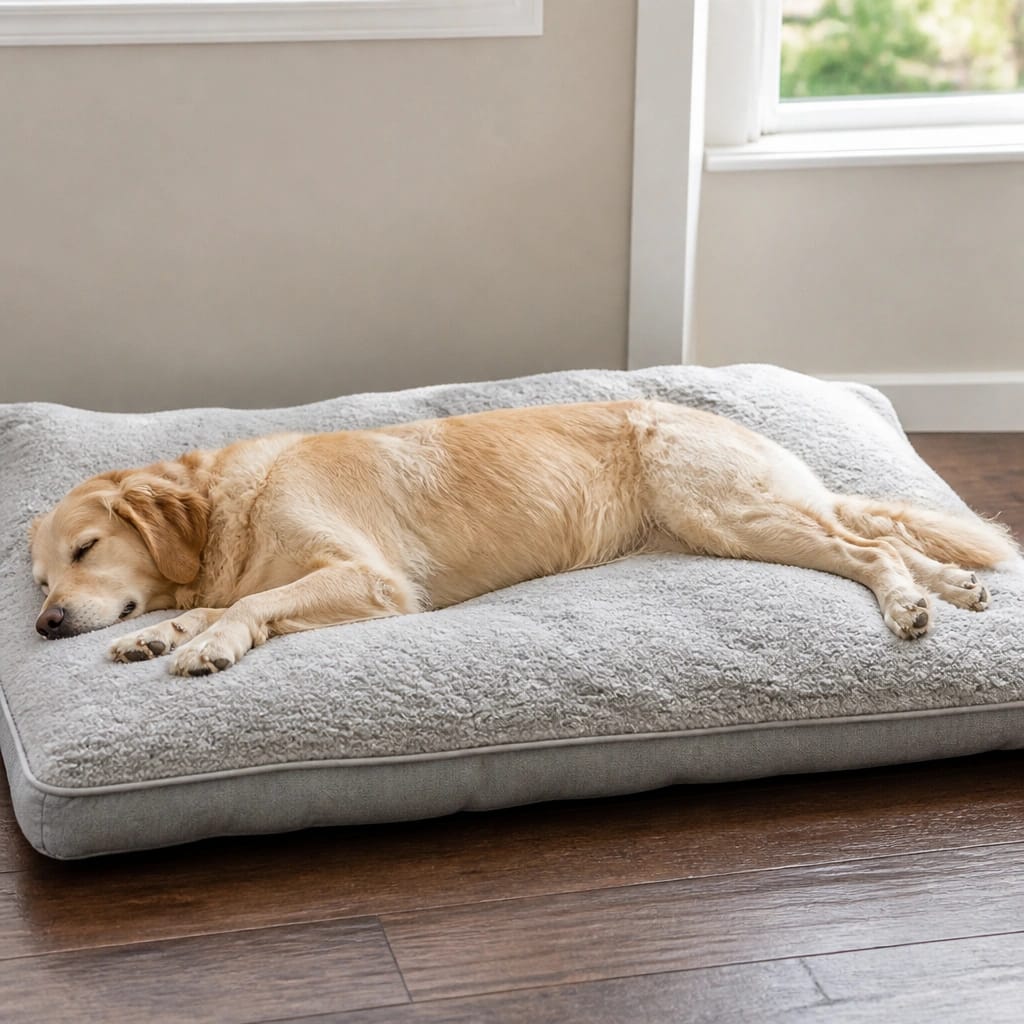
Temperature Regulation (Not Too Hot, Not Too Cold)
Dogs run warmer than humans, their resting body temperature sits around 101 to 102.5°F. A bed that traps heat can cause panting, restlessness, and even overheating. Conversely, a thin bed on a cold floor can pull heat out of their body.
Feel the bed surface after your dog has been lying on it for 30 minutes. If it’s noticeably warm or damp, the cover isn’t breathable. Look for fabrics like cotton or microfiber that wick moisture.
If your dog sleeps in a crate or on a cold floor, you may want an insulated or heated option. For outdoor winter use, we have a dedicated guide on dog beds for cold weather.
The 5-Minute Home Comfort Test
You don’t need special equipment. Three quick checks tell you more than a product description ever will.
The Hand-Press Foam Check
Already described above, press and release. But do this in multiple spots: center, edges, and near the bolster. Sometimes the middle wears out while the edges stay firm.
A bed that’s unevenly compressed will force your dog into an awkward position.
The Surface Spread Test
Lay a piece of cardboard or a thin towel on the bed. Place your hand on it and press down. The bed should cradle your hand, not let it sink straight to the base.
If you feel the floor through the material, the bed is too thin or the foam is degraded.
The 30-Minute Behavior Watch
After your dog settles on the bed, set a timer for 30 minutes. Do not interact. Watch for these cues:
| What you see | Likely meaning |
|---|---|
| Dog lies still, eyes closed after a few minutes | Comfortable and relaxed |
| Dog shifts position more than twice | Searching for a better spot |
| Dog gets up and walks away before 30 minutes | Bed is not comfortable enough to settle |
| Dog pants without being hot from exercise | Overheating (bed traps too much heat) |
Insert image near this section.
How to Read Your Dog’s Body Language for Comfort Clues
Dogs can’t talk, but they leave clues. Knowing which behaviors signal satisfaction versus mild tolerance is key.
Signs the Bed Is Working Well
- Your dog chooses the bed over the floor, couch, or your lap.
- They stretch out fully, exposing their belly (sign of trust and comfort).
- They fall asleep quickly and stay asleep for at least an hour.
- They don’t circle, dig, or scratch for more than a few seconds before lying down.
If you see these, your dog is likely sleeping well. For more on why some dogs prefer your bed instead of theirs, read our piece on why does my dog sleep on my bed instead of their own.
Signs Something Is Off
- Your dog frequently rests their head on the edge of the bed (trying to avoid the surface).
- They push the bed into a corner and sleep against the wall rather than on the center.
- They refuse to go on the bed at all, or they stand on it without lying down.
- You notice them slipping or sliding off a smooth surface.
A dog that avoids a bed may find it uncomfortable, but also check whether the bed is in a good location. Our guide on where should you place a dog’s bed in the house can help.
The Morning Test: What Getting Up Tells You
The most honest test happens when your dog wakes up. Watch them rise from the bed. Do they hop up easily and walk away normally?
Or do they pause, stretch slowly, or favor a leg?
A good bed supports joints overnight, so a dog with healthy hips and elbows should rise without stiffness. If your dog seems stiff after sleeping on the bed but not after sleeping on the floor, the bed is likely too soft or unsupportive. Conversely, if the floor makes them stiffer, the bed is probably working.
Repeat this test for three consecutive mornings. One awkward morning could be a fluke. Three suggests the bed isn’t doing its job.
If your dog is older or has known joint issues, consult your vet about whether an orthopedic bed with the right foam density can help. For more on what type of bed is best for a specific breed, check our guide on what kind of bed does a French bulldog need.
Why Size and Thickness Change the Comfort Equation
A bed that’s too small forces your dog into a cramped position all night. A bed that’s too thin lets their body bottom out against the hard floor. Measure your dog’s length from nose to tail base, then add 6 to 12 inches.
That’s your minimum bed length. For thickness, 4 inches is the baseline for dogs over 40 pounds. Under that, the foam compresses too much.
Our dog bed size chart by weight can help you nail the dimensions.
Matching the Bed to Your Dog’s Age and Health
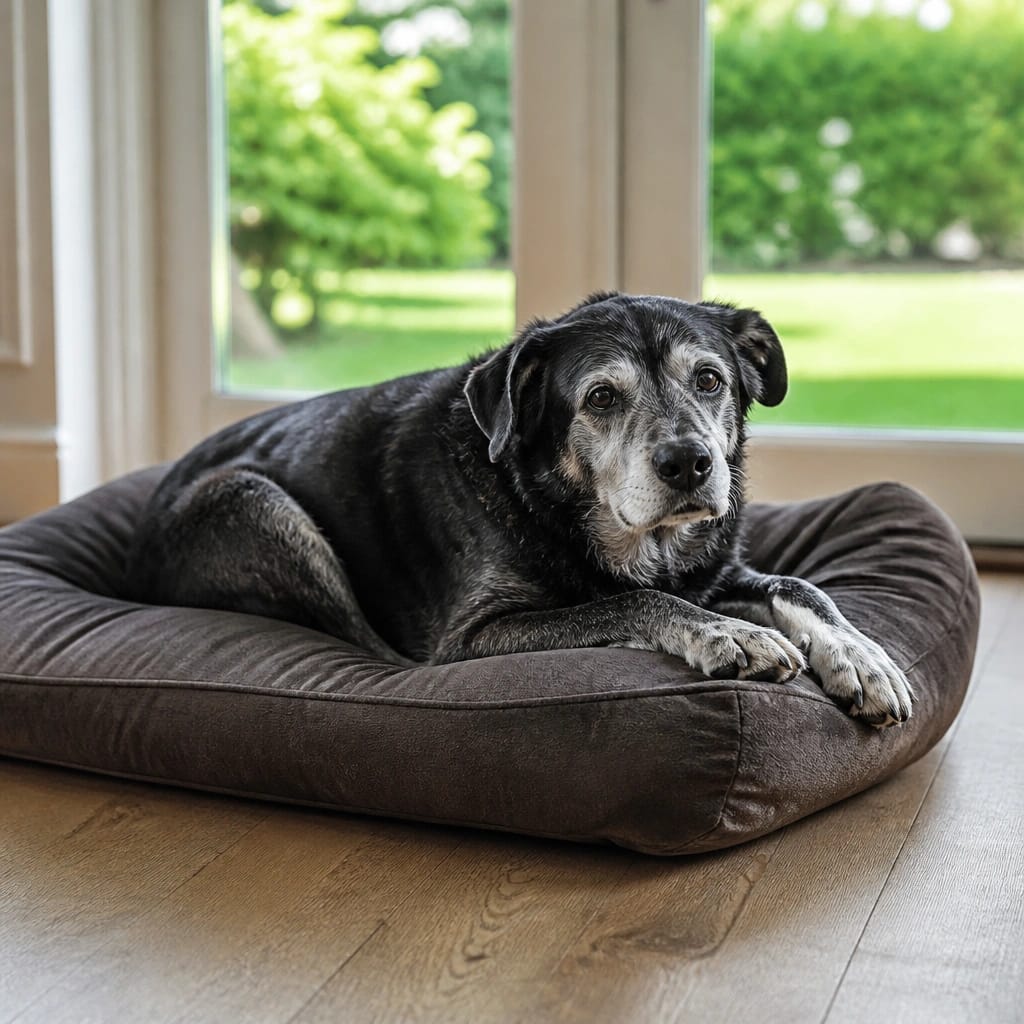
Comfort isn’t one size fits all. A puppy’s needs differ from a senior’s, and a cold breed like a Husky has different temperature requirements than a short-haired Greyhound.
Senior Dogs and Joint Support
Senior dogs need thick, supportive foam that doesn’t bottom out. Look for orthopedic foam at least 4 inches thick with a density of 2.5 pounds or higher. If your dog has arthritis, consult your vet before choosing a bed.
A good bed can help, but it won’t replace medical care. For more on senior comfort, see do dogs need a pillow.
Puppies and Growing Bodies
Puppies are fine with medium support, but they chew and dig more often. Prioritize durable, chew-resistant covers and avoid beds with loose stuffing. A flat mat or a crate pad works well for early crate training.
Check our guide on crate pad vs crate mat for the best fit.
Dogs That Overheat or Get Cold Easily
For dogs that overheat, look for breathable cotton covers or cooling gel layers. Avoid memory foam that traps body heat. For dogs that get cold easily, consider an insulated or heated bed.
Our guide on heated dog beds covers the safe options.
Common Mistakes That Ruin a Comfortable Bed Faster Than Expected
Buying the Wrong Size
The most common mistake. A bed that’s too small pinches joints. One that’s too large may not give your dog the coziness they actually want.
Measure your dog first, then add 6 to 12 inches.
Ignoring the Base Layer
A slippery bed on a hardwood floor slides every time your dog shifts. That movement can wake them. Look for a non-slip bottom or put a rug underneath.
Skipping the Washability Check
Dogs bring in dirt, drool, and odors. If the cover isn’t removable and machine washable, the bed will smell and become unhygienic within weeks. Always check the zipper and seam strength.
When to Replace vs. When to Adjust
If the foam is permanently flattened in the middle or develops lumps, replace the whole bed. No amount of fluffing will fix degraded foam. If the cover is worn but the foam is still firm, just buy a replacement cover.
Also check placement: sometimes moving the bed to a quieter or warmer spot solves the problem. For more on placement, see where should you place a dog’s bed in the house.
Frequently Asked Questions
How do I know if my dog’s bed is too hard?
Press the foam with your palm. If it resists completely and doesn’t give at all, your dog may find it uncomfortable. A bed should cradle the body, not reject it.
How often should I replace my dog’s bed?
Replace it when the foam no longer springs back after pressing, or when the cover has holes or permanent odors. Quality beds last 2 to 5 years with regular care.
Can a dog bed cause hip pain?
A bed that’s too soft can allow a dog’s hips to sink, straining the joints. Conversely, a bed that’s too hard offers no cushion. The right foam thickness and density minimize this risk.
What’s the best sleeping position for a senior dog?
Side sleeping with legs extended is common. That position requires a flat, supportive surface. A bolster bed can also provide head support.
Do all dogs prefer soft beds?
No. Some dogs like firm surfaces. The best way to know is to try a bed with a removable, washable cover and observe your dog’s behavior over a week.
Why does my dog sleep on the floor instead of their bed?
It could be the bed is too hot, too cold, too soft, or in a noisy location. Test the temperature and move the bed to a quieter spot. Our article on why does my dog sleep on the floor instead of their bed covers this in depth.
Final Checklist: How to Know for Sure
Before you decide, run this quick five-step checklist.
- Press test: foam springs back within two seconds with no handprint.
- Space test: your dog can stretch out fully without hanging off the edge.
- Temperature test: the surface feels neutral, not hot or damp, after 30 minutes.
- Morning test: your dog rises without stiffness or reluctance for three consecutive days.
- Behavior test: your dog chooses the bed over the floor or couch most of the time.
If all five pass, your dog is comfortable. If one fails, adjust the bed or replace it.


