

How to Make a Dog’s Sleeping Area Safer at Night
Your dog’s bed is where they spend a third of their day. Learning how to make a dog’s sleeping area safer at night means looking at the whole picture: the bed itself, the crate if you use one, the room temperature, and hidden hazards that are easy to miss.
Per the American Veterinary Medical Association, dogs sleep 12 to 14 hours a day on average. That’s a lot of time on one surface. If that surface isn’t safe, it can affect their joints, breathing, and overall health.
As of 2026, more pet owners are paying attention to sleep safety, and for good reason.
Start with the right bed size. Check for loose parts or chew damage. Keep the area free of cords and drafts.
Make sure the temperature stays comfortable. Inspect the bed and crate regularly for wear.
Why Nighttime Safety Matters for Your Dog
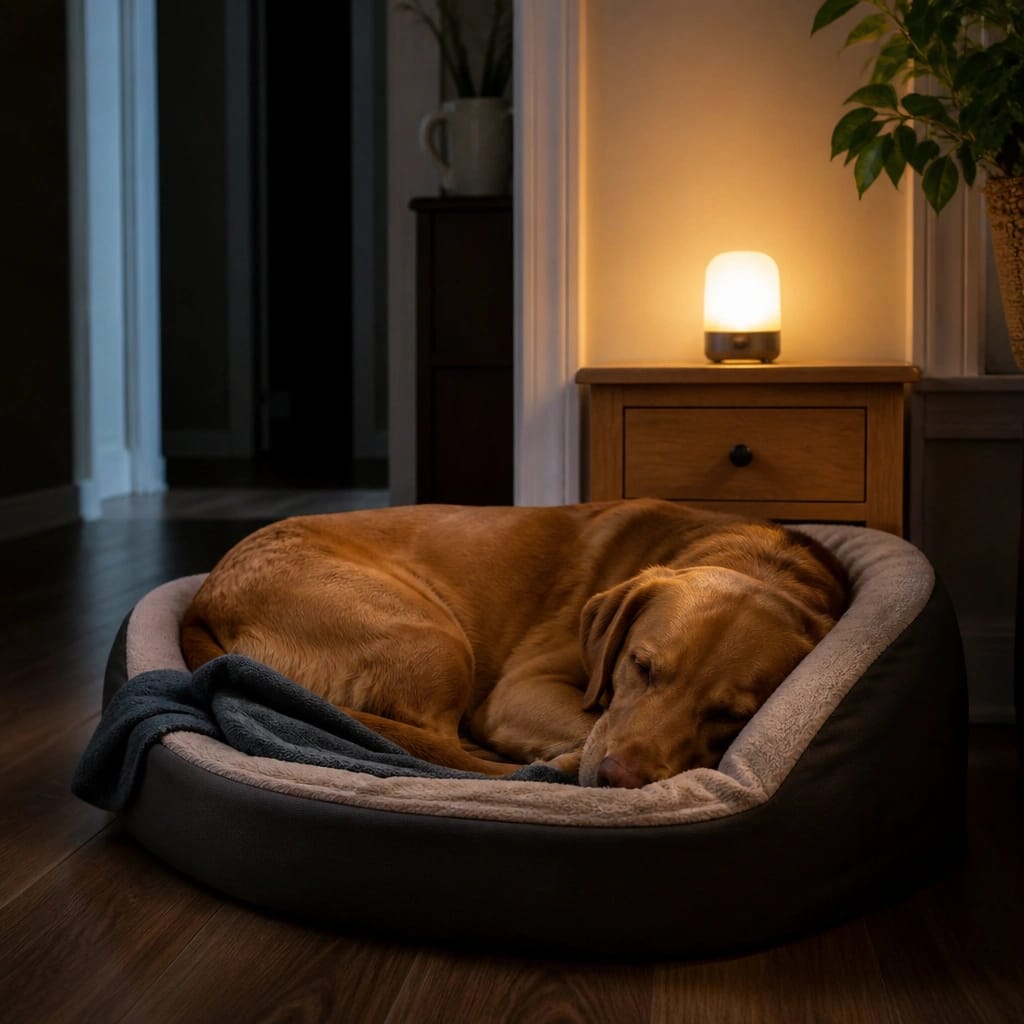
Dogs can’t adjust their sleeping setup themselves. They rely on you to get it right. A safe sleeping area means better rest and fewer health problems down the road.
The wrong setup can lead to joint pain, overheating, or even choking hazards. Senior dogs and puppies are especially at risk. That’s why checking the sleeping area matters more than most owners realize.
Where you place the bed in your home also makes a real difference.
Common Nighttime Hazards in Your Dog’s Sleeping Area
Beds that are too small force dogs into awkward positions. This can strain joints over time. Loose stuffing or torn covers pose a choking risk if your dog chews.
Some dogs will pull out foam and swallow it.
Electrical cords from heated beds are another danger. Dogs can chew through them while you sleep. This creates a shock risk and a fire hazard.
Always route cords out of reach or use chew-proof covers.
For dogs that lick or chew their bedding, the fabric itself can be a problem. Some materials break down into small pieces that cause blockages. Understanding why they chew or lick their bedding helps you choose safer options.

Choosing a Safe Dog Bed for Nighttime Use
This is the biggest decision you’ll make for your dog’s sleep safety. The right bed reduces pressure points and keeps your dog comfortable through the night. The wrong one creates risks.
Bed Size, Fit, and Foam Safety
Your dog needs enough room to stretch out without hanging off the edge. A bed that’s too small forces them to curl up tightly. This can restrict blood flow and cause joint stiffness.
Foam quality matters just as much. Look for CertiPUR-US certified foam. This certification means the foam has been tested for harmful chemicals and off-gassing.
As of 2026, this remains the most reliable standard for pet foam safety.
If you’re unsure about sizing, measure your dog from nose to tail while they sleep. Then add 6 to 12 inches for a proper fit. There are size charts that help with this.
Fabric, Zippers, and Waterproof Liners
The cover material is the first line of defense. Heavy-duty fabrics like canvas or ripstop nylon resist chewing better than fleece or cotton. Zippers should be covered or recessed so your dog can’t access them.
Waterproof liners are essential for puppies, seniors, or any dog with incontinence issues. They protect the foam core from urine and bacteria. Without a liner, moisture seeps into the foam and creates mold and odor problems.
Heated Beds, Cooling Beds, and Electrical Risks
Heated beds are popular for cold weather, but they come with real risks. Low-voltage models with chew-resistant cords are the safest choice. Look for auto-off features that shut the bed down if it gets too hot.
Cooling beds are generally safer since they don’t use electricity. Most use gel inserts or phase-change materials. Just make sure the gel insert is sealed inside a chew-resistant layer.
Crate Safety at Night: What to Check
If your dog sleeps in a crate, the bed needs to fit the crate properly. A bed that’s too large can bunch up against the walls. This creates pressure points and reduces the usable sleeping space.
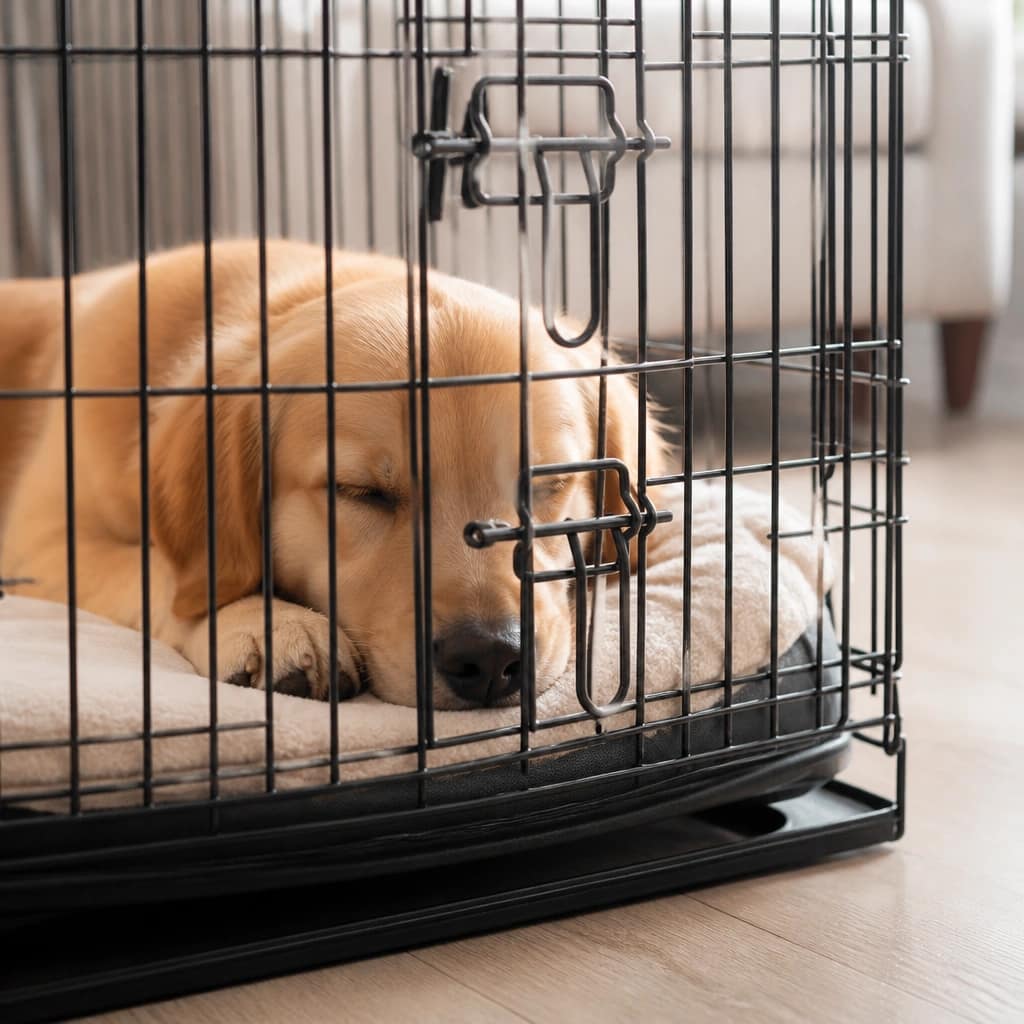
Crate bars can be uncomfortable if the bed is too thin. A crate pad or mat with adequate padding protects your dog’s joints from the hard floor. The bed should cover the entire crate floor without folding up at the edges.
Check for loose bolts, sharp edges, or broken latches on the crate itself. These can cause injuries during the night. A crate is only as safe as its condition.
Temperature, Ventilation, and Drafts
Room temperature plays a big role in sleep safety. Dogs can overheat or get too cold depending on the bed and the room. The ideal temperature range for most dogs is between 60 and 70 degrees Fahrenheit.
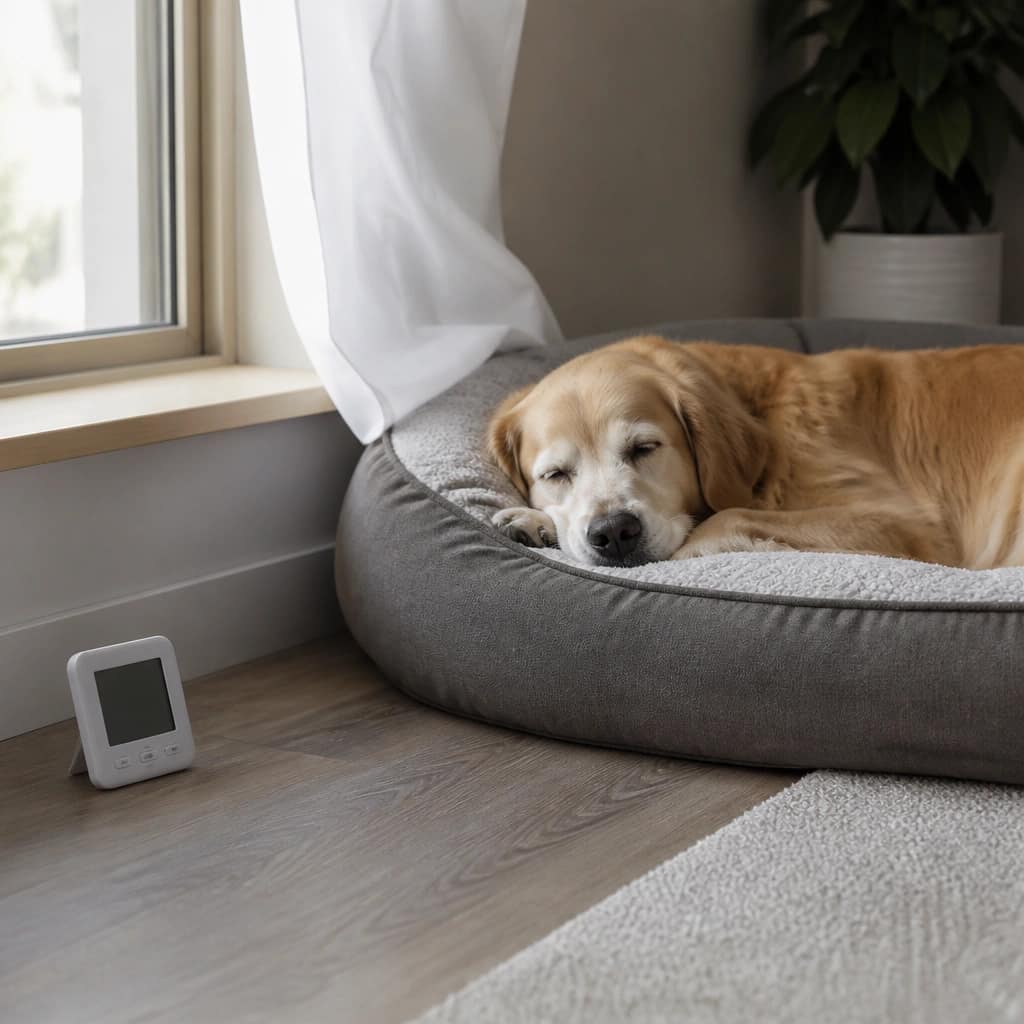
Ventilation matters too. If the crate is against a wall or under a desk, airflow can be restricted. Make sure the crate has good air circulation on at least two sides.
Drafts are a hidden problem. Even a small draft from a window or vent can make your dog uncomfortable. Place the bed or crate away from windows, doors, and air conditioning vents.
Puppies, Seniors, and Special-Needs Dogs
Puppies and senior dogs have different safety needs at night. Puppies are more likely to chew on their beds. They also need more frequent access to a bathroom break during the night.
Senior dogs often have joint pain or incontinence. They need thicker foam for joint support and a waterproof liner to protect the bed. A bed with lower sides makes it easier for them to climb in and out.
Dogs with anxiety or noise phobia need a setup that feels secure. A cave-style bed or a donut bed with raised edges can help them feel safe. The right bed type matters for their comfort and safety.
Step-by-Step: How to Set Up a Safer Sleeping Area
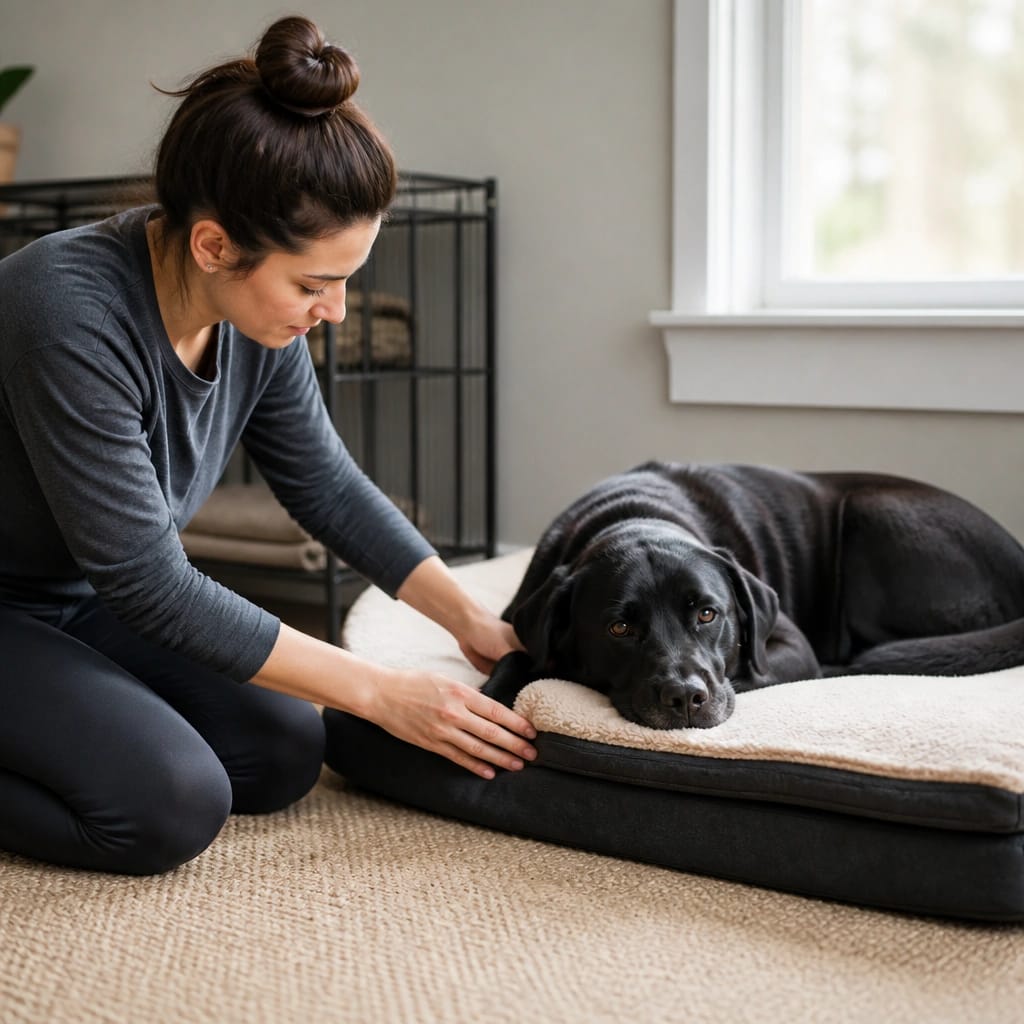
Start by measuring your dog and choosing the right bed size. The bed should be at least 6 inches longer than your dog’s full sleeping length.
Place the bed on a non-slip surface. If it’s a crate, make sure the bed fits flat without bunching against the walls. Remove any loose toys, small objects, or cords from the area.
Check the room temperature. Keep it between 60 and 70 degrees Fahrenheit. Make sure the bed is away from drafts and vents.
Inspect the bed for damage. Check zippers, seams, and foam. Replace any bed that shows signs of wear.
Mistakes That Put Dogs at Risk (and How to Avoid Them)
A common mistake is choosing a bed that’s too small. Dogs need room to stretch. A cramped bed can cause joint stiffness and poor sleep.
Another mistake is using a bed without a waterproof liner for puppies or seniors. Urine can soak into the foam and create mold. This is a health risk.
Some owners leave loose bedding or blankets in the crate. Dogs can bunch them up against the crate walls and restrict airflow. Keep bedding flat and secure.
Overlooking chewed edges is another risk. A small tear can become a bigger problem overnight. Inspect the bed regularly.
When to Talk to a Vet About Nighttime Safety
Talk to your vet if your dog seems uncomfortable at night. Signs include restlessness, panting, or refusing to lie on their bed.
If your dog has joint pain, a vet can recommend the right bed firmness. For dogs with anxiety, a vet might suggest a calming bed or a crate setup that reduces stress.
Persistent chewing or ingestion of bedding is a medical concern. Your vet can help determine if it’s behavioral or related to an underlying issue.
Frequently Asked Questions
How often should I replace my dog’s bed?
Every 1 to 2 years for foam beds. Replace it sooner if you see sagging, tears, or signs of mold. Beds that have been peed on multiple times should be replaced immediately.
Can my dog overheat in a heated bed?
Yes, it’s possible. Choose a heated bed with an auto-off feature and a low-voltage cord. Monitor your dog for signs of overheating like panting or restlessness.
Is it safe for my dog to sleep in a crate every night?
Yes, as long as the crate is the right size and the bed fits properly. The crate should be large enough for your dog to stand, turn around, and stretch out.
What should I do if my dog chews on their bed?
Remove the bed immediately. Check for pieces of fabric or foam in their mouth. Use a chew-resistant bed or a crate mat until the behavior is resolved.
How do I know if my dog’s bed is causing joint pain?
Watch for stiffness after sleeping, reluctance to lie down, or shifting positions frequently. A thicker orthopedic bed may help. If the problem persists, see your vet.
Quick Safety Checklist for Your Dog’s Night Setup
- Measure your dog and choose the right bed size.
- Check for chew damage, loose zippers, and torn seams.
- Use a waterproof liner for puppies, seniors, or incontinent dogs.
- Keep the bed away from drafts, vents, and windows.
- Maintain room temperature between 60 and 70 degrees Fahrenheit.
- Inspect the crate for sharp edges or loose parts.
- Remove cords, toys, and small objects from the sleeping area.
- Replace the bed every 1 to 2 years or sooner if damaged.


