

Can Dogs Sleep Without a Bed?
Your dog happily curls up on the cold tile in summer, and you start wondering: can dogs sleep without a bed? The answer isn’t a simple yes or no. It depends on your dog’s age, health, coat, and the surfaces they’re sleeping on.
As of 2026, most veterinary guidance agrees that healthy adult dogs can sleep on a floor without immediate harm, but comfort and long-term joint health are another story. A hard surface offers no pressure relief, and certain dogs genuinely need cushioning to sleep well. Let’s look at what actually matters.
Yes, most healthy dogs can sleep without a bed. But comfort and joint health depend on age, breed, and floor type. Older dogs and those with joint issues usually need padding. Dogs often choose hard floors to cool down. The real question is whether your specific dog is comfortable.
Why This Even Comes Up
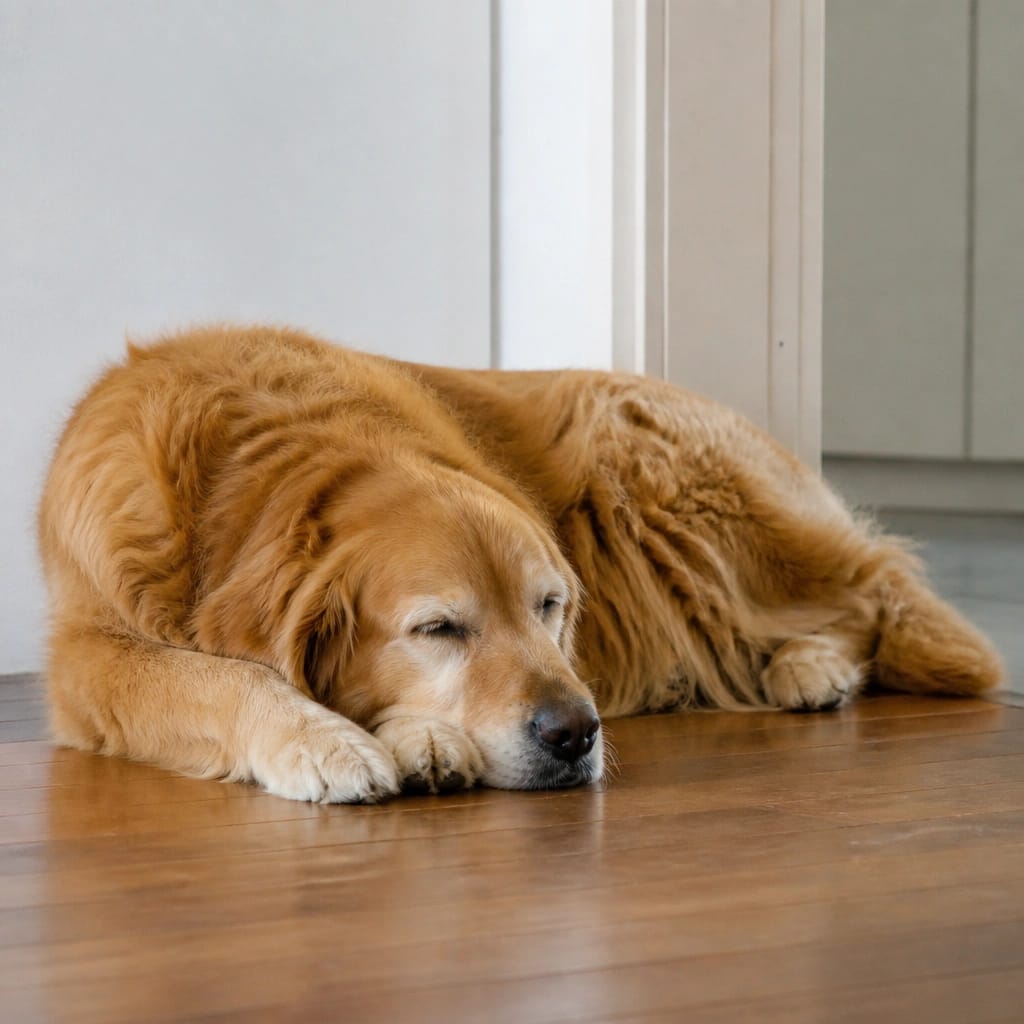
It’s a fair question. Many dogs ignore perfectly good beds and flop onto the floor instead. They push their bed aside, move to the corner, or stretch out on the tile in the middle of summer.
That behavior makes owners wonder if a bed is necessary at all. If your dog keeps choosing the floor, maybe they don’t need one, right? Not exactly.
Dogs pick naps for different reasons than we do, especially when they’re trying to regulate body temperature.
Here’s the thing: a dog choosing the floor isn’t always rejecting the bed. Sometimes they’re just hot. Other times, they want a firmer surface.
But a habit of floor sleeping can become a problem for older dogs or breeds with very little body fat.
If your dog regularly avoids their bed, it’s worth checking whether the bed suits them. Some dogs prefer different sleeping spots entirely, and that’s a normal part of their behavior.
The Conditions That Change the Answer
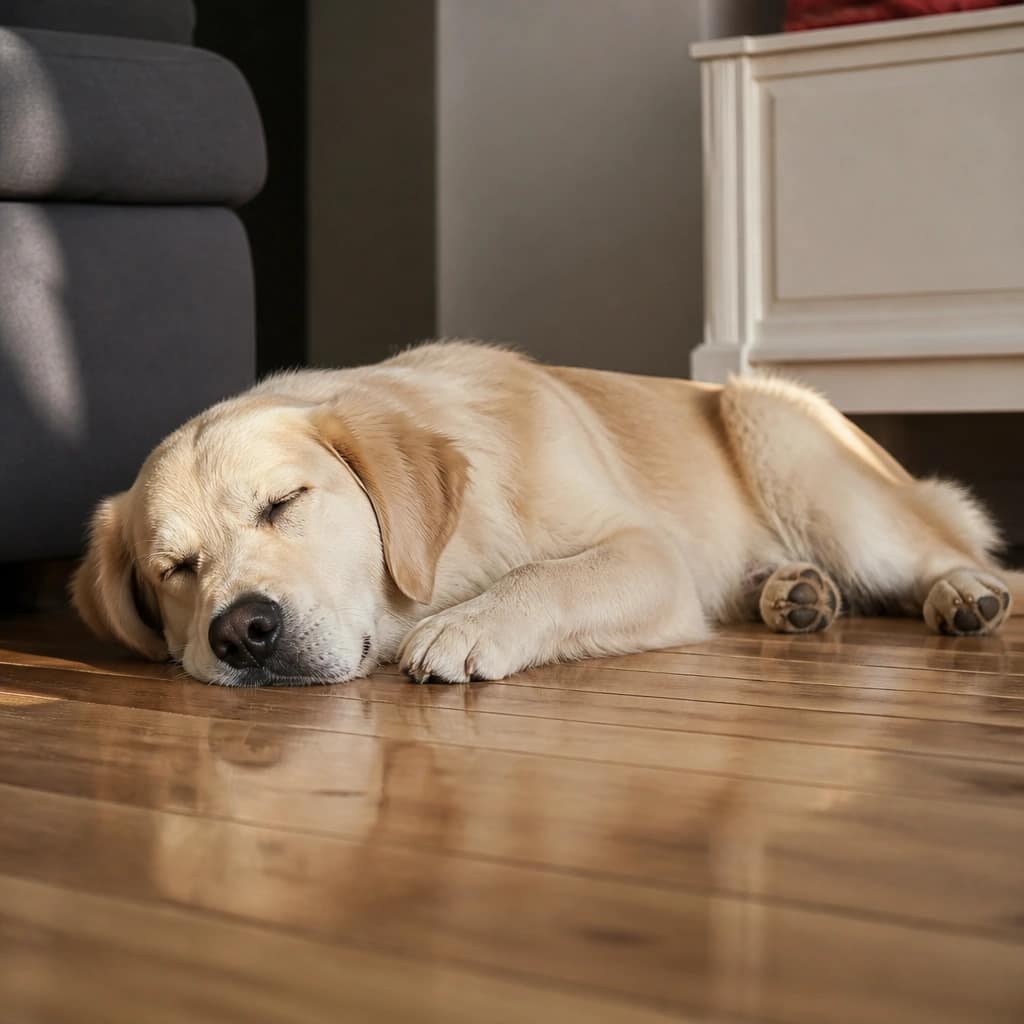
Whether a dog can sleep without a bed depends on a handful of clear variables. If you run through them, you’ll get your answer fast.
Your Dog’s Age and Health
Puppies have softer bones and joints, so a hard floor isn’t ideal during growth. Senior dogs often develop arthritis or joint stiffness, and sleeping on a hard surface can make those conditions worse. Dogs with mobility issues, hip dysplasia, or pressure sores also need extra padding.
If your dog is young, healthy, and free of joint problems, the floor is less of a concern. But the older they get, the more a cushioned surface matters.
Coat Type and Body Size
Coat makes a big difference. Short-haired breeds like Greyhounds, Boxers, and French Bulldogs have little insulation between their bodies and the floor. Double-coated breeds like Huskies and Malamutes handle cold floors better, but they may overheat on soft beds in warm weather.
Body size matters too. Large, heavy dogs put more pressure on their joints when lying on hard surfaces. Small dogs are lighter, but they lose body heat faster because of their higher surface-area-to-weight ratio.
The Flooring in Your Home
Hardwood, tile, concrete, and laminate are all poor insulators. They feel cold and offer zero pressure relief. Carpet is more forgiving and provides some warmth and grip.
A dog sleeping on a carpeted floor is in a different situation than one on a bare tile floor.
If your home has hard flooring throughout, a bed or mat becomes more important. If you have thick carpet, the stakes aren’t as high.
Where Your Dog Sleeps at Night
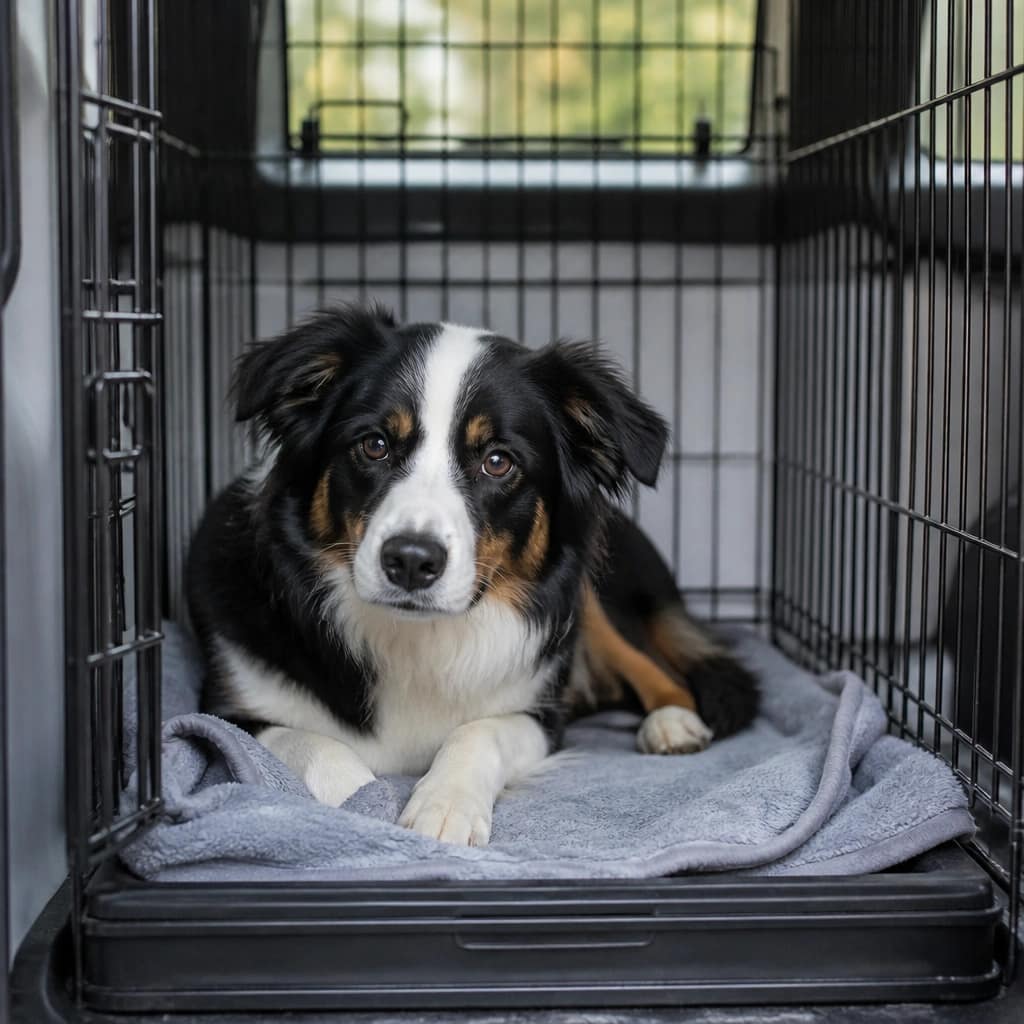
A dog that sleeps in a crate has different needs than one in an open room. Crates are usually placed on hard floors, and there’s no chance to move to a warmer spot. A crate floor with no padding isn’t comfortable for long stretches.
Dogs that sleep in your bedroom on a carpet might be perfectly fine. Dogs that sleep on a concrete garage floor or a cold patio definitely need something underneath them.
When Sleeping Without a Bed Is Perfectly Fine
Yes, there are times when skipping the bed is completely okay. Healthy adult dogs with no joint issues can sleep on the floor without long-term harm, especially when the floor is carpeted or when the room is warm.
Here’s when the floor is fine:
- Your dog is young to middle-aged and has no known health conditions.
- The floor is carpeted or has a rug that provides some cushion.
- Your dog chooses the floor over their bed for cooling purposes.
- It’s hot, and your dog is trying to regulate body temperature.
- Your dog has thick fur or a double coat that provides natural insulation.
- The dog is sleeping on the floor for short daytime naps, not all night.
In those situations, you don’t need to force a bed. If your dog is comfortable and sleeping well, they’re probably fine.
That said, some dogs who regularly choose the floor are actually trying to tell you something. You might want to check our article about why dogs sleep on the floor if this is a constant pattern.
When Your Dog Really Should Have a Bed
This is where it gets more serious. Some dogs genuinely need a padded surface, and letting them sleep on a hard floor is a mistake you could regret later.
The list of dogs that need a bed includes:
- Senior dogs with arthritis or joint stiffness
- Large breeds prone to hip dysplasia or elbow problems
- Short-haired breeds that lose body heat quickly
- Puppies still growing their bones and joints
- Dogs with pressure sores, calluses, or skin irritation
- Dogs recovering from injury or surgery
- Dogs that shiver or seek warmth constantly
- Dogs sleeping in crates with hard plastic or metal floors

Aggregate veterinary guidance suggests that hard surfaces reduce blood flow to pressure points and can cause joint discomfort over time. The American Veterinary Medical Association has highlighted the importance of proper resting surfaces for aging dogs. A good bed doesn’t just feel nicer; it supports joints and prevents pressure-related issues.
If your dog falls into any of those categories, a floor is not an acceptable long-term sleeping surface. A simple dog bed or even a thick blanket provides meaningful benefits.
A Simple Decision Framework for Most Dogs
Still unsure? Use this easy framework. Answer the questions in order, and you’ll know what your dog needs.
- Is your dog a senior, a puppy, or dealing with joint issues?
Yes: They need a padded bed. No exceptions. No: Move to the next question. - Is your dog sleeping on a hard floor like tile, wood, or concrete?
Yes: Add at least a mat or blanket for warmth and cushion. No: They’re likely fine on carpet. - Does your dog have a short coat or thin body?
Yes: A bed helps them retain body heat at night. No: Continue. - Does your dog regularly choose the floor over their bed?
Yes: Look at the bed itself. It might be too warm, too small, or the wrong shape. Check our guide on where to place a dog bed for positioning tips. No: Then your dog is happy with what they have.
This framework isn’t complicated. Most of it comes down to age, health, floor type, and personal preference. If your dog is young and healthy, and the floor is carpeted, you don’t need to worry.
If your dog is older or on hard flooring, get them something soft.
Some small breeds need extra support, and it’s not always obvious from the outside. For example, French Bulldogs often benefit from beds with structure around the edges. You can learn more about beds suited to that breed if you have one at home.
Temporary No-Bed Situations: Travel, Camping, and Crates
One night without a bed is fine. A blanket or towel is enough for warmth in a crate. For longer trips, a simple crate pad works well.
If you’re deciding what to pack, a crate pad versus a crate mat comes down to thickness and portability.
Quick Tests To See How Your Dog Feels About the Floor
Press your palm on the floor where they sleep. Cold or hard means they’re missing cushion. Watch for constant shifting, restlessness, or licking at their elbows.
That’s a sign of discomfort.

Common Mistakes To Avoid
Don’t ignore a dog that keeps avoiding their bed. Scratching at the floor before flopping down might mean the spot feels too hard. Also, don’t skip padding for a senior dog just because they seem fine at first.
Frequently Asked Questions
Is it okay for a puppy to sleep on the floor?
A growing puppy needs a soft surface. Keep them on a blanket or thin pad at least.
Why does my dog sleep on the floor instead of their bed?
They may be hot or prefer a firmer spot. The bed could be too warm or too small for them.
Can sleeping on the floor hurt a dog?
It can worsen joint pain in older dogs. Healthy adults on carpet are usually fine.
Final Decision Guide: What To Do Next
Healthy adult dogs on carpet are fine without a bed. Puppies, seniors, and short-haired breeds need support. If you’re unsure, add a simple bed and watch your dog’s reaction.


