

How a Dog’s Sleeping Surface Affects Rest
How a Dog’s Sleeping Surface Affects Rest is mainly about support and pressure relief. Hard floors create pressure points on joints. Lumpy beds allow the spine to sag.
The right surface encourages deeper, longer sleep cycles. A good bed matches your dog’s size, age, and sleeping position.
Ever notice your dog circling, scratching, and refusing to settle? That’s not stubbornness. That’s your dog trying to make a bad surface usable.
How a Dog’s Sleeping Surface Affects Rest goes beyond comfort. It changes joint health, sleep cycles, and next-day behavior. A surface that fights your dog means more restless nights for both of you.
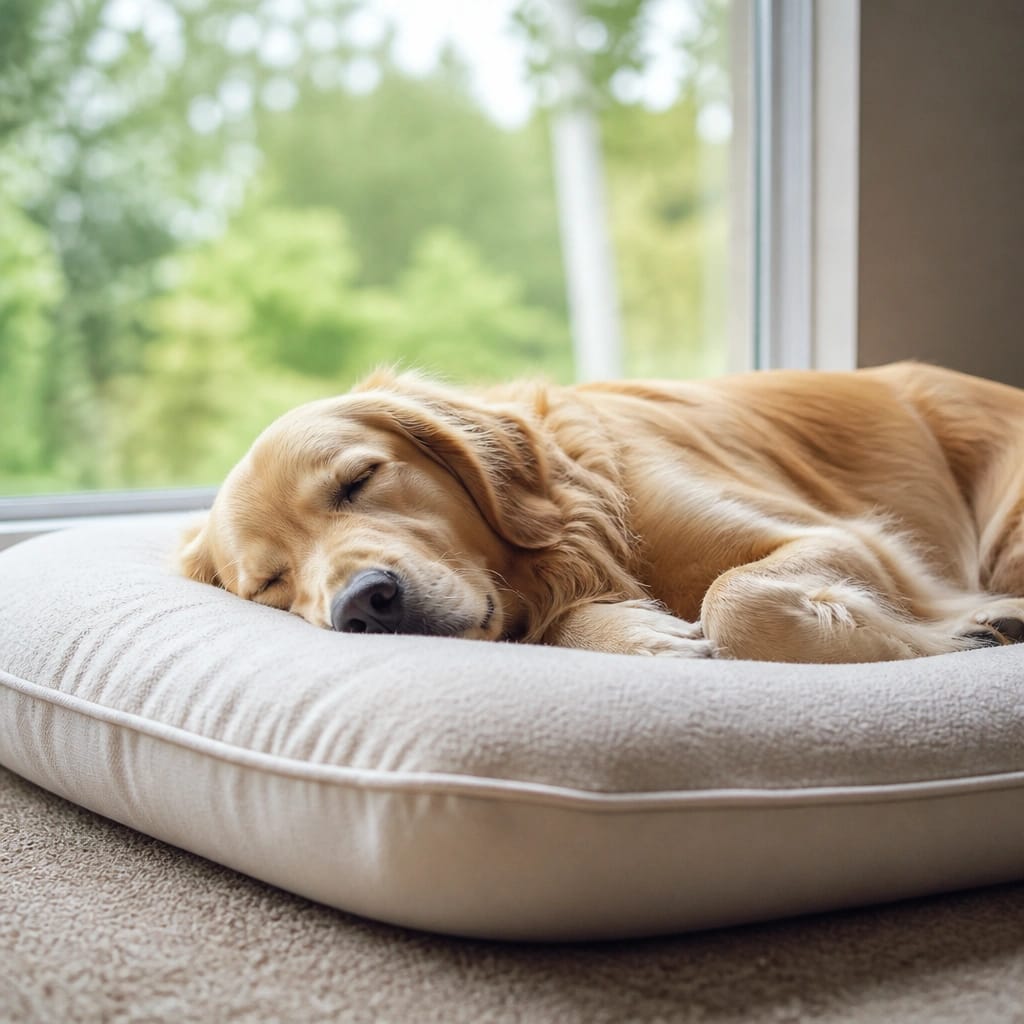
In our research, we compared how different surfaces, from bare hardwood to high-density foam, affect pressure points and body temperature. As of 2026, most veterinary guidance suggests at least four inches of supportive foam for adult dogs. Get this wrong, and you’ll see it in your dog’s energy levels.
Get it right, and they’ll sleep like they actually mean it.
Why the Sleeping Surface Under Your Dog Matters
Dogs spend up to half their day asleep. That means the surface under them matters more than most owners think. A bed that doesn’t support the body can cause joint stiffness, poor circulation, and restless nights.
After weeks of bad sleep, even a happy puppy can turn cranky.
Think of it like your own mattress. Sleeping on a sagging couch every night would wreck your back. Dogs feel the same from a flat, thin mat on a tile floor.
The stakes are higher for large breeds, seniors, and dogs recovering from surgery. Their bodies need extra cushioning so muscles can relax fully.
The American Veterinary Medical Association highlights sleep as a key part of canine health. Without proper rest, recovery slows and irritability rises. A supportive surface isn’t a luxury.
It’s a basic health need.
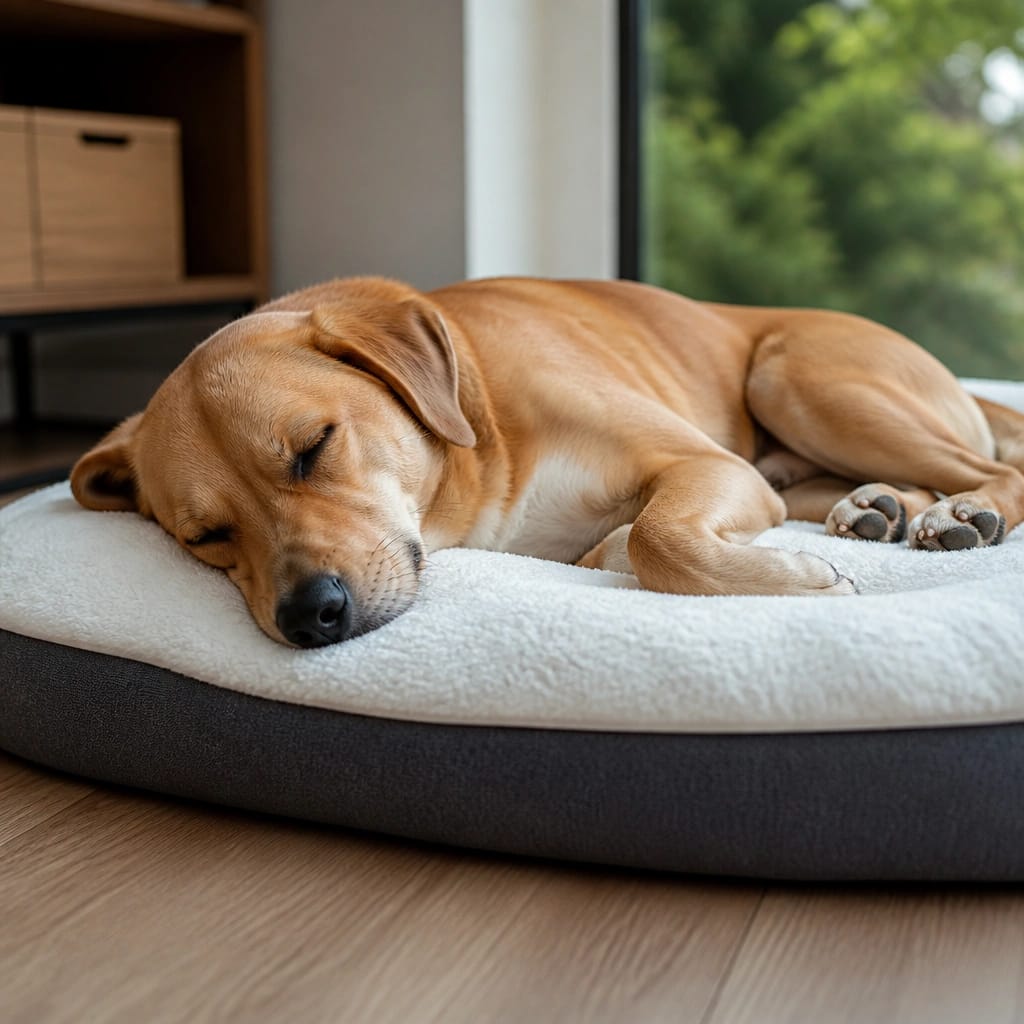
Signs Your Dog’s Bed Is Working Against Them
Your dog can’t tell you their bed hurts. But their behavior will. Watch for these red flags:
- Digging and circling for more than a minute before lying down
- Getting up and moving to the floor or another room
- Limping or stiffness after waking
- Tossing, turning, or resettling several times a night
- Licking or chewing at the bed fabric
If you see two or more of these, the sleeping surface is the first thing to check. That digging behavior often means they’re trying to reshape a flat or thin bed into something usable. In our research, this is the most overlooked sign of an unsuitable surface.
Some dogs simply prefer the floor because it feels firmer and cooler than a worn-out bed.
Dog Factors That Should Drive Your Choice
Sleeping Position and Habits
If your dog curls up tight, they need a bed with raised edges to tuck against. If they sprawl out flat, a wide, open mat or cot works better. Stretchers need more length, not more cushion.
Curlers often feel most secure in a cave bed.
Age, Joint Health, and Mobility
Puppies can handle a firmer, flatter bed while their joints are still developing. Senior dogs usually need thicker foam to relieve hip and elbow pressure. Dogs with arthritis benefit from a bed with a low entry and dense support.
Watch how your dog lies down. Struggling to get on or off means the bed is too tall or too soft.
Size, Weight, and Body Type
Large dogs distribute weight over more surface area but still sink into thin foam. Small dogs need less cushion but can lose body heat on cold floors. A French Bulldog’s body shape needs different support than a Greyhound’s.
Their frame changes where pressure lands.
Coat, Climate, and Temperature Needs
Thick-coated dogs like Huskies sleep hot. They often prefer a raised cot that allows airflow underneath. Short-haired breeds lose heat fast, so a plush, insulated bed helps.
If your home stays warm year-round, a cooling pad might matter more than memory foam.
Bed Types Compared: What Each Surface Does Best
Not every bed suits every dog. Here’s how the main types compare.
| Bed Type | Best For | Why It Works |
|---|---|---|
| Flat mat or pad | Dogs that sprawl | Open surface, easy to stretch |
| Bolster bed | Dogs that lean and curl | Edge support for a sense of security |
| Cave or donut bed | Anxious dogs, burrowers | Enclosed space traps body heat |
| Orthopedic foam bed | Seniors, large breeds | Dense support relieves joint pressure |
| Raised cot | Hot climates, chewers | Airflow underneath, firm support |
| Cooling or heated bed | Temperature-sensitive dogs | Regulates body heat |
Bolster beds suit dogs who like to rest their head on something solid. Cave beds work well for dogs that burrow under blankets. The key is matching the shape to how your dog actually sleeps, not how you want them to sleep.
Hard Floor vs. Carpet vs. Dog Bed: The Real Differences

The floor type in your home changes everything. Hardwood, tile, and concrete offer zero shock absorption. A dog lying on them for hours presses their elbows and hips into a rigid surface.
That’s why so many dogs suddenly prefer the rug.
| Surface | Support | Main Problem |
|---|---|---|
| Bare floor | None | Pressure points and cold drafts |
| Carpet | Thin | Low cushioning, poor joint support |
| Dog bed | High | Depends on foam quality |
Carpet is better than hardwood but still not enough. Most carpets have a thin pad underneath, not real cushioning. A dog bed adds a dedicated layer of pressure relief.
If your dog refuses their bed and chooses the carpet, they’re telling you the bed isn’t working. Sometimes that means it’s too flat, too warm, or simply too small.
How to Match a Sleeping Surface to Your Dog: A Quick Decision Guide
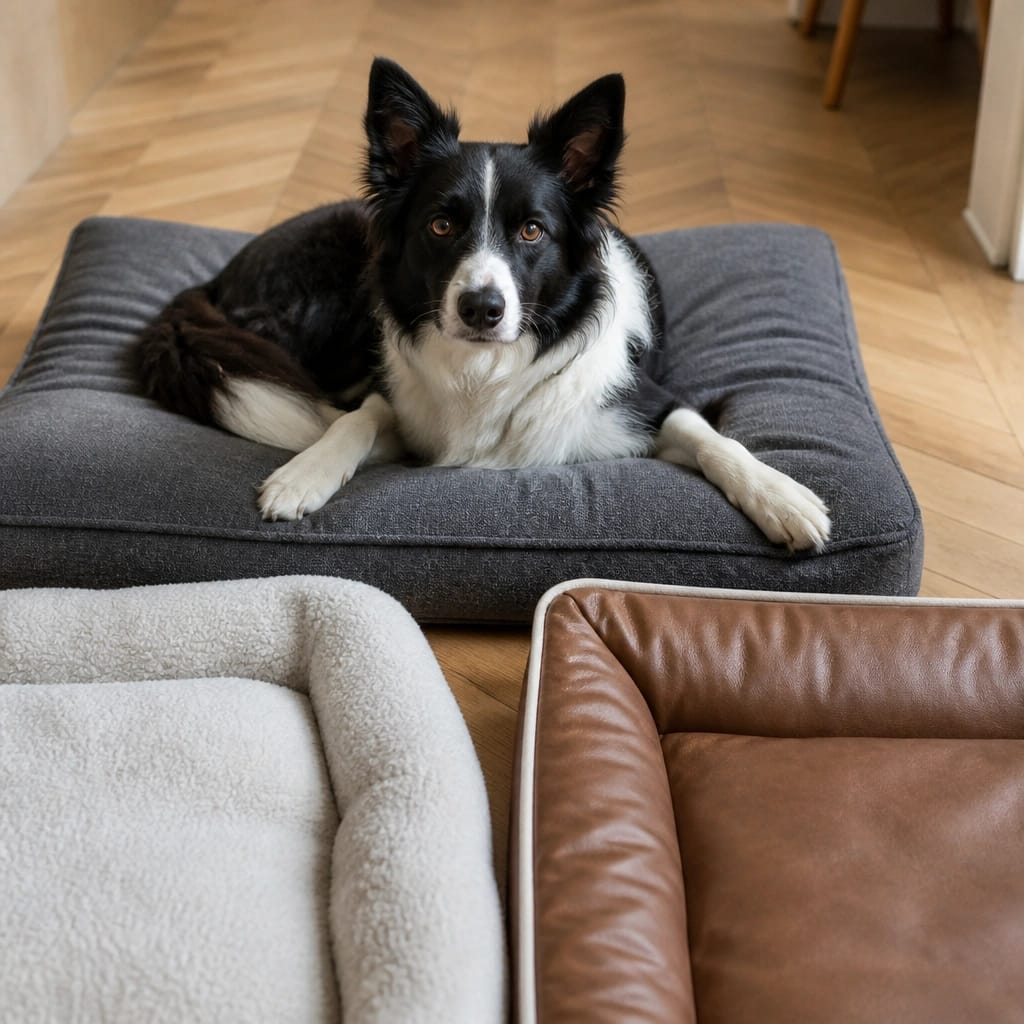
Match the surface to the dog, not the other way around. Use these quick rules.
- Curled sleeper: choose a bolster or donut bed.
- Sprawler: pick a flat mat or raised cot.
- Senior or stiff: get orthopedic foam at least 4 inches thick.
- Overheats easily: go with a cooling pad or breathable cot.
For dogs with anxiety, a cave bed with covered sides adds security. If you’re unsure where to set them up, the right spot in your home matters almost as much as the bed itself.
Step-by-Step: Choosing and Setting Up the Right Sleeping Surface
Measure your dog from nose to tail base. Add 6 to 8 inches for stretching room. Then match the bed shape to their sleep style.
Place the bed in a quiet, draft-free corner. Most beds lose support after 3 to 5 years, so check the foam for sagging. Puppies and adults need different sizing, which is why size guides by age help avoid buying the wrong thing twice.
Mistakes That Quietly Ruin Your Dog’s Rest
- Buying a bed that’s too small
- Choosing foam that’s too soft
- Ignoring temperature needs
- Skipping regular washing
- Putting the bed in a drafty or noisy area
The biggest mistake we see is matching the bed to the decor instead of the dog. If your dog’s nightly digging habit shows up on the new bed, the surface is probably too flat or too thin.
When a New Surface Isn’t the Answer: When to See a Vet
A new bed can’t fix a medical issue. If your dog limps after waking, refuses stairs, or yelps when touched, see a veterinarian first. The American Veterinary Medical Association recommends veterinary evaluation for ongoing lameness or joint pain.
If anxiety keeps your dog from settling, the surface still matters, but a behavior plan may help more. Persistent discomfort deserves a proper diagnosis, not just a softer cushion.
Keeping the Sleeping Surface Fresh, Safe, and Supportive
- Wash covers every 1 to 2 weeks
- Check foam for lumps or sagging
- Replace beds every 3 to 5 years
- Use a waterproof liner for puppies or older dogs
A clean bed is more inviting and reduces allergens. If accidents happen, cleaning accidents quickly keeps the bed usable and odor-free.
Frequently Asked Questions About Dog Sleeping Surfaces
How long does a dog bed last?
Three to five years. Replace it sooner if the foam sags or your dog avoids the bed.
Is sleeping on the floor bad for dogs?
Hard floors pressure elbows and hips. That can cause stiffness over time.
Do puppies need a firmer bed than adults?
Yes. Firm support suits growing joints. Adult dogs often prefer more cushion.
The Bottom Line: What to Do Today
Watch how your dog sleeps first. Measure from nose to tail base, then add six to eight inches.
If they scratch or dig at the bed, it’s too flat. Some dogs like a pillow for head support. If they still avoid it, check where you placed the bed.
Wash the cover regularly, and replace the foam when it sags. The American Veterinary Medical Association emphasizes sleep as core to canine health. A supportive surface makes good sleep possible.


