

What Makes a Dog Bed Truly Waterproof? (Liners Explained)
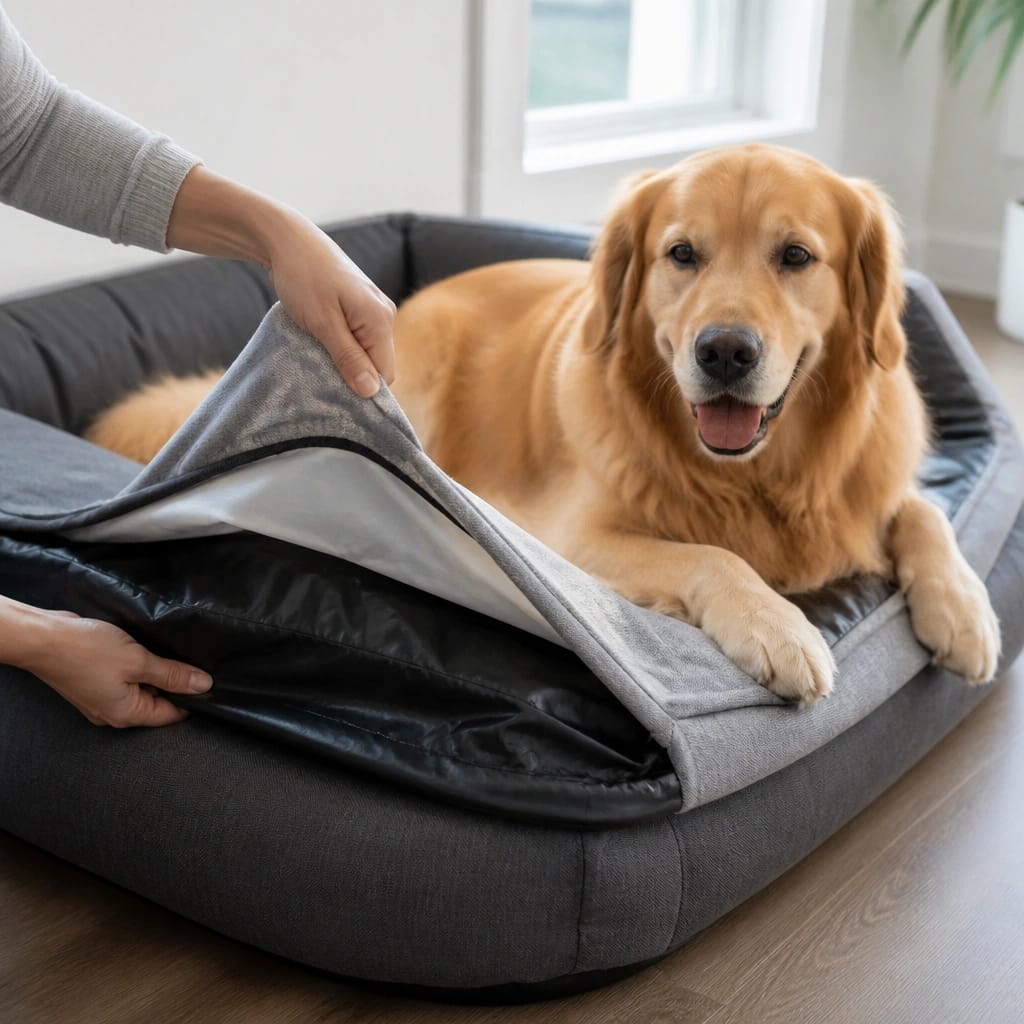
A dog bed is only truly waterproof when a continuous barrier sits between the cover and the foam. That barrier must have sealed seams, a functional zip, and a durable coating. Without those three things, liquids soak into the foam core and cause permanent odor, bacteria, and mold. The type of liner you choose determines whether the bed survives accidents, illness, or just a wet muddy dog.
If your dog’s bed smells no matter how often you wash it, the problem isn’t the cover. It’s what’s underneath the fabric. That’s the question behind *What Makes a Dog Bed Truly Waterproof?
(Liners Explained), and the answer comes down to one layer most people never think about: the liner.
Manufacturer specs and independent testing suggest that a genuinely waterproof liner needs a hydrostatic head rating of at least 5,000 mm, measured using standard hydrostatic pressure tests. Without that number, most “waterproof” beds are really just water-resistant, and the foam core is quietly soaking up moisture from day one. That distinction matters more than the brand name or the price tag.
Why “Waterproof” Means Different Things on Different Dog Beds
Marketers use “waterproof” loosely. In our research, most beds labeled waterproof are actually water-resistant covers that tolerate light moisture for a short time. A truly waterproof product stops liquid from reaching the foam, even under pressure from a dog’s weight.
The real distinction is the water column rating. A bed without a rated waterproof barrier is only protecting against spills, not against soaked fur and licking, which is why checking the construction matters. If the bed has no liner at all, the foam inside is essentially unprotected.
The Layered System: How Liner, Cover, and Foam Work Together
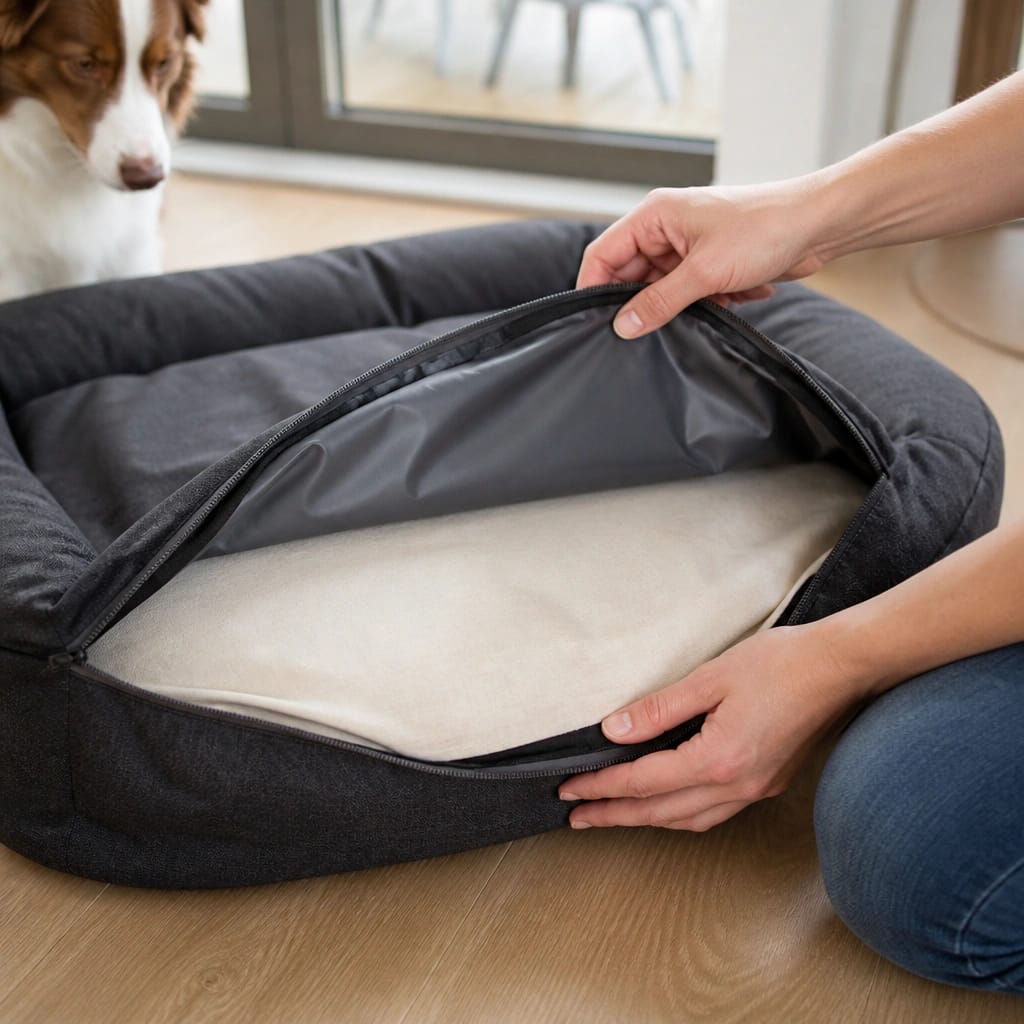
A waterproof dog bed works like a stack of three separate layers. The outer cover is the visible fabric and handles comfort and comfort against skin. The liner is the protective middle layer that stops moisture.
The foam core is the support structure that keeps your dog’s joints happy.
That middle layer is the hero. If the liner fails, every dog bed will eventually need to be stripped down, washed and replaced. A quality dog bed with a removable liner means you can toss the dirty cover in the washing machine while the liner stays intact and dry.
The Main Types of Waterproof Liners: Drop-In vs. Encasement vs. Built-In
| Liner Type | How It Works | Protection Level |
|---|---|---|
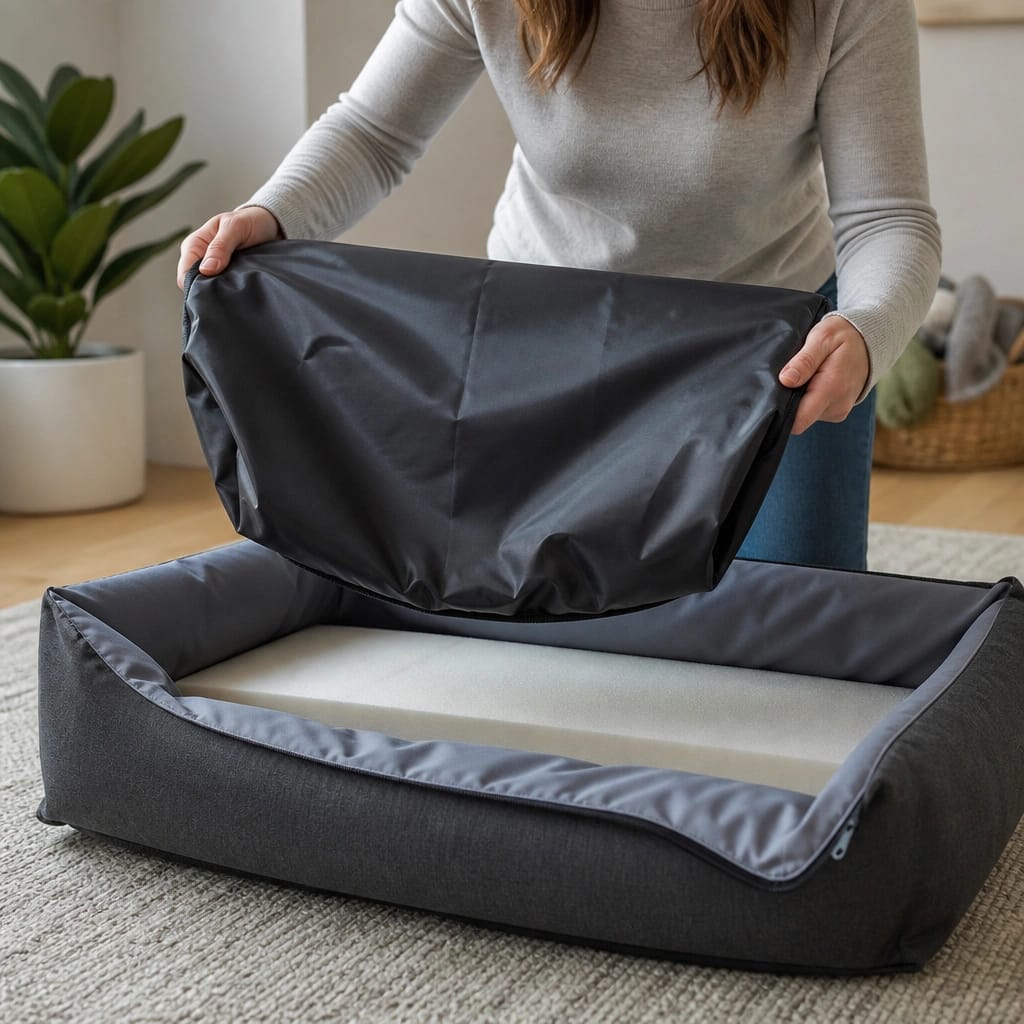
| Drop-In Liner | A flat waterproof sheet that sits over the foam, under the cover | Good for urine accidents, less stretch |
| Encasement Liner | A full wrap that seals the foam inside, often with a zipper | Best for accidents, chewing and wet fur |
| Built-In Layer | A bonded membrane inside the bed construction | Decent at first, difficult to replace |
Drop-in liners are simple and affordable. They work well for puppies still house training, since replacing a cover is quick. Encasement liners wrap entirely around the foam and protect all sides.
Built-in waterproof layers never move and are usually less expensive to produce but much harder to fix when they fail, which matters when parts start to fail. For a dog with anxiety or insecurity, the simpler forgiveness of a drop-in liner is often a good match.
Liner Materials Compared: TPU vs. PVC vs. Polyurethane
The liner material determines how long the waterproof barrier holds up. Thermoplastic polyurethane (TPU) is the modern standard. It’s flexible, quieter than older plastic layers, and it stays soft in cold weather without cracking.
PVC liners are thicker and cheaper but they stiffen or crack over time. Polyurethane coatings are common and inexpensive.
The trade-off is breathability. The best waterproofing always sacrifices airflow, which matters for senior dogs and other older animals who sleep longer. In our research, TPU liners also hold up best under a dog’s digging before they settle, which is why medical-grade liners tend to use TPU rather than PVC.
Seams and Zippers: The Weak Points That Fail First
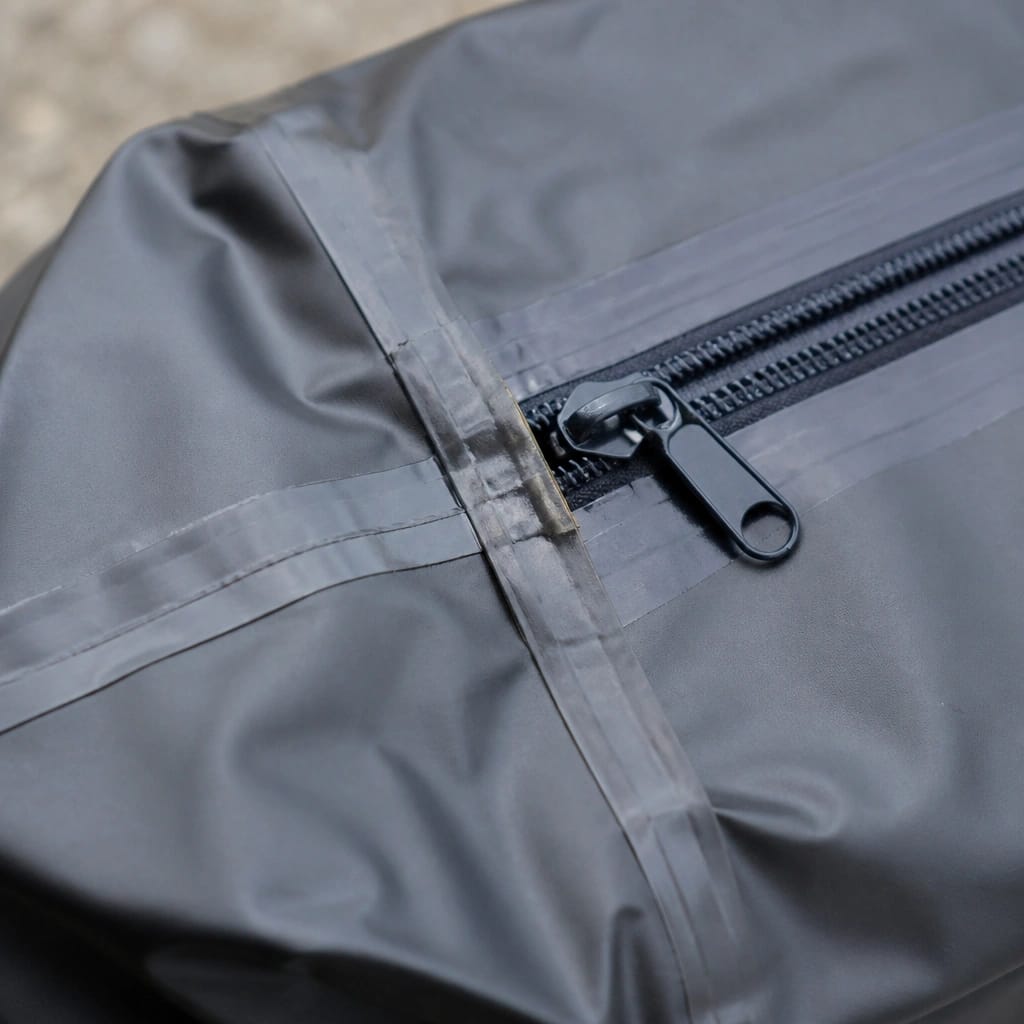
The fabric itself rarely leaks first. It’s the seams and zippers that fail. Stitched seams have needle holes that let water through unless they are taped or welded.
A liner with sewn-only edges is not waterproof, even if the material itself is rated.
Zippers are the other weak link. A covered zipper channel or an inner flap around the zip prevents leaks at the opening. If the bed uses a metal zip, it’s likely to corrode and defeat the whole barrier.
After a few washes, the zipper is the first thing to break, and once it fails, all that protection disappears.
Waterproof Liners vs. Waterproof Covers vs. Waterproof Sprays
People often confuse these three options. A waterproof cover is a single piece of treated fabric that does two jobs at once, the outer shell and the protective barrier. It’s convenient but hard to layer over a foam core.
A liner is an additional separate layer that works under any regular bed. It protects the expensive foam without changing the look or feel of the existing bed. Waterproof sprays are a quick home fix.
They coat the surface with a silicone or silicone seal but they need reapplication after every wash, and they rarely survive pressure or an individual dog’s weight.
For urine accidents and daily use, a liner wins. Sprays are best for outdoor use or travel situations where you don’t want to add weight to the storage.
Which Liner Type Fits Your Dog’s Situation Best
Puppies in the house-training stage need a replaceable washable outer cover paired with a drop-in liner. The goal is fast cleanup and minimal disruption.
Dogs with senior incontinence need encasement protection, especially if the bed is near the sleeping area or shared spaces. If you can use a larger bed for easier cleaning, a full wrap protects the foam in deeper conditions.
For dogs that chew or dig their bed before they settle, zipper flaps and thicker TPU-treated seams are a closer match. A dog that scratches around the edges will abuse the liner most, and a tight encasement zip with zero openings matters. Dogs with intense chewing might need protection beyond the liner, which is where durable materials for aggressive chewers come in.
Common Mistakes That Ruin Waterproof Liners
First mistake: trusting a “waterproof” label that doesn’t show a hydrostatic head rating. If no test standard appears, assume it is only water-resistant.
Second: washing liners in hot water with harsh detergents. Heat breaks down TPU and PVC over time, with every wash degrading the coating. Third: drying on high heat.
The manufacturer’s care label is just an instruction, not a suggestion.
Another mistake is leaving the liner wrinkled under the cover. It bunches create gaps where moisture sits. Finally, many owners remove the liner on a daily basis and forget to seal the zip flap every time.
That one small error can soak the whole foam core.
How to Test a Liner Before You Trust It
Before you place it in a brand new bed, do a simple water test at home. Spread the liner on a flat surface, add a paper towel underneath, and pour a cup of water on top. Let it sit for ten minutes, then press on the fabric with your palm and check whether the paper towel stays dry.
That test simulates the weight of a resting dog. If the water beads and rolls, the liner works. If it soaks through or beads after a few minutes, it’s only resistant at best.
Washing and Care: Keeping the Waterproof Layer Alive
Wash the liner only when it’s necessary, never after every single week. Use a mild detergent with no bleach or fabric softener and cold or warm water at any temperature. Use warm washes, always removing the liner first before the wash cycle for the outer cover.
Air drying is best, but if your machine dryer includes a low setting, you can run it on delicate. Regular checks for pinholes along the seams and zippers will extend the life of the layer. One tear from a dog’s nail is all it takes to ruin a completely waterproof product and contaminate the foam, which means the entire bed is done.
Cost Expectations and Replacement Timelines
A quality liner costs between fifteen and forty dollars depending on the material and size. Encasement-style liners cost more than drop-ins but usually last much longer.
Aggregate reviews report that a TPU liner under normal use lasts one to three years. PVC liners usually fail sooner, especially if a dog digs and lives in warmer climates. When the cover is removed and replaced, a liner should always cost less than a whole new dog bed, which is the main financial advantage to a liner at all.
Frequently Asked Questions
Can I use a waterproof mattress protector as a dog bed liner?
Yes, if it fits inside the cover. A human mattress protector works like a basic drop-in liner, though you will want to check that the seams are sealed and the size covers the full foam without gaps.
Is a waterproof cover better than a liner?
A waterproof cover combines the outer fabric and the barrier in one layer. It is simpler but harder to replace because you must replace the whole shell. A liner protects your existing bed and keeps the foam dry.
How do I know if my dog bed liner is truly waterproof?
Check for a water column rating or a seam-sealing test. In our research, a hydrostatic head of 5,000 mm or above is the baseline. If the product page is silent on the rating, expect rain.
How often should I wash a waterproof liner?
Only wash when a bed actually needs cleaning and more than just fur. A weekly wash is not needed for the liner itself, but it is fine if the liner gets soaked or a dry cover is actually stuck in the machine.
The Bottom Line: What Makes a Dog Bed Truly Waterproof
A dog bed is only as waterproof as its liner. To really keep moisture away, you need a sealed, rated barrier with a zipper that covers the entire foam core. Focus on the materials, seams, and replacement cost rather than labels and names.
If your dog is still wetting the bed, look at the total structure for the specific challenge, senior dogs, puppies and digging dogs all need something slightly different. Choose a liner that matches the problem, learn the washing routine, and the foam inside will stay dry for years.
Waterproof Liners vs. Waterproof Covers vs. Waterproof Sprays
A waterproof cover combines the outer fabric and barrier into one piece. A liner sits separately inside the bed. Sprays add a temporary coating that fades after washing.
Choose a liner for foam protection, a cover for all-in-one simplicity, and a spray only for quick fixes.
Which Liner Type Fits Your Dog’s Situation Best
Puppies need drop-in liners for fast cleanup. Senior dogs benefit from encasement liners that seal the entire foam. If your dog digs before lying down, pick a TPU liner with reinforced zippers.
When in doubt, a removable liner is the safest bet for any household.
Common Mistakes That Ruin Waterproof Liners
Washing in hot water destroys the coating. Drying on high heat causes cracking. Leaving the zipper partially open defeats the barrier.
And trusting a “waterproof” label without a water column rating often leads to a soaked foam core.
How to Test a Liner Before You Trust It
Place a paper towel under the liner. Pour a cup of water on top and press down with your palm. Wait ten minutes.
If the towel stays dry, the liner is waterproof. If it’s damp, the liner only resists light moisture.
Washing and Care: Keeping the Waterproof Layer Alive
Wash the liner only when needed, using cold water and mild detergent. Never use fabric softener or bleach. Air dry whenever possible.
Check seams monthly for pinholes. One small tear can ruin the entire barrier.
Cost Expectations and Replacement Timelines
A quality liner costs between $15 and $40 depending on the size and the sealing quality. Matching the correct dimensions to your bed is just as important. TPU liners typically last one to three years, while PVC fails sooner under frequent washing.
If the foam is already soaked, replacing the liner won’t fix the smell. You’ll need to remove the lingering odor from the bedding itself before adding a fresh barrier.
Frequently Asked Questions
How often should a dog bed liner be replaced?
Replace a liner once you notice pinholes, cracks, or peeling along the seams. Most TPU liners survive dozens of wash cycles. PVC tends to degrade much earlier.
Can I use a waterproof cover without a liner?
You can, but the cover becomes the only protective layer. When it wears out, the foam gets exposed. A separate liner adds a critical second layer of safety.
Do waterproof liners need special washing?
Yes. Always use cold water and mild detergent. Avoid fabric softeners and high heat.
The drying cycle is what damages the plastic coating the fastest.
The Bottom Line: What Makes a Dog Bed Truly Waterproof
A bed is only truly waterproof when a sealed TPU liner with sealed seams sits between the cover and the foam. Check for a hydrostatic pressure rating of at least 5,000 mm, per the ISO 811 hydrostatic pressure test. That number confirms the barrier can handle a resting dog.
Choose a liner that matches your dog’s habits. For a durable setup that resists chewing and digging, look for tougher TPU. Skip sprays and single-layer covers.
Protect the foam, and the bed will last years longer.


