

How Long Do Dogs Usually Use the Same Bed?
A well‑made dog bed with solid foam and a durable cover usually holds up for 12 to 36 months of regular use. Beds with cheap polyfill or weak seams tend to flatten or tear much faster. The biggest factors are your dog’s chewing habits, their size, the bed’s materials, and how often you wash it.
Most dog owners ask themselves this question a few months after bringing home a new bed. The simple truth is that how long dogs usually use the same bed depends on three things: your dog, the bed itself, and how you care for it. There is no single magic number, but most quality beds last somewhere between one and three years.
Manufacturer specifications for foam beds typically rate them for 12 to 36 months of daily use. That range is broad because one dog might sleep gently on a reinforced memory foam mattress while another chews through a polyfill cushion in two weeks. The rest of this article walks through the specific variables that push a bed toward the short end or the long end of that lifespan, so you can get the most out of your purchase.
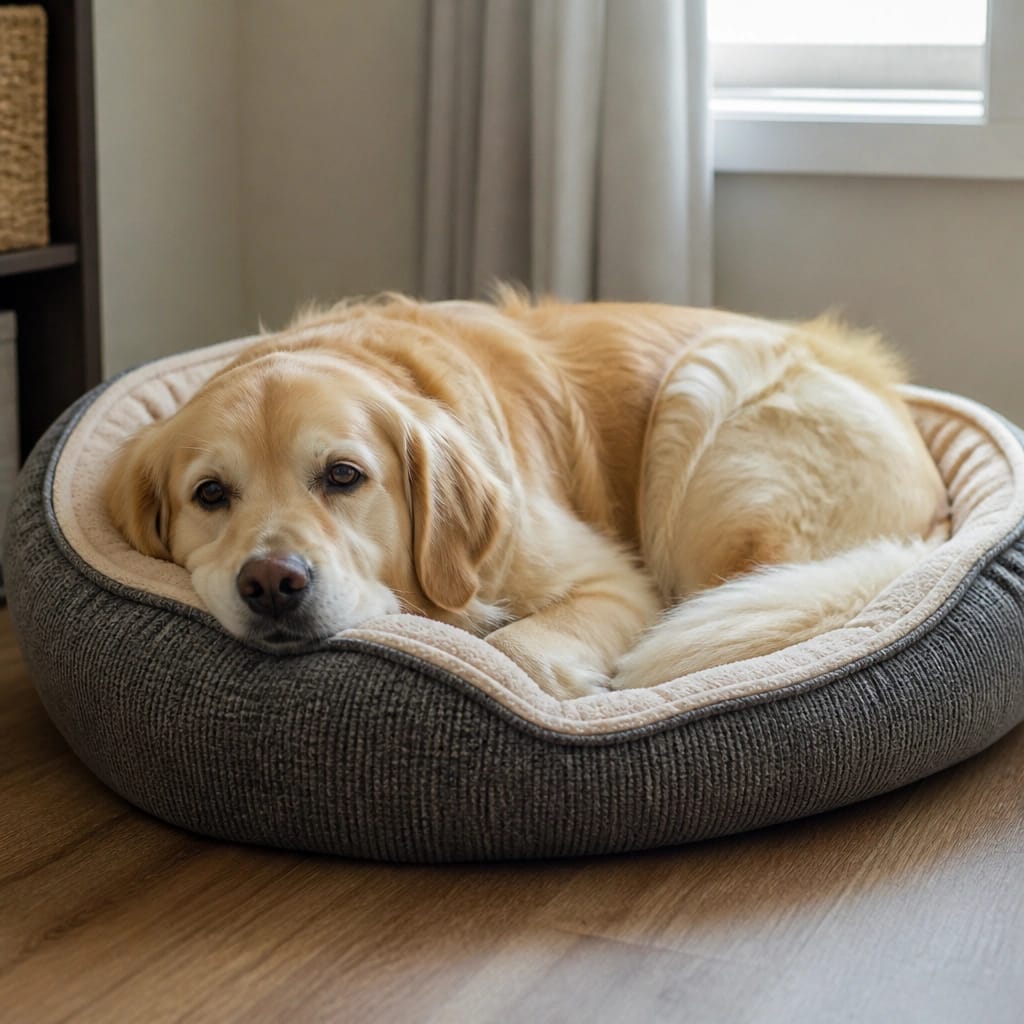
Why the Lifespan Varies So Much from One Dog to Another
Not every dog treats a bed the same way. A calm senior Labrador might sleep soundly on the same orthopedic bed for three years. A teething puppy with a love for digging can flatten a cheap cushion in a few weeks.
The key variables break down into three groups:
- Dog factors: age, weight, chewing behavior, scratching habits, and whether they sleep in one spot or move around all night.
- Bed factors: foam density, cover fabric, seam strength, and whether the bed has a waterproof liner.
- Care factors: washing frequency, drying method, and whether the bed stays indoors or goes outside.
Understanding these allows you to predict how long a specific bed will last for your specific dog. It also helps you choose the right bed from the start. For example, a heavy chewer should look into chew‑resistant options before buying anything with exposed seams.

Step 1: Check Your Dog’s Age and Growth Stage
A growing puppy will outgrow a bed long before it wears out. Most medium and large breeds reach their adult size between 12 and 18 months. That means the cute little bed you bought at eight weeks will be too small by their first birthday.
For puppies, follow proper bed sizing guidelines so you do not waste money on a bed they will only use for a few months. Many owners find it smarter to buy an adult‑sized bed early and let the puppy grow into it (just avoid ones with high bolsters that a small pup cannot climb over).
Senior dogs, on the other hand, tend to keep the same bed for longer because they are less active and less destructive. The bed’s foam may wear out from body weight compression, but the cover usually stays intact unless there is an incontinence issue.
Step 2: Assess Your Dog’s Chewing and Digging Habits
Dogs that scratch, dig, or chew their bedding are the number‑one reason beds get replaced early. If your dog circles and scratches before lying down, that is normal nesting behavior. But if they bite the corners or rip open the cover, the bed’s lifespan can shrink to a few weeks.
Understanding why dogs dig or scratch at their bed can help you decide whether to replace the cover, switch to a tougher fabric, or simply accept a shorter lifespan. Heavy chewers need beds made from chew‑proof materials like ballistic nylon or reinforced canvas. Standard fleece or microfiber covers will not survive a determined chewer.
If your dog licks or chews their bed excessively, it could be a sign of anxiety or boredom rather than a material problem. Addressing the root cause might extend the bed’s life more than buying a tougher bed would.
Step 3: Evaluate the Bed’s Material and Construction
The biggest predictor of a bed’s longevity is what it is made of. Memory foam beds with a density of 2, 4 pounds per cubic foot hold their shape for years. Polyfill beds flatten much faster, sometimes within six months for a heavy dog.
The cover and seams matter just as much. A zipper that breaks after the first wash makes the whole bed useless, even if the inner foam is still good. Look for reinforced seams and heavy‑duty zippers that can handle repeated removal and washing.
Certified foam from programs like CertiPUR‑US ensures the foam will not break down into dust or off‑gas harmful chemicals, which is especially important for dogs with allergies or respiratory issues.

The internal layers of a quality dog bed: memory foam core, waterproof liner, and removable cover.
A waterproof liner is a smart investment if your dog has accidents or drools heavily. Without one, moisture seeps into the foam and causes odor and deterioration that force an early replacement.
Step 4: Look at How Often You Wash and Maintain the Bed
Washing is good for hygiene but hard on a bed. Frequent machine washing breaks down fabric fibers and weakens zippers over time. A bed washed every week might need replacing a year sooner than one washed every two to three weeks.
Follow the care instructions on the tag. Remove the cover and wash it in cold water on a gentle cycle. Tumble dry on low heat or air dry.
High heat shrinks covers and damages foam.
Replace the foam core if it starts tearing during washing. A quality bed lets you replace the cover separately instead of throwing the whole thing away. That alone can double how long a bed stays useful.
Decision Guide: When to Replace vs. When to Keep

| Condition | Replace | Keep |
|---|---|---|
| Foam is flattened by more than half its original thickness | ✓ | |
| Cover has small tear but foam is fine | ✓ (patch or replace cover only) | |
| Bed smells musty even after washing | ✓ | |
| Dog has room to stretch and foam still bounces back | ✓ | |
| Dog has outgrown the bed size | ✓ | |
| Zipper is broken and cannot be replaced | ✓ |
A flattened foam bed loses its ability to support joints properly. That matters more for senior dogs or breeds prone to hip and elbow issues. If you are unsure, press your hand into the center of the bed.
If your hand leaves a permanent dent, the foam is spent.
The easiest tip is to rotate the bed every few weeks. This spreads wear evenly and prevents one side from flattening ahead of the rest.
Common Mistakes That Shorten a Dog Bed’s Life
The biggest mistake is skipping the waterproof liner. Moisture from drool, spills, or accidents seeps into the foam and causes it to break down from the inside. Once foam starts smelling sour, no amount of cleaning fixes it.
Another common error is buying a bed that is too small. A dog that curls up on a tiny bed puts all their weight on a small area of foam. That concentrated pressure accelerates flattening.
Give your dog room to stretch out.
Using harsh detergents or bleach also shortens fabric life. Stick to mild, pet-safe detergent. Avoid fabric softener because it coats the fibers and reduces breathability.
What to Do If Your Dog Keeps Destroying Beds
Some dogs are relentless chewers. If your dog has destroyed two or three beds, stop buying cheaper replacements. The money you save upfront costs more in the long run.
Switch to a bed made from chew-proof materials like ballistic nylon or heavy canvas. These fabrics resist punctures much better than fleece or microfiber. Look for double-stitched seams and a zipper that tucks into a flap so the dog cannot access it.
Addressing the root cause helps too. If the behavior is anxiety-related, a bed designed for dogs with anxiety or noise phobia might provide the security they need. If it is boredom, add more exercise and mental stimulation during the day.
For extreme chewers, some owners use a chew-proof crate mat instead of a plush bed. These are less comfortable but last much longer until the chewing phase passes.
How to Make Any Dog Bed Last Longer
Place the bed in a low-traffic area where the dog feels safe. Constant stepping over or bumping into the bed by household members speeds up wear. Dogs also sleep more soundly in quiet corners, which means less tossing and scratching.
Vacuum the bed weekly to remove hair, dirt, and dander. Grit acts like sandpaper on fabric fibers. Regular vacuuming keeps the cover from wearing thin.
Wash the cover separately from the foam core. Never machine wash solid foam beds. The agitation breaks apart the foam structure.
Instead, spot clean the foam and wash only the removable cover.
Finally, consider the best placement for your dog’s bed in your home. A spot away from direct sunlight prevents fabric fading and foam degradation from UV exposure.
When a Puppy Bed No Longer Fits: Signs and Timing
Watch for these clear signals. Your puppy’s bed is too small when they hang off the edges, sleep curled in a tight ball, or scoot the bed around the room trying to get comfortable.
Most puppies need a size upgrade between 6 and 18 months. Medium and large breeds grow fastest during this window. A bed that fit perfectly at 10 weeks can look comically small by month eight.
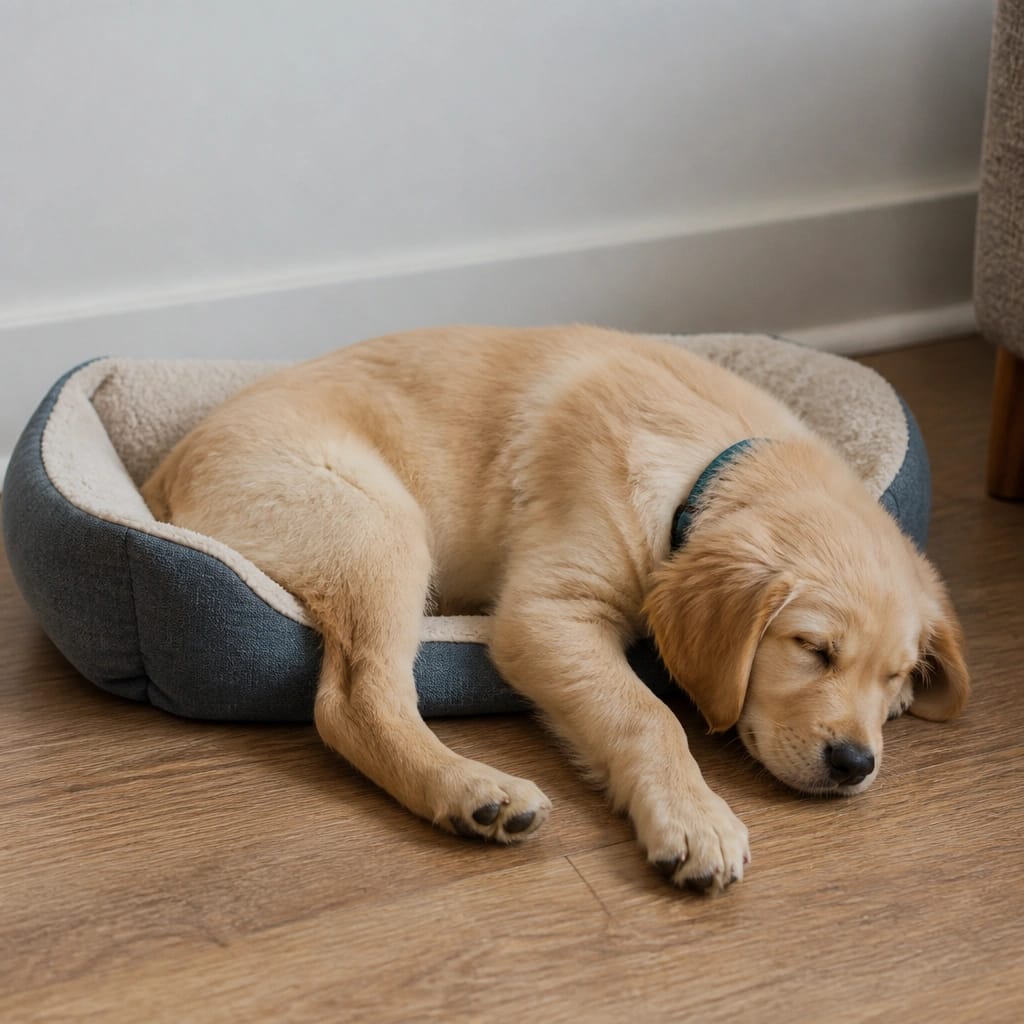
Measure your puppy nose to tail while they sleep stretched out. Add six to eight inches. That is the minimum bed length they need.
Buying an adult-sized bed early saves you from buying three beds during the first year. Just avoid high bolsters until they are big enough to climb over them easily.
Still Not Sure? Here’s a Simple Rule of Thumb
When in doubt, run the hand test. Press your palm firmly into the center of the bed. Hold for five seconds.
Lift your hand. If the dent stays, the foam is done.
When in doubt, do the sniff test. If the bed smells sour or musty after a wash, the foam has absorbed moisture and needs replacing.
When in doubt, watch the dog. Dogs that avoid their bed, sleep on the floor instead, or keep readjusting are telling you the bed has lost its comfort.
Frequently Asked Questions
How often should I replace my dog’s bed?
Most beds last one to three years with regular use. Replace it when the foam no longer bounces back, the cover has holes, or the bed smells despite cleaning.
How do I know when the foam is worn out?
Press your hand into the center of the bed for five seconds. If a permanent dent remains, the foam has lost its support and should be replaced.
Can I just replace the cover instead of the whole bed?
Yes, if the foam is still in good shape. Many brands sell replacement covers. This option is much cheaper and extends the bed’s life.
Why does my dog’s bed smell even after washing?
The smell comes from the foam core, not the cover. Moisture and bacteria seep through the liner over time. A waterproof liner prevents this problem from the start.
Is it worth buying a more expensive bed?
Usually yes. Higher-density foam and reinforced covers last two to three times longer than budget options. You end up spending less over the long run.
When should I size up instead of replace?
If the bed is still in good condition but your puppy has grown, buy a larger bed. Pass the old one to a smaller dog or donate it.


