

How to Prevent Fleas and Mites in a Dog Bed
Wash the cover on the hottest setting. Dry it on high heat for at least 30 minutes. Vacuum the seams and crevices every week.
Treat the dog and the home at the same time. This stops fleas and mites from settling in.
If your dog is scratching more than usual, they might be sharing their bed with something tiny. Fleas and mites love the warm, dark corners inside a dog bed. How to prevent fleas and mites in a dog bed comes down to a simple weekly routine: wash, dry, vacuum, repeat.
Washing at 60°C and drying on high heat are the key benchmarks. As of 2026, those two steps still make the biggest dent in the flea lifecycle. The secret is consistency.
Here’s how to stay ahead.
First, Figure Out If You’re Dealing with Fleas or Mites
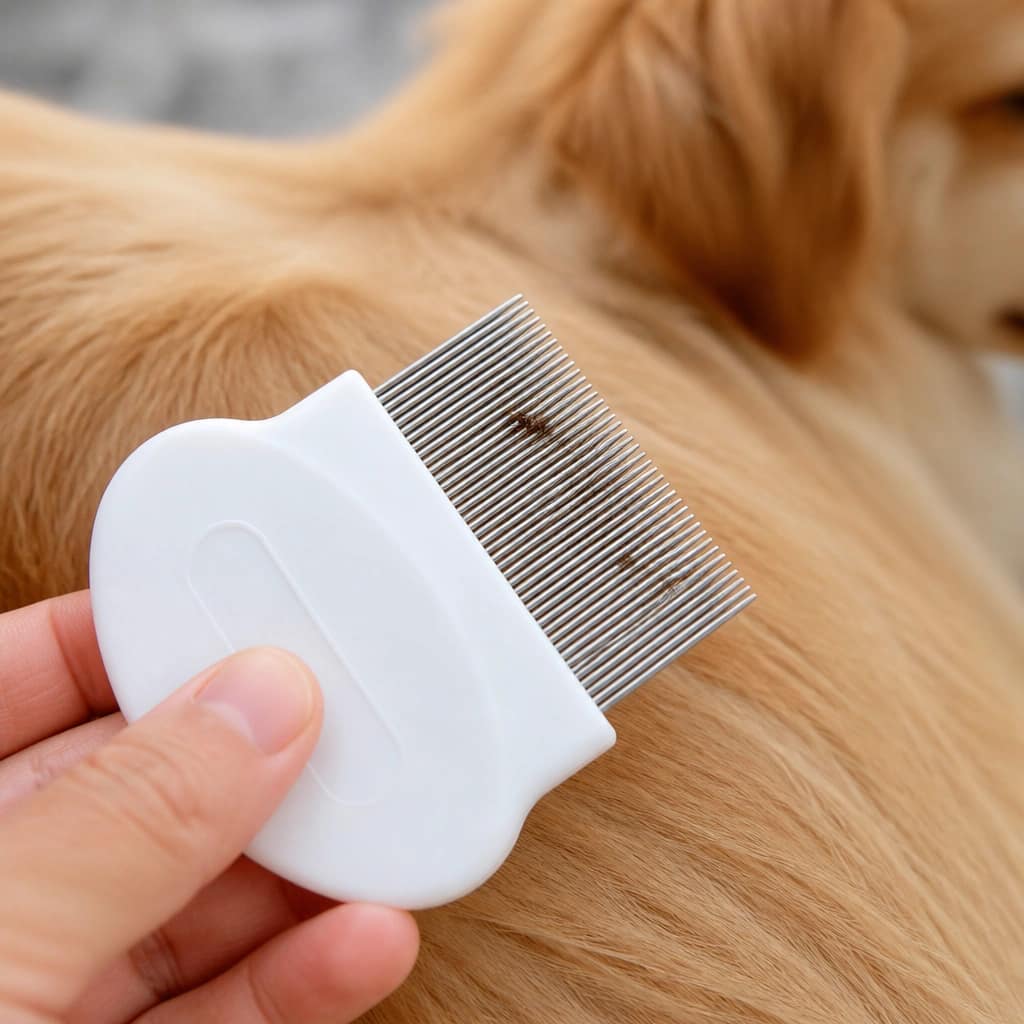
Start by checking for fleas first. Run a flea comb through the bed’s folds. Look for dark, pepper-like specks.
Press them onto a wet paper towel. If the water around them turns rust-colored, that’s flea dirt. Flea dirt means fleas.
Mites are microscopic. You won’t find them on a comb. Instead, watch the dog.
Intense scratching, red patches, hair thinning, or tiny scabs point toward mites. If you see no flea dirt but the itching continues, mites are a real possibility. A quick vet check confirms it.
What Actually Kills Fleas and Mites in Dog Bedding
Here’s the short version: heat kills, and removal clears what heat can’t reach.
Washing bedding above 60°C kills eggs, larvae, and mites. Drying on high heat for at least 30 minutes takes care of adults and anything that survives the wash. Skip the dryer and you leave the door open.
Vacuuming matters too. It grabs eggs hiding in seams and zippers. For the room around the bed, use EPA-registered pest control products once the label allows.
The goal is simple: make every surface too hostile for fleas or mites to survive.

The Step-by-Step Prevention Workflow
Remove the Cover and Strip the Bed
Unzip the cover and remove any liner. If it’s all one piece, flip it flat and shake it outside. That clears loose debris before water reaches the fabric.
Vacuum Crevices, Seams, and Surrounding Floors
Use a crevice tool along every seam, stitch, and zipper. Go over the floor, baseboards, and nearby rugs. Don’t forget the corners where eggs love to collect.
Wash the Bed in Hot Water
Wash the cover on the hottest setting. Don’t overload the machine. Use a normal detergent.
If the fabric can’t handle heat, consider replacing it with a more washable bed.
Dry on High Heat
Dry on high heat for at least 30 minutes. This is the step that actually breaks the lifecycle. Low heat or air drying often leaves survivors.
Treat the Dog and the Room, Not Just the Bed
A clean bed won’t stay clean if the dog still carries fleas. Give the dog a veterinary-recommended treatment. Treat the carpets, rugs, and fabric furniture nearby.
For mites, you usually need a vet-approved plan. Do both at the same time, or you’ll rinse and repeat.
How Often to Wash the Dog Bed Based on Your Situation
Right frequency depends on your environment. If fleas are active in your area, wash every week. If your dog goes outside a lot, weekly is the standard.
If you’re fighting an active flea problem, wash every three to four days for two or three weeks.
For indoor-only dogs in cooler months, every two weeks is usually enough. During warm weather, stay on a weekly rhythm.
Where you put the bed matters too. A spot that’s easy to keep clean helps. The right location can make cleaning the area simpler, especially near floors you vacuum often.
Choosing a Bed That’s Easier to Keep Pest-Free
Some beds make this fight much easier. The biggest factor is a removable, washable cover. A waterproof lining adds even more protection.
Look for tight fabric and simple construction. Avoid dense tufting or raised quilting that creates hiding spots. Check whether the edges and bolsters unzip or come off.
If your dog’s digging instincts make fabric rough on a bed, choose a sturdier weave. And make sure the bed size still fits the machine you own. The easier it is to wash, the more likely you’ll keep it up.
Even with the right bed, small slip-ups invite pests back. Here’s what trips up most owners.
Common Mistakes That Invite Fleas and Mites Back
Skipping the dryer is the biggest one. Air drying won’t reach the heat needed to kill eggs and mites.
Treating the bed but not the dog also fails. Fleas hop right back within hours.
Other common mistakes include:
- Washing on cold or warm settings that can’t kill eggs.
- Forgetting to vacuum the floor, rugs, and baseboards.
- Using harsh chemicals that irritate your dog’s skin.
- Waiting until fleas are visible. By then, eggs are everywhere.
Consistency beats intensity. One thorough wash every week works better than a deep clean once a month.
When to Call the Vet
Home washing solves most pest problems. It won’t fix a mite infestation that’s already on your dog.
Call a vet if you see intense scratching, red sores, hair loss, or crusty patches. If your dog seems restless or develops hot spots, don’t wait. Mites like scabies and Demodex need specific treatment.
Puppies, senior dogs, and pregnant dogs are more vulnerable. A sudden flea bite allergy can also turn into a skin infection. Your vet can confirm the culprit and prescribe the right treatment.
That stops the cycle at the source.
Frequently Asked Questions
How often should I wash my dog’s bed to prevent fleas?
Wash once a week during flea season. In cooler months, every two weeks works for most indoor dogs. If you’re fighting an active infestation, wash every three to four days until the house is clear.
Can fleas and mites live in dog beds?
Yes. Flea eggs and larvae hide deep in fabric seams. Mites survive in bedding too, especially when the house stays warm and humid.
That’s why heat washing and thorough drying matter so much.
Does baking soda kill fleas in dog bedding?
Baking soda can help deodorize, but it won’t reliably kill fleas or mites. It’s not a substitute for hot washing and high-heat drying. Stick with proven methods like heat and vacuuming.
What temperature kills fleas and their eggs?
Washing at 60°C kills adult fleas, larvae, and eggs. Drying on high heat for at least 30 minutes provides a second safety pass. Check the bed’s care label to confirm it can handle those temperatures.
Do I need to throw away the bed if my dog had fleas?
Usually not. A thorough hot wash and a long cycle in the dryer will clear most beds. Only replace one that has torn fabric, peeling waterproof lining, or deep crevices you can’t clean properly.
The Bottom Line
Preventing fleas and mites in a dog bed comes down to three things: heat, vacuuming, and consistency. Wash the bed hot, dry it thoroughly, and don’t forget the room around it.
Treat the dog at the same time, or you’re just running in circles. Choose a bed with a removable cover so the routine stays easy. Do that weekly, and you’ll stay ahead of the problem.


