

Why Some Dogs Prefer Soft Beds Over the Floor
Some dogs choose soft beds for warmth and joint support. Others pick the floor because it stays cooler. Your dog might also act on instinct. Watch when they sleep and how they move. That tells you the real reason.
The question of why some dogs prefer soft beds over the floor comes up when yours keeps choosing cold tile over a plush cushion. That decision isn’t a rejection, and it isn’t random. It’s usually a clue about your dog’s joints, temperature, age, or deeply ingrained habit.
The answer changes with every dog. As of 2026, veterinary guidelines emphasize that a sleeping surface should match the individual dog’s physical condition and living space. The floor might be a favorite spot for comfort reasons, while a bed might feel wrong because of heat, insecurity, or just a personal quirk.
Let’s walk through what each behavior means and how to read your dog’s real message.
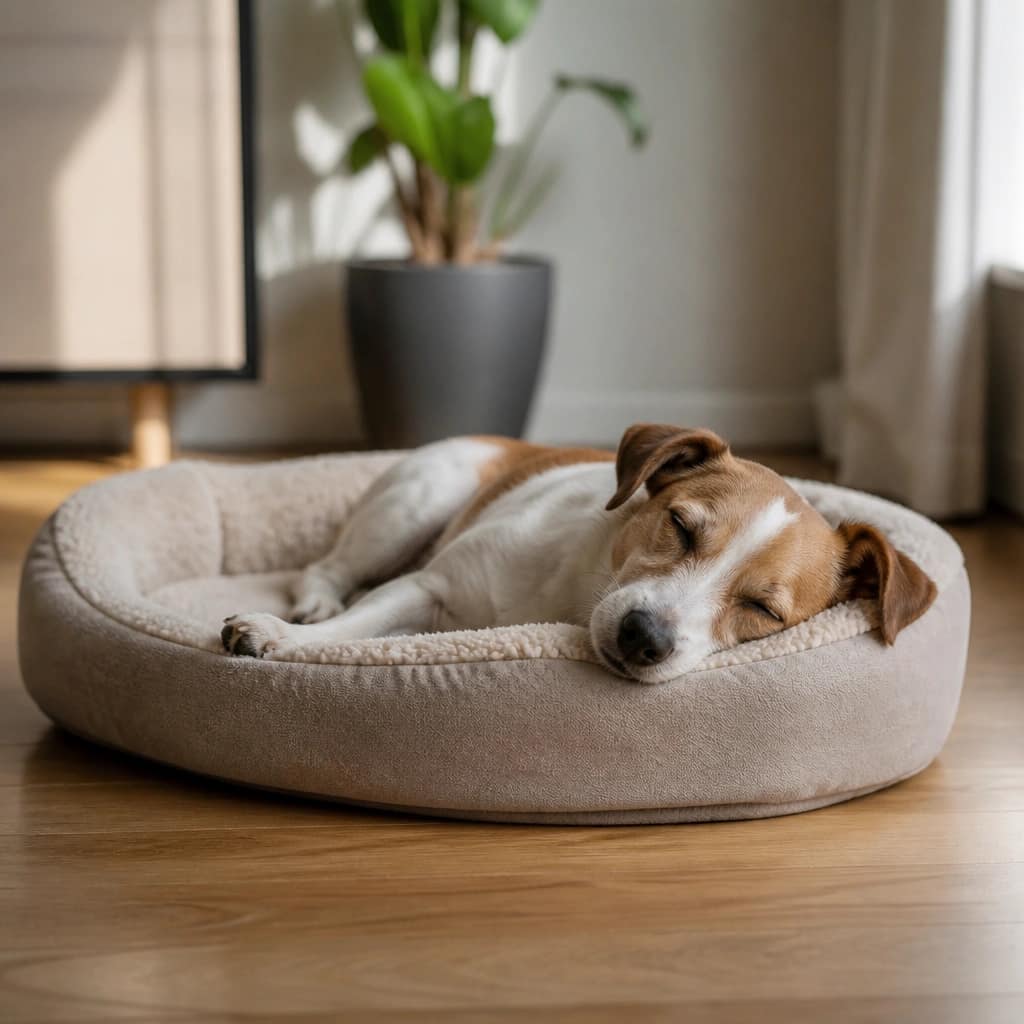
What Actually Drives a Dog’s Sleeping Surface Preference
Dogs think in terms of comfort and survival, not style. When you see a dog pass on a big cushioned bed, it’s usually making a smart decision based on body temperature, pain, or security. Soft beds hold warmth, which feels great on a cold night but miserable when the house feels warm.
The floor, meanwhile, stays cooler, especially on tile or hardwood.
The floor also feels more exposed. Some dogs settle there because they can feel a draft or because they learned to avoid being disturbed. Dogs with anxiety often prefer a hard, cool spot near their human.
Your dog isn’t stubborn. It’s just following its own comfort checklist.
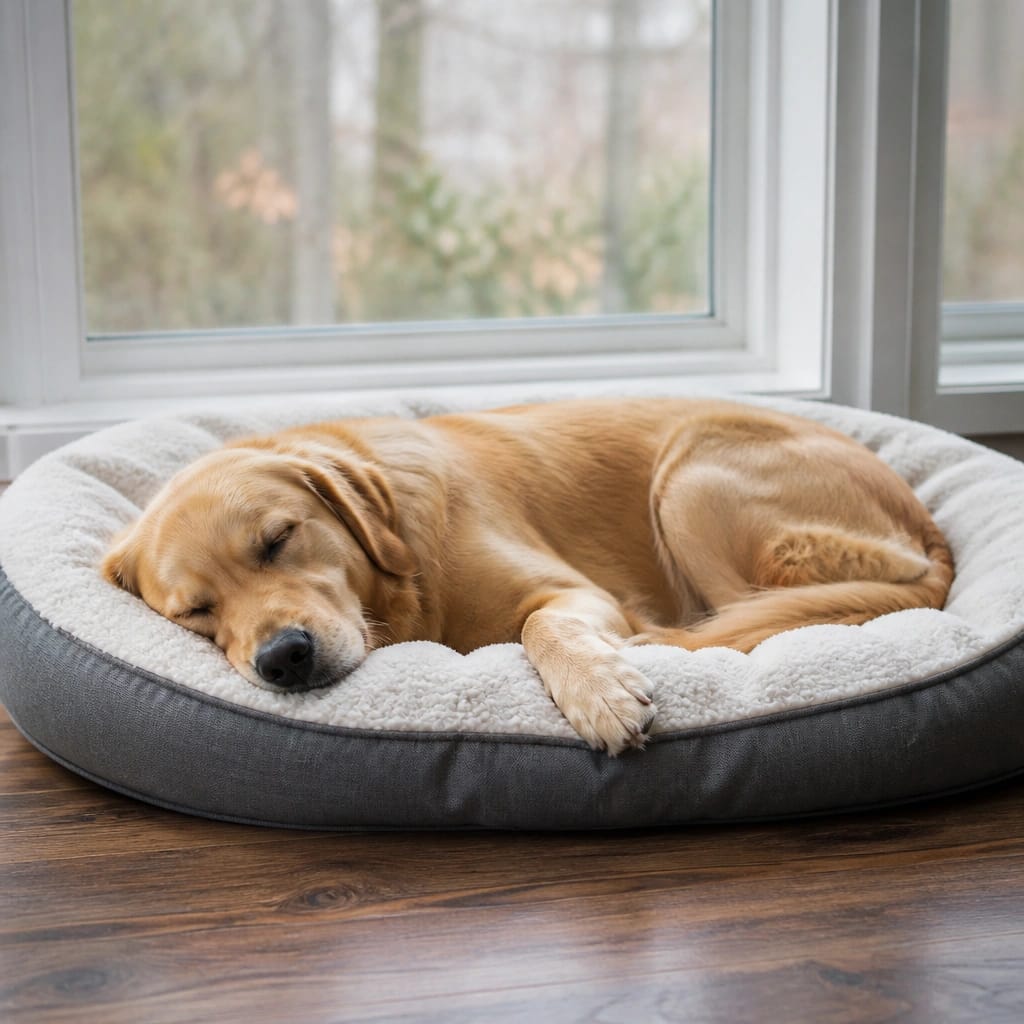
Why Soft Beds Feel Right for Many Dogs
Memory foam and thick foam layers help spread body weight evenly. That takes pressure off hips, shoulders, and elbows. Older dogs, especially, look for a firm yet padded surface to ease aching joints.
Our research and veterinary guidance from the AVMA suggest that beds with pressure relief can improve sleep quality for dogs with arthritis.
Soft beds also trap body heat and make a safe, nest-like space. Many dogs with a strong burrowing instinct will pick padding they can push around. That’s why some dogs genuinely prefer a deep, plush bed over anything else.
Why Hard Floors Stay Appealing for Others
A floor gives cool relief when your dog overheats quickly. Breeds with thick coats or heavy bodies often choose tile or wood after exercise. The hard surface helps drop their temperature.
Elderly or weak dogs may avoid a soft bed because getting back up from a high cushion takes effort. The floor feels easier to stand on.
An uncomfortable or too-small bed might also cause refusal. If a bed is too warm, too slippery, or lacks support, the dog simply moves to the floor. The floor is not a surface preference, sometimes it’s a symptom.
Check the bed, not the dog.
The Decision Tree: Work Through These Four Key Conditions
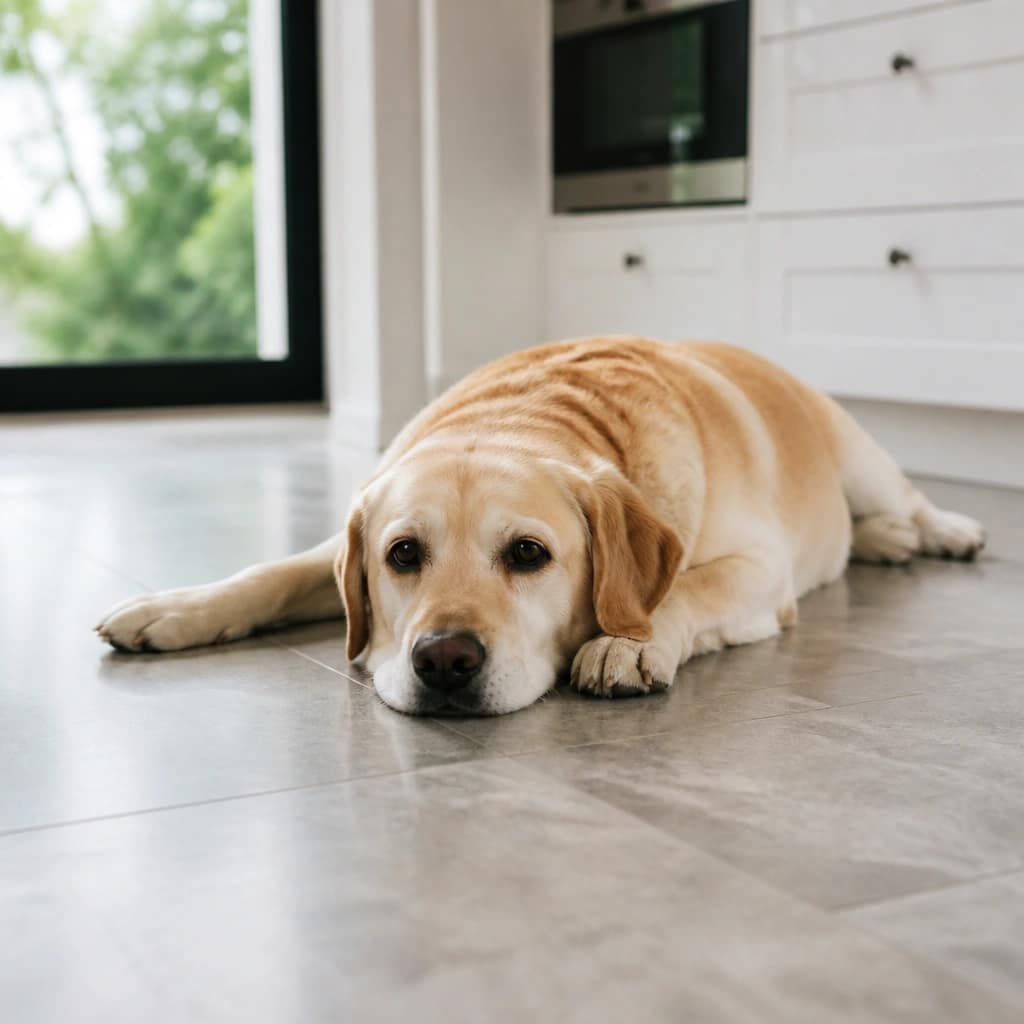
Follow these four conditions in order. Your dog’s behavior likely matches one of them. Be honest about your answers.
Is Your Dog Stiff, Slowing Down, or Managing Joint Pain?
First, watch your dog get up from a nap. If they move slowly, grunt when standing, or hesitate to climb onto a soft cushion, you might be seeing joint discomfort. Dogs with arthritis often avoid a soft, collapsing bed because it makes rising harder.
They want a firm, level surface where they can push up easily.
Your dog may still like soft bedding for sleeping all night, but feel safer on the floor for rest. If you notice stiffness, talk to your vet about pain management. A supportive soft bed with a firmer foam base can help ease pressure without making standing difficult.
Don’t leave this one alone if a senior dog avoids their bed.
Does Your Dog Seem Cold, Especially in Winter?
If your dog curls into a tight circle with their tail over their nose, they’re trying to stay warm, often on a floor. In winter, they may shiver or stay under blankets. A cold dog will pick a source of warmth, often your blankets or a patch of sun.
They might refuse a soft bed in a drafty room because of cold drafts.
Place a warm, plush bed in a sheltered spot away from drafts. Some dogs also feel less heat loss through a floor than a fabric bed. If your dog seeks warmth, a cave-style or cozy donut bed can give that enveloped feeling.
Does It Depend on What Kind of Floor You Have?
Imagine a dog on a thick carpet: the floor may feel relatively soft and cool. On bare concrete, it’s cold and hard. Some dogs like variety.
They’ll use a soft bed in the morning and the floor at night. That’s common with thick-coated breeds who use the floor to cool off after heat.
Your usual floor material matters. A non-slip, flat mat can be a happy middle ground. If the house has tile and wood, try a cooler bed surface when they sleep.
Also consider achieving a balance for summer heat.
Does Your Dog Nest, Circle, or Burrow Before Lying Down?
Watch for behaviors like scratching, digging, and circling before lying on the floor. This strongly hints at instinct. Some dogs shred blankets or paw at their bed before rest, just like their wild relatives do.
The action helps them shape a comfortable, safe resting spot. When a dog does this on the hard floor, they may want a soft surface they can mold around them.
A bolster bed or one they can burrow into usually satisfies this urge earlier than flat floors. If they ignore the bed but dig at the floor, it’s not that the floor is desirable. It’s that something about their bed is wrong, too warm, too small, or too flat.
How to Test Which Variable Matters Most
Set up a simple at-home experiment. Try a thick, firm memory foam bed in a quiet room for a few days. Then place a flat padded mat in a different corner.
Change only one thing at a time: location, thickness, or cover. Watch which one your dog picks.
Use your hands to judge firmness. Press down on the bed. It should give slightly, but not to the floor.
If your dog jumps on and immediately shakes it off, check the size. See our dog bed size chart by weight to match for proper support. A too-small bed can be the exact reason your dog sleeps on the floor.
Helping Your Dog Shift From Floor to Soft Bed
Start by placing the bed somewhere they already love. Your dog may avoid a bed that sits in a high-traffic path. Make it feel safe.
Add a worn t-shirt that smells like you. Place a treat or toy nearby. Encourage a “settle” command, then reward them when they lie there.
Never force them onto the bed.
Some dogs need a slower approach. For an older dog with painful joints, ask the vet about pain control. If you suspect a bed is too warm, choose a cooler cover.
Keep washing the bed clean. Dogs use their nose first. A dirty bed loses all appeal.
If your dog ever chews or licks their bed, that’s a separate issue with distinct solutions, see our guide on bed chewing behavior to address it.
Choosing a Soft Bed That Matches the Real Reason
Now you know the cause. Match your choice to that cause.
- Joint pain and stiffness: Choose a flat, firm memory foam bed.
- Cold or anxious: Pick a cavelike or hooded design for a snug, cozy feel.
- Overheating: Look for a cooling gel foam breathable cover.
- Compulsive digger: Consider a flat mat that allows digging.
Also check the right size: your dog needs to stretch out fully, not curl and hang off the edges. A bed that’s oversized can trap heat, while one too small feels wrong. Measure your dog from the nose to the base of the tail and add a few inches.
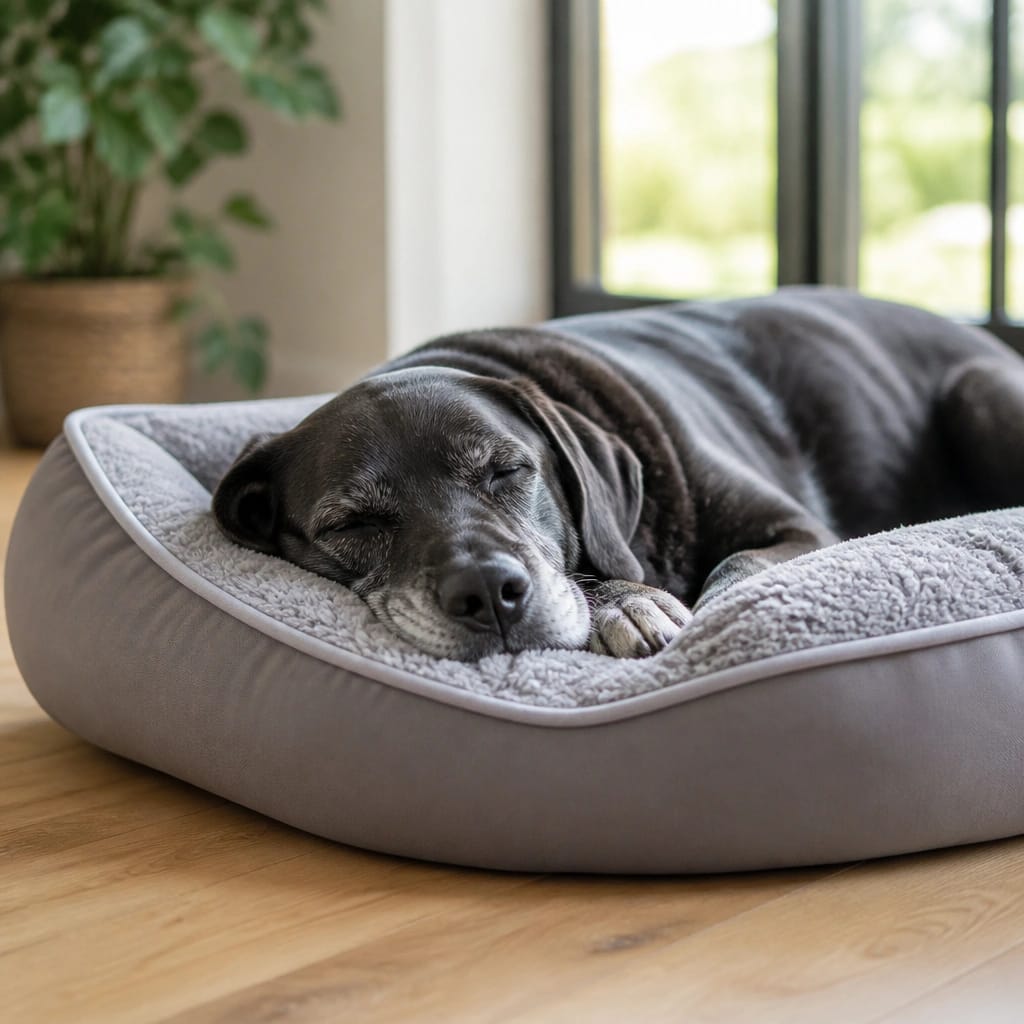
After you pick a bed, give your dog time to adjust. A new sleeping surface is a new habit, not an instant switch. If your dog still picks the floor after a week, the problem isn’t stubbornness.
It’s something about the bed itself.
Common Mistakes That Keep Dogs Sleeping on the Floor
Getting the size wrong is the most common misstep. A bed your dog can’t fully stretch in gets ignored, and an oversized one traps heat. Measure from the nose to the base of the tail.
Then add a few inches. Our age-to-size guidance makes this quick.
Firmness matters just as much. A very plush bed feels great but makes standing harder. A firm mattress may be better.
If your dog sleeps on the floor instantly, the current bed is probably too soft or too warm.
Also watch where you placed the bed. If it sits in a busy walkway or next to a loud vent, your dog will move. A quiet corner works better.
The location is just as important as the cushioning.
Don’t ignore a pain problem. Dogs with arthritis will avoid a soft surface that’s difficult to climb. They may like a flat, firmer option instead.
If your dog hesitates before getting onto any bed and moves carefully, a vet visit is worth it. Pain relief could be all that’s needed.
When the Floor Is Actually a Better Option
The floor isn’t the enemy. In some situations, it’s the right choice. Dogs with thick fur or a heavy coat can overheat on a plush bed.
The cooler floor helps them sleep through warm nights. That’s normal. A thick-coated breed’s choice might just be a temperature preference.
Dogs who are overweight or have mobility issues can also handle the floor more easily. They can push up from a flat, hard surface, but rising from a high cushion feels difficult. If they manage this way, there’s no problem.
But not every floor is safe. Bare concrete can harm joints over time. If your dog likes the floor, lay a flat, firm mat there.
A calming surface with a denser base can offer a middle path between comfort and easy standing.
Frequently Asked Questions
Why does my dog prefer the floor while ignoring their bed?
Many dogs pick the floor because it stays cooler or feels more secure. Some older dogs find a soft bed hard to climb onto. Watch when they sleep and how they settle.
That tells you if the cause is heat, pain, or habit.
Do dogs actually prefer hard surfaces over soft beds?
Some dogs like a firm floor, especially in warmer months. The hard surface cools quickly and makes standing easier. A soft bed holds heat.
Your dog may switch between the two based on the time of day or season.
Is a soft bed better for a dog with joint pain?
Soft beds can ease pressure on hips and elbows better than a hard floor. The trick is firmness. A thick, flat memory foam cushion with good support helps with pain.
For severe pain, check with your vet first.
Should I force my dog to sleep in their new bed?
Forcing a dog into a bed creates stress. It makes them avoid the bed. Instead, reward your dog when they settle.
Toss a treat and stay quiet. A calm approach works far better.
Can puppies benefit from a soft bed?
Puppies love softness because it feels safe. They also use it to regulate body heat. But a puppy may chew soft bedding.
A washable cover keeps the bed practical. Watch the puppy at first.
Final Decision Guide: What to Do Next
First, watch your dog’s behavior. Do they move slowly, choose cool floors, or dig before lying down? That single observation solves the problem.
If your dog has stiffness or signs of pain, see a vet first. Then pick a firm foam bed that’s thick enough to support them but easy to stand from.
If your dog seems comfortable on the floor, let them be. The choice is not a slight. For a healthy dog, a floor with safe flooring is fine.
But for any sign of joint discomfort, a soft yet supportive bed can make a real difference.
So the process is simple: observe first, match the bed to the real reason, and change one variable at a time. Soft beds help with joint pressure, warmth, and security. Floor preference usually comes down to heat, pain, or habit.
With the right bed, most dogs come around. If not, the floor might genuinely be the best spot for your dog.
Choosing a Soft Bed That Matches the Real Reason
Pick the bed for the underlying cause. Firm memory foam helps with joint pain. Cooling covers help dogs that overheat quickly.
A washable cover makes it practical for chewers.
Common Mistakes That Keep Dogs Sleeping on the Floor
Wrong size tops the list. Measure your dog fully stretched. Poor placement comes second.
Move the bed to a quiet corner and watch for a few days.
When the Floor Is Actually a Better Option
Some dogs simply sleep better on floors that stay cool. Thick-coated breeds and heavy dogs may overheat on plush surfaces. A flat, firm mat offers a middle ground.
Frequently Asked Questions
Why does my dog keep leaving the bed at night?
Your dog might feel too warm or the bed might be too soft to stand from. Try a cooler cover and a firmer base. See if that changes their choice.
Should I worry that my dog chooses the floor?
Sometimes it’s normal. If your dog moves slowly, shows stiffness, or avoids climbing, that’s a pain sign. Talk to your vet.
Final Decision Guide: What to Do Next
Observe how your dog settles and move. Match the bed to heat, pain, or habit. Change one variable at a time.
Teach with treats and patience. If the floor still wins, the bed needs adjusting. That process works every time.


