

Why Do Dogs Need Their Own Bed?
Why do dogs need their own bed? Actually, most owners notice that a dog with a bed settles faster and sleeps more soundly. But the reason goes beyond comfort.
The real answer involves joints, instincts, and the need for a space they can call their own.
Our research and veterinary guidance point to something simple: dogs do better with a designated resting area. As of 2026, most manufacturer sizing guides recommend choosing a bed at least 4 to 6 inches longer than the dog’s body. That one number shows why a real bed matters more than people think.
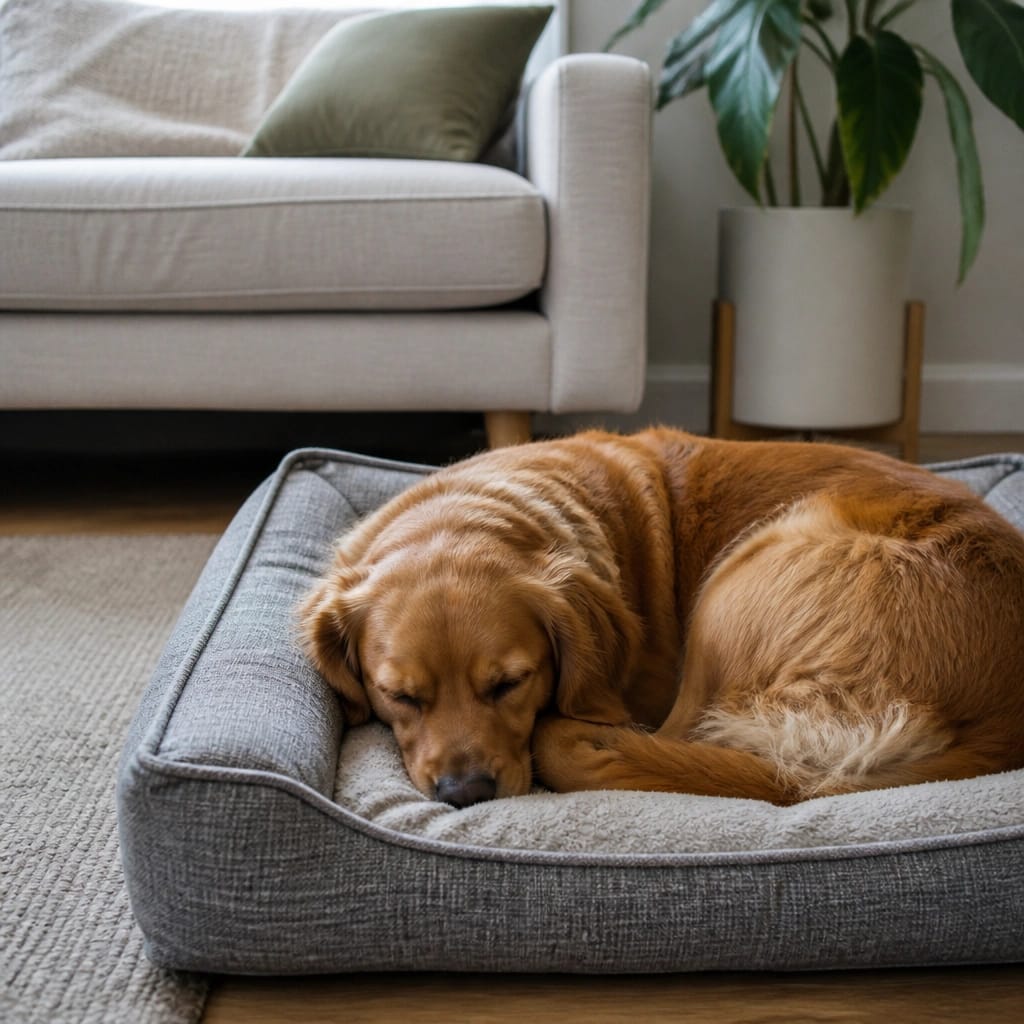
Dogs need their own bed because their bodies are sensitive to pressure and cold. A dedicated bed cushions the joints. It also provides warmth and security.
It gives them a safe space that reduces anxiety. And it protects furniture. No dog should have to sleep on the floor.
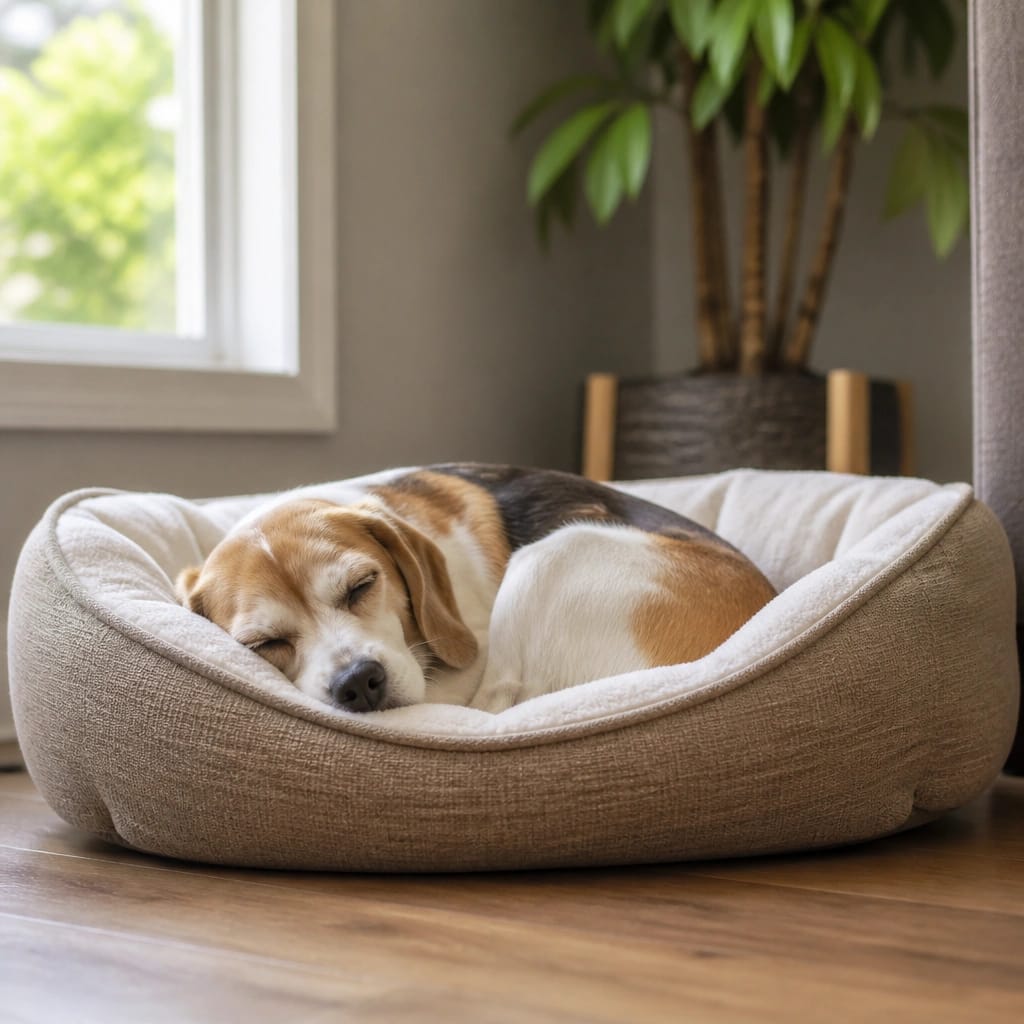
Why Sleeping on the Floor Is Harder on Dogs Than You Think
Dogs don’t have the thick natural padding many people assume. Their elbows, hips, and spine press straight into a hard floor. On tile, tile or wood, that creates pressure points that make rest less restful.
The harder the floor, the more a dog shifts around looking for a better angle.
If your dog is young, the floor may not bother them yet. If they are a senior, have joint discomfort, or just finished a long day of running, the floor can make sleep a sore experience. The fix is cushioning that spreads their weight more evenly across their body.

What a Dog Bed Actually Does for Your Dog (Beyond Comfort)
A bed acts as a cushioning layer between your dog and the ground. It reduces pressure on the joints and keeps body warmth close. It also marks territory.
Dogs have a natural denning instinct, a pull toward sheltered spaces. A bed’s raised edges form a boundary, letting them curl up without feeling exposed.
The American Kennel Club encourages a consistent resting area for good canine sleep. In our research, a dependable bed also helps with body heat retention. It keeps dogs warmer in winter and cooler on a cooling mat in summer.
A bed with raised sides can help an anxious dog feel hidden and secure. That is more than luxury. It taps into natural nesting behavior.
If you have a dog who circles or digs before sleep, a bed gives them a surface they can shape around themselves.
The 4 Factors That Decide Whether Your Dog Needs Their Own Bed
Not every dog needs a bed equally. Use these four factors to judge your own pet’s situation.
Dog’s Age and Health
Age changes the answer. Puppies can sleep almost anywhere, but a bed helps them learn where to settle. Adult dogs with joint pain need pressure relief more than anything else.
Senior dogs with arthritis get the most benefit from a firm, supportive sleeping surface. A bed doesn’t cure joint issues. It simply makes rest easier on a sore body.
Sleeping Position and Habits
Sleeping style changes bed type. A dog that stretches out needs room to lie flat. A dog that curls prefers a round, snug bed.
Dogs that dig or scratch before lying down respond well to a bed with enough fill to move around in. This behavior isn’t a problem. It’s an older nesting routine that a bed can actually support.
Temperature and Floor Type
Heat escapes quickly through a cold floor. Short-haired dogs feel that especially fast. In winter, a bed with thick fill traps warmth and lifts them off the cold ground.
In summer, a cooling mat or lightweight bed keeps them from overheating. Floor type matters too. Tile and concrete drain warmth, while carpet holds it.
Personality and Anxiety Level
Anxious dogs often need a bed that feels like a cave. Raised rims or a hooded shape block visual noise and create a safe retreat. If your dog is nervous, choose a bed with anxiety-friendly support.
That small choice can reduce pacing and help them settle faster.
How to Use Those Factors to Choose the Right Bed Type
Once you know the factor, match the bed to the dog. If your dog has joint pain, pick a firm memory foam bed. If your dog curls into a tight ball, go for a donut or bolster style.
If your dog chews everything, choose durable fabrics. If they stretch out long, a flat mat works better than a puffy round bed.
Here is a simple breakdown:
| If your dog… | Best bed type |
|---|---|
| Has joint pain | Firm memory foam or orthopedic bed |
| Curls up to sleep | Donut or bolster bed |
| Runs hot at night | Cooling or breathable mat |
| Chews at fabric | Chew-resistant bed |
| Sleeps stretched out | Large flat mat or raised cot |
Don’t overthink it. The goal is a bed the dog uses, not one that just looks good. Check the inner sleeping area, not the outer size.
A huge round bed might appear welcoming but still leave a stretched-out dog with no room to stretch.
How to Measure Your Dog for the Correct Bed Size
Measure wrong and the dog goes back to the floor. Measuring takes five minutes.
- Measure from the base of the nose to the base of the tail.
- If your dog sleeps stretched out, measure from the nose to the extended front paws.
- Add 4 to 6 inches to that number. That is the minimum inner length.

Most bed size charts list the usable sleeping area. A bed labeled large may fit a 70 pound dog, but the interior dimensions determine comfort. Cross-check with a general size guide for a quick reference.
If you’re raising a puppy, remember they grow fast. A puppy sized bed that fits today may be too small in six months.
How to Introduce a New Bed Without Resistance
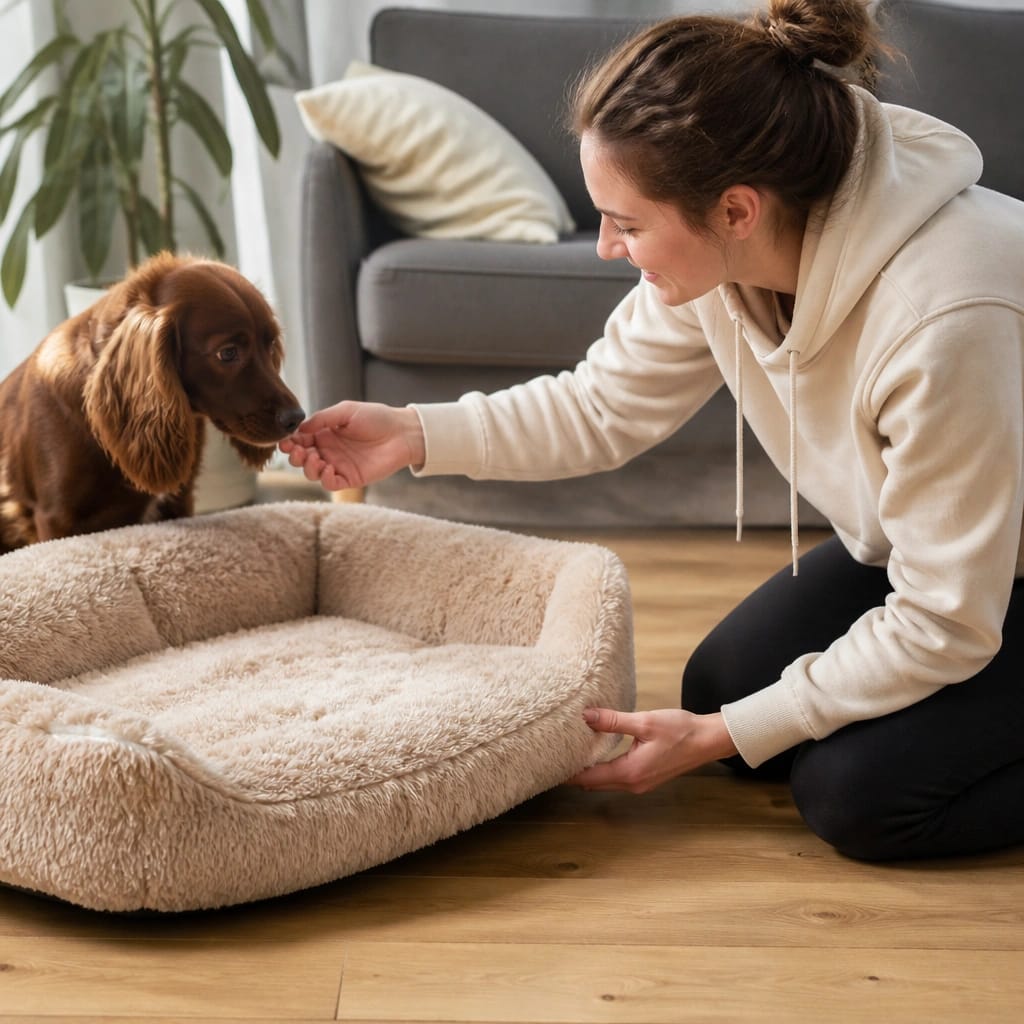
Place the new bed where your dog already likes to sleep. Add an old t-shirt or blanket with their scent. Drop a few treats on the surface.
Let them explore at their own pace.
If your dog avoids the bed, try a different spot. Some dogs prefer quiet corners over open living rooms. Where you set it up matters a lot.
Give it a week before deciding the bed is wrong.
Common Mistakes That Make Dogs Reject Their Own Bed
Most rejections come down to sizing. A bed that’s too small gets ignored. Sleep surfaces that are too soft or too firm also get skipped.
Pay attention to your dog’s sleeping position. That tells you which shape they actually want.
Placing the bed in a noisy walkway is another mistake. So is skipping cleaning. A musty bed smells wrong to a dog’s nose.
If your dog keeps leaving the bed, check those three things first.
Keeping the Bed Clean, Fresh, and Durable Over Time
Wash removable covers every one to two weeks depending on fur and dirt. Vacuum foam cores regularly. A waterproof liner protects the inner cushion from accidents and drool.
Check seams and zippers each month. A small tear becomes a giant hole if your dog chews. Replace foam once it loses its shape or stops bouncing back.
That’s usually every two to three years for memory foam.
Dog Bed or No Bed? When Other Sleeping Options Make Sense
Dogs can survive without a bed. Many choose cool tile floors in summer. But sleeping directly on hard surfaces over many years can contribute to calluses and joint stiffness.
Crate mats and thick towels work as temporary fixes. They don’t offer much joint support. If your dog is young and healthy, they may not care.
If they’re older or stiff after naps, a proper bed is worth the space.
Frequently Asked Questions
How many beds does a dog need?
Most dogs do fine with two beds. One for their main sleeping area and one for a second room. Multi-dog households often need one per dog to avoid resource guarding.
Do dogs need their own bed in summer?
Yes, but choose a cooler surface. A ventilated cot or cooling mat lets air flow under the dog. It prevents overheating while still providing joint cushioning.
Why does my dog sleep on the floor when they have a bed?
They might be too warm. Or the bed is too small, too soft, or placed in a spot they dislike. Watch where they choose to lie down.
That location usually reveals what they actually need.
The Simplest Way to Decide What Your Dog Needs
Start with two questions. How old is your dog, and how do they usually sleep? That covers most of the guesswork.
If your dog is getting older, choose orthopedic support. Firm memory foam beats soft filling for joint care. If your dog prefers curling up, pick a round or donut bed.
If they stretch out flat, a large flat mat or cot works better.
Then check your floors. Hard surfaces mean you want a thicker base. Carpeted rooms give you more freedom with lighter beds.
Finally, watch your dog for two weeks. A bed is right when they settle quickly, stop pacing, and use it on their own. If they avoid it, revisit the factors above.
The American Kennel Club’s guidance on consistent sleeping areas reinforces the same idea. Get the size, the support level, and the location right, and your dog will vote with their paws.


