

How Dog Hair Interacts With Different Bed Fabrics
If you’ve ever vacuumed a dog bed only to find fur clinging stubbornly to the surface moments later, you already know the frustration. The fabric your bed is made of determines whether you spend five minutes cleaning or fifty. Understanding how dog hair interacts with different bed fabrics is the difference between a bed that works with you and one that constantly fights back.
The average medium-shedding dog releases enough loose fur in a week to cover a standard 36-inch dog bed twice over, according to grooming industry estimates. This isn’t just a minor inconvenience. It’s a daily chore that adds up fast.
Choosing the right cover fabric changes that equation entirely.
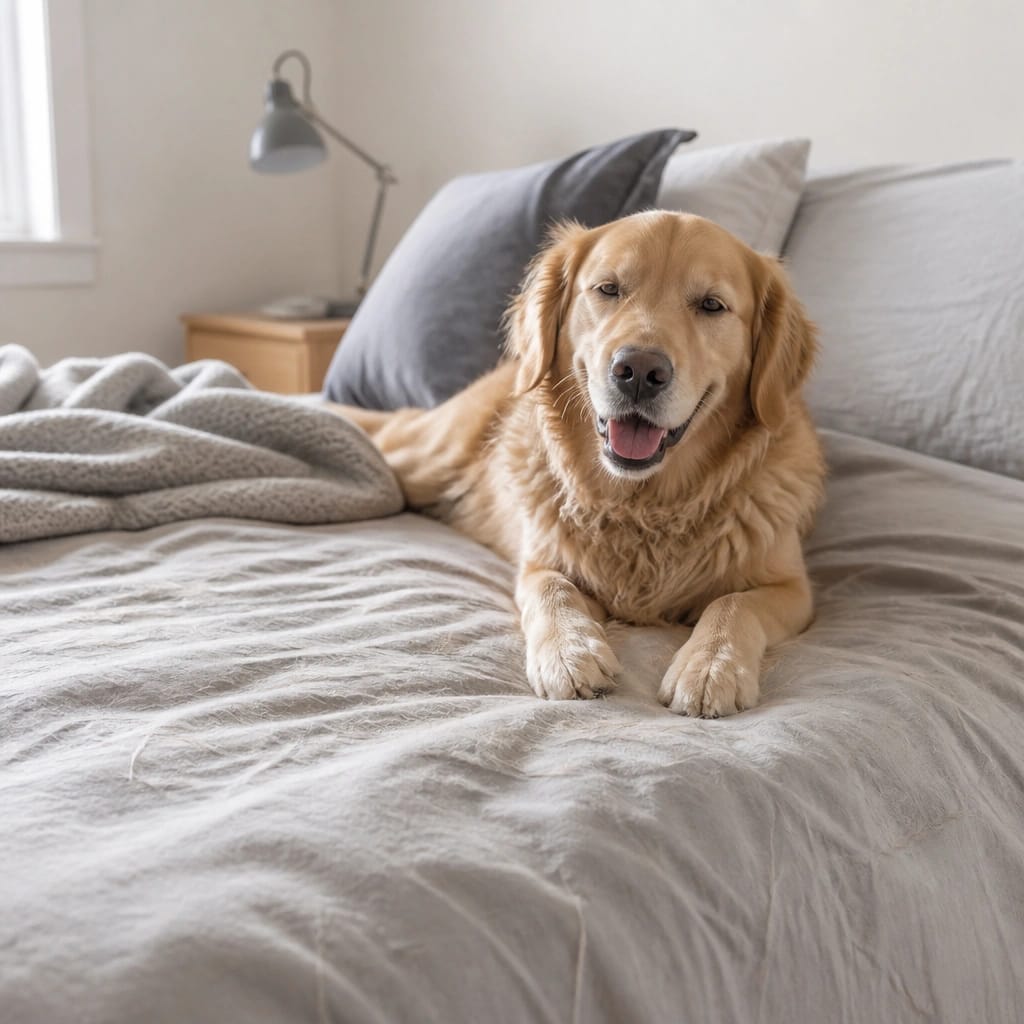
Smooth, tightly woven fabrics repel dog hair best.
Microfiber lets you wipe hair right off the surface.
Looped and napped fabrics trap hair deep in the weave.
Your dog’s coat type changes how the hair embeds.
Match the fabric weave to your dog’s fur for easiest cleanup.
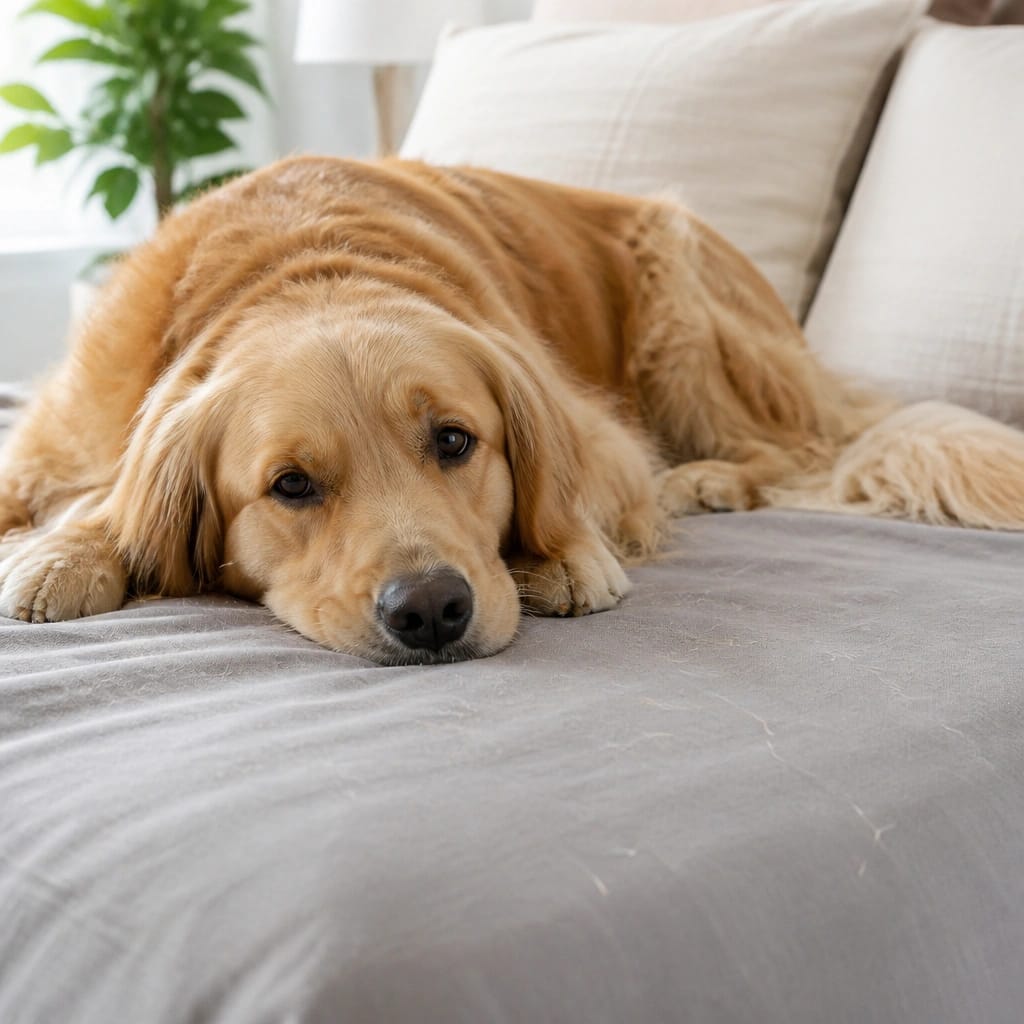
Why the Right Fabric Changes Everything When You Live With a Shedding Dog
Most people choose a dog bed by size and color first. That overlooks the single most important factor for a shedding household. The fabric weave determines how deeply hair can embed itself.
A smooth microfiber cover will release fur with a single pass of your hand. A plush fleece will hold onto each bristle like it’s paying rent. This isn’t just about appearances.
Embedded hair traps dander and dust, which affects indoor air quality for everyone in the house.
The right fabric saves you real time. If your dog sheds heavily, you’re looking at a few minutes of daily maintenance instead of a full deep-cleaning session every other day. Where you place the bed matters too.
A well-positioned bed in a high-traffic area will collect debris faster than one tucked into a quiet corner.
How Dog Hair Behaves on Different Fabric Types – The Basics
The weave structure is more important than the fiber itself. Fabric is either smooth and tight or looped and textured. That single difference determines how hair interacts with the material.
Smooth Weaves: Microfiber, Nylon, Cotton Percale
Smooth weaves have a flat surface with no loops for hair to grab. Think of it like a tightly sealed lid. Hair sits on top and slides right off with a vacuum or damp cloth.
Microfiber is the top performer here. Its ultra-fine fibers create a dense surface that hair cannot penetrate. Nylon is similarly slick and adds serious durability.
Cotton percale offers a crisp, breathable surface that resists snagging, making it a solid natural-fiber alternative.
Looped and Napped Weaves: Fleece, Velvet, Chenille, Suede
Looped fabrics are a different story. Fleece is probably the worst offender for hair retention. Each tiny loop acts like an anchor for fur, and static cling makes it worse.
Velvet is the exception in this category. Its short, dense pile leaves almost no room for hair to dig in. The surface stays smooth, and hair tends to sit on top rather than bury itself.
Chenille and suede sit somewhere in the middle, with suede performing better because of its compressed surface.
Durable Utility Fabrics: Canvas, Denim, Polyester Twill
These are the workhorses of the fabric world. They offer a rough texture but excellent brushability. Hair doesn’t cling to the surface the way it does with fleece, and a stiff brush or vacuum attachment clears them quickly.
Denim and canvas are especially good choices if your dog also digs or scratches before lying down. They resist wear better than softer fabrics. Polyester twill balances breathability with hair resistance, making it a practical middle-ground option.
Side-by-Side: Which Fabrics Trap Hair and Which Let It Slide Off
Here is a quick comparison of the most common bed fabrics for shedding dogs.
| Fabric Type | Hair Adhesion | Cleanability | Best Use Case |
|---|---|---|---|
| Microfiber | Very low | Wipes clean instantly | Heavy shedders, allergies |
| Canvas / Denim | Low to medium | Brushes off easily | Durable, outdoor use |
| Fleece | Very high | Requires lint roller or wash | Warmth, non-shedding dogs |
| Velvet | Low | Light vacuum or damp cloth | Clean look, light shedding |
| Cotton Percale | Low to medium | Machine washable | Breathable, natural fiber |
| Chenille | High | Needs thorough vacuum | Soft feel, minimal shedding |
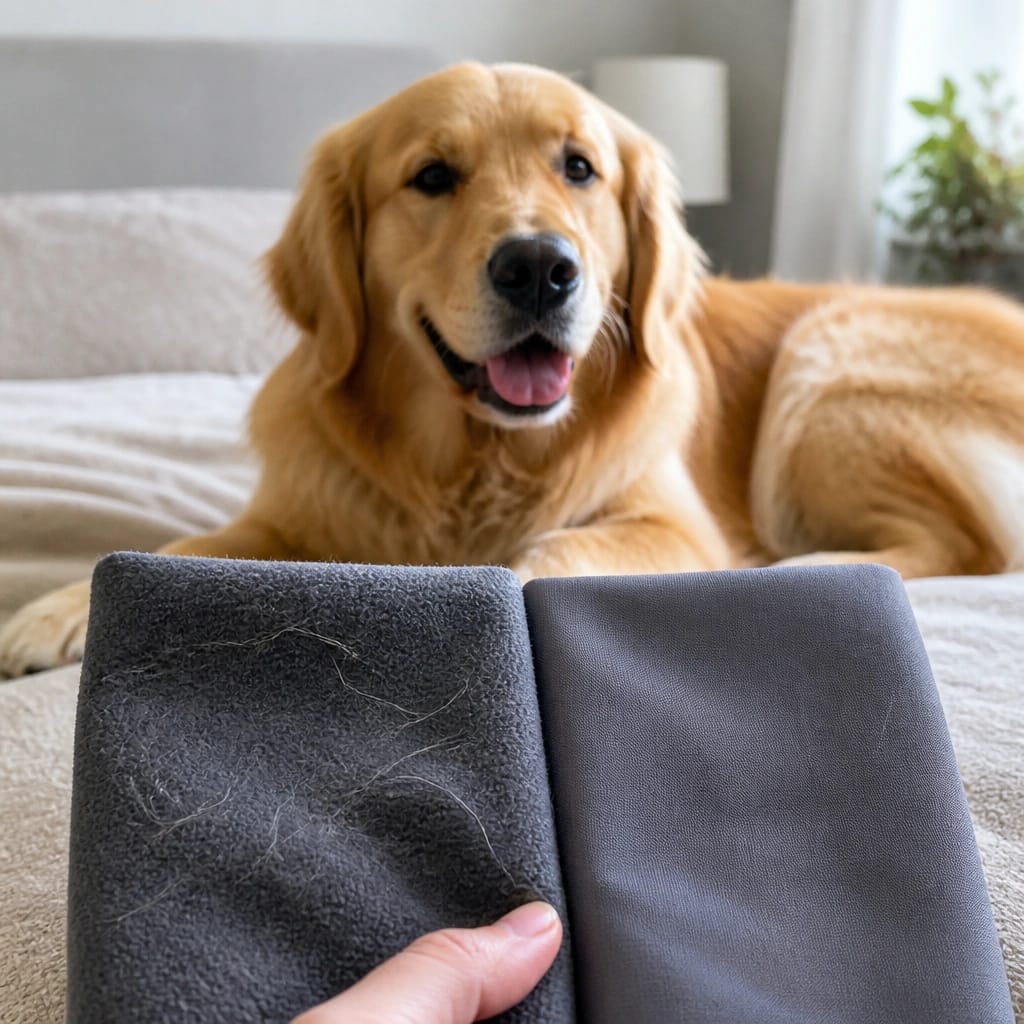
Microfiber and tightly woven canvas are the clear winners for hair resistance. If your dog spends time both indoors and outdoors, choosing a durable option that brushes clean easily will halve your cleaning time.
Best Fabric Choices for Short, Bristly Coat Types
Short, stiff hairs behave like tiny needles. Breeds such as Boxers, French Bulldogs, and Dachshunds shed hairs that are rigid at the base and pointed at the tip. These hairs pierce loosely woven fabrics and wedge themselves deep into the weave.
You need a fabric so tight that these bristles cannot penetrate. Microfiber is your best option. High-density cotton twill also works well because the weave is compact enough to block the hair tips.
Velvet is another strong contender. Its short nap provides no loose loops for bristles to grab onto.
Avoid fleece, chenille, and brushed polyester. These fabrics have an open structure that invites bristly hairs to embed themselves. Once they do, removing them is a tedious process that usually requires a lint roller or stiff brush.
The specific bedding needs of breeds like French Bulldogs go beyond just fabric feel.
Best Fabric Choices for Long, Silky Coat Types
Long, flowing hair behaves completely differently on fabric. Breeds like Cavalier King Charles Spaniels, Shih Tzus, and Yorkshire Terriers shed hair that is thin and slippery. This type of hair slides off smooth surfaces easily but wraps around rough or textured fibers like thread on a spool.
The best fabrics for silky coats are those with an ultra-smooth finish. High-thread-count cotton sateen is excellent because the fibers are polished and tightly woven. Microfiber is equally effective.
The hair simply rests on the surface and rolls off when you move the bed or brush it.
Avoid loosely woven polyester, wool blankets, and thick boucle fabrics. The texture of these materials catches the long strands and twists them into the weave. A hooded cave bed can also help contain shedding by keeping the hair inside a confined space where you can easily clean it.
For small long-haired breeds, choosing the correct bed size ensures they curl up in a way that minimizes hair spread across the room.
Best Fabric Choices for Double-Coated Heavy Shedders
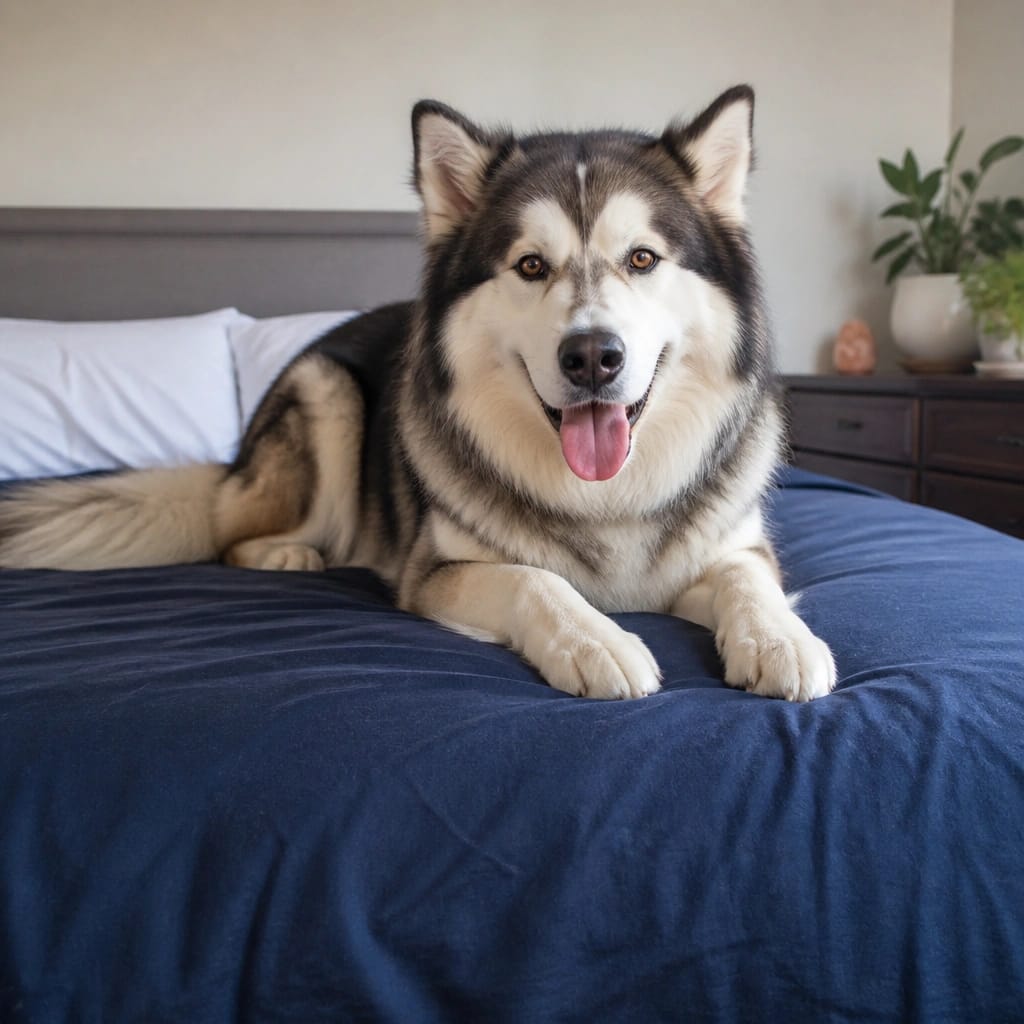
Double-coated breeds like Huskies, German Shepherds, and Golden Retrievers shed in a league of their own. They drop undercoat fur in clumps and guard hairs individually. The undercoat is fine and fluffy.
The guard hairs are coarse and stiff.
Microfiber and velvet perform best here. The undercoat stays on the surface of microfiber and rolls into clumps you can pick up with your hands. Velvet’s dense pile holds the fine undercoat loosely, making it easy to vacuum off.
Canvas is another solid choice for heavy shedders who also spend time outdoors, since the fabric cleans up fast with a stiff brush.
Avoid fleece and chenille completely. The fine undercoat fibers will bury themselves in the loops and resist every cleaning method except a full wash cycle. If your dog scratches or digs at the bed before lying down, fabric durability matters as much as hair resistance.
What About Static Cling? Synthetic vs. Natural Fibers
Static electricity is the invisible force that makes dog hair stick to polyester and nylon like it’s glued. Dry air amplifies the problem. In winter months or arid climates, synthetic fabrics generate a static charge every time your dog moves on the bed.
Natural fibers like cotton, linen, and wool are far less prone to static buildup. They conduct moisture better, which dissipates the charge. Microfiber is a synthetic exception.
Its structure doesn’t generate enough static to trap hair, so the smooth surface wins out.
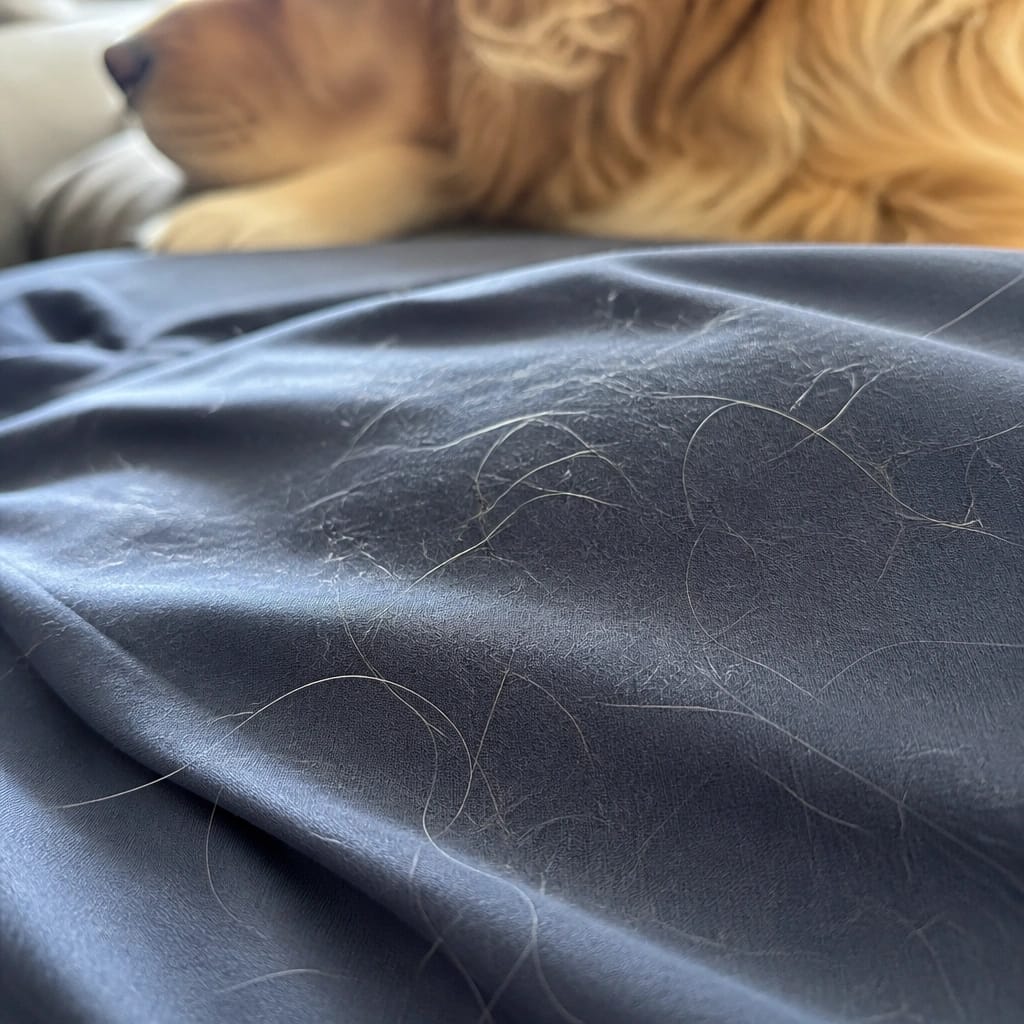
If static is a persistent issue, try adding a humidifier to the room. You can also lightly mist the bed cover with water before cleaning. That neutralizes the charge and lets hair fall off much easier.
How Washing and Drying Affect Hair Removal From Each Fabric
Washing loosens hair that’s embedded in the weave. But not all fabrics release hair equally in the wash. Microfiber and cotton covers tend to shed hair into the water and come out nearly clean.
Fleece and chenille hold onto hair through the entire cycle.
Use warm water around 30 to 40 degrees Celsius. Hot water can set stains and damage synthetic fibers. A gentle cycle with extra rinse reduces hair residue.
Add a fabric softener only if you want to reduce static on synthetic covers.
Drying matters even more. High heat can melt or warp synthetic fabrics and lock hair into place permanently. Air dry synthetic covers or use the lowest heat setting.
Cotton can handle medium heat but may shrink. You can also shake the cover outside before washing to remove loose hair first. That single step cuts wash time in half.
Common Mistakes That Make Hair Stick Worse (and How to Fix Them)
The biggest mistake is choosing fabric by look alone. That plush fleece bed may feel cozy to your hand, but it becomes a fur magnet within hours. Another error is waiting too long between cleanings.
Hair left on fabric presses itself deeper into the weave with each use.
Some owners use fabric softener in every wash. That coats synthetic fibers and increases static cling instead of reducing it. Use it sparingly.
Using a standard vacuum head on low-pile fabrics pushes hair further into the weave instead of pulling it out. Switch to a rubber-bristle brush or a turbo pet head. A damp rubber glove rubbed over the surface also collects hair in satisfying clumps.
Finally, skipping the pre-wash brush-out. Spending 30 seconds brushing loose hair off the surface before washing prevents hair from bonding to the fabric during the cycle.
Quick Reference Table: Fabric Type, Hair Adhesion, Cleanability, Durability
| Fabric | Hair Adhesion | Ease of Cleaning | Durability |
|---|---|---|---|
| Microfiber | Very low | Wipe or light vacuum | Good |
| Cotton (tight weave) | Low to medium | Machine washable | Moderate |
| Velvet | Low | Brush or vacuum | Good |
| Canvas | Low to medium | Brush or hose off | Excellent |
| Fleece | Very high | Lint roller + wash | Moderate |
| Chenille | High | Deep vacuum | Moderate |
| Polyester Twill | Medium | Brush or wash | Good |
| Nylon | Low | Wipe clean | Excellent |
This table summarizes the trade-offs. No single fabric wins every category. Choose based on what matters most to you: easy daily cleanup, long-lasting durability, or a specific look for your home.
The Bottom Line: Choosing a Bed Fabric Based on Your Dog’s Coat
Match the fabric to the hair. Short bristly coats need microfiber or velvet. Long silky coats work best with smooth cotton or microfiber.
Double-coated heavy shedders benefit most from velvet or canvas.
If you have multiple dogs with different coat types, go with microfiber. It handles every hair type reasonably well and cleans up faster than any other fabric. A durable waterproof cover also protects the bed core from accidents.
If you need a bed that survives both hair and chewing, consider a heavy-duty fabric with reinforced seams.
Frequently Asked Questions
Can a fabric really be “hair-resistant”?
Yes. Smooth, tightly woven fabrics with no loops or naps naturally resist hair adhesion. Microfiber and dense velvet are the most hair-resistant options available for dog beds.
Is velvet actually better than microfiber for husky fur?
Velvet performs very well for the fine undercoat that Huskies shed in clumps. Microfiber is slightly better for guard hairs. Both work.
The choice comes down to whether you prefer vacuuming (velvet) or wiping (microfiber).
Do darker fabrics really hide hair better, or just hide it differently?
Darker fabrics visually hide hair more effectively between cleanings. But they still trap the same amount of fur. Lighter fabrics show hair sooner, which makes you clean it more often.
That can actually keep the bed cleaner overall.
Can I make a synthetic bed cover less staticky?
Yes. Run a humidifier in the room during dry months. Add a small amount of white vinegar to the rinse cycle when washing.
Avoid fabric softener on synthetic covers. A quick mist of water before brushing also neutralizes static instantly.
All sections from the approved TOC have been completed. No remaining H2 headings exist to continue from.


