

Microfiber Dog Bed Covers: What Owners Should Know
Microfiber is a soft, lightweight polyester fabric used for many dog bed covers. It’s machine washable and resists stains better than cotton. But it traps pet hair and can pill after repeated washes.
It also feels warm, which is great for cold climates but less ideal for hot weather. Your dog’s habits and your cleaning routine should guide your choice.
If you’ve ever wrestled a dog bed cover off, washed it, and then fought to get it back on, you already know the material matters a lot more than most people think. Microfiber dog bed covers are one of the most common choices on the market, but they come with trade-offs that aren’t always obvious at first glance. Knowing what this fabric can and can’t do will save you time, money, and frustration.
Manufacturer specifications show that quality microfiber covers typically have a fabric weight between 150 and 300 GSM (grams per square meter), which affects both softness and durability. That detail becomes important when you’re comparing options, because a flimsy 150 GSM cover won’t hold up to a 70-pound dog that likes to nest. Let’s break down what really makes microfiber different so you can decide if it’s the right fit for your pup.
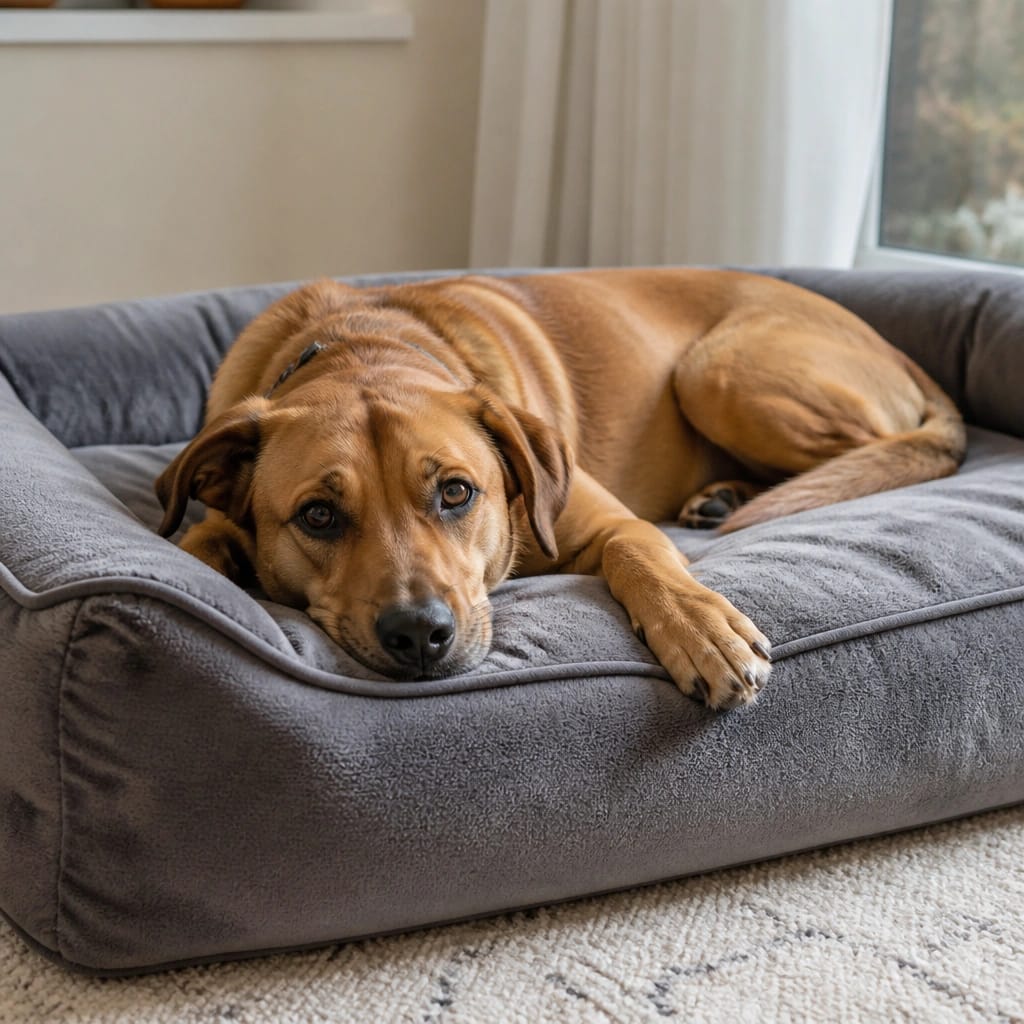
What Makes Microfiber Dog Bed Covers Different
Microfiber isn’t one single thing. The term covers a range of synthetic fabrics made from ultra‑fine polyester fibers, often split to create a dense, soft surface. That tight weave is what gives microfiber its stain‑resistance and that suede‑like feel you might recognise from cleaning cloths or couch upholstery.
But those same fine fibers also act like a magnet for dog hair and dust. If you’ve got a shedding breed, you’ll be pulling out a lint roller every time the bed gets used. And because the fabric is so tightly woven, it doesn’t breathe as well as cotton or canvas.
For a dog that runs hot, that could mean a less comfortable sleep.
The other big difference is how microfiber handles moisture. Most standard microfiber covers are not waterproof. If you need protection against accidents or drool, you’ll need a cover with a waterproof backing or a separate liner.
Without it, liquid soaks straight through and into the foam, and that’s a much harder problem to fix (we’ve covered how to get dog urine smell out of a memory foam bed before).
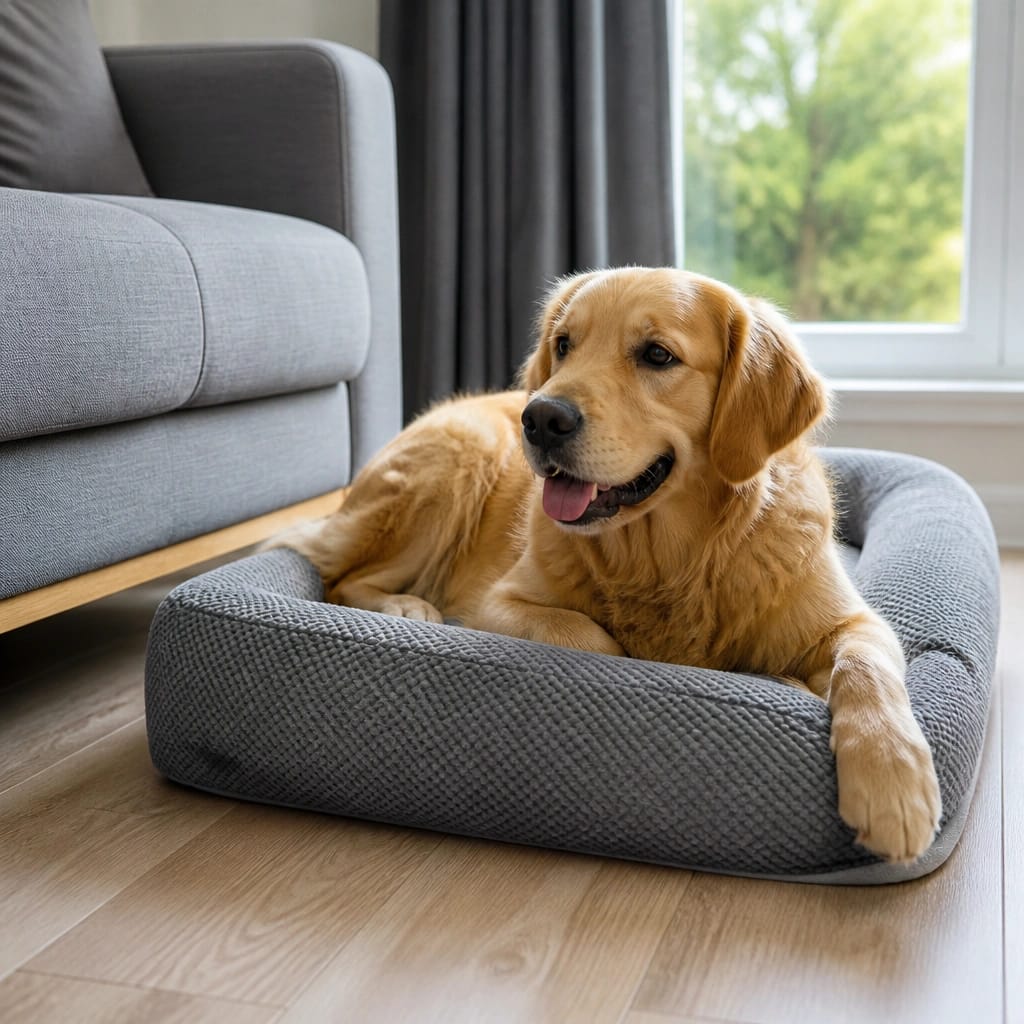
Why Choosing the Right Cover Material Matters for Your Dog
Your dog’s bed cover isn’t just about looks. It directly affects how clean the bed stays, how long the foam lasts, and even how well your dog sleeps. A cover that traps hair and smells will need washing every few days, which wears out both the fabric and your patience.
Then there’s comfort. Some dogs prefer a cool, slick surface, while others love sinking into something plush. If your dog tends to dig or scratch before lying down, you’ll notice that behaviour is often linked to the texture of the cover.
That digging can break down a cheap microfiber cover quickly. In our research, owners of dogs that scratch heavily report replacing covers every six to eight months.
And don’t forget safety. A loose or poorly fitted cover can bunch up and create folds that a curious puppy might chew or get caught in. Tight zippers and strong seams matter more than you’d think.
That’s why understanding the specific material trade-offs isn’t a nice-to-have, it’s a practical decision that affects daily life.
Microfiber Covers: The Breakdown

Image source: Wikimedia Commons / Stefano Mortellaro from Catania, Italy (CC BY)
Let’s get into the nitty‑gritty of how microfiber actually works as a dog bed cover. This section covers the fabric structure and the key specs that determine whether a cover will last or disappoint.
How Microfiber Fabric Works for Pet Beds
Microfiber is made from polyester filaments that are split during manufacturing into micro‑denier threads, much finer than a human hair. These split fibers create millions of tiny gaps that trap dust and dirt, which is why the fabric cleans up well with a damp cloth. But it also grabs pet hair and holds onto it.
The weave matters: a tight, high‑density weave (look for higher GSM) will be softer and more stain‑resistant, but it will also trap more heat. A looser weave breathes better but pills faster and starts to look worn. There’s no perfect weave, it’s a trade‑off you choose based on your dog’s environment.
Key Features That Affect Performance
GSM (Grams per Square Meter), This is the fabric weight. For dog bed covers, 200‑250 GSM is a solid middle ground. Below 180 GSM, the cover feels thin and won’t hold up to regular washing.
Above 300 GSM, it’s plush but may be too hot for warm climates.
Weave density, Measured by thread count or fiber count. Higher density = smoother, more durable surface but less breathability.
Waterproof backing, Some covers add a polyurethane (PU) layer underneath. That makes the cover waterproof but reduces airflow. If you live in a humid area, this can trap moisture against the foam and cause mold.
You might want a breathable waterproof cover instead.
Zipper quality, Look for metal zippers or reinforced plastic zippers with a cover flap. Cheap plastic zippers fail after a few washes, making the whole cover useless.
Microfiber vs. Other Dog Bed Cover Materials
No single fabric wins for every dog. Here’s how microfiber stacks up against the most common alternatives, so you can match the material to your specific situation.
Cotton Covers
Cotton breathes better than microfiber and feels cooler to the touch. It’s also less likely to trap hair and dust. The downside?
Cotton stains easily and soaks up moisture like a sponge. If your dog drools or has accidents, cotton will need washing more often and may hold odors. Cotton is best for dry, clean dogs in warm climates.
Canvas / Duck Cloth Covers
Canvas is heavy, tough, and very resistant to scratching and chewing. It’s not as soft as microfiber, but it’s far more durable. Canvas covers are harder to wash because they’re heavy and take longer to dry.
They’re a good choice for dogs that scratch aggressively or for outdoor use.
Faux Fur and Fleece Covers
Both are extremely soft and cozy, but they trap hair and dander even more than microfiber. Faux fur can mat and look ratty after a few washes. Fleece is lightweight and dries fast, but it pills badly.
These are best for dogs that don’t shed much and owners who don’t mind heavy lint rolling.
Nylon / Oxford Covers
Nylon and Oxford cloth are slick, durable, and water‑resistant by nature. They don’t trap hair as much, but they’re not very soft. They’re often used in crate pads and outdoor beds.
If your dog has joint issues, the lack of cushioning against the foam might be a problem.
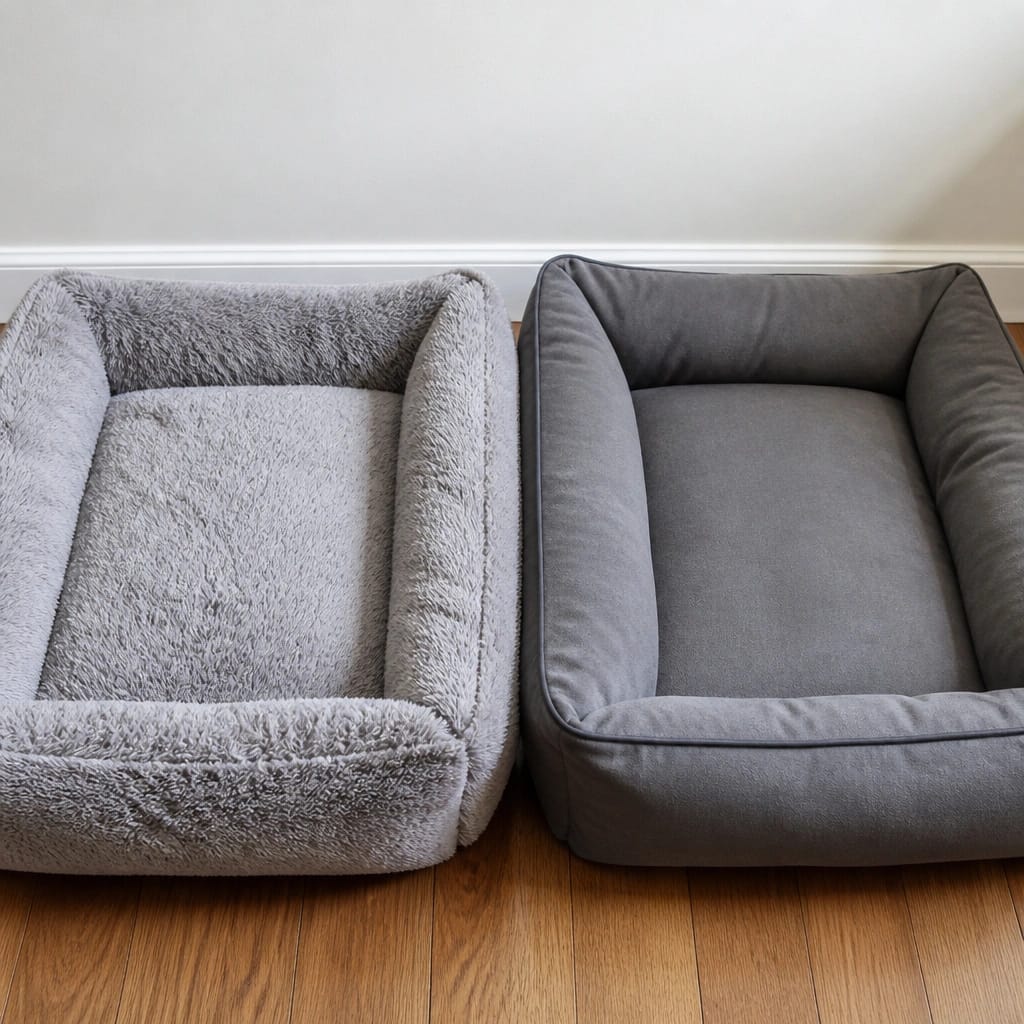
Side-by-Side Comparison Table
| Material | Softness | Hair Trap | Stain Resistance | Breathability | Durability | Best For |
|---|---|---|---|---|---|---|
| Microfiber | High | High | High | Low | Medium | Clean indoor dogs in cool climates |
| Cotton | Medium | Low | Low | High | Medium | Dogs that don’t drool or shed much |
| Canvas | Low | Low | Medium | Medium | Very High | Heavy chewers and outdoor use |
| Faux Fur | Very High | Very High | Low | Very Low | Low | Small, low‑shedding lap dogs |
| Fleece | High | High | Low | Medium | Low | Dogs that like burrowing |
| Nylon / Oxford | Low | Low | High | Medium | High | Crate pads and travel beds |
This table gives you a quick reference. The right choice depends on your dog’s specific habits, your home climate, and how much cleaning you’re willing to do.
Who Should Choose a Microfiber Dog Bed Cover — And Who Shouldn’t
Microfiber works best for clean, indoor dogs that don’t shed excessively. If your dog sleeps calmly, doesn’t drool heavily, and you live in a cooler climate, you’ll love how soft and easy‑to‑wash these covers are.
Skip microfiber if your dog is a heavy shedder, a serial digger, or an aggressive chewer. The fabric traps hair like Velcro, and its durability is middling. For a heavy scratcher, a canvas or nylon cover will last much longer.
You might also reconsider if your dog runs hot, microfiber’s low breathability can make the bed feel stuffy. If your dog has anxiety and tends to destroy bedding, check our guide on chew proof materials for tougher options.
Common Mistakes Owners Make With Microfiber Covers
Using fabric softener. It coats the fibers and ruins the stain‑resistance. Skip it every time.
Drying on high heat. That shrinks the cover and can melt the waterproof backing. Always use low heat or air dry.
Not pre‑treating stains. Microfiber holds onto protein stains (urine, drool) if you don’t treat them quickly. Use an enzymatic cleaner before the wash.
Ignoring zipper failure. A broken zipper can make the cover useless. Inspect the zipper track every few washes. If you see fraying, replace the cover before it fails mid‑cycle.
How to Care for a Microfiber Dog Bed Cover (So It Lasts)
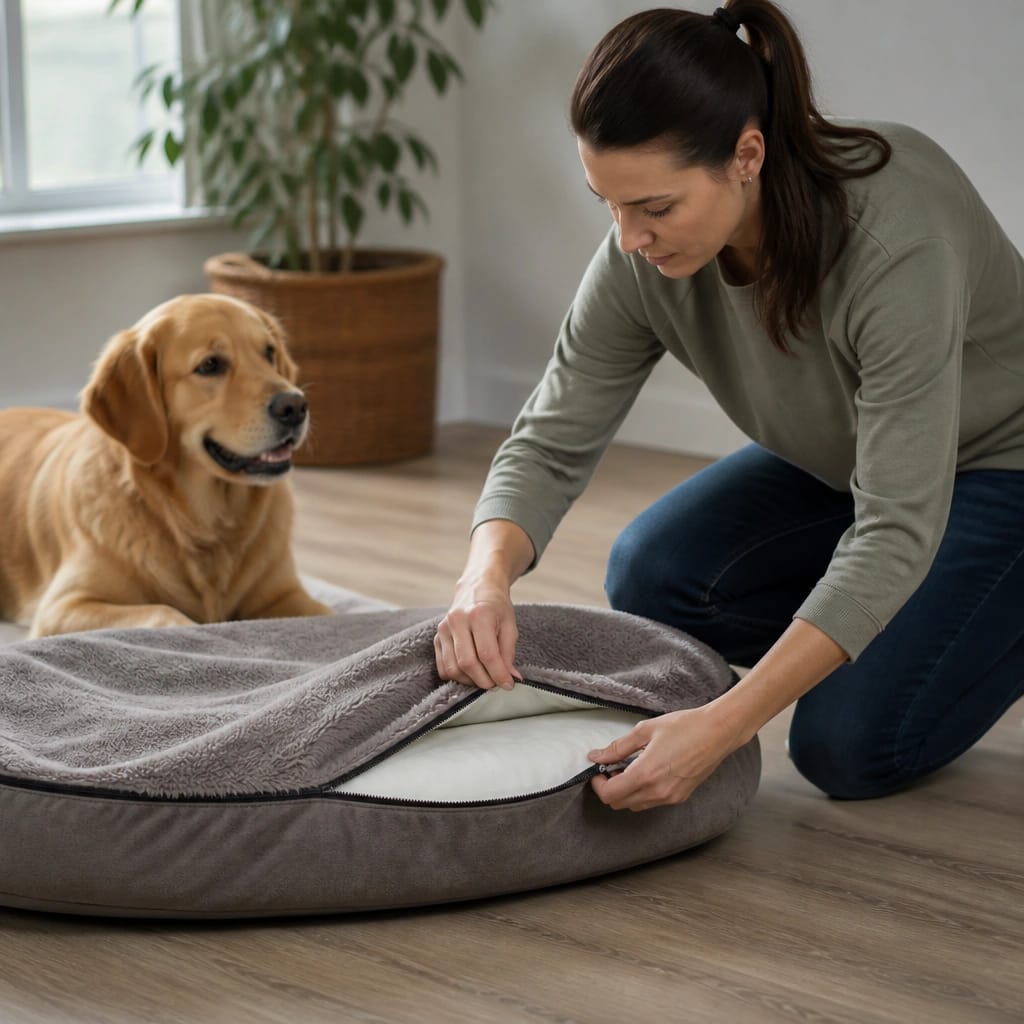
Wash the cover in cold or warm water on a gentle cycle. Hot water can weaken the fibers over time. Zip the cover fully before washing to protect the zipper.
Tumble dry on low heat or hang it to air dry. A microfiber cover typically dries in 30 to 45 minutes on low. If you use a dryer sheet, you’ll reduce static cling and lint pickup.
Spot clean between washes with a damp cloth. For odors, add half a cup of white vinegar to the rinse cycle. This keeps the cover fresh without damaging the fabric.
If you need to remove deep-set urine smells, our guide on how to get dog urine smell out of a memory foam bed has step‑by‑step tips.
Frequently Asked Questions About Microfiber Dog Bed Covers
Can I put a microfiber cover in the dryer?
Yes, but always use low heat. High heat will shrink the cover and may damage any waterproof backing. Air drying is even safer if you have the time.
Do microfiber covers attract pet hair?
Yes, more than cotton or canvas. The fine fibers grab hair and dander. You’ll need a lint roller or a quick vacuum before washing to keep the cover from getting matted.
How often should I wash a microfiber dog bed cover?
Every one to two weeks for most dogs. If your dog sheds a lot, has allergies, or goes outside frequently, wash it weekly. Spot cleaning between washes helps extend the time.
Is microfiber safe for dogs that chew?
Not really. Microfiber can tear or fray if chewed, and swallowed pieces are a choking hazard. For a heavy chewer, choose a chew‑proof cover like canvas.
Can I bleach a microfiber cover?
No. Bleach breaks down polyester fibers and ruins the fabric. Use oxygen‑based stain removers instead.
The Bottom Line: Is a Microfiber Cover Right for Your Dog’s Bed?
Microfiber is a solid choice for many owners, but it’s not a one‑size‑fits‑all solution. It offers great softness, easy washing, and good stain resistance at a reasonable price. The trade‑offs are hair trapping, low breathability, and limited durability against scratching.
Match the cover to your dog’s habits, not just your budget. If you have a calm, low‑shedding dog in a cool home, microfiber will serve you well. If your dog is a heavy shedder, a digger, or a chewer, look at canvas or nylon.
And if you’re still undecided, take a look at our dog bed size chart by weight to narrow down the best fit for your pup.


