
What to Do When Your Dog Outgrows Their Bed
Your dog used to curl up perfectly in that bed. Now their legs hang over the edge, or they prefer the cold floor. If you are wondering what to do when your dog outgrows their bed, the answer depends on size, sleeping style, and growth stage.
Manufacturer size charts typically base recommendations on body length and weight, but many owners overlook measuring their dog correctly. As of 2026, standard bed dimensions range from 30 inches for small breeds to over 50 inches for giant breeds. Let us walk through the decision process step by step.
Measure your dog from nose to tail base. Compare this length to the bed’s sleeping surface. Choose a bed that lets them stretch fully.
Repurpose the old bed for crates or travel. Replace it when the foam flattens or the dog seems uncomfortable.
When You Know the Bed No Longer Fits: Clear Signs to Watch For
How do you know for sure the bed is too small? Watch your dog’s behavior.
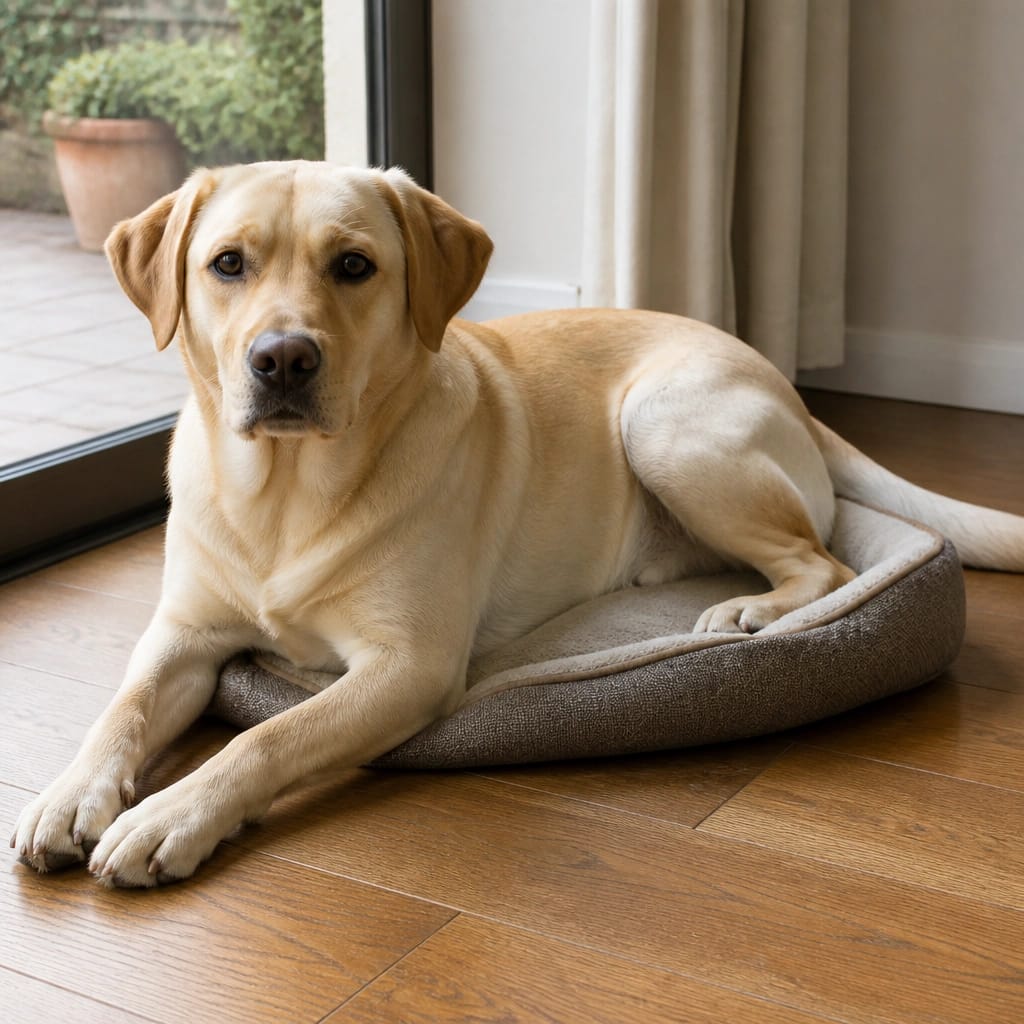
The most common sign is the dog hanging off the edges. If their body spills over the sides, the bed is too narrow. Another clear indicator is the dog sleeping on the floor next to the bed.
Dogs often choose a hard, flat surface over a bed that cramps their joints. If your dog consistently avoids their bed, it might be time to look at why dogs sleep on the floor instead.
You might also notice the dog no longer fits inside the bolsters. A bolster bed should contain the dog comfortably. If the dog uses the bolsters as a chin rest instead of a wrap, the bed is likely too small.
Step 1: Measure Your Dog (and the Current Bed) Accurately
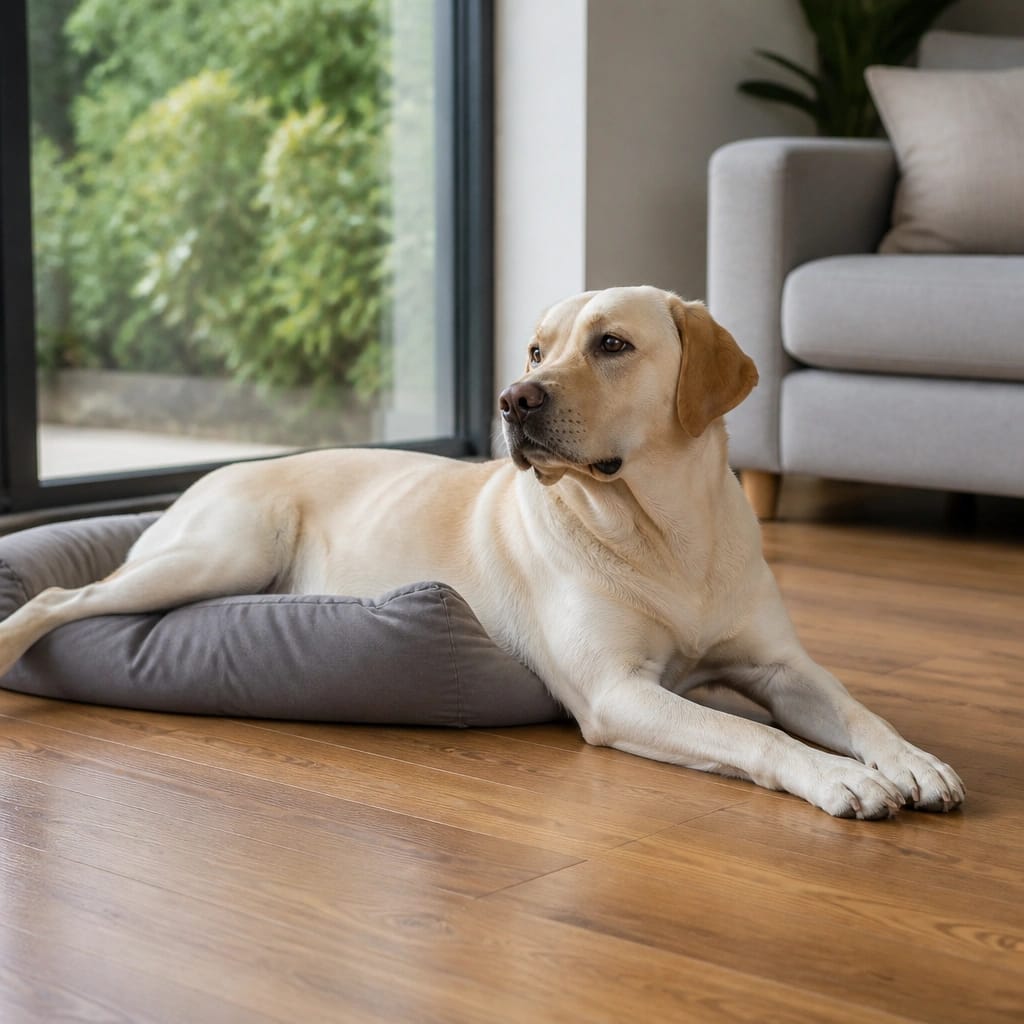
Get a tape measure and your dog. Measure from the tip of the nose to the base of the tail. This gives you the body length.
Add 4 to 8 inches for stretch room. If your dog sprawls out, lean toward the higher end.
Next, weigh your dog. Always check a reliable size guide before ordering a replacement. A bed that fits their weight but not their length is still the wrong bed.
Most manufacturers list the usable sleeping surface dimensions. Look for that number, not the outer edge measurement.

Why does sleeping position matter? A curled-up dog needs a donut bed with a smaller diameter but higher walls. A sprawler needs a flat, open surface.
Side sleepers need enough length to lie completely flat.
Step 2: Decide Based on Your Dog’s Sleeping Style
Your dog’s preferred sleeping position tells you exactly what shape and size to buy.
Curled-up sleepers love donut or bolster beds. They want something to lean against. Sprawlers and side sleepers often do best with a flat, open sleeping surface.
If your dog stretches out like a starfish, avoid beds with high bolsters.
The sleeping style can change with age. Puppies might curl up tightly. As they grow and joints develop, they may sprawl out.
Observe your dog over a few nights to spot the pattern.
Step 3: Choose Between Replace, Repurpose, or Wait
Now you have three paths forward.
Replace the bed now. This makes sense when the dog is fully grown and the old bed is uncomfortable. If the foam is flattened or the dog seems stiff in the morning, invest in a new bed.
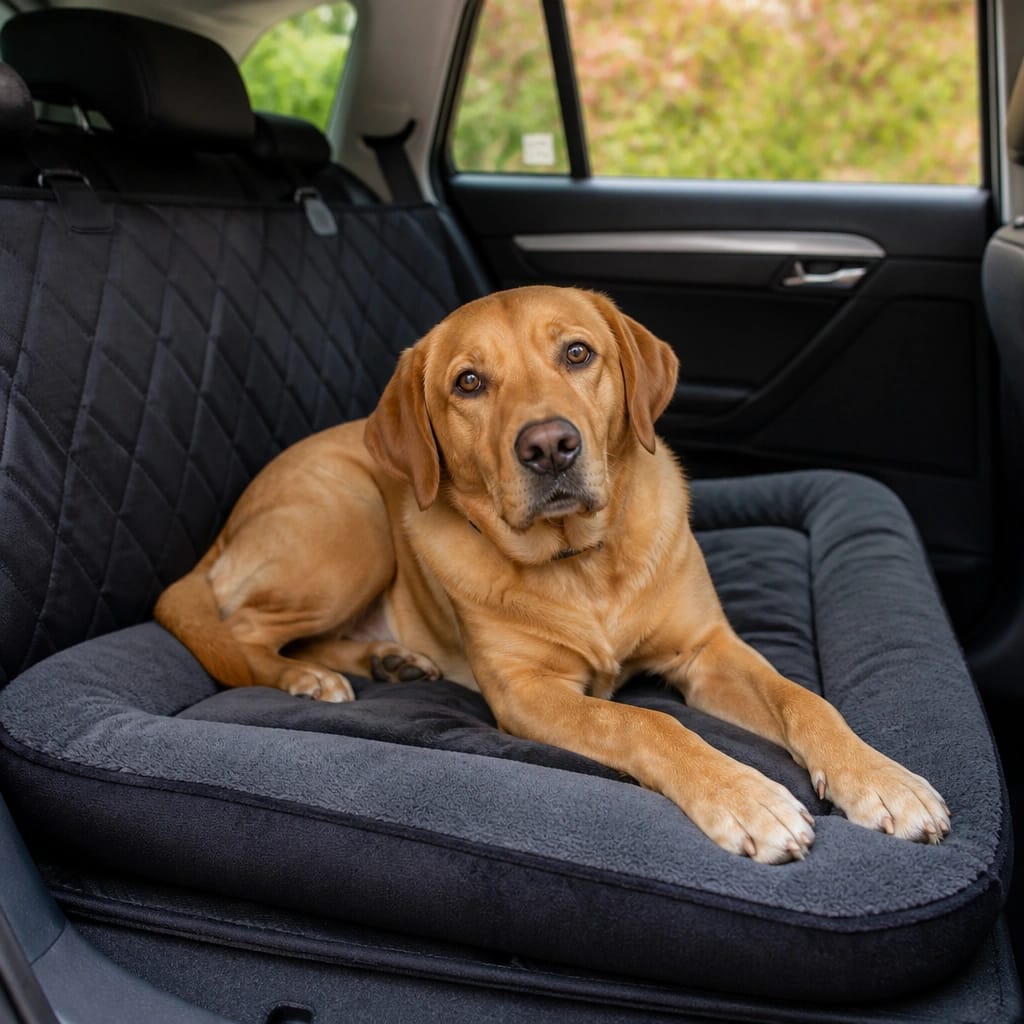
Repurpose the old bed. An older bed can become a waterproof option for outdoor use. It also works well as a crate pad or a car seat mat. Worn-out beds can develop odors that are tough to remove, so check the condition first.
You can also donate clean beds in good condition to local shelters.
Wait it out. If you have a puppy that is still growing, buying an adult bed now might waste money. The American Kennel Club provides detailed growth charts by breed to help you estimate the final size. In the meantime, use the current bed until the puppy reaches about 80 percent of their expected adult size.
The Three Main Decision Branches
If your dog is still a puppy, wait until they reach about 80 percent of their expected adult size before buying a permanent bed. Large breeds grow until 12 to 18 months. Using a temporary bed during this window saves money and space.
If your dog is fully grown but the bed has worn out, measure again before buying. Dogs can gain or lose weight over time. A flattened foam bed offers no joint support.
Replace it with the right size based on current measurements.
If the bed still fits but the dog has stopped using it, their sleeping preferences may have changed. An older dog might need more support. A younger dog might want more room to stretch.
Reassess their sleeping positions and habits before choosing a new style.
Common Mistakes Owners Make When Upgrading
Buying the next size up without measuring is the most frequent error. A bed labeled “large” varies wildly between brands. Checking the usable surface dimensions against your dog’s body length avoids this problem.
Choosing style over support is another trap. Young dogs can sleep anywhere. Older or heavier dogs need thicker foam, often 4 to 6 inches of high density memory foam.
A thin bed in a cute shape won’t relieve joint pressure.
Ignoring crate dimensions is also common. A bed that fits the dog but not the crate leaves no room for comfort. Measure both the crate floor and the dog before ordering.
How to Help Your Dog Transition to a New Bed

Dogs are creatures of habit. A new bed can feel strange at first. Place the old bed next to the new one for a few days.
Your dog will gradually explore the new surface on their own terms.
Use scent transfer to speed things up. Rub a soft cloth on your dog’s sleeping area and place it on the new bed. Some owners add a familiar blanket or toy.
For anxious dogs, a calming donut style bed with raised edges can provide extra security.
If your dog ignores the new bed entirely, try placing it in a location they already prefer. You might also need to check where the bed is placed to ensure it’s quiet and draft-free.
What About “Grow-With-Me” Beds? (A Quick Honest Look)
Some beds claim to expand as your puppy grows. In theory, this sounds great. In practice, these designs have tradeoffs.
The adjustable sides often create gaps where stuffing shifts. The bed may not provide consistent support across all configurations. Most owners find that a simple, well-made temporary bed for the puppy phase followed by a permanent adult bed works better.
If you want to save money during the growth period, consider a DIY no-sew option for the puppy stage. It costs less and lets you focus on quality when the dog is fully grown.
When a Second Bed Makes More Sense Than a Single Large One
Multi-dog households sometimes benefit from two medium beds instead of one giant bed. Dogs often prefer personal space for sleeping. A single large bed might cause disputes or force one dog to sleep in an uncomfortable position.
If you have limited floor space, a second bed can go in a different room. Your dog gets a resting spot in the living room during the day and a separate bed in the bedroom at night. This setup works well for crate trained dogs who need a bed both inside and outside the crate.
Consider a second bed when the old one still has life left but your dog needs a bigger main bed. The old bed becomes a travel, crate, or outdoor option.
Frequently Asked Questions
How often should I measure my growing puppy?
Measure your puppy every two months during the first year. Large and giant breeds grow until 18 months. Adjust the bed size whenever the puppy no longer fits comfortably.
Can I use the old bed as a crate pad?
Yes, if it fits the crate floor without bunching. Measure the crate interior first. Remove any high bolsters that might block airflow or prevent the dog from lying flat.
What size bed does a French bulldog need?
French bulldogs have a short, wide build. A medium bed around 36 by 26 inches works for most adults. Measure their body length and add 4 inches.
Check a breed-specific guide for more detail.
How do I know if the foam has worn out?
Press your hand into the center of the bed. If your hand leaves a dent that does not bounce back within a minute, the foam is compressed. A worn foam bed offers no joint support and should be replaced.
Final Decision Guide: A Simple Flowchart in Words
Start by measuring your dog. If the bed is too small and the dog is fully grown, replace it. If the dog is still growing, wait until 80 percent of adult size.
If the bed has worn out foam, replace it regardless of size. If the bed fits but your dog ignores it, try a different style. Repurpose the old bed for crates, travel, or outdoor use.


