

Why Plush Dog Beds Can Become Too Warm
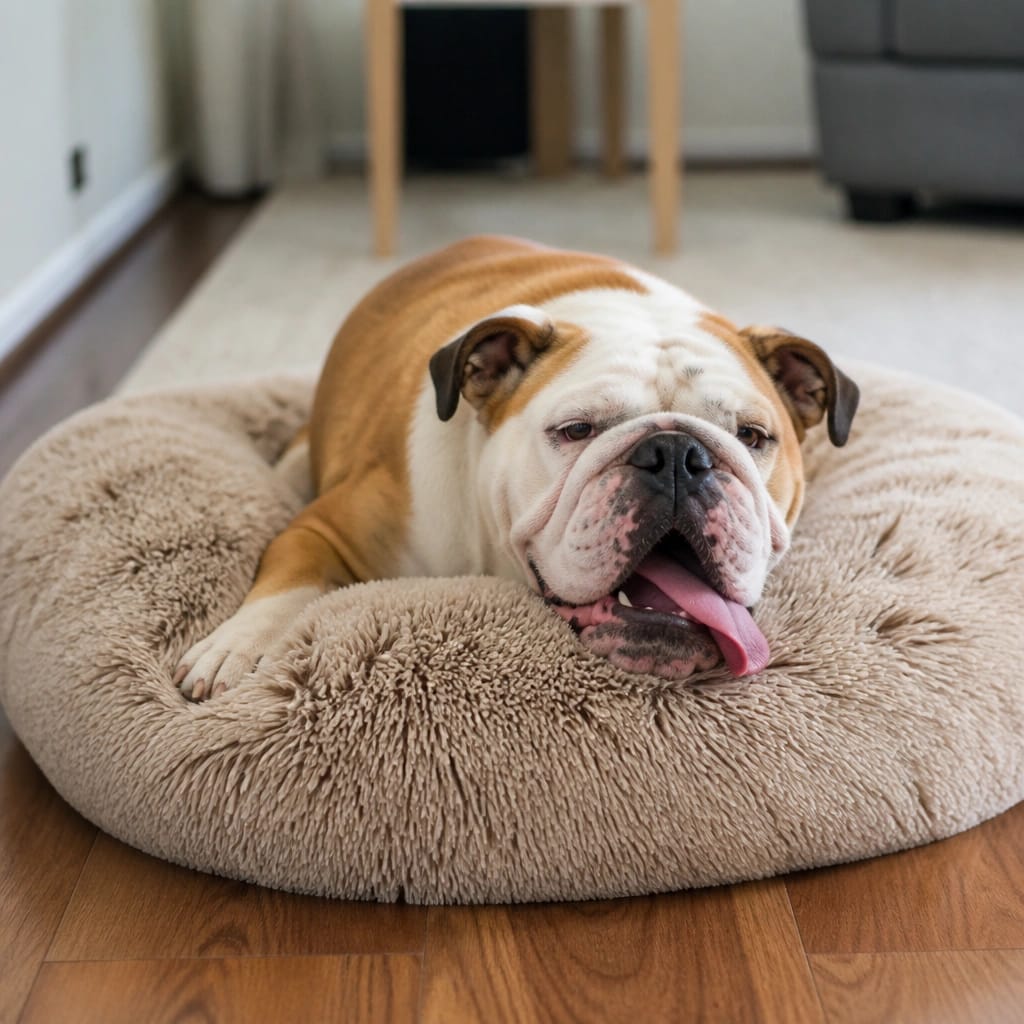
Plush dog beds look cozy. They feel soft. And your dog probably loves sinking into one after a long walk.
But here’s the thing a lot of owners miss: why plush dog beds can become too warm isn’t just about summer heat or thick fur. It’s about how the bed itself traps and holds your dog’s body heat in ways that can actually make sleep uncomfortable, restless, or even risky.
The average dog’s resting body temperature sits between 101 and 102.5 degrees Fahrenheit. That’s higher than yours. Now put that warmth against a thick polyester fill inside a fabric that doesn’t breathe well.
The bed becomes a heat battery. As of 2026, most plush dog beds on the market still use high-loft synthetic fiberfill as the primary insulator. That material is excellent at keeping warmth in.
It’s terrible at letting it out. Let’s break down exactly why that matters.
Quick Answer
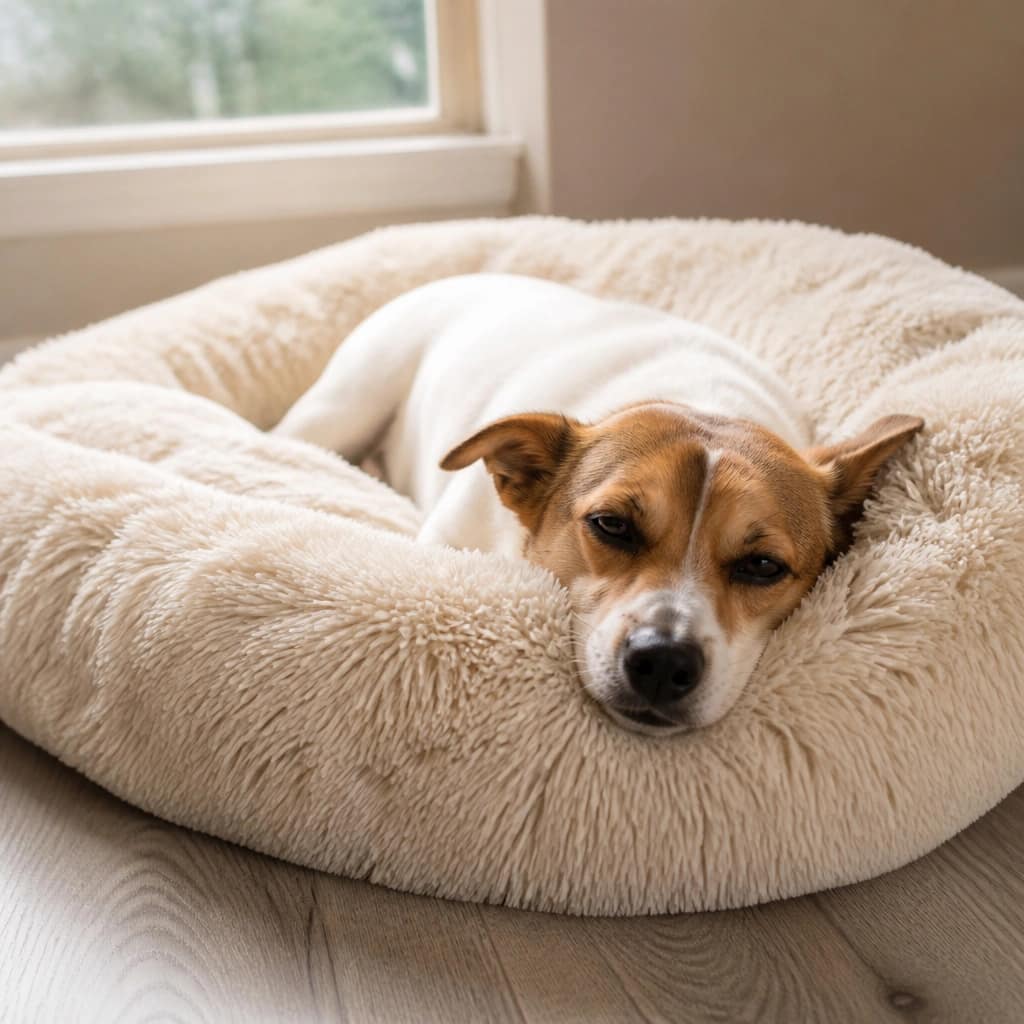
Plush dog beds trap your dog’s body heat because of how they’re built. Thick synthetic fill acts as insulation. Tight fabric weaves block airflow.
Bolster shapes reduce ventilation around your dog’s body. The result is a sleeping surface that holds heat instead of releasing it. Some dogs overheat quickly on these beds.
Why This Matters More Than Comfort
A bed that’s too warm doesn’t just make your dog restless. It can interfere with their ability to regulate body temperature during sleep. Dogs don’t sweat like humans do.
They rely on panting and heat dissipation through their paws and belly. When a plush bed wraps them in trapped heat, those cooling mechanisms work harder than they should.
Over time, poor sleep quality from being too warm can compound. A dog that wakes up several times a night because they’re uncomfortable is a dog that doesn’t get proper deep sleep. That affects recovery, mood, and even their immune system.
It’s also worth noting that some dogs won’t tell you they’re too warm. They’ll just stop using the bed. If your dog has started sleeping on the floor, tile, or hardwood instead of their plush bed, temperature is a likely culprit.
That’s a signal worth paying attention to.
How Plush Dog Beds Trap and Hold Heat
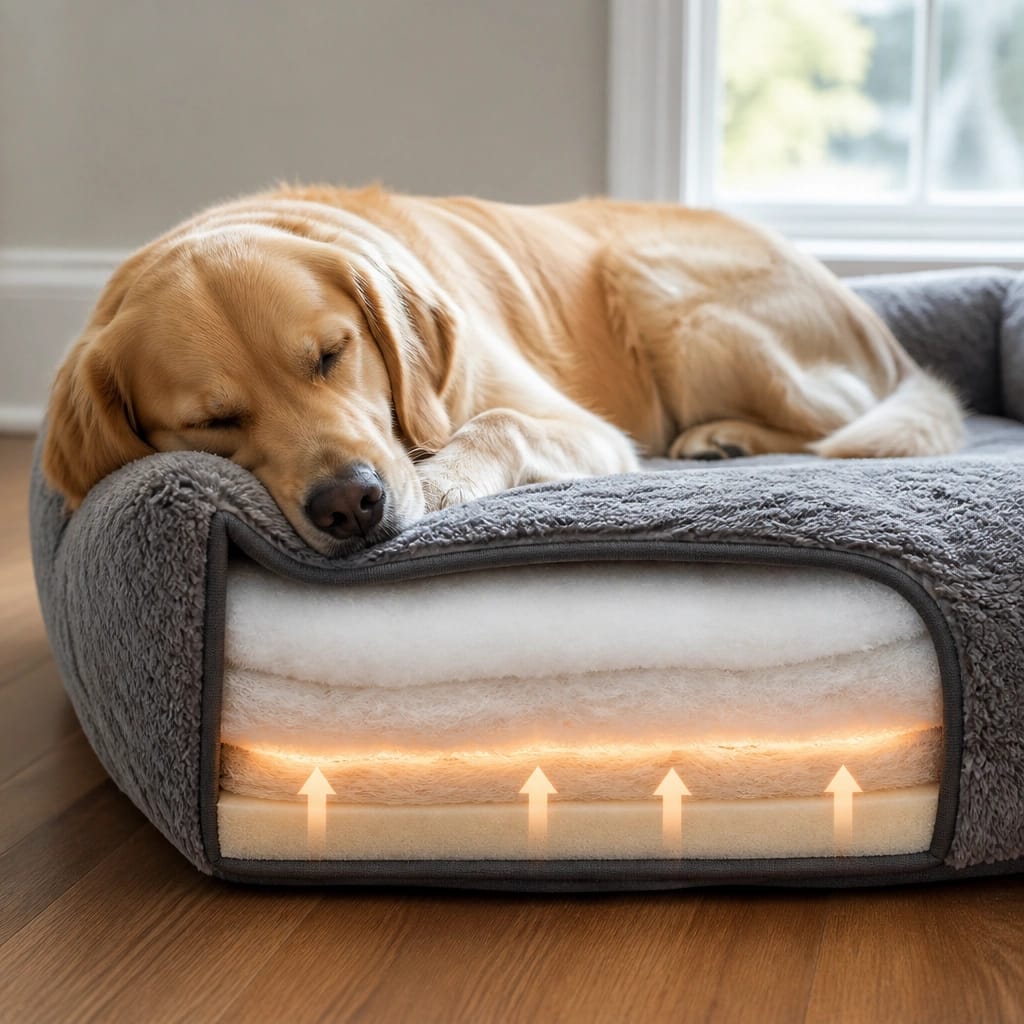
Let’s get into the mechanics. A plush dog bed works like a winter coat for the floor. The fill material traps air pockets.
Those pockets slow down heat transfer. When your dog lies on the bed, their body heat warms those trapped air pockets, and the insulation holds that warmth close to their body.
The Role of Synthetic Fill Materials
Most plush beds use polyester fiberfill. It’s cheap, it’s fluffy, and it holds its shape well. But polyester is a plastic-based material.
It doesn’t breathe like natural fibers do. Cotton or wool fill allows some airflow through the fibers. Polyester traps heat more efficiently.
The density of the fill matters too. Higher-density fills pack more fibers into the same space. That means more trapped air pockets and better insulation.
A thick, dense plush bed can hold body heat for hours after your dog gets off it.
How Bolster Shapes Reduce Airflow
Bolsters are those raised edges around the bed. They give your dog a place to rest their head. They also act like walls.
When your dog curls up inside a bolster bed, the raised sides block air movement around their body.
A dog lying flat on an open mat gets some airflow across their belly and back. A dog tucked into a donut or cave-style bed gets almost none. The warm air stays trapped in the pocket around the dog’s body.
The Difference Between Self-Warming and Regular Plush
Self-warming beds add another layer to this problem. They use a reflective lining or heat-retaining fabric like fleece or sherpa. These materials are designed to bounce your dog’s body heat back at them.
That’s great for a cold winter night in a drafty room. It’s a problem in a warm house or for a dog that already runs hot. If your dog has a thick coat and you’ve bought a self-warming plush bed, you’ve essentially given them a heated blanket they can’t kick off.
Which Dogs Are Most at Risk of Overheating
Not every dog will struggle with a plush bed. Some dogs run cold. Some love burrowing under blankets.
But certain dogs face a much higher risk of overheating on thick plush surfaces.
Brachycephalic Breeds
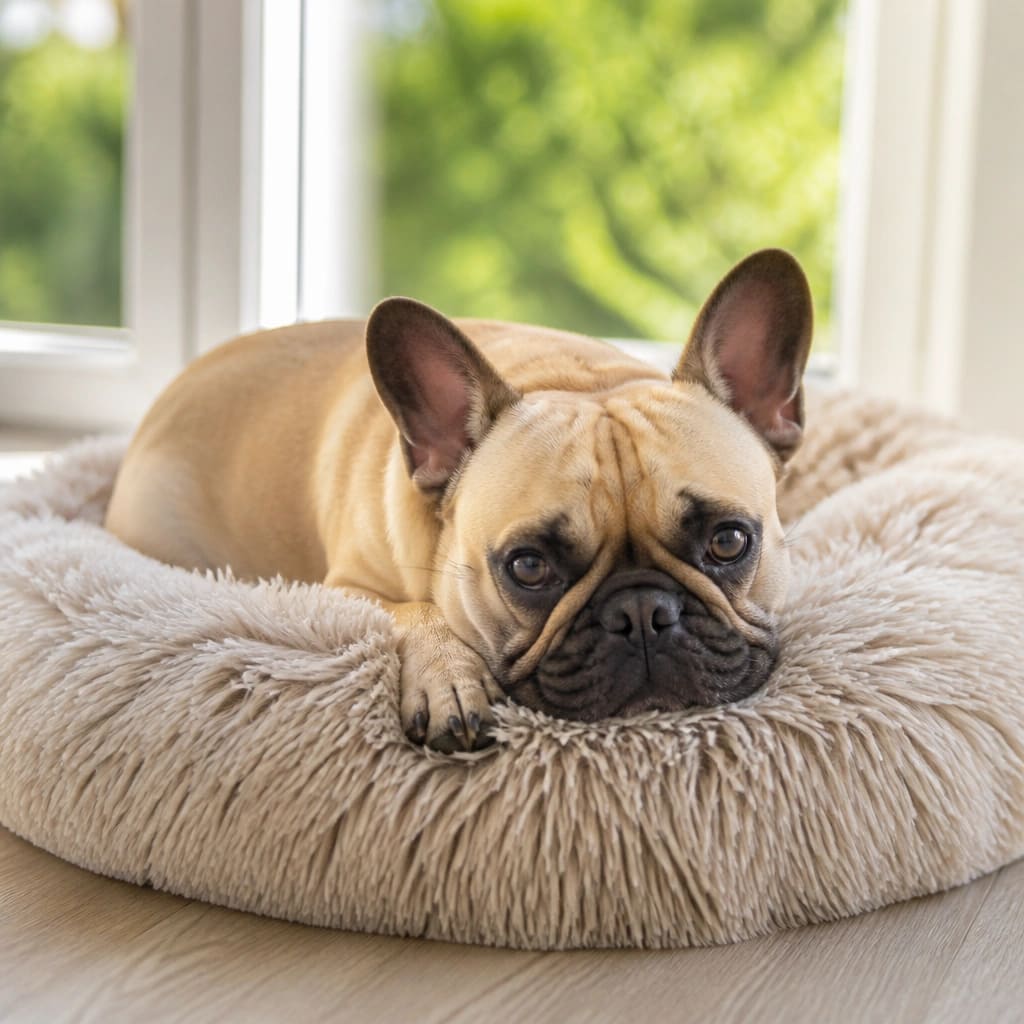
Flat-faced breeds like French Bulldogs, Pugs, Boston Terriers, and Bulldogs already have compromised breathing. Their airways are shorter and narrower. They pant less efficiently.
You can read more about the specific bed needs of these breeds in our guide on what kind of bed a French Bulldog needs.
When you add trapped heat from a plush bed, you’re forcing a dog with a limited cooling system to work even harder. These dogs overheat faster and recover slower. For a brachycephalic dog, a plush bed in a warm room can become genuinely dangerous.
Thick-Coated and Double-Coated Breeds
Huskies, Malamutes, Golden Retrievers, Newfoundlands, and other double-coated breeds have a built-in insulation layer. Their undercoat traps air close to their skin to keep them warm. That insulation works year-round.
Put a double-coated dog on a plush bed in summer, and you’ve stacked two insulation layers on top of each other. The bed traps heat from below. The coat traps heat from above.
The dog’s body is sandwiched in warmth.
These breeds often seek out cool surfaces like tile or concrete even in winter. If your thick-coated dog avoids their plush bed, temperature is probably the reason.
Senior Dogs and Puppies
Senior dogs often have arthritis or joint pain. They need cushioning. That’s why many owners buy thick plush beds for older dogs.
But senior dogs also have less efficient temperature regulation. Their bodies don’t adjust to heat as well.
Puppies face a similar challenge. They haven’t fully developed their thermoregulation systems. A very young puppy on a thick plush bed can overheat more easily than an adult dog.
For both groups, the tradeoff between joint support and temperature control is real. A thick orthopedic bed with a cooling gel layer often works better than a purely plush bed.
Signs Your Dog Is Too Warm on Their Bed
Dogs communicate discomfort through behavior and body language. Here are the clearest signs that a plush bed is running too hot for your dog:
- Excessive panting while lying down, especially if the room isn’t warm
- Restlessness and frequent position changes without settling
- Moving to the floor, tile, or other cool surfaces after being on the bed
- Lying on top of the bed rather than inside the sleeping area
- Pacing or circling more than usual before lying down
- Wet paw prints on the bed from sweaty paw pads
- Stretching out flat with legs splayed in an effort to cool down
- Refusing to use the bed entirely, even if they used it before
If you notice two or more of these signs consistently, your dog is telling you the bed is too warm. Don’t ignore it.
How to Test Whether Your Dog’s Bed Is Overheating Them
Here’s a simple test. After your dog has been on the bed for 15 to 20 minutes, place your hand on the sleeping surface where their body was. Feel the temperature difference between that spot and the surrounding area.
If the spot feels noticeably warmer than the rest of the bed, the fill is holding heat. Now check your dog’s belly and paw pads. If they feel hot or damp, your dog is actively trying to cool down.
Another test: switch to a thin cotton blanket on the floor for a few nights. If your dog sleeps more soundly and shows fewer signs of restlessness, the plush bed was the problem.
This doesn’t mean you need to throw the bed away. It means you need to be intentional about when and where you use it. Plush beds work well in cool basements or air-conditioned rooms.
They’re harder to justify in warm bedrooms or homes without central cooling.
Safe Practices for Using Plush Beds in Warm Conditions
You don’t have to toss the plush bed entirely. Use it strategically. Keep it in the coolest room of the house, away from direct sunlight or heat vents.
Put the bed in a spot with good airflow. A ceiling fan or nearby window makes a real difference. Wash the cover weekly.
Compacted dust and dander reduce breathability over time.
When to Switch to a Cooler Bed Type

If your dog consistently avoids the plush bed or shows overheating signs, a different bed type is worth considering. Each option solves the heat problem differently.
Breathable Cotton or Mesh Beds
Cotton covers and natural fiber fills allow more airflow than polyester. Mesh beds are even better for ventilation. These are best for dogs that sleep sprawled out and need maximum cooling.
Elevated Cot Beds
An elevated bed lifts your dog off the floor. Air moves underneath and around the sleeping surface. This is the most effective option for hot environments.
Our guide on indoor versus outdoor bed choices covers when elevated styles work best.
Cooling Gel Orthopedic Beds
These combine joint support with a gel layer that absorbs and disperses body heat. They’re a strong choice for senior dogs that need cushioning without the warmth trap.
Common Mistakes Owners Make With Plush Beds
The biggest mistake is assuming all dogs love warmth. Many dogs tolerate it rather than enjoy it. Another common error is buying a self-warming bed for a thick-coated breed.
Some owners also layer blankets or additional padding on top of an already plush bed. That compounds the heat problem. If your dog is already warm, adding more insulation works against them.
Seasonal Bed Rotation: One Bed Isn’t Enough
A single bed for year-round use rarely works for temperature-sensitive dogs. Switch to a cooler bed in warmer months. Bring the plush bed back when temperatures drop.
This is especially important for brachycephalic and double-coated breeds. Your dog’s bed needs change with the season just like your own bedding does.
When to Call Your Veterinarian
If your dog shows signs of heat stress that don’t resolve after moving them to a cool surface, call your vet. Symptoms include heavy panting that doesn’t stop, drooling, weakness, vomiting, or collapse.
Heatstroke is a medical emergency. Prompt veterinary care matters. For everyday concerns about bed temperature and comfort, your vet can also offer breed-specific guidance.
FAQs
Can a plush dog bed cause heatstroke?
Yes, in extreme cases. A dog trapped on a thick plush bed in a warm room without airflow can overheat to dangerous levels. Brachycephalic breeds face the highest risk.
Move your dog to a cool surface immediately if you see heavy panting or weakness.
How do I know if my dog’s bed is too warm?
Check the sleeping surface after your dog gets up. If it feels noticeably warm to your hand, the bed is holding heat. Watch for restlessness, panting, or your dog choosing the floor over the bed.
Those are clear signals.
Should I throw away my plush dog bed?
Not necessarily. Keep it for cool weather or air-conditioned rooms. Switch to a breathable or elevated bed during warmer months.
Seasonal rotation is the most practical solution for most owners.
Are cooling dog beds worth it?
For dogs that overheat easily, yes. Cooling gel beds and elevated cots are effective alternatives. They provide comfort without the heat trap.
Our guide on crate pad versus crate mat options can help you compare.
Quick Reference: Choosing the Right Bed for Your Dog’s Temperature Needs
| Bed Type | Best For | Heat Risk |
|---|---|---|
| Plush synthetic fill | Cool climates, short-coated breeds | High |
| Cotton or mesh bed | Warmer homes, moderate climates | Low |
| Elevated cot bed | Hot environments, any breed | Very low |
| Cooling gel orthopedic | Senior dogs, joint support needs | Low |
| Self-warming plush | Cold weather, thin-coated breeds only | Very high |
Match the bed to your dog’s breed, coat type, and home temperature. One bed rarely works year-round. Rotate seasonally and watch your dog’s behavior for the best results.


