

How to Choose a Dog Bed for Road Trips
Your dog’s regular bed is fine for the living room. But throw it in the back of a car and it becomes a sliding, wrinkly mess. That’s why learning how to choose a dog bed for road trips takes a different approach.
You need something that stays put, cleans up easily, and keeps your dog comfortable on the move.
As of 2026, the average SUV backseat measures about 50 inches wide. Standard home dog beds are often wider or bulkier than that space allows. So measuring your car is just as important as measuring your dog.
Let’s walk through what actually matters.
Start with your dog’s size and sleeping style. Then measure your car’s backseat or cargo area. Choose a bed with a non-slip bottom and a waterproof layer.
Pick a hammock for seat protection. Pick a flat bed for sleeping comfort. Washability and portability are non-negotiable.
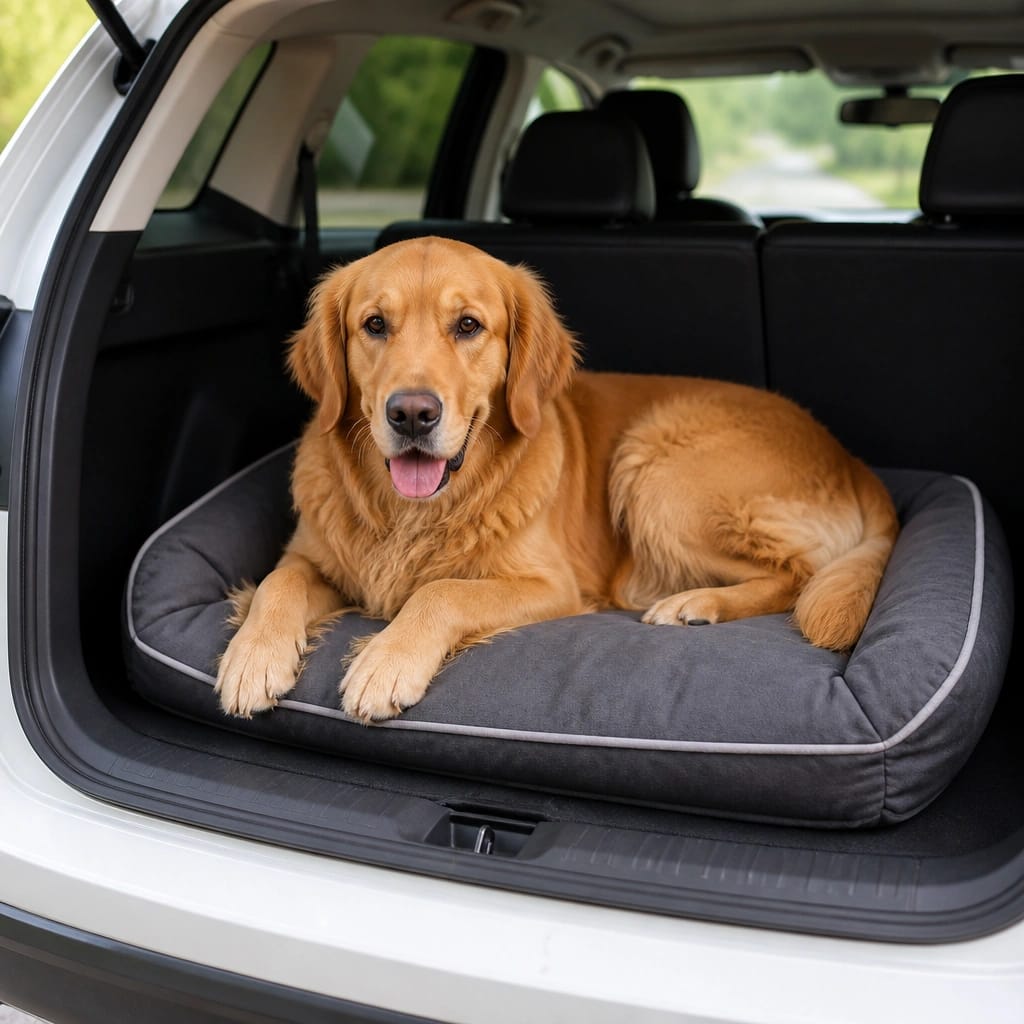
Why a Regular Dog Bed Won’t Work for the Car
A standard home bed has no non-slip backing. On a leather or cloth car seat, it slides with every turn. That’s unsafe for your dog and distracting for you.
Most home beds are too wide for a car’s backseat. A 36-inch round bed barely fits in a compact sedan. A 48-inch orthopedic bed takes up the entire cargo area.
Then there’s the mess. Dogs drool, shed, and get carsick. A home bed with a non-removable cover is hard to clean.
A travel bed with a zippered, machine-washable cover is much easier to maintain.
If your dog has a habit of chewing or digging, a standard bed might not hold up. Our research shows that dogs who ride in cars often engage in these behaviors more due to anxiety. Choosing durable materials from the start can save you money in the long run.
What You Actually Need to Think About First
Before you search for a bed, answer three questions. Your answers will narrow down the options quickly.
Your Dog’s Size and Sleeping Style
Measure your dog from nose to tail while they’re standing. Add a few inches for comfort. If your dog curls up, a smaller donut-style bed works.
If they stretch out, you need a flat bed with enough room.
Check your dog’s weight against the bed’s weight limit. Most travel beds cap out around 50 or 75 pounds. Large dogs need beds designed for their size.
Your Car’s Layout and Space
Measure the width and depth of your backseat or cargo area. Write down the numbers. A bed that’s too wide won’t fit.
A bed that’s too narrow leaves your dog uncomfortable.
If you drive a sedan, the backseat floor is usually the best spot. If you drive an SUV or hatchback, the cargo area gives more room. Some dogs prefer a booster seat that lets them see out the window.
How Often and How Far You Travel
A weekend trip is different from a cross-country drive. For short trips, a basic hammock or pad works. For long trips, invest in better padding and more durable materials.
If you travel frequently, choose a bed that folds small and packs easily. If you only drive once a month, a slightly bulkier bed is fine.
The Big Decision: Hammock vs. Bed vs. Crate Pad
This is the most important choice you’ll make. Each option has a clear use case.
Image source: Wikimedia Commons / Cpl. Reece Lodder
| Feature | Dog Hammock | Flat Travel Bed | Crate Pad |
|---|---|---|---|
| Seat protection | Best | Good | Minimal |
| Sleeping comfort | Moderate | Best | Good |
| Stability in turns | Best | Moderate | Good |
| Portability | Good | Best | Moderate |
| Best for | Small to medium dogs | All sizes | Crate-trained dogs |
A dog hammock straps across the backseat. It creates a stable, enclosed space. Your dog can’t fall into the footwell.
It’s the best choice for seat protection and stability.
A flat travel bed is more like a regular bed but built for travel. It’s lighter and folds flat. It offers the most sleeping comfort.
It’s the best choice for dogs who need to stretch out.
A crate pad is a thin, firm cushion. It fits inside a travel crate. It’s the best choice for dogs who already sleep in a crate at home.
If you’re still comparing crate bedding options, look for a pad that matches your crate dimensions exactly.
If your dog gets anxious in the car, a hammock’s enclosed feel can help. Some dogs prefer the familiarity of a crate pad. The type of bed for a dog with anxiety or noise phobia often comes down to how much confinement they need.
Flat beds work well for dogs who settle quickly.
Key Features That Make or Break a Travel Bed
Once you pick the type, look at the features. These four matter most.
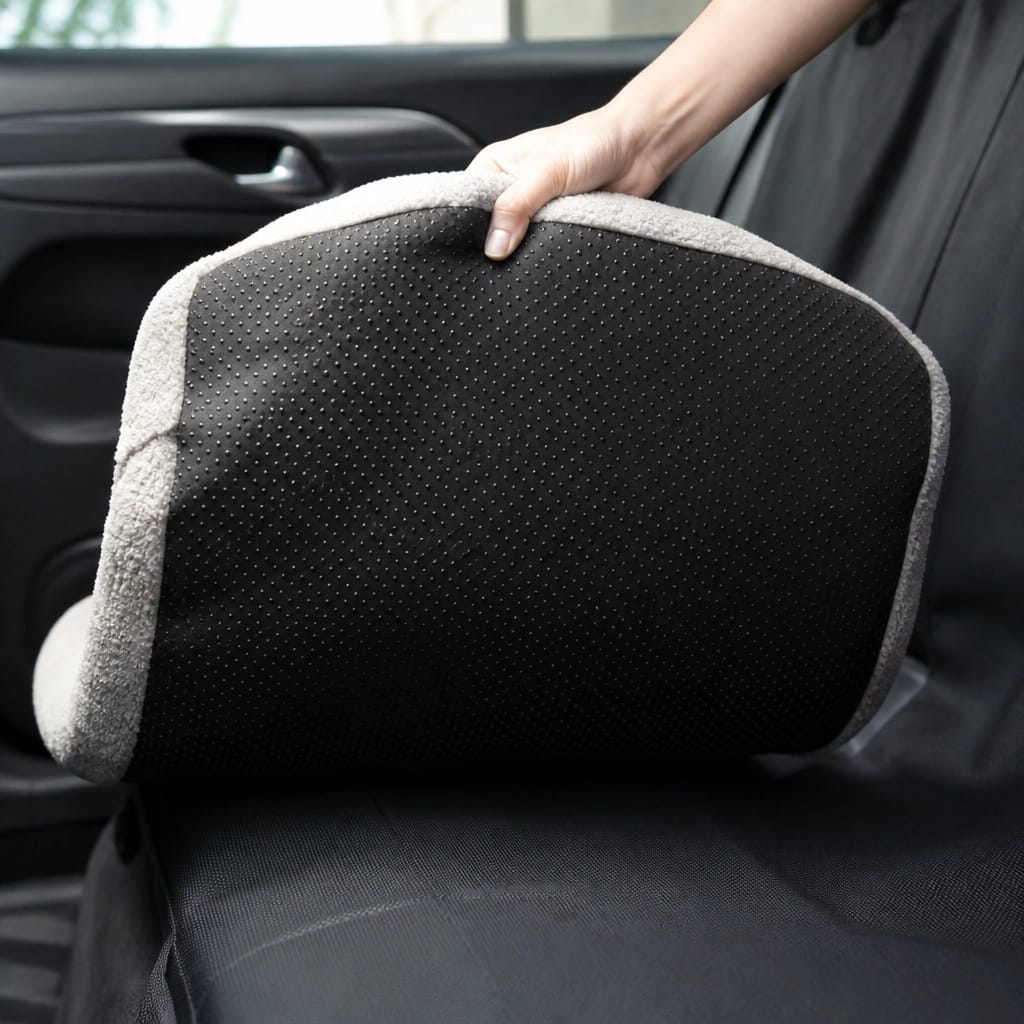
Non-Slip Bottom
A bed that slides is dangerous. Look for a rubber or silicone backing. It should grip the seat fabric or cargo floor.
If the bed doesn’t have a non-slip base, skip it.
The Center for Pet Safety recommends secure pet restraint in vehicles. A bed that stays put is part of that equation.
Waterproof Layer
Dogs get carsick. Dogs have accidents. Dogs come in from the rain.
A waterproof liner between the cover and the foam protects the bed from odor and damage. For travel, this is a must.
If you’ve ever had to deal with a soaked bed, you know the value of waterproofing matters. A fully waterproof design saves your car’s upholstery and your sanity.
Washability
The whole bed should be machine washable. Not just the cover. Some travel beds have removable covers that zip off.
Others are fully washable.
Check the care instructions before you buy. Cleaning up accidents is much easier when the entire bed can go in the wash.
Portability
A travel bed should fold or roll into a compact size. Some come with a carry bag or strap. The bed itself should be lightweight.
A heavy bed defeats the purpose of a travel product.
How to Measure Your Dog and Your Car
Getting the right size is the most common mistake. Here’s how to do it right.
Measure your dog from the tip of the nose to the base of the tail while they’re standing. Add 4 to 6 inches for comfort. That’s the minimum bed length.
Measure your dog’s height at the shoulder while they’re standing. Add a few inches. That helps you choose a bed with enough bolster height if you go with a bolstered style.
For your car, measure the width of the backseat between the doors. Measure the depth from the back of the front seat to the backseat. Write both numbers down.
Compare the bed’s dimensions to your car’s space. A bed that’s too wide won’t fit between the doors. A bed that’s too deep won’t leave room for the front seats.
If you’re unsure about sizing, a proper size guide can help you get started. For travel, you’ll want to check the car measurements too.
A puppy’s needs differ from an adult’s when it comes to sizing. A growing pup might need a different bed size next year. Keep that in mind if you’re buying for a young dog.
Matching the Bed to Your Dog’s Needs
Small Dogs and Booster Seats
Small dogs under 20 pounds do well in a booster seat. It lifts them up to see out the window. That reduces anxiety on long trips.
A booster seat with a tether keeps them secure. It also prevents them from climbing into the front seat. Make sure the booster has a washable insert for accidents.
Large Dogs and Cargo Area Beds
Large dogs need floor space. The cargo area of an SUV or hatchback works best. Look for a flat bed that fits the exact dimensions of your cargo area.
A bed with a non-slip bottom is critical here. The cargo area is slippery. A sliding bed can injure your dog during sudden stops.
Senior Dogs and Joint Support
Senior dogs benefit from extra padding. A thicker foam bed with 3 or 4 inches of support helps their joints. Memory foam is a good choice for long drives.
Consider a heated bed for cold weather trips. It can ease stiff joints. If you’re looking at winter-use options, check that the heating element is safe for car use.
Puppies and Accident-Proofing
Puppies need a waterproof bed with a removable cover. Accidents happen. A bed you can toss in the wash is essential.
Choose a smaller bed that fits their current size. A puppy can feel lost in a large bed. You can upgrade as they grow.
Mistakes Travelers Make When Choosing a Dog Bed
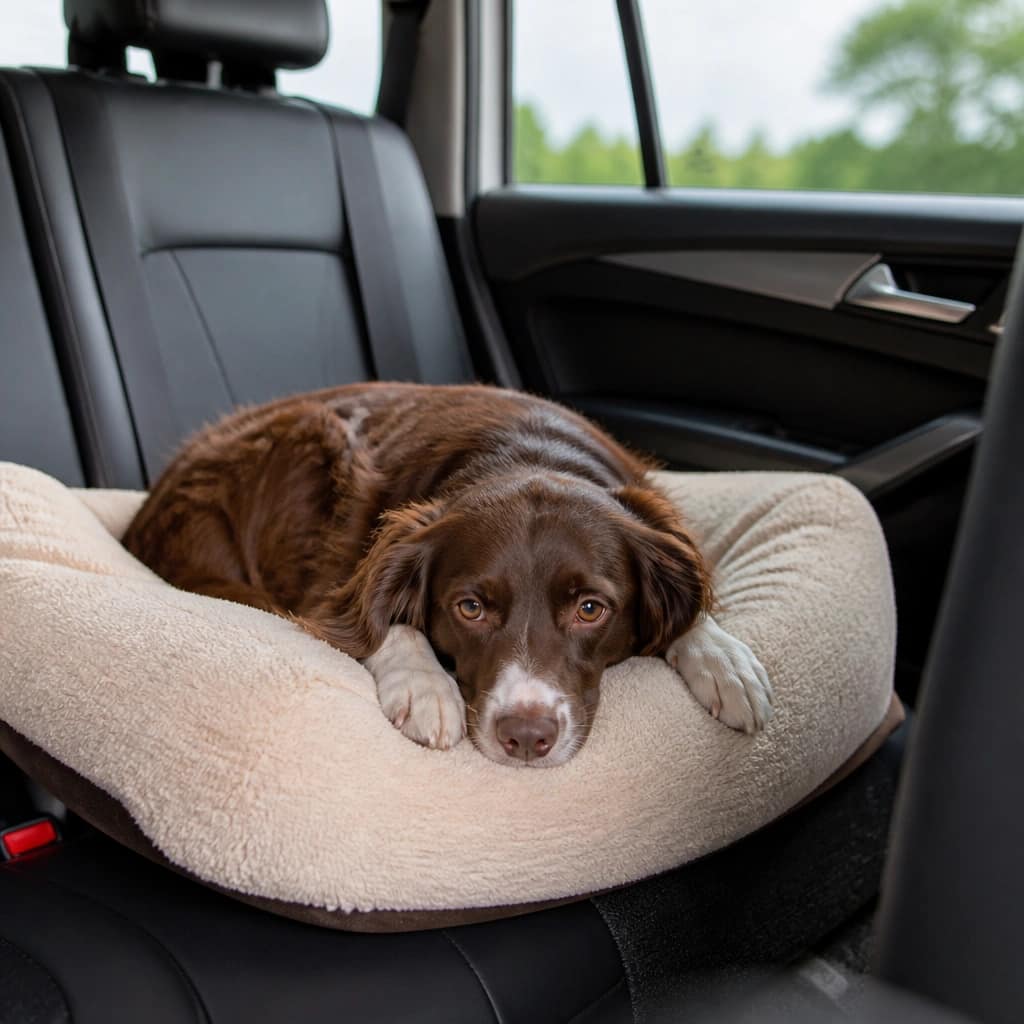
The biggest mistake is guessing the size. Always measure your dog and your car before buying. A bed that’s too big won’t fit.
One that’s too small leaves your dog uncomfortable.
Another mistake is skipping the non-slip bottom. A sliding bed is unsafe. It can also stress your dog out.
Some people buy a bed that’s too thick for the car. A 5-inch thick foam bed might not fit in a compact car. Measure the seat depth before you order.
Safety Considerations for Dogs in the Car
A bed alone isn’t enough for safety. You need to secure it. Use a seatbelt strap or tether to keep the bed from becoming a projectile.
Never let your dog ride in the front seat. Airbags can injure them. The backseat is the safest place.
The American Veterinary Medical Association recommends crate travel for maximum safety. If you use a crate, choose a crate pad that fits snugly. A loose pad can bunch up.
Make sure your dog has ventilation. Don’t block the air vents with the bed. Dogs overheat faster than people.
How to Test Your Travel Bed Before a Long Trip
Set the bed up at home first. Let your dog sleep on it for a few nights. That way the bed picks up their scent.
It becomes familiar.
Take a short test drive. See how the bed stays in place. Watch your dog’s behavior.
If they seem anxious, try a different setup.
Check the fit after the test drive. The bed should not slide. It should not be too tight.
Make adjustments before the big trip.
Frequently Asked Questions
What type of dog bed is best for a car?
A dog hammock is best for seat protection. A flat travel bed is best for sleeping comfort. Choose based on your dog’s needs and your car’s layout.
How do I keep my dog’s bed from sliding?
Look for a bed with a rubber or silicone non-slip bottom. You can also place a non-slip mat under the bed for extra grip.
Can I use a regular dog bed in the car?
You can, but it’s not ideal. Regular beds slide around and are hard to clean. Travel beds are built for the car’s space and conditions.
How do I clean a travel dog bed?
Most travel beds have a removable, machine-washable cover. Wash on a gentle cycle with mild detergent. Air dry or tumble dry on low.
What size bed does my dog need for the car?
Measure your dog from nose to tail and add 4 to 6 inches. Then measure your car’s backseat or cargo area. The bed must fit both the dog and the car.
Is a crate or a bed safer for car travel?
Crash tests by the Center for Pet Safety show that a properly secured crate is the safest option. A bed with a tether is a good alternative if a crate doesn’t fit.
The Bottom Line: Picking the Right Bed for Your Next Trip
Start with your dog’s size and your car’s measurements. Choose a hammock for seat protection or a flat bed for sleeping comfort. Make sure it has a non-slip bottom and a waterproof layer.
Washability and portability are essential for travel.
Test the bed at home before a long drive. Secure it properly in the car. Your dog will be safer and more comfortable.
That makes every road trip better for both of you.


