

Should a Dog Have a Bed in Every Room?
No, most dogs don’t need a bed in every room. They need the right bed in the rooms where they actually rest. A well-placed bed does more than a house full of ignored ones. Watch where your dog naps, not where they walk through. Then match the bed to that space.
Most dog owners end up asking “Should a Dog Have a Bed in Every Room?” the first time they watch their pup wander from the living room to the bedroom, sniff a bed, and flop down on the floor instead. The honest answer? No, your dog doesn’t need a permanent bed in every room.
But they do need a comfortable, safe spot wherever they actually spend time resting.
As of 2026, most veterinary and canine behavior sources agree that dogs sleep 12 to 14 hours a day, so the real question is about placement, not quantity. American Kennel Club guidance and canine behavior research both point to a simple principle: a dog’s sleeping surface matters more than the number of beds they own. The goal is making sure your dog always has an appropriate place to settle, not turning your home into a pet furniture showroom.
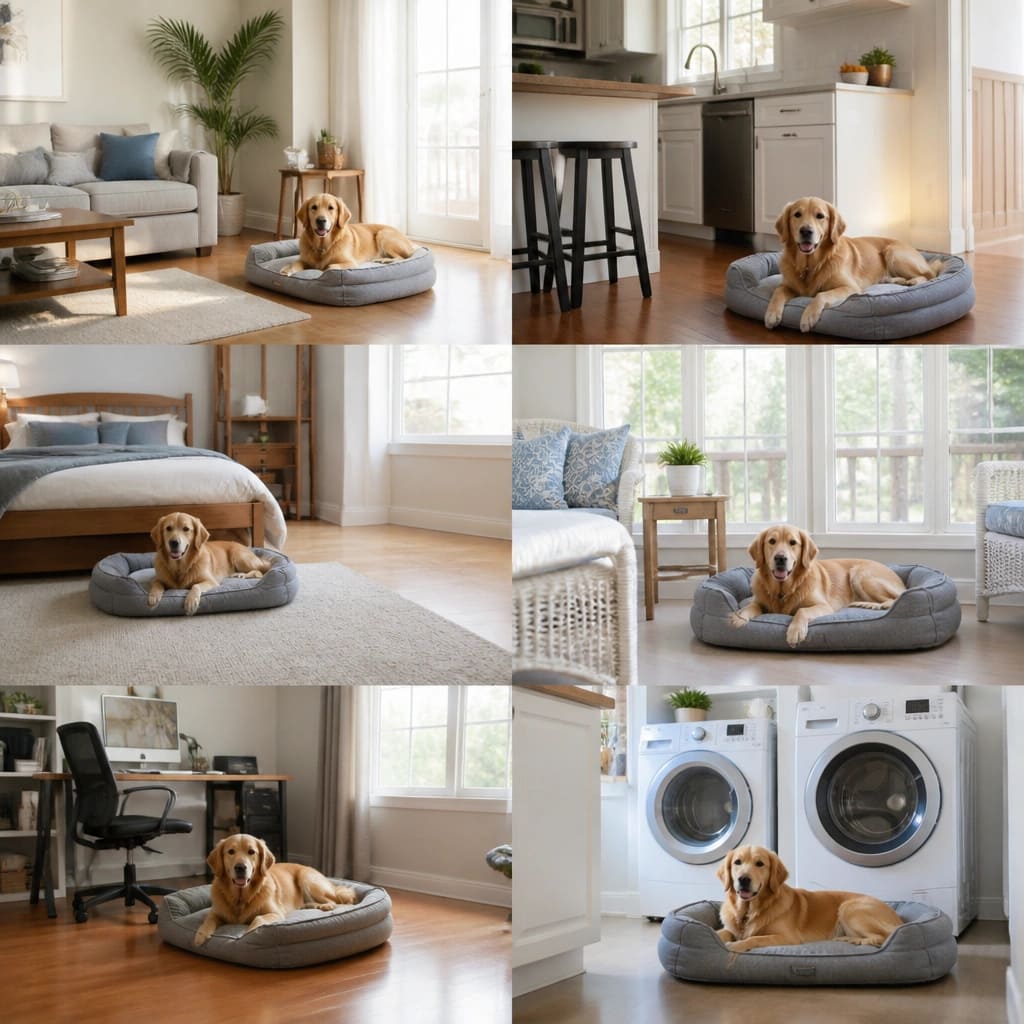
Start Here: Does Your Dog Really Need a Bed in Every Room?
The Key Factors That Change the Answer
The correct number of beds depends entirely on your individual dog. Age, health, temperament, and your home’s layout all play a role. What works for a senior Lab with arthritis won’t work for a young, crate-trained Frenchie.
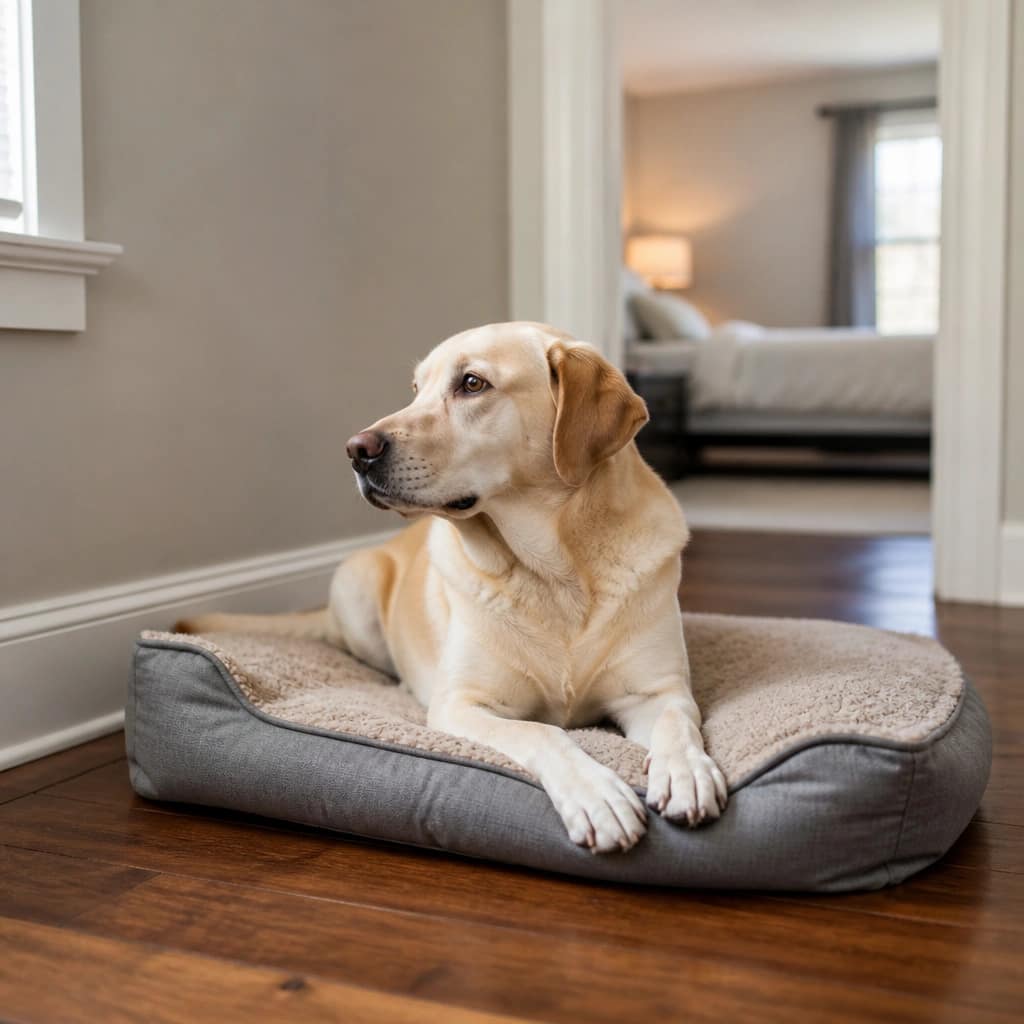
Age and Mobility
Puppies and young adult dogs have no trouble flopping onto hardwood or tile. They’re resilient, and a floor nap doesn’t bother them. Senior dogs or those with joint issues are a different story.
For them, a supportive orthopedic bed in the main living area isn’t a luxury, it’s a comfort necessity.
If your dog has difficulty standing, hesitates before lying down, or seems stiff after naps, pay attention. Hard surfaces worsen joint pain. A dog like this benefits from extra beds in the rooms where they rest most, simply because they won’t always make the trek to a single distant bed.
Anxiety and Routine
Dogs with anxiety or noise phobias often rely on a familiar, den-like space to feel safe. One consistent bed in a quiet corner can become their security zone. Adding more beds elsewhere doesn’t help.
It can actually dilute that sense of safety.
For an anxious dog, consistency matters more than quantity. A single, well-placed bed in a calm, low-traffic area gives them a predictable retreat. If they have a second safe spot, like a crate, that’s fine.
Just don’t assume scattered beds will reduce their stress. You can read more about providing a supportive space for anxious dogs.
Your Home Layout
The physical size and structure of your home dictate how many beds make sense. A small apartment doesn’t need multiple dog beds. One good bed in the main living area covers nearly all day-to-day resting.
Multi-level homes are the exception. If your dog spends time upstairs during the day and downstairs in the evening, hauling a single bed up and down stairs isn’t realistic. In that case, two beds, one per level, makes practical sense.
Dogs follow their people, so match the beds to your living patterns.
A Simple Decision Guide for Adding Beds
Use this quick if-then logic to decide whether another bed is worth it.
| Condition | Recommendation |
|---|---|
| Dog is young, healthy, and sleeps anywhere | One bed is enough |
| Dog is senior or has joint pain | Add a bed in the main resting area |
| Dog sleeps in a crate | Use a proper crate pad instead of a loose bed |
| Dog follows you between floors all day | Consider one bed per floor |
| Dog ignores the bed and sleeps on the floor | Read why dogs reject their beds before buying another |
| Dog chews or destroys every bed | Focus on durable materials before adding more |
The pattern is clear. You add beds because of a need, not because of a number. A dog that happily curls up on a rug in the home office doesn’t need a dedicated bed there.
Which Rooms Actually Earn Their Own Bed
The rooms that deserve their own dog bed are the ones where your dog actually sleeps for extended periods. That’s usually the living room and the bedroom. Everything else is optional.
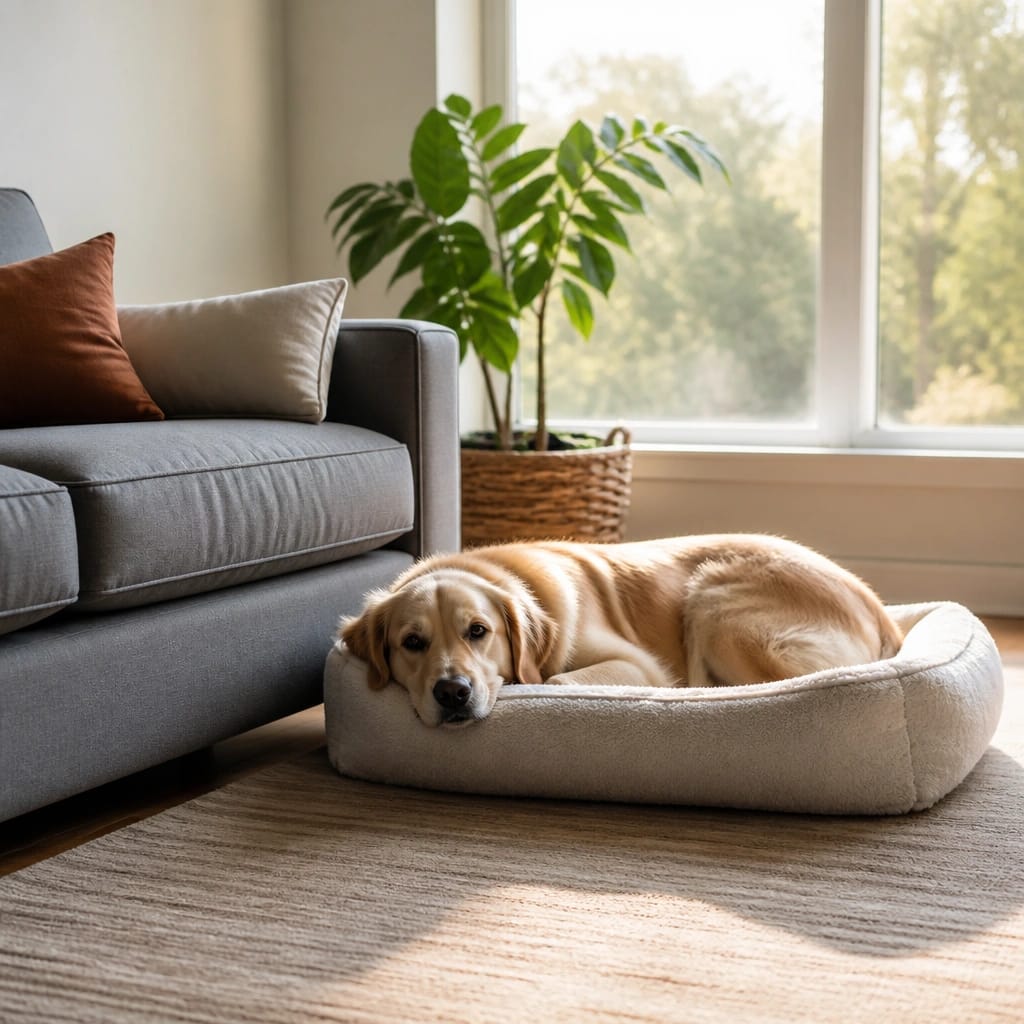
The Living Room
This is where most dogs spend their daytime hours. If you watch TV on the couch for two hours, your dog is probably right there with you. A bed placed near the sofa or by a window gives them a comfortable spot to join the family without being underfoot.
Position matters. Put the bed somewhere with a clear view of the room. Dogs like to watch what’s happening.
A corner with no sightlines is less useful than a spot near the action. Check where to place your dog’s bed for more specific guidance.
The Bedroom
At night, many dogs naturally want to be near their people. If your dog sleeps in your room, a bed on the floor next to yours can be a great compromise. It gives them proximity without sharing your mattress, which some owners prefer for hygiene or space reasons.
If your dog sleeps in a crate, skip a separate bedroom bed. The crate with a proper pad or mat is their bed. Adding another one just creates something for them to ignore.
How Many Beds Is Too Many?
There’s no magic number, but there is a practical ceiling. Three beds in a one-bedroom apartment is probably excessive. Two beds in a two-story house is entirely reasonable.
The real limit is clutter and usefulness. A bed that never gets used is just furniture your dog doesn’t want. If you’re stepping over beds in the hallway, you have too many.
If a bed sits in a corner untouched for weeks, move it or remove it.
A better approach is to watch your dog’s habits. Where do they nap at 10 a.m.? Where do they settle at 8 p.m.?
Those two spots are where beds earn their keep. Everywhere else, a rug or blanket works just fine.
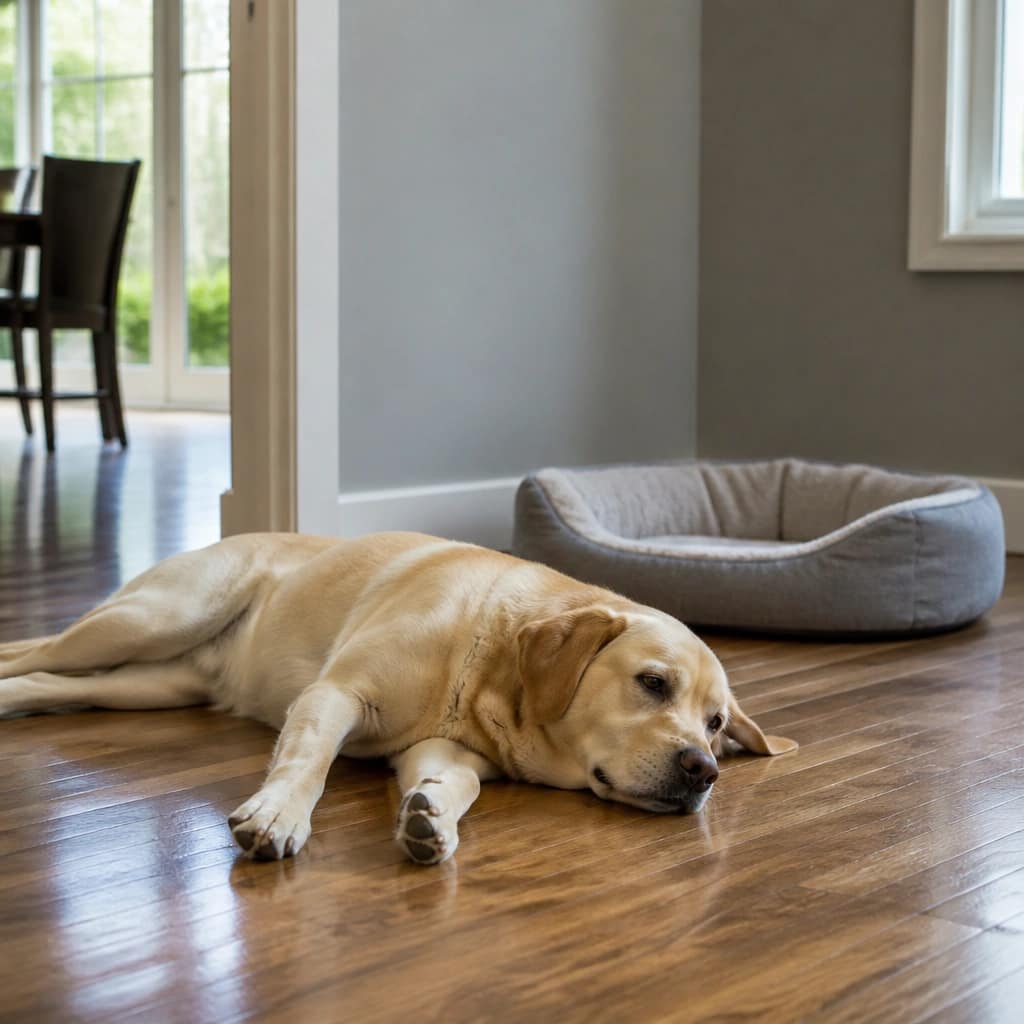
Common Mistakes That Make Dogs Ignore Their Beds
Wrong size. Too small feels cramped, too large feels insecure. Measure your dog from nose to tail base and add a few inches.
A bed that fits well gets used more often.
Bad placement. A high-traffic spot gets avoided. Dogs want a quiet corner with a clear view of the room.
Move the bed before you give up on it.
Overheating. Thick plush beds get abandoned in summer. Switch to breathable or cooling fabrics when the seasons change.
The American Kennel Club notes that a dog’s sleeping habits shift with temperature, so adjusting the bed is completely normal.
Rushed introduction. Dogs need time to accept something new. Toss treats on the bed and praise any sniff or step onto it.
Never force the dog down onto a new bed.
Smart Alternatives to Extra Beds
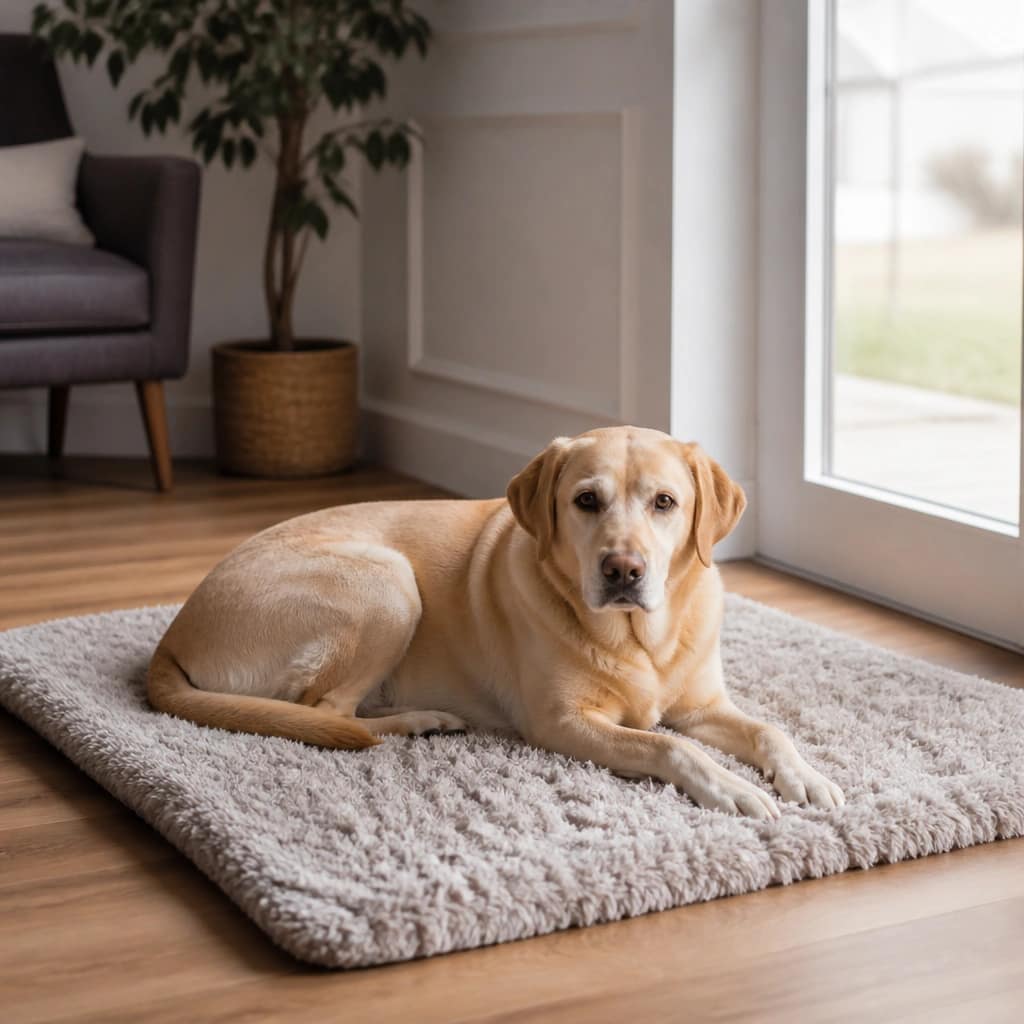
A crate with a padded mat often works better than a loose bed. It gives anxious dogs the den-like security they crave. Blankets and rugs are easy to wash and swap between rooms.
If your dog willingly chooses the floor or the couch, let them. Some dogs simply prefer a cool hard surface or the scent of their humans. Comfort matters more than convention.
Choosing the Right Bed When You Do Add Another
Measure your dog from nose to tail base and add a few inches. Use our size chart by weight as a quick reference. For senior dogs, pick orthopedic foam to ease joint pressure.
For chewers, go with hard-wearing, chew-resistant covers. For dogs that curl up, a bolster style bed gives them a headrest and a sense of enclosure.
How to Introduce a New Bed Without Drama
Place the bed where your dog already naps. That’s the spot they’ve already chosen. Put something with your scent on it, like a worn t-shirt.
Toss treats inside and let them explore at their own pace.
Praise any calm behavior. Don’t force the dog to lie down. Let them discover the new bed on their own terms.
Quick Answers: Common Questions About Dog Beds
Should a puppy have a bed in every room?
No. One or two washable beds plus a crate are plenty during house training. Puppies explore with their mouths and might chew on extra beds around the house.
Why does my dog sleep on the floor instead of their bed?
The bed may be too warm, too big, or too small. Try a different texture or a cooling pad. Some dogs also prefer the firmness of a hard floor.
How many beds does a dog actually need?
Most dogs do well with one or two. Add another only if your dog regularly rests in a second room, like a home office or an upstairs bedroom.
Can a dog have too many beds?
Yes. Excessive beds create clutter and can confuse a dog’s routine. A consistent, familiar sleeping spot is more valuable than having many scattered options.
The Final Verdict: Your Dog’s Needs Come First
No, not every room needs a bed. Start with one or two well-chosen beds where your dog actually sleeps. Watch their habits, measure them, and let their behavior guide you.
If your senior dog follows you between floors, a second bed is worth it. If your healthy pup ignores the one you bought, don’t add more. Fix what you have first.
A weight-based sizing guide will help you spot basic mistakes in fit or placement.
The goal isn’t furnishing a house with dog beds. It’s giving your dog a comfortable, safe place to rest whenever they need it. Get that right and the rest falls into place.


