

Do Pregnant Dogs Need a Whelping Bed?
Do pregnant dogs need a whelping bed? If your girl is due in weeks, this is one of the first questions you’re probably asking. It’s a serious moment.
Getting the setup right can make labor safer and far less stressful.
A whelping bed is a purpose-built nesting area designed for birth and the first weeks of a puppy’s life. Unlike ordinary bedding, it combines raised walls, a low entry side, and a waterproof, easily sanitized base. As of 2026, most veterinary organizations recommend a dedicated whelping setup over letting a mother choose her own spot.
Yes. Pregnant dogs need a whelping bed or box for safe delivery. Regular dog beds are not built to handle birthing fluids or protect fragile newborns. A proper whelping setup keeps puppies contained, warm, and clean. It also gives the mother a secure, calm place to nest.
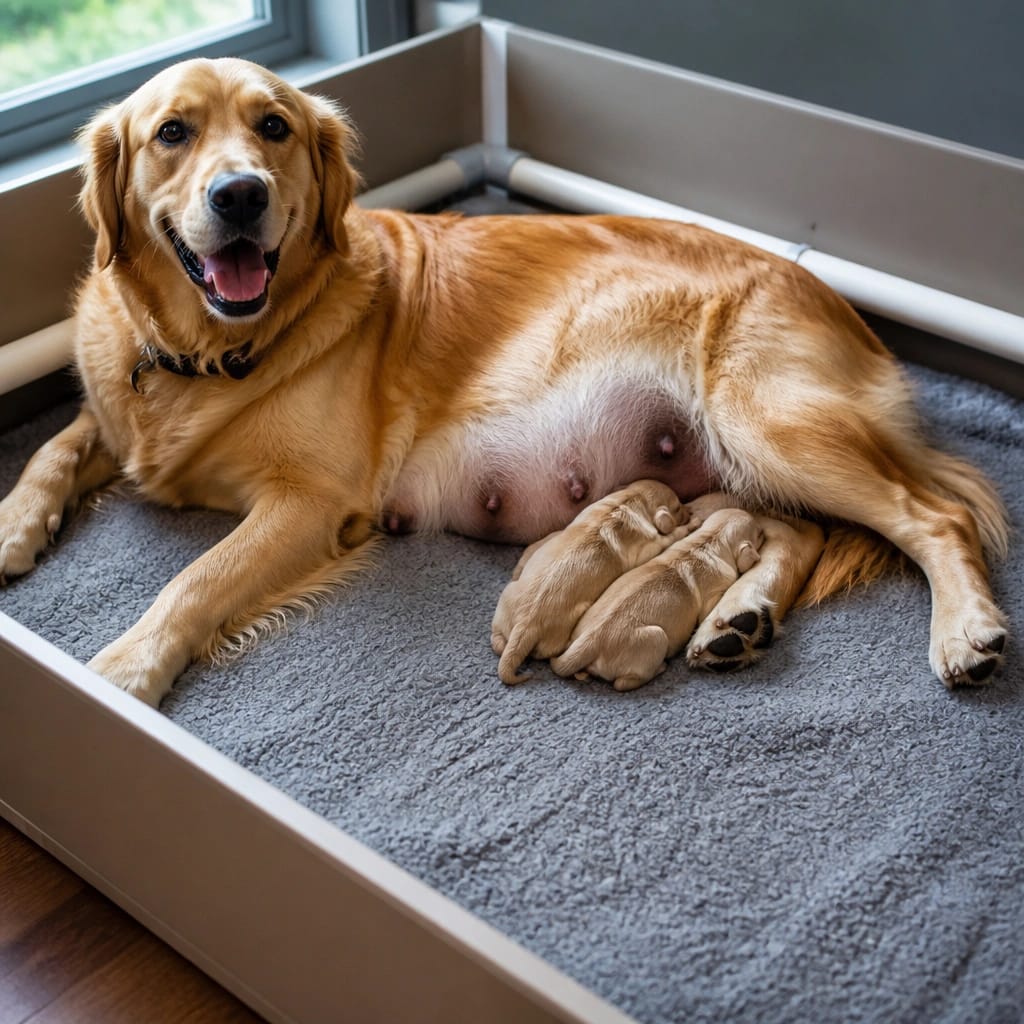
What a Whelping Bed Actually Does
A whelping bed is a safe, controlled space that acts like a den. Its main job is protecting newborn puppies during their most fragile hours.
The raised walls keep puppies from drifting away or getting trapped under the mother. This is called a “crush” risk, and it’s the leading cause of newborn puppy death.

A good whelping bed also:
- Contains birthing fluids and mess
- Keeps puppies warm and grouped together
- Gives the dam a quiet, private place to labor
- Helps you monitor the delivery at eye level
Without it, your dog may pick an unsafe spot. Closets, under beds, and behind the couch are common choices. A whelping bed helps her stay where you can reach her if something goes wrong.
Whelping Bed vs. Regular Dog Bed: Why the Difference Matters
This is where a lot of owners assume a plush bed will work. It won’t.
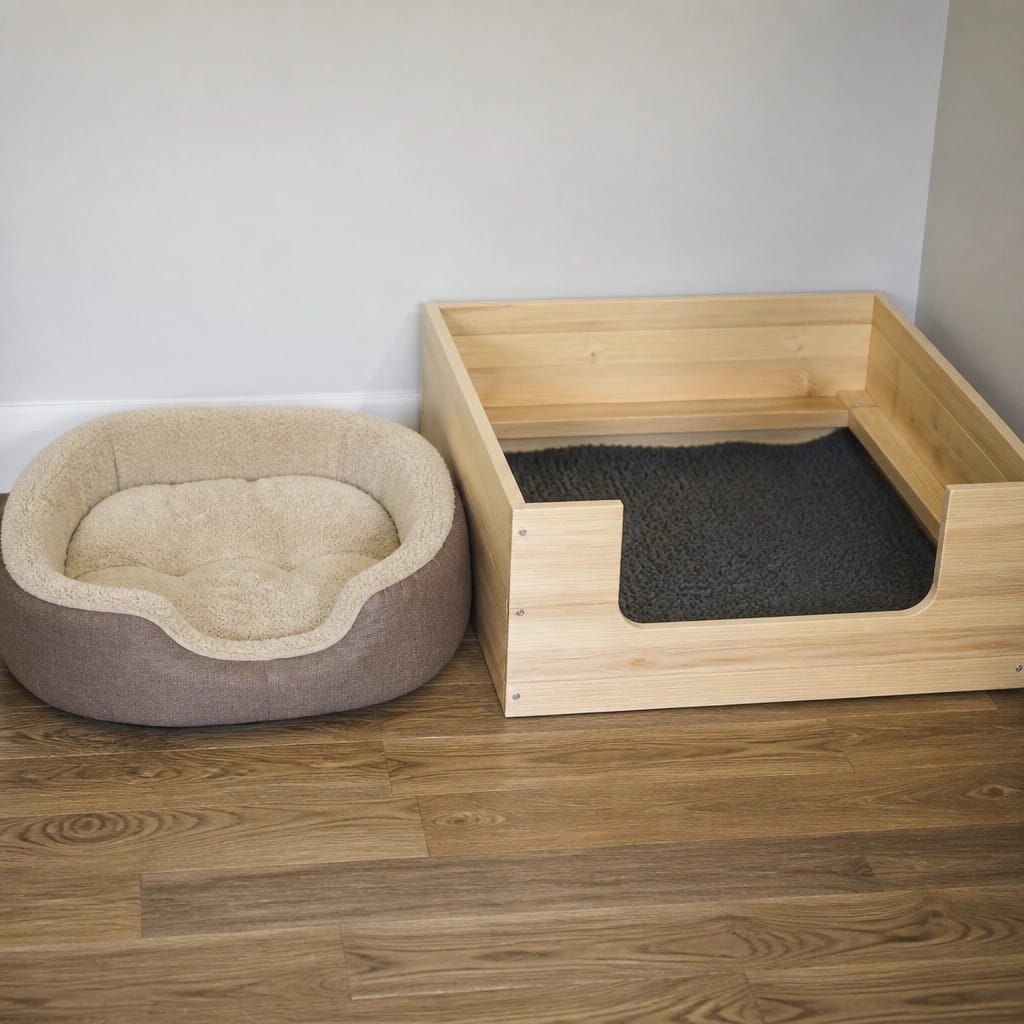
A regular dog bed is designed for sleeping. A whelping bed is designed for survival. That difference matters when newborn puppies are involved.
| Feature | Regular Dog Bed | Whelping Bed |
|---|---|---|
| Absorbs fluids | Soaks everything in | Waterproof base repels liquids |
| Cleanable | Hard to sanitize | Wipe down or replace pads |
| Anti-crush safety | None | Puppy rail protects newborns |
| Containment | None | Keeps puppies in one area |
Regular beds also have soft, plush bolsters. A mother can accidentally press a puppy against them. The materials trap heat, bacteria, and moisture.
Even a high-quality waterproof dog bed is not designed for this specific job.
When a Whelping Bed Is Truly Necessary
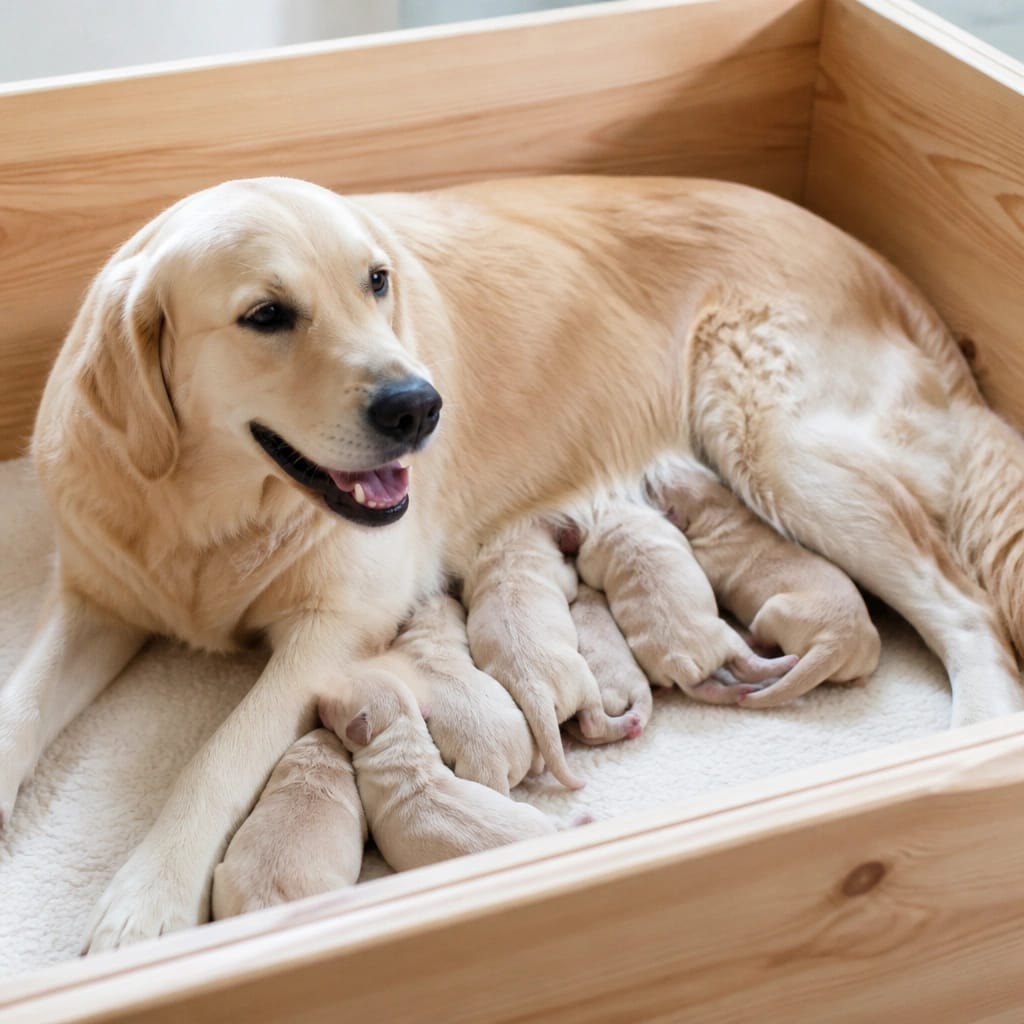
If your dog is giving birth, a whelping bed is the safest choice in most situations. Certain cases make it essential.
- You’re a breeder. This is the standard, responsible setup.
- It’s her first litter. In first-time mothers, complications are more common.
- She’s a small breed. Tiny puppies and small dams have a higher crush risk.
- You can’t supervise 24/7. The bed reduces dangers when you’re not looking.
If your dog has a high-risk pregnancy, your vet may recommend a planned C-section. You will likely still need a recovery box afterward. That box can be the same whelping bed.
The rule is simple. If you are keeping the puppies at home, get a proper whelping setup.
When You Might Skip It
There are a few honest exceptions to the rule.
If your veterinarian has advised a hospital birth, you might not need a home whelping bed. High-risk pregnancies, certain breeds, and some health conditions mean the safest delivery location is a veterinary clinic.
You may also skip a full whelping box if you’re using a veterinary-supervised setup with around-the-clock monitoring. Some owners use a large dog crate with a custom puppy rail instead. That works if done correctly.
But not having a bed is rarely a good idea. Even if your dog delivers safely in a closet or on your bathroom floor, the days after birth are risky. Puppies need a confined, warm, clean space.
A whelping bed provides that. You can always transition to a standard bed from our dog beds complete guide later.
What to Look for in a Whelping Bed
Not every product labeled “whelping bed” is built the same. Use these features as your checklist.
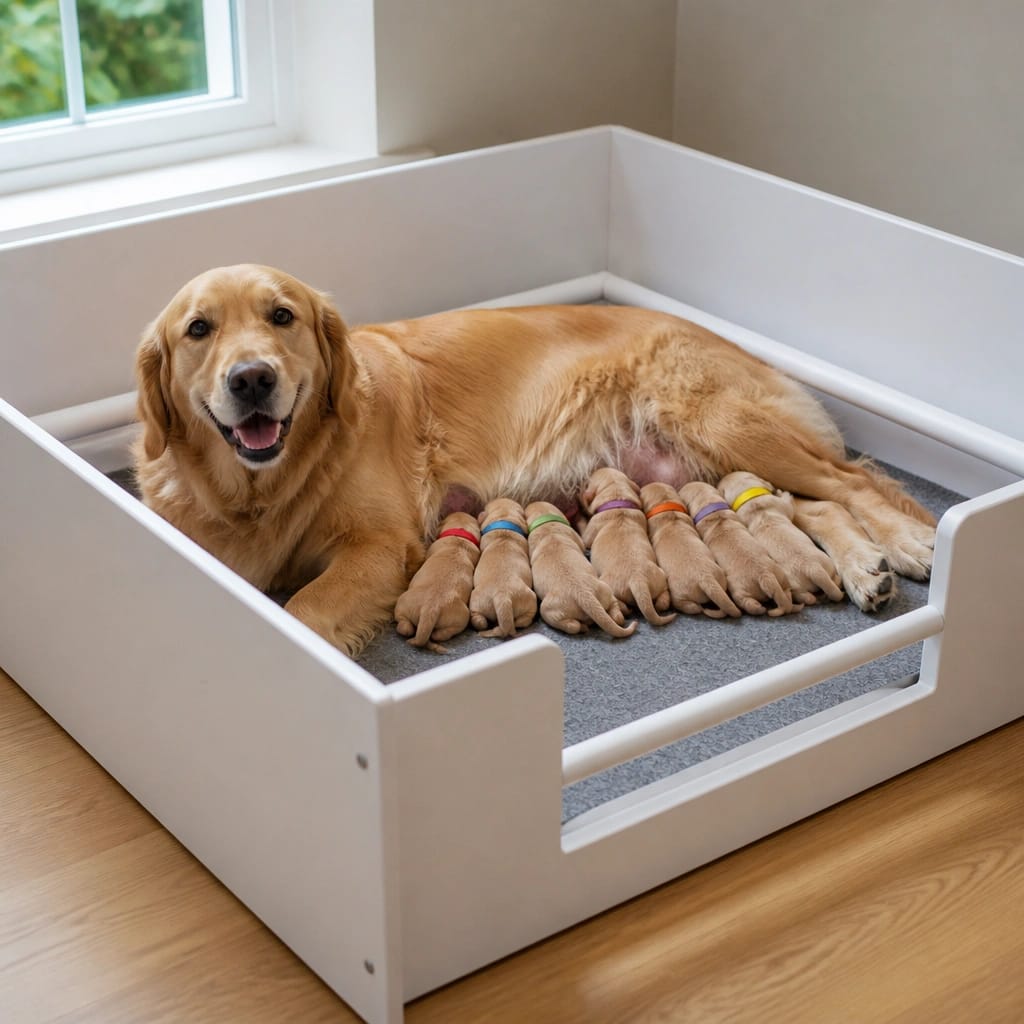
- Waterproof base. This is non-negotiable. Fluids will be everywhere.
- Walls high enough to contain puppies. Six to eight inches is typical.
- A low entry side. The mother must step in and out easily.
- Puppy rail. A small ledge around the walls that stops the mother from crushing puppies.
- Removable, washable cover. You’ll be cleaning after every feeding.
- Non-slip floor. Newborns need traction, and so does the mother.
Size matters more than most people think. The bed should let the mother lie fully stretched out, with room for the litter. Check our dog bed size chart by weight to get a sense of what fits her body length.
A bed that’s too small causes stress. One that’s too large lets puppies wander away from her warmth.


