

Do Dogs Really Need a Dog Bed? What They Actually Get From One
Yes, dogs really do need a bed, but not for the reasons most people assume. It isn’t about spoiling them. It’s about sleep quality, joint comfort, and giving them a safe, predictable place to rest.
If you’ve ever watched your dog circle the floor, paw at the carpet, or drag blankets into a pile, you’ve already seen the instinct at work. Do dogs really need a dog bed? What they actually get from one is more than a soft place to lie down.
As of 2026, the research is fairly clear: sleep quality directly affects a dog’s mood, behavior, and physical health. Most adult dogs sleep 12 to 14 hours a day, and puppies or seniors can need 18 to 20 hours. That’s a lot of time spent on whatever surface you give them.
A bed provides insulation from cold floors, pressure relief for joints, and a defined space that helps dogs feel secure. Without one, they’ll improvise, and not always in ways that support their bodies properly.
Yes, most dogs genuinely benefit from having a bed of their own. A bed provides joint support, insulation from hard or cold floors, and a consistent safe space that reduces anxiety. Some dogs do fine with blankets, especially in warm homes or on carpet. The real question is whether your dog’s current sleeping surface supports their age, health, and natural instincts. Watch what they choose, and you’ll have your answer.

Why the “Do Dogs Need a Bed?” Question Actually Deserves an Answer
Most owners assume a dog will just sleep anywhere, and they’re partially right. Dogs are adaptable. They’ll sleep on tile, hardwood, grass, or a pile of laundry if that’s what’s available.
But adaptability isn’t the same as comfort. A dog sleeping on a hard floor doesn’t mean they prefer it, it means they tolerate it.
Think about how your own body feels after a night on a bad mattress. Dogs experience the same thing, just without the ability to complain about it in words. They show it through behavior, like excessive circling, digging, or getting up and repositioning constantly.
A proper sleeping surface helps prevent those restless patterns from forming.
The real reason this question matters is that sleeping on hard surfaces can create subtle problems over time. It places pressure on the elbows, hips, and shoulders, especially in larger breeds. Over months and years, that repeated pressure can contribute to joint discomfort and even calluses.
That’s why veterinarians and canine behaviorists often recommend a padded sleeping area for dogs, particularly as they age. You don’t need to spend a fortune. You just need to understand what your dog actually needs.

What a Dog Bed Physically Provides (and What It Can’t)
A dog bed isn’t a magic cure. It’s a support tool. Here’s what it actually does, and where it stops being helpful.
Joint Support, Not a Medical Fix
A good bed cushions bony pressure points, which helps blood flow and reduces the chance of pressure sores. This matters for dogs with arthritis, hip dysplasia, or heavy body weight. But a bed doesn’t treat those conditions.
It just makes rest more comfortable. If your dog already has mobility issues or is limping, a bed isn’t a substitute for a vet visit.
Temperature and Surface Comfort
Dogs lose heat through their belly and paws when lying on cold floors. On tile or hardwood in winter, that can cause your dog to shiver or curl up abnormally tight. A bed insulates against that heat loss.
In summer, the opposite happens, and a thick bed can trap body heat. That’s why raised cots and cooling mats exist. Your climate and floor type should drive the style you choose.
A Consistent Safe Place
Dogs are den animals by instinct. Having a dedicated spot that smells like them and belongs only to them lowers anxiety. It gives them somewhere to retreat when the house is busy, when there’s a storm, or when they just need a break.
A bed placed in a quiet corner can do more for a nervous dog than most people expect. That sense of ownership is part of why dogs often prefer their own bed over sharing yours.
The First Check: What Is Your Dog Currently Sleeping On?
Before buying anything, look at where your dog actually sleeps right now. That tells you more than any guide can.
- Hard floors: Your dog is dealing with significant pressure and cold. A padded bed is likely a good idea.
- Carpet: Carpet offers some cushioning and warmth. A thin mat or blanket may be enough.
- Sofas and human furniture: Your dog already found a soft spot. The question is whether you want them there long-term.
- Crates: Dogs in crates need a properly fitted mat or pad to avoid pressure on elbows and hips.
- Blankets and towels: These work as a temporary solution but flatten quickly and offer little support. They’re fine for a test, not a long-term plan.
Watch for patterns over a few days. If your dog consistently chooses rugs, carpets, or laundry piles over bare floors, they’re telling you they want padding. If they choose the cool tile even when a bed is nearby, they might be overheating or prefer a firmer surface.
When a Dog Genuinely Needs a Purpose-Built Sleeping Surface
Some situations make a dedicated bed more urgent than others. If any of these fit your dog, don’t put off the decision.
- Senior dogs with arthritis: Joint pain gets worse with cold and hard surfaces. An orthopedic foam bed, even a basic one, can meaningfully improve sleep quality in older dogs.
- Puppies in crate training: Puppies need a washable surface that absorbs accidents and keeps them warm outside your body heat. A chew-resistant crate pad works best.
- Post-surgery or injury recovery: After surgery, the goal is keeping your dog still and comfortable. A supportive surface with a non-slip base prevents slipping and puts less strain on healing joints.
- Large breeds prone to pressure sores: Heavy dogs put enormous pressure on their elbows and hips. Without soft padding, they can develop calluses or skin irritation.
- Dogs with hip dysplasia: A proper bed doesn’t fix the joint, but it reduces the pain associated with lying down and getting up. Look for a bed with enough thickness and firmness to keep the body from sinking too deep.
In these cases, a simple blanket usually isn’t enough. You want a structure that holds its shape, provides even support, and can be washed regularly.
When a Dog Bed Is the Wrong Call
Yes, there are times when buying a bed backfires. Knowing these can save you money and frustration.
Dogs who prefer cooler surfaces. Some breeds, especially those with thick coats, despise warm bedding. They’ll sleep beside the bed or move to a cold floor. For them, a raised cot or a cooling mat works better than a plush pillow.
Heavy chewers who eat foam and fabric. If your dog destroys every bed within a week, the issue isn’t the bed, it’s destructive chewing. You can either choose a chew-resistant option made from tightly woven materials or wait until the behavior is under control. Otherwise, you’re just buying expensive stuffing for your dog to spread around the living room.
If you’re seeing this pattern, take a look at why dogs eat or destroy their beds before investing in something nice.
Dogs with incontinence or allergies. A bed that absorbs urine will quickly smell and harbor bacteria. You’d need a fully waterproof model with a removable, washable cover. That’s not impossible, but it’s a specific product.
If you skip the waterproof layer, you’ll end up throwing the bed away in a few months. Choose accordingly, or stick with easily washable blankets and a crate tray for now.
Signs Your Dog Is Telling You They Want a Bed
Circling, pawing, and digging at bare floors are classic nesting signals. Dogs also gravitate toward rugs, laundry piles, or sofas when they want more padding. Reluctance to lie down on hard surfaces is the clearest clue.
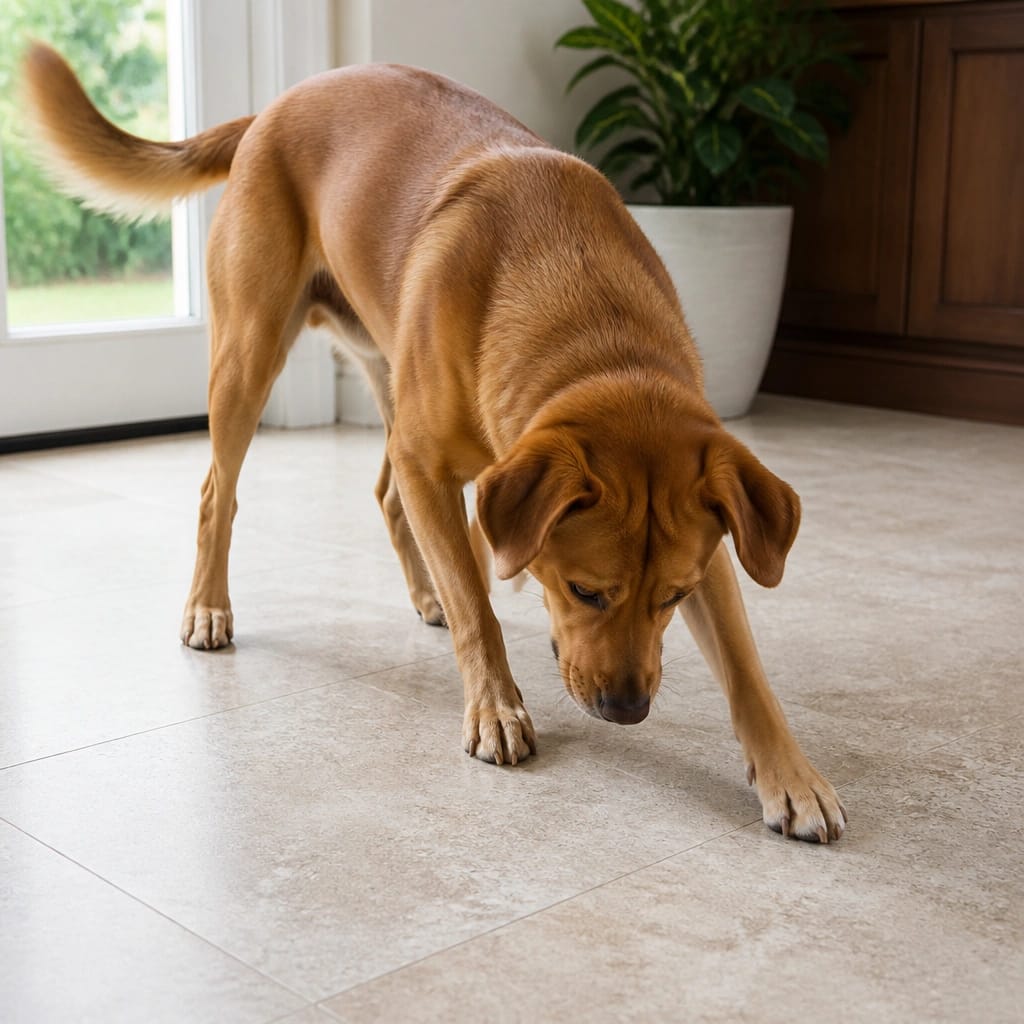
If your dog chooses cool tile despite a blanket nearby, they may overheat. That’s a temperature preference, not a bed rejection.
How to Test Whether Your Dog Needs a Bed (A Quick Assessment)
Place a folded towel or blanket in their usual sleeping spot. If they consistently pick it over the bare floor, they want padding. Check the floor type in their favorite room.
Hard surfaces raise the need for a proper bed.

Choosing the Right Sleeping Surface if They Do Need One
- Orthopedic foam beds for joint issues and senior dogs.
- Flat mats for dogs who prefer a firm, low-profile surface.
- Bolster beds for dogs who like head support or curling.
- Raised cots for hot weather and heavy chewers.
- Crate mats for crate-trained puppies and adults.
How to Introduce a New Bed Without Resistance
Place the bed where your dog already sleeps. Add a worn t-shirt or familiar blanket. Use treats and praise to create a positive link.
If they refuse, try a different location or material.
Common Mistakes That Make Dogs Ignore Their Beds
Skipping the first wash, choosing the wrong size, or putting the bed in a noisy area causes rejection. A bed that traps too much heat or sits too far from the family will also be passed over. Watch your dog’s habits before giving up.
Crate Mats vs Full-Size Dog Beds: Which Fits Your Situation?
Crate mats are thin and sized to fit inside a crate. Full-size beds suit open rooms where your dog can stretch out. If your dog sleeps in a kennel, a mat prevents bunching.
The crate pad versus a crate mat choice comes down to chew risk and washability.
How a Dog Bed Changes as Your Dog Ages
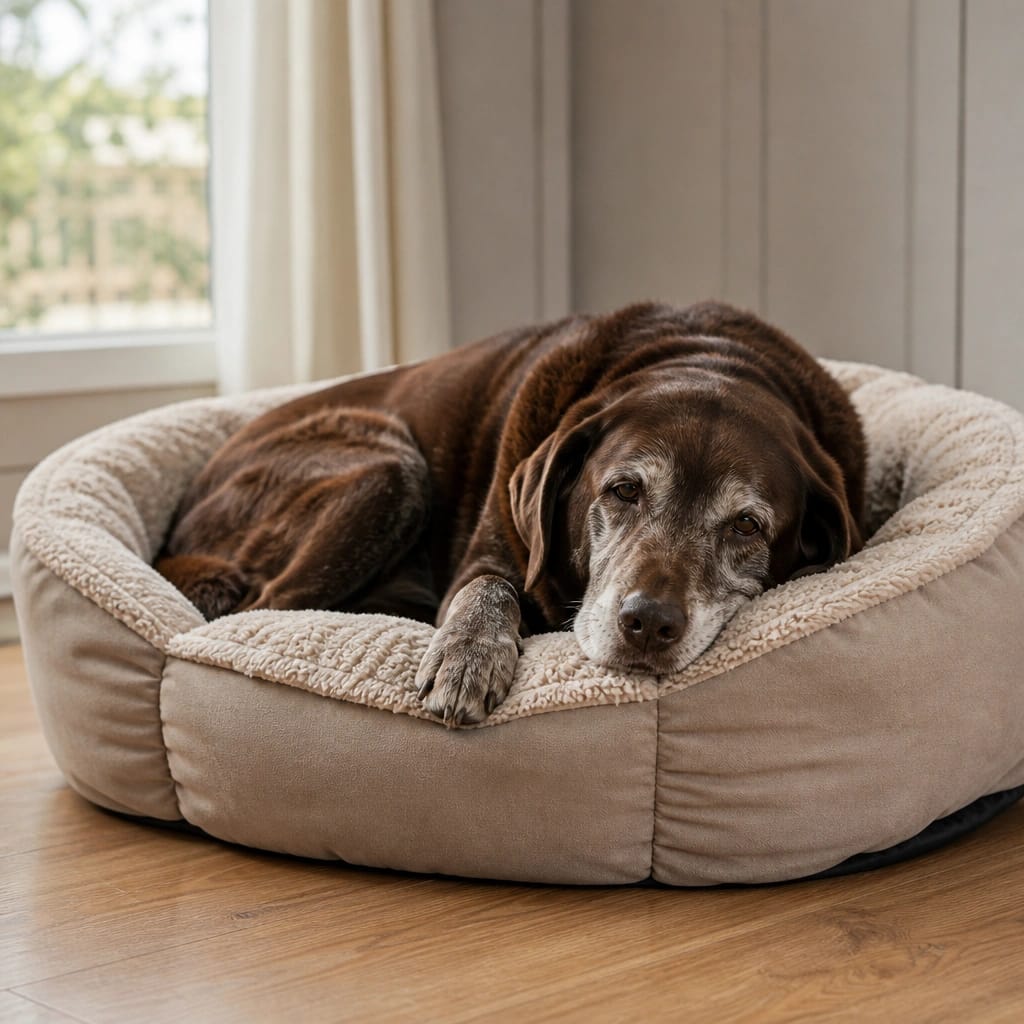
Puppies need washable, chew-resistant surfaces that survive accidents. Adults need durable support that matches their weight. Seniors need low-profile orthopedic beds that are easy to step into.
Sizing shifts too, so check what size bed fits a puppy versus an adult dog before you buy.
When to Replace a Dog Bed
Replace a bed when the foam loses its spring or the fill clumps. Most foam beds last two to four years with regular washing. If your dog suddenly ignores a favorite bed, the support is probably gone.
For soaked-in accidents, try removing dog urine smell from memory foam before buying a replacement.
FAQs About Dog Beds and Sleeping Behavior
Is a dog bed necessary if my dog sleeps on the couch?
No, but only if that’s a permanent arrangement. A dog needs a consistent, safe surface they can use alone. Couch cushions offer similar basic comfort.
Why does my dog sleep on the floor instead of their bed?
They may be too warm, or the bed’s location doesn’t suit them. Some dogs prefer firm, cool surfaces. Move the bed to a quieter spot and watch their behavior.
What’s the best bed for a dog with arthritis?
A low-profile orthopedic bed with medium-firm foam works best. It supports joints without a high step-up. Veterinary guidance from the American Veterinary Medical Association is a good reference for overall senior joint care.
How often should I wash my dog’s bed?
Wash the cover every one to two weeks. This removes dirt, allergens, and odor. Use mild detergent and let the cover air-dry.
Final Decision Guide: Should You Buy a Dog Bed?
If your dog sleeps on hard floors, circles and digs at surfaces, or is getting older, yes. If they’re healthy and content on carpet, a blanket might be enough. Test with a towel, watch their choices, and let your dog’s behavior be the final judge.
The right sleeping surface supports their body, fits your climate, and matches their personality.
How to Choose the Right Sleeping Surface if They Do Need One
Match the bed to your dog’s weight, sleeping position, and chewing habits. A heavy dog needs thick, high-density foam. A digger needs durable, washable fabric.
When in doubt, check our dog bed size chart by weight for a starting point.
Crate Mats vs Full-Size Dog Beds: Which Fits Your Situation?
Crate mats fit kennel dimensions and handle accidents well. Full-size beds suit open rooms and offer more stretching room. Choose based on where your dog sleeps most and how destructive they are.
How a Dog Bed Changes as Your Dog Ages
Puppies need washable, chew-resistant surfaces. Adults need durable support matching their weight. Seniors need low-profile orthopedic beds that are easy to step into.
The right fit changes over time, so reassess every couple of years.
When to Replace a Dog Bed
Replace a bed when the foam loses its spring or filling clumps. Most foam beds last two to four years with regular washing. If your dog suddenly avoids a favorite bed, the support is probably gone.
FAQs About Dog Beds and Sleeping Behavior
Is a dog bed necessary if my dog sleeps on the couch?
No, not if that’s a permanent arrangement. What matters is a consistent, soft surface they can use alone. Couch cushions provide similar basic comfort.
Why does my dog sleep on the floor instead of their bed?
They may be too warm or prefer a firmer, cooler surface. Try moving the bed to a quieter spot and watch whether their behavior changes.
What’s the best bed for a dog with arthritis?
A low-profile orthopedic foam bed with medium-firm support works best. It cushions joints without a high step-up. For overall guidance, the American Veterinary Medical Association is a solid reference.
How often should I wash my dog’s bed?
Wash the cover every one to two weeks. Use a mild detergent and let it air-dry. This keeps odors and allergens under control.


