

When Should You Replace a Puppy Bed?
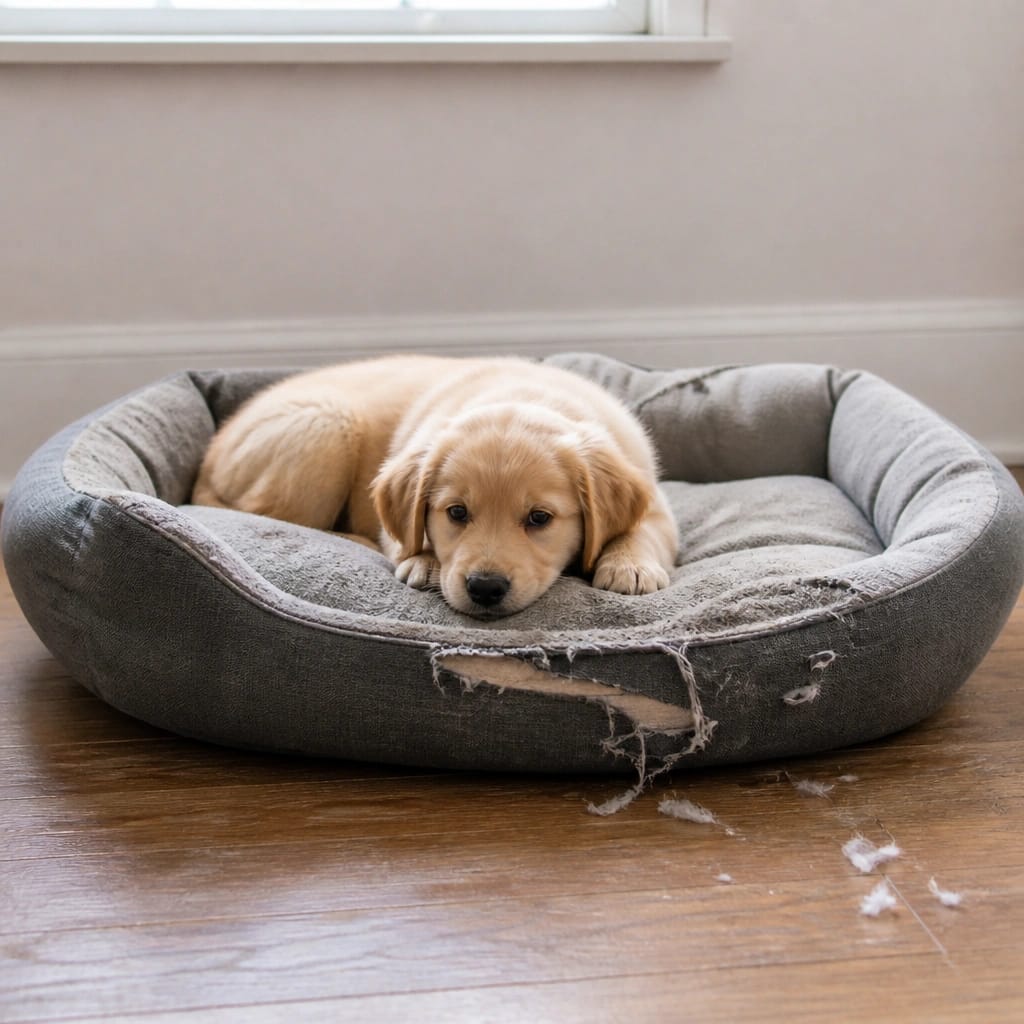
Replace a puppy bed when it shows signs of chewing, flattening, or outgrowth. Check weekly for torn fabric or exposed foam. Measure your puppy’s length every few weeks.
Wash the bed cover weekly to check for embedded odors. If the bed smells after a thorough wash, replace it right away.
You might be wondering when should you replace a puppy bed before it becomes a real problem. The answer isn’t just about visible wear and tear. It’s a safety decision that directly affects your growing dog’s health and comfort.
Manufacturer specifications and veterinary guidelines suggest a puppy bed lasts between three and twelve months depending on the breed and the dog’s behavior. A teething Labrador retriever will wear out even a tough bed much faster than a calm adult Chihuahua. As of 2026, most quality foam beds carry a CertiPUR-US certification which guarantees the foam is free from harmful chemicals.
Let’s walk through the exact signs that tell you it’s time for a replacement.

Why Replacing a Puppy Bed Isn’t Just About Wear and Tear
A worn-out bed isn’t just an eyesore. It’s a potential emergency room visit waiting to happen. Puppies explore the world with their mouths.
A small tear in the fabric can quickly become a swallowed chunk of foam or stuffing.
That’s why it’s important to understand the risks. Intestinal blockages from ingested bedding material are a serious veterinary emergency. The cost of surgery far outweighs the cost of a new bed.
Investing in chew proof materials from the start can save you a lot of trouble.
Beyond the physical dangers, an old bed loses its ability to support growing joints. A flattened mattress does nothing for a puppy’s developing hips and elbows. Replacing the bed at the right time prevents long-term orthopedic issues.
How Fast Do Puppies Outgrow Their Beds
Puppies grow at an astonishing rate. A bed that fits perfectly in week eight might be too small by week sixteen. Sleeping on a cramped bed causes restlessness and poor sleep quality.
| Breed Size | Typical Growth Timeline | Expected Bed Switches |
|---|---|---|
| Small (under 20 lbs) | 6 to 8 months | 1 |
| Medium (20 to 50 lbs) | 8 to 12 months | 1 to 2 |
| Large (50 to 80 lbs) | 12 to 18 months | 2 to 3 |
| Giant (80+ lbs) | 18 to 24 months | 2 to 4 |
Growth Rates by Breed Size
Small breeds like Chihuahuas reach their full size quickly. Large breeds like Great Danes keep growing for nearly two years. You need to factor this into your budget and planning.
It’s perfectly normal to go through two or three beds during the puppy phase.
Measuring Your Puppy for the Right Fit
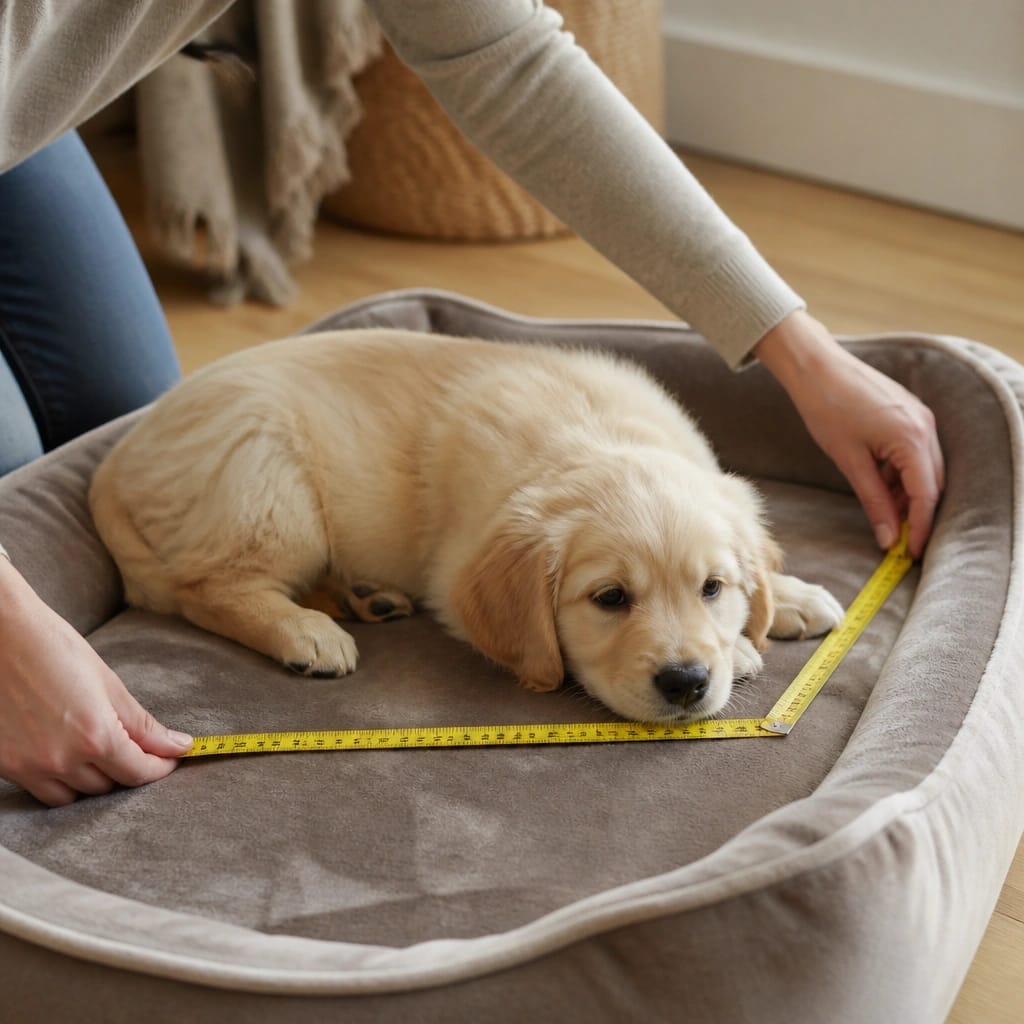
Measure your puppy from the tip of the nose to the base of the tail. Add four to six inches to that number for the ideal bed size. A bed that is too small can cause joint pain and restless sleep.
Check our dog bed size chart by weight for a quick reference. You can also compare what size bed does a puppy need vs an adult dog to plan ahead.
The Chewing Risk: When a Bed Becomes a Hazard
Chewing is a natural part of puppy development. Teething causes discomfort and puppies will chew anything to relieve the pressure. Bed edges, zippers, and tags are common targets.
This behavior is one of the fastest ways to destroy a bed.
Signs of Ingestion Risk
Look for loose threads, small tears, or flattened corners. Check for crunching sounds when your puppy chews on the bed. Inspect the seams after every wash.
If you notice any damage, remove the bed immediately.
Some puppies dig or scratch at their bed before lying down. This is a normal nesting instinct. But if that digging turns into active chewing, the bed needs to go.
Read more about why does my dog dig or scratch at their bed before lying down to understand the difference.
What to Do If Your Puppy Swallows Filling
If you suspect your puppy has swallowed bedding material, contact your veterinarian immediately. Signs include vomiting, lethargy, and loss of appetite. Do not wait for symptoms to appear.
Time is critical when dealing with a potential intestinal blockage.
Signs of Foam Degradation and Loss of Support
Foam breaks down over time even without visible damage. Body heat, moisture, and pressure cause the foam cells to collapse. A bed that looks fine on the outside can be completely dead on the inside.
The Squeeze Test
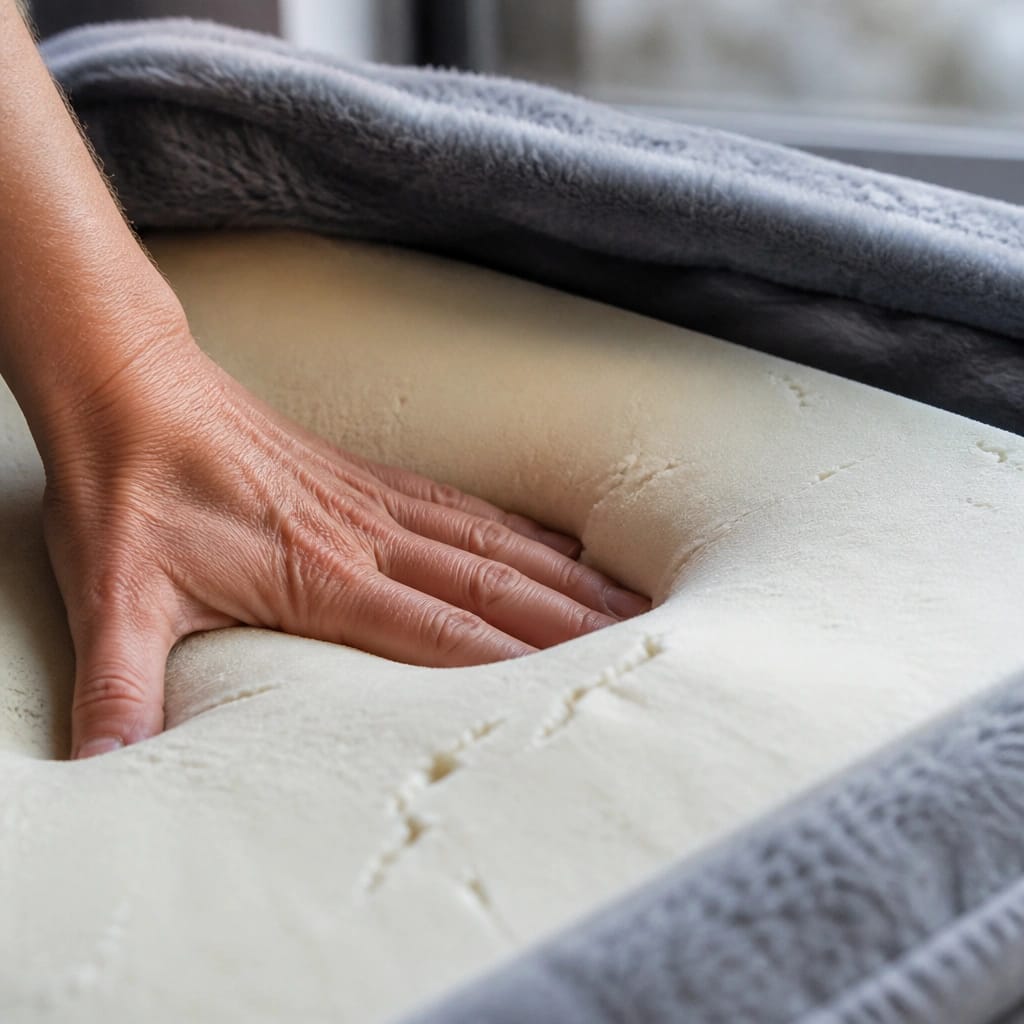
Press your hand firmly into the center of the bed. If the foam does not spring back within a few seconds, it has lost its supportive structure. This is a clear sign it needs replacing.
Do the same test on the edges and corners.
Why Support Matters for Growing Joints
Puppies have developing joints and growth plates. Sleeping on a flat, unsupportive surface can contribute to hip dysplasia and other orthopedic issues later in life. According to AVMA guidelines, proper support during growth is crucial for long-term joint health.
A high-quality, supportive bed is an investment in your puppy’s future mobility.
Hygiene Risks: When a Bed Is No Longer Cleanable
Accidents are a part of puppyhood. Even the best-trained puppy will have a few mishaps. When urine or feces seeps into the foam core, the bed becomes a health hazard.
You cannot fully sanitize soiled foam at home.
Urine and Bacteria in Non-Washable Foam
If urine seeps past the waterproof liner into the foam core, it creates a breeding ground for bacteria. The smell of ammonia is a sign the foam is contaminated. Regular washing of the cover is not enough.
You need a waterproof dog bed liner to protect the foam from the start. If the foam is already saturated, learn how to get how to get dog urine smell out of a memory foam bed but understand that deep saturation often requires replacement.
Mold and Mildew in Humid Climates
In humid climates, moisture from saliva or humidity can get trapped in the foam. This leads to mold and mildew growth which can cause respiratory issues for your puppy. If you see any dark spots or smell mustiness, replace the bed.
Do not try to salvage a moldy bed. The health risks to your puppy’s lungs are too high.
How to Inspect a Puppy Bed for Hidden Dangers
Run a weekly hands-on inspection. Squeeze every inch of the bed between your fingers. Small tears hide in corners and along zipper tracks.
Check the seams by pulling them gently apart. If you see foam or stuffing, the bed is compromised. Sniff the center of the foam.
Any sour or musty smell means bacteria has set in. Do a visual check of the bottom of the bed. Puppies often chew from underneath where you cannot see it.
When to Replace vs. When to Repair

A small surface tear can be stitched shut if the foam is still intact. Use a heavy-duty thread and a needle. A patch works for minor damage.
But if the foam is exposed or chewed, repair is not safe.
Replace the bed if the foam is flat, lumpy, or stained. Replace it if the zipper is broken and the cover cannot be removed. Replace it if the waterproof liner has a hole.
Repairing these issues leaves hidden risks. A new bed costs less than an emergency vet visit.
Common Mistakes Puppy Owners Make
The biggest mistake is keeping the bed too long. Owners see no visible damage and assume the bed is fine. But foam degrades silently.
Another mistake is washing only the cover. Urine soaks through to the foam core. The third mistake is ignoring small tears.
That tiny hole becomes a swallowed chunk of foam overnight.
Some owners buy a bed that is too big for the crate. The puppy chews the excess fabric. Others buy a bed that is too small and their puppy grows out of it in weeks.
Measure first and save yourself the hassle.
Safe Practices for Extending Bed Life
Using a Waterproof Liner
A waterproof liner between the cover and foam is your best defense. It prevents urine and moisture from reaching the foam core. This single item can double the life of the bed.
Make sure the liner is large enough to cover the entire foam surface.
Washing Frequency and Temperature
Wash the cover every week in hot water (140°F or higher). Hot water kills bacteria and removes allergens. Use a pet-safe detergent.
Do not use fabric softener. It breaks down the waterproof coating on the liner.
Bed Rotation for Multi-Bed Households
If you have multiple beds, rotate them every few weeks. This distributes wear evenly. A bed in the crate gets less use than a bed in the living room.
Swap them to balance the pressure.
When to Consult a Veterinarian
Contact your vet immediately if your puppy shows signs of swallowing bedding material. Vomiting, diarrhea, lethargy, and loss of appetite are red flags. Do not wait for symptoms to get worse.
Call your vet if your puppy develops a rash or skin irritation from the bed. This could be an allergic reaction to mold or dust mites in the foam. Also consult your vet if your puppy refuses to sleep on the bed.
It could be a sign of pain or discomfort that needs professional attention.
Frequently Asked Questions
How often should I replace a puppy bed?
Replace it every three to twelve months depending on breed size and chewing behavior. Small breeds need fewer replacements. Large and giant breeds may need two or three beds during their first year.
Inspect the bed weekly for signs of wear.
Can I use an adult dog bed for my puppy?
You can, but it is not ideal. Adult beds are often too big for crate training. They also lack the chew resistance and waterproofing that puppies need.
A dedicated puppy bed with a waterproof liner is a safer choice.
What is the safest material for a puppy bed?
Chew resistant fabrics like ballistic nylon or heavy canvas are safest. Avoid beds with loose stuffing or thin covers. Look for a bed with a removable, machine washable cover and a waterproof liner underneath.
How do I know if my puppy has outgrown their bed?
Your puppy should be able to stretch out fully without hanging over the edges. If they curl up in a tight ball instead of spreading out, the bed is too small. Measure your puppy from nose to tail and add four to six inches.
Is it safe to wash a puppy bed in hot water?
Yes, hot water at 140°F or higher kills bacteria and removes allergens. Wash the cover every week. Remove the foam core first.
Do not put memory foam in the washing machine. Spot clean the foam separately.
Your Puppy Bed Replacement Decision Guide
If the foam is flat, replace it. If the bed smells after washing, replace it. If your puppy has chewed through the fabric, replace it.
If the bed is too small for your puppy to stretch out, replace it.
If the bed passes all those checks, keep using it. But keep inspecting it weekly. Puppies grow fast and chew harder.
Staying ahead of the wear is the best way to keep your puppy safe and comfortable.


