

Why Does My Dog Pull the Bedding Out of Their Bed?
That same instinct is still alive in your living room. Here's what's actually driving the behavior, and how to fix it without stressing your dog out.
Your dog pulls the bedding out because of a natural nesting instinct. They're rearranging their sleeping spot to feel safe and comfortable. It's not spite or a training failure. Digging, scratching, and dragging material are all normal pre-sleep rituals. But size, comfort, anxiety, and boredom can make it worse. If your dog is eating the fabric, that's a safety concern.
Why Dogs Dig, Scratch, and Drag Bedding Around
That pawing and tugging isn't random. It's called nesting behavior, and it's wired into every dog. Wolves and wild dogs do the same thing in the wild.
They stomp grass, drag leaves, and circle to build a hidden nest.
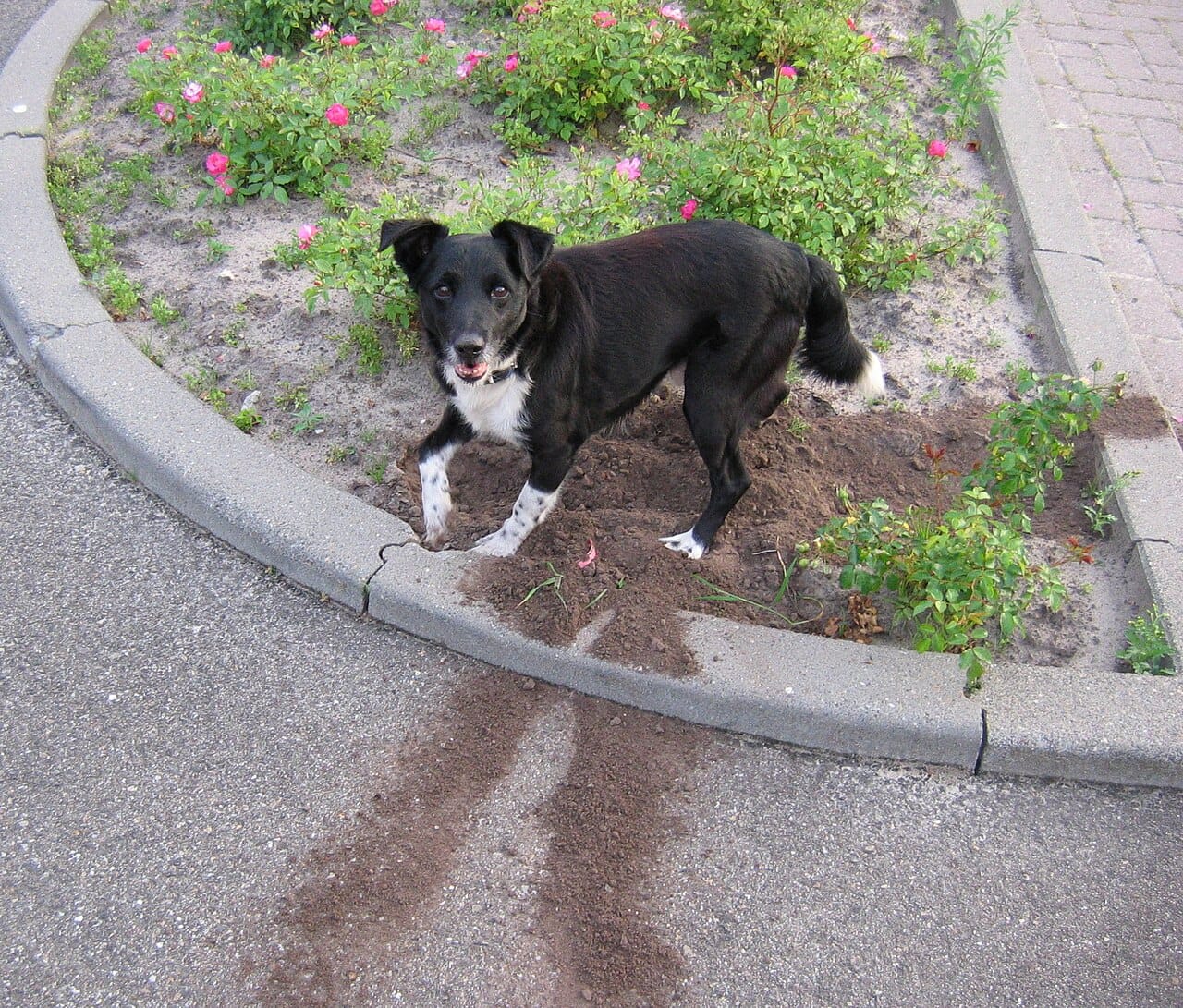
Your couch-dwelling dog has the same software. By pulling at their bed, they're reshaping their territory. It's a denning instinct.
As of 2026, the American Kennel Club still classifies this as a normal pre-sleep ritual, not a behavior problem.
Breed plays a role too. Dachshunds, terriers, and other dogs love to burrow more than owners expect. This nesting drive only becomes a problem when it turns into destruction.
Most of the time it's harmless. It's just your dog building a spot they can trust.
Read the Pattern: What Your Dog Is Really Telling You
The timing tells you what's actually going on. A dog that digs and drags right before flopping down is settling in. One that does it the moment you leave the room may be anxious.
Another that pulls the bed toward cool tile is just hot.
Here's a quick pattern guide:
| When it happens | What's likely going on |
|---|---|
| Right before lying down, then they curl up | Normal nesting ritual |
| All day, repeatedly, never settling | Boredom, stress, or obsessiveness |
| Only when you leave the room | Separation distress |
| More in summer, on a thick bed | Overheating |
As of 2026, veterinary behaviorists land on the same conclusion: context beats guesswork. If your dog scratches for a few seconds and curls up, that's the classic settling ritual before sleep. If they're still pulling after 10 minutes, that's different.
The meaning changes with the trigger. Boredom, separation stress, and heat all look similar from the outside. Watch what comes right before the digging.
The dog that sprints to the bed after play is overstimulated. The one that crawls out of the crate to dig may be showing anxiety-related digging.
The Fix: Matching Your Bed and Routine to the Behavior
Once you know the cause, the fix is easier. Start with the bed itself. A fluffy bed feels unstable to a digger.
The fluff shifts, so they pull at the liner trying to make something solid. A firm, flat surface usually stops the digging faster.
- Size matters. Measure from nose to tail and add a few inches. Check the proper bed size for their weight too.
- For burrowers, cave-style beds let them tuck into a dark den.
- For heavy diggers, flat crate pads use dense material that won't bunch up.
- Add a worn t-shirt with your scent as a top layer. It gives them something soft to work on safely.
Pair the right bed with a pre-sleep routine. A tired dog nests less. Take them for a short walk or run a quick training session before bedtime.
The digging urge stays, but the energy behind it fades. If the pulling is about temperature, switch to a breathable cotton cover. Heavy fleece traps heat and makes them want to escape.
Common Mistakes and When Pulling Becomes a Health Concern
Mistakes usually make the behavior worse. Yelling at your dog turns bedtime into a tense moment. Buying the same flimsy bed again guarantees a repeat.
Ignoring the root cause, like heat or stress, means the digging just continues.
The real danger is swallowing fabric. Shredded pieces can choke your dog or block their intestines. If you see pieces missing, call your vet right away.
The American Veterinary Medical Association treats foreign-body ingestion as an emergency for pets.
Also watch for obsessiveness. Pulling for hours, hair loss, or refusing to settle all deserve attention. That's not nesting anymore.
That's the point where a veterinarian behaviorist helps. In the meantime, redirect destructive chewing habits to a safe chew toy instead.
Don't punish the digging itself. You'll hide the reason and make the anxiety worse. Change the surface and the schedule instead.
If this behavior starts suddenly in an older dog, rule out joint discomfort or skin irritation first.
Frequently Asked Questions
Why does my dog pull the bedding out of their bed at night?
The nightly dig is usually just a settling ritual. Your dog is fluffing and rearranging the sleeping area before they lie down. As long as they stop after a few minutes and sleep well, it's normal.
If the pulling lasts longer, check the bed size and room temperature.
Is pulling bedding a sign of anxiety?
It can be, but not always. Anxiety-driven pulling usually shows up with other signs like pacing, whining, tucked tail, or drooling. If the digging only happens when you're gone, separation distress might be the cause.
Watch the context first. Then match the bed and routine to what you see.
Why does my dog drag their bed out of the crate?
Many dogs drag the bed out because the crate feels too hot, too open, or too cramped. They want a cooler spot or a softer corner. Try a lighter crate pad, make the space slightly smaller, and see where they settle.
Sometimes they're just relocating the nest to a spot they prefer.
How do I stop my dog from destroying their bed?
Start with the surface. Flat, firm mats resist digging better than fluffy beds. Add a worn shirt or blanket as a safe layer.
Increase daily exercise and give them a chew toy as a redirect. If holes keep appearing, step up to chew-proof materials before the bed turns into a hazard.
When should I worry about my dog eating bedding?
Worry the moment your dog swallows fabric. Plain digging is fine. Eating is an emergency red flag.
Small pieces can cause choking or an intestinal blockage that needs surgery. Call your vet immediately if you notice missing stuffing, vomiting, or a sudden loss of appetite.


