

How to Monitor Whether an Older Dog Is Comfortable in Their Bed?
If you’ve ever watched your older dog struggle to settle in their bed, you know how worrying it can be. Knowing how to monitor whether an older dog is comfortable in their bed is one of the most important skills you can develop as their caregiver. A senior dog can’t tell you when their joints ache or their bed feels wrong.
They rely on you to read the signs.
Research shows that a healthy senior dog sleeps 12 to 14 hours a day. That’s a lot of time spent in one spot. If that spot isn’t supportive, it can worsen arthritis, stiffness, or even cause pressure sores.
That’s why a simple weekly check of both your dog and their bed makes such a difference.
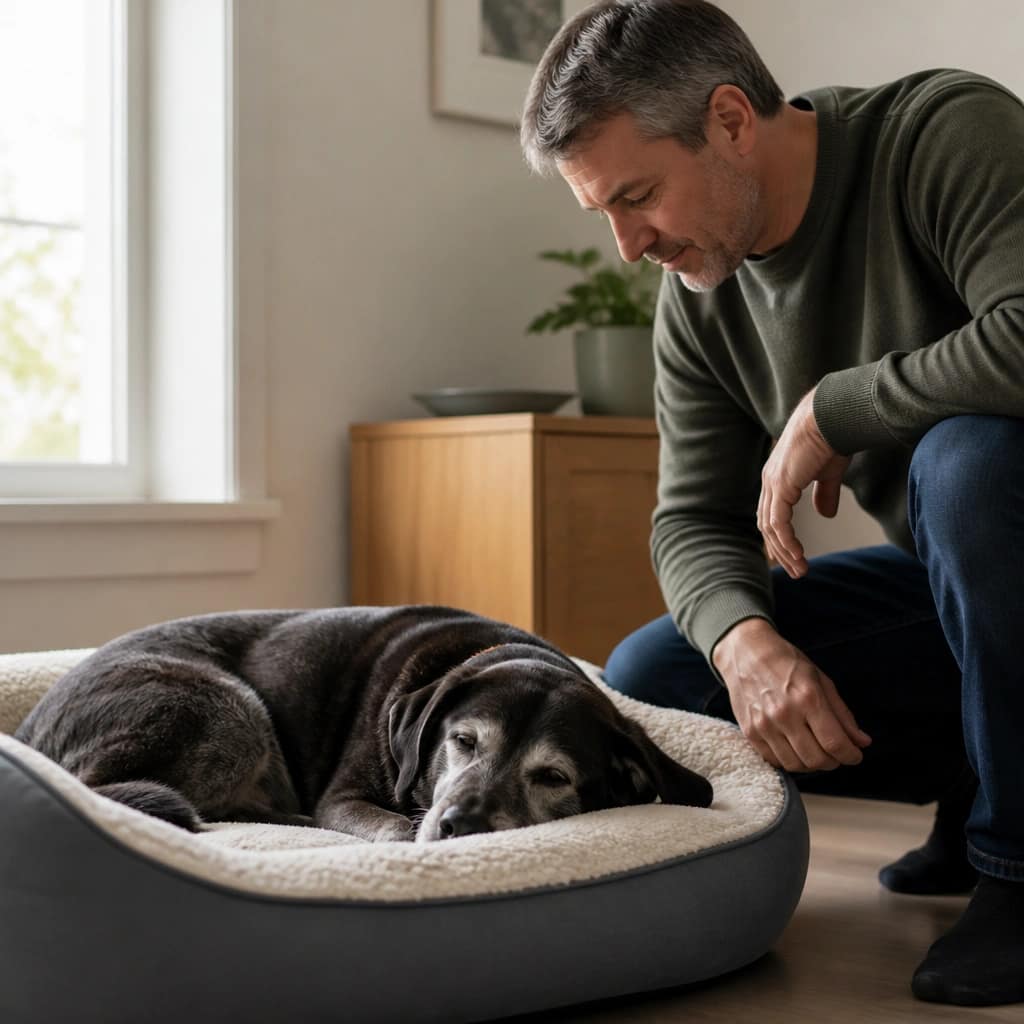
Why Monitoring Your Senior Dog’s Bed Comfort Matters
Comfort isn’t just a luxury for an aging dog. It directly affects their quality of life and physical health. A bed that no longer provides proper support can lead to more pain, less mobility, and even behavioral changes.
As of 2026, the average lifespan of a memory foam dog bed is about two to three years. After that, the foam loses its density and ability to cushion pressure points. Many owners don’t realize their dog’s bed has worn out because the change happens slowly.
By staying consistent with monitoring, you can catch problems before they cause real harm. It also helps you decide whether the bed needs replacing, or if something else is going on with your dog’s health. The right spot to sleep can make a huge difference in how your senior dog moves and feels during the day.

The Signs Your Dog Is Comfortable (and What to Look For)
Before you can spot problems, you need to know what comfort actually looks like. A comfortable senior dog will show a few telltale signs. Learn these, and you’ll have a solid baseline for comparison.
Sleeping Soundly and Staying Put
A content dog settles down quickly after a few circles. They stay in one position for a while without constant shifting. Their breathing is deep and regular.
You might see them twitch or paddle their legs during dreams, which is normal.
If your dog sleeps curled up tightly, they may prefer a bed with raised edges. If they stretch out fully, they need a flat, open surface. The key is consistency.
A dog that stays in their bed for extended periods is telling you the bed works for them.
Easy Transitions: Getting In and Out
Watch how your dog gets into and out of bed. A comfortable senior dog will lie down and stand up without excessive hesitation or groaning. They might use a bolster or the edge of the bed for support, which is fine.
If they struggle to get in or out, the bed may be too high or too low. For dogs with arthritis, a lower profile bed with a firm foam base can help. You can also consider where you place the bed.
A quiet corner with good traction can make transitions easier.
Relaxed Body Language
A relaxed dog has soft eyes, a loose mouth, and ears that are in their natural position. They don’t pant heavily when resting unless it’s warm. Their muscles are not tense.
If you see your dog stretched out on their side with their legs extended, that’s a classic sign of deep comfort.
Red Flags That Your Dog Is Uncomfortable in Their Bed
Comfort is easy to miss until it’s gone. The signs of discomfort can be subtle at first. Pay attention to these red flags, and act quickly if you see them.
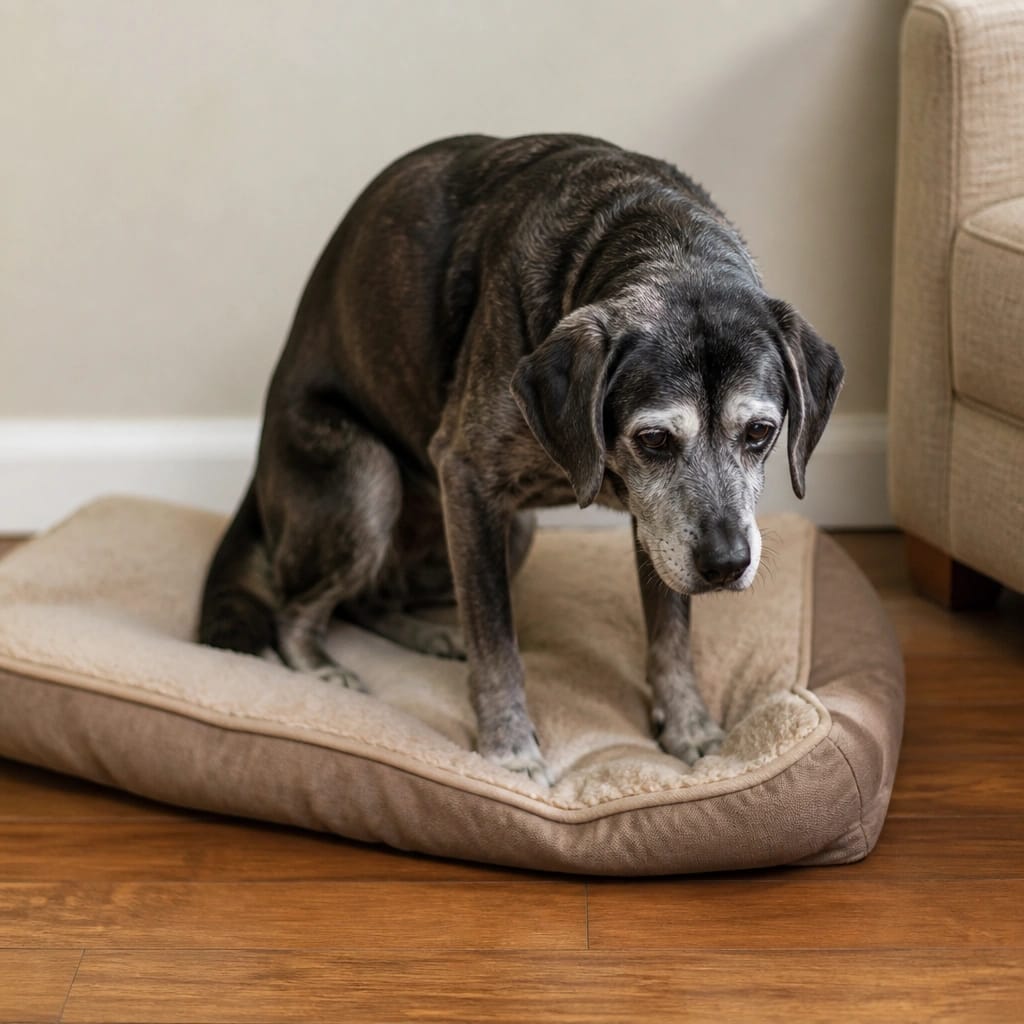
Reluctance to Settle or Avoiding the Bed
If your dog circles endlessly, digs aggressively, or keeps getting up after lying down, something is wrong. They may be trying to find a comfortable position that the bed no longer provides. Some dogs will start to sleep on the floor or on a cold tile surface instead.
This can also be a sign of pain or overheating. If your dog is avoiding their bed, check the foam first. Then check the room temperature.
If the bed is old or sagging, it’s probably time for a replacement.
Restlessness and Frequent Position Changes
A dog that shifts positions every few minutes is not getting good rest. They might be trying to relieve pressure on sore joints. Pay attention to how many times they move during a nap.
It’s normal for a dog to change position a few times. But if they are constantly readjusting, their bed is not supporting them properly. This is especially common in beds with cheap foam that has lost its shape.
Vocalizations and Panting During Rest
Whimpering, groaning, or heavy panting while lying down can indicate pain. These sounds are different from the happy grunts dogs make when settling. If your dog vocalizes every time they lie down or get up, it’s a clear warning sign.
Panting without a reason like heat or exercise can also signal discomfort. If you notice this, check the bed for any lumps or uneven spots. And if the behavior continues, a vet visit is the right next step.
Physical Signs: Stiffness, Limping, and Pressure Sores
After rest, watch your dog’s first few steps. If they are stiff, hobble, or limp, that could mean their bed is too hard or too soft. Pressure sores, which look like bald or red spots on the elbows or hips, are a direct result of poor bedding.
If you notice any of these physical signs, the bed is not doing its job. You may need a thicker, more supportive foam. It’s also a good idea to check for any other underlying health issues with your vet.
How to Check the Bed Itself for Problems
The bed is a tool. Like any tool, it wears out. Regular inspection of the bed itself can reveal problems before your dog suffers.
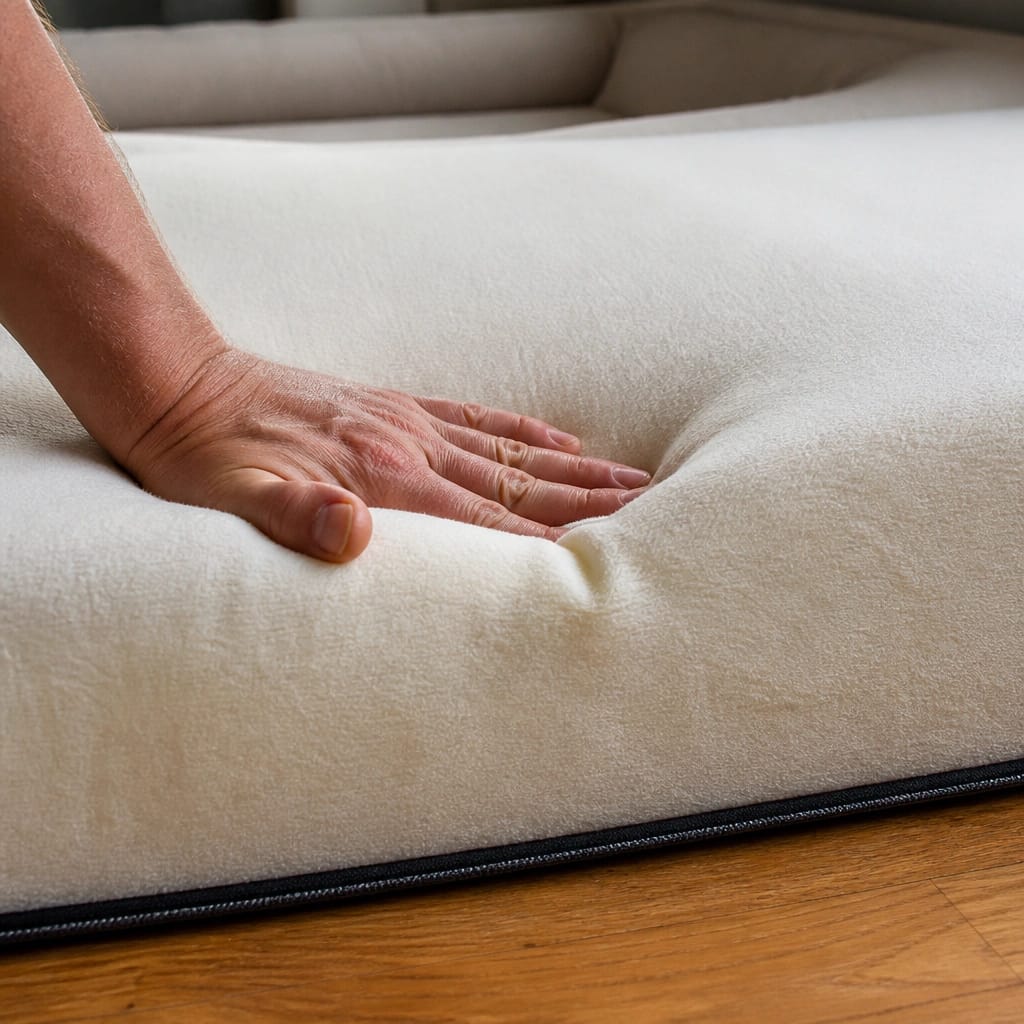
Foam Condition and Support
Lift the bed and press down in the center. If the foam doesn’t spring back, it’s dead. You can also look for a permanent indentation where your dog usually sleeps.
Here is a simple guide to what you are looking for:
| Foam Condition | What It Means | Action Needed |
|---|---|---|
| Springs back quickly after pressing | Good support | No action needed |
| Takes a few seconds to return | Partial wear | Monitor closely, replace soon |
| Stays compressed or shows a dent | Worn out | Replace immediately |
Size and Fit for Your Dog’s Body
Your dog’s bed needs to be the right size. A bed that is too small forces your dog to curl up too tightly. A bed that is too large can feel insecure and drafty.
Your dog should be able to stretch out fully without hanging off the edge.
If your dog has lost or gained weight, the bed may no longer fit properly. Senior dogs often lose muscle mass, which can change how they lie down. A bed that once worked may now be too big or too small.
Temperature: Too Hot or Too Cold
Memory foam can trap heat. Some dogs overheat easily, especially seniors with reduced mobility. Check if your dog is panting or moving to cooler spots like the floor.
If your dog feels cold to the touch, they may need a warmer bed. A heated dog bed or a self-warming blanket can help. But never use a human heating pad, as it can burn a dog that can’t move away easily.
Cleanliness and Odor
A dirty bed can be uncomfortable and even unhealthy. Smells from urine, drool, or sweat can irritate a dog’s skin. They can also make your dog avoid the bed entirely.
Wash the cover every one to two weeks. If the foam itself smells, it may need to be replaced. You can also use a waterproof liner to protect the foam from accidents.
A Simple Weekly Monitoring Routine
You don’t need to be a veterinarian to keep your senior dog comfortable. A short weekly check can catch most problems early. Set a reminder on your phone, or make it part of your weekend routine.
Start with your dog. Watch them as they settle into their bed. Note how long it takes them to get comfortable.
If they are restless or avoid the bed, that’s your first clue.
Next, check the bed. Press the foam, look for any dents, and check the cover for wear. If the bed is more than two years old, it’s worth replacing even if it looks okay.
The foam can be worn out even if the cover is still fine.
Finally, consider the room. Is it too hot or too cold? Is the bed in a quiet spot?
Sometimes moving the bed to a different location can solve a comfort problem.
If you notice any of the red flags we discussed, don’t wait. Try a new bed or a different type of bed. If the problem persists, it’s time to talk to your vet.
Troubleshooting Common Bed Comfort Issues
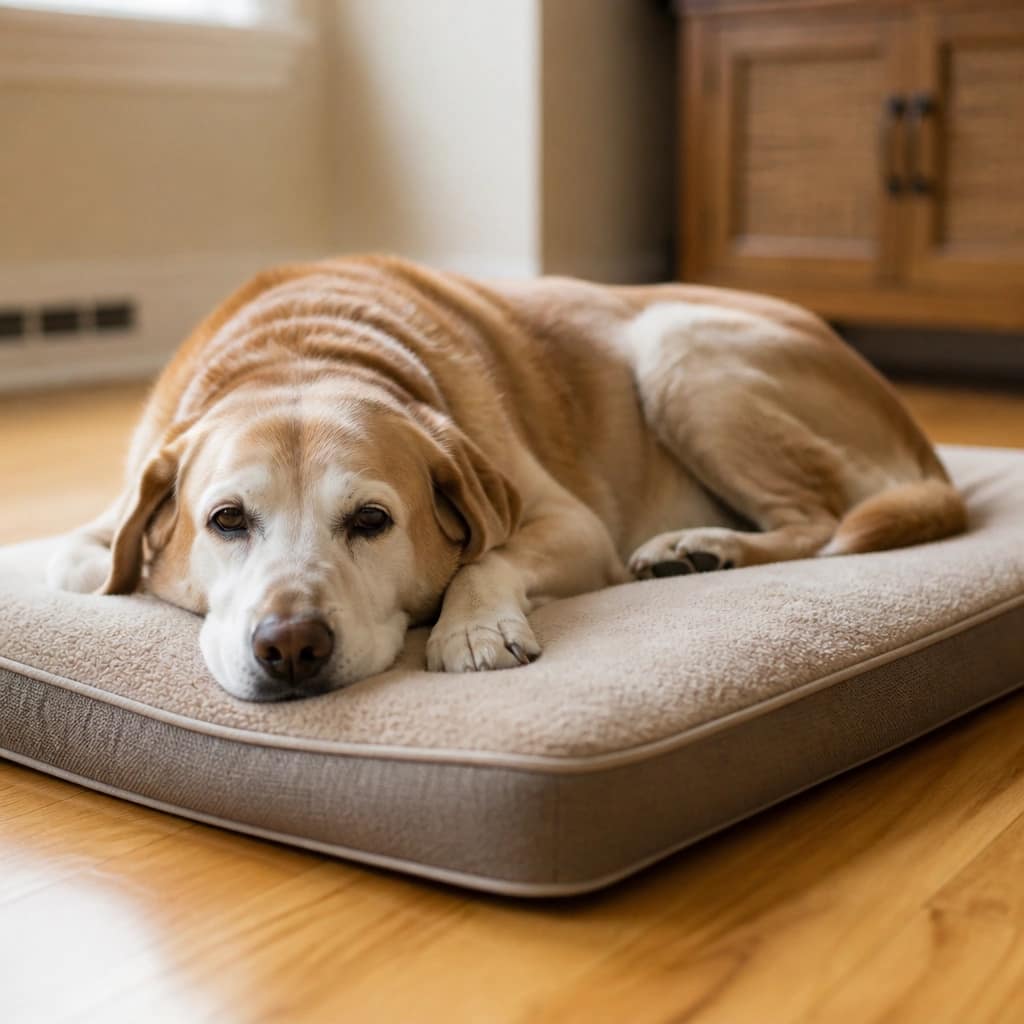
If your dog is showing signs of discomfort, start with the most likely fix. Here is a quick guide based on what you see.
| Problem | Likely Cause | Quick Fix |
|---|---|---|
| Dog avoids the bed | Foam worn out, too hot, or dirty | Replace foam, wash cover, move to cooler spot |
| Constant circling or digging | Bed too flat or lacks support | Try a bolster-style bed for head support |
| Stiffness after rising | Foam too thin or too soft | Upgrade to thicker, denser orthopedic foam |
| Overheating | Memory foam traps heat | Switch to a cooling gel bed or elevated cot |
| Slips getting in or out | Bed too high or floor too slick | Lower profile bed or add a non-slip rug underneath |
The Bed Is Too Firm or Too Soft
A bed that is too firm creates pressure points on elbows and hips. A bed that is too soft lets your dog sink, which strains their joints. The sweet spot is a medium-firm memory foam that contours without bottoming out.
If you can press the foam and feel the floor underneath, it is too thin.
The Bed Is Too Small or Too Low
Your dog should be able to stretch out fully. Measure your dog from nose to tail and add 6 to 12 inches. That is the minimum bed length you need.
You can reference a dog bed size chart by weight for a more precise fit.
The Dog Is Overheating or Chilly
Senior dogs struggle with temperature regulation. If your dog pants on the bed but not elsewhere, try a cooling bed or move it to a draft-free spot. If they shiver or curl up tightly, consider a heated dog bed with auto shut-off for safety.
The Bed Is Worn Out and Needs Replacing
Most orthopedic beds last two to three years. If the foam has a permanent dent or does not spring back, replace it. Your dog will thank you with better sleep and easier movement.
When to Consult Your Veterinarian
Sometimes bed comfort is not the real issue. If you have replaced the bed, adjusted the location, and ruled out temperature problems, but your dog still struggles, it is time to call your vet.
Persistent restlessness, heavy panting, or vocalization during rest can signal pain from arthritis, hip dysplasia, or other conditions. Your vet can assess your dog’s mobility and recommend pain management, supplements, or physical therapy.
You should also seek veterinary advice if you notice pressure sores, limping, or a sudden change in your dog’s sleeping habits. These are not things a new bed can fix. The American Veterinary Medical Association offers resources on senior dog care that can help guide your next steps.
Frequently Asked Questions
How often should I check my senior dog’s bed?
A quick visual check once a week is enough. Press the foam, look for dents, and wash the cover. If your dog shows new signs of discomfort, check sooner.
What is the best bed thickness for an older dog with arthritis?
Look for at least four inches of high-density foam for dogs under 50 pounds. Dogs over 50 pounds need six to eight inches. Thicker foam prevents them from bottoming out on hard floors.
Can a dog bed make arthritis worse?
Yes, if the bed is too soft or worn out. Poor support forces joints into awkward angles and increases pressure on sore spots. A firm, supportive orthopedic bed helps, not hurts.
Why does my senior dog sleep on the floor instead of their bed?
They may be too hot, in pain, or the bed may be uncomfortable. Check the foam condition and room temperature. If the bed is fine, talk to your vet about possible pain.
You can also read about why some dogs choose the floor for more insight.
Should I use a heated bed for my senior dog?
Heated beds can help stiff joints, but only if they have auto shut-off and chew-resistant cords. Never use a human heating pad, as it can cause burns. A self-warming bed is a safer alternative for dogs that cannot move away easily.


