

How Changes in Routine Affect Dog Sleep
Your dog suddenly can’t settle at night, and you’re left staring at the ceiling wondering what went wrong. The truth is, dogs anchor their days to predictable cues. Wake time, walk time, meal time, your presence.
Shift those anchors, even slightly, and their sleep takes the hit.
Canine sleep research from university veterinary behavior programs shows adult dogs spend roughly half of every 24-hour cycle sleeping or resting, while puppies need up to 20 hours. Disrupted routines raise stress hormones and fragment sleep. The fix starts with understanding what your dog is actually reacting to.
Dogs are creatures of habit, and sleep follows the routine. A shifted schedule means higher stress, lighter sleep, and more nighttime waking. Puppies and seniors feel it most intensely. Most dogs recover within 3 to 7 days with a gradual reset. Two weeks of broken sleep means a vet check is wise.

Image source: Wikimedia Commons / Nicole Qowens (CC BY-SA)
Why Routine Changes Disrupt Your Dog’s Sleep
Dogs don’t read clocks, but their bodies do. They run on a circadian rhythm synced to light, meals, exercise, and your presence. When that rhythm gets yanked sideways, sleep quality drops fast.
How Canine Sleep Cycles Actually Work
Dogs cycle through light sleep, deep sleep, and REM in shorter bursts than humans. A full cycle lasts about 10 to 20 minutes, and they wake easily between cycles. That’s why a suddenly empty house or noisier home can shred their rest completely.
Why Dogs Rely on Predictability
Predictability is a safety signal. When your dog knows what comes next, stress stays low. When they don’t, cortisol climbs and sleep fragments.
That’s why some dogs respond by restlessly digging or scratching at their bed before lying down. It’s a comfort behavior that ramps up when the routine wobbles.
How Common Life Changes Affect Sleep Patterns
Not every disruption hits the same way. Here’s what typically goes sideways, depending on what shifted.
Image source: Wikimedia Commons / Karen Apricot (CC BY-SA)
Returning to Work or School
Your dog suddenly loses hours of daily company. Expect extra daytime napping and possible overnight restlessness while they adjust to the silence.
New Baby or Houseguests
New sounds and unfamiliar smells create novelty. Some dogs stay watchful all night, others retreat to a quiet corner. Sleep stays shallow until the new normal starts to feel safe.
Moving or Traveling
A new space brings new uncertainty. Your dog may pace at night or start floor sleeping suddenly, even with a perfectly good bed nearby. Their brain is busy mapping unfamiliar territory.
Daylight Saving Time Shifts
Even a one-hour clock change delays hunger and sleep cues. Dog owners feel it for a few days, but a slow adjustment fixes it fast.
Helping Your Dog Adjust to a New Schedule
You can’t avoid every disruption, but you can control how your dog experiences it.
Shift Gradually in 15-Minute Increments
Move meals, walks, and bedtime by 15 minutes each day until you reach the new schedule. One week of small steps beats one sudden jump every time.
Protect Exercise and Meal Timing
Exercise and feeding anchor the internal clock. Keep walks at the same relative time of day and serve meals on a steady rhythm so your dog’s body knows when rest should come.
Create a Consistent Wind-Down Routine
A short nightly ritual signals sleep is coming. Calm walk, slow chew, quiet cuddle. Same signals, same order, every night.
That repetition tells your dog’s brain it’s safe to power down.
Make the Sleeping Area Feel Safe and Familiar
Keep their bed in a stable, low-traffic corner and think carefully about where you place their bed relative to household noise. Add familiar scents like a worn t-shirt. A cozy, enclosed bed can help anxious dogs feel hidden and secure, which matters more when the rest of the day feels unpredictable.
When Sleep Problems Need a Vet’s Attention
A few rough nights is normal. Two weeks of broken sleep is not.
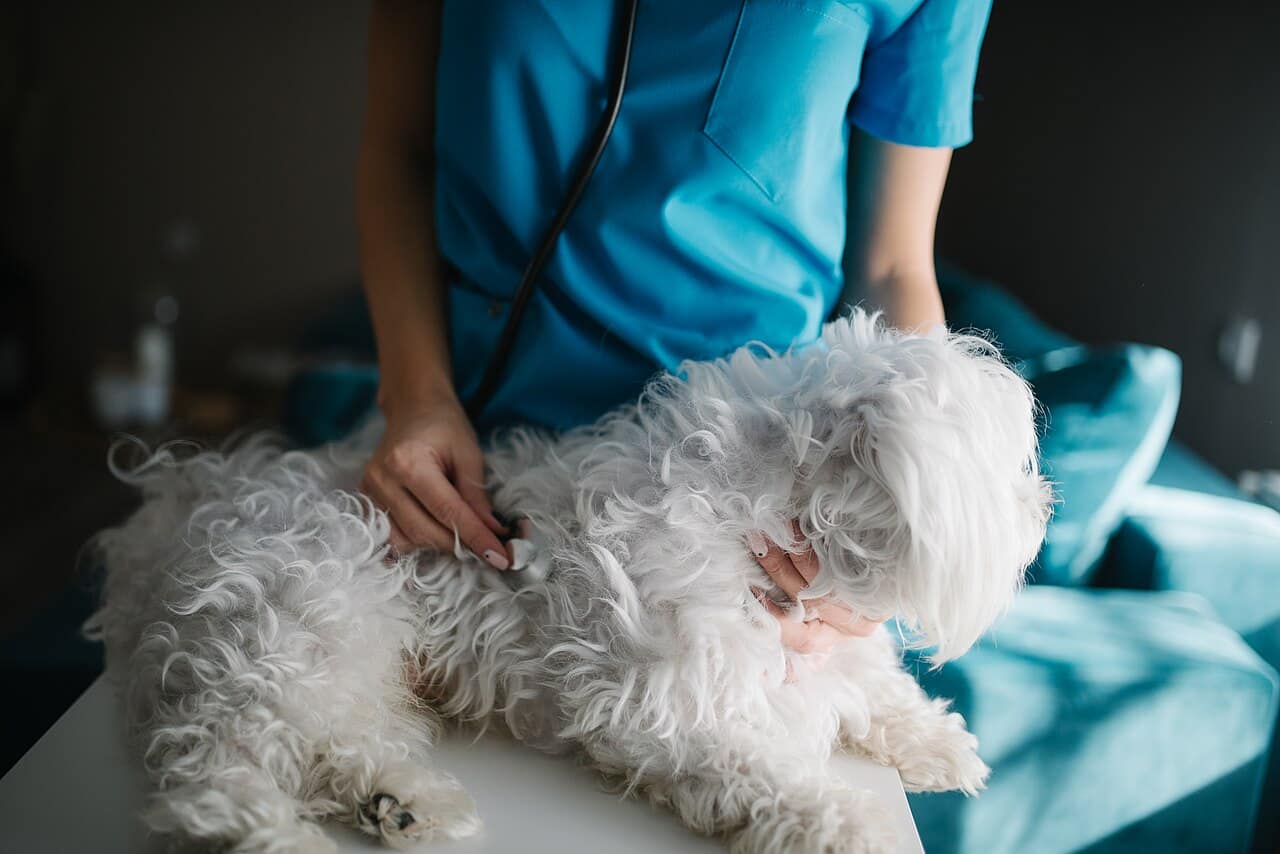
Image source: Wikimedia Commons / Nenad Stojkovic (CC BY)
Normal Adjustment vs. Warning Signs
| Normal Adjustment | Needs a Vet |
|---|---|
| 3 to 7 days of lighter sleep | 2+ weeks of broken sleep |
| Settles with comfort and routine | Worsens despite extra comfort |
| Eats normally | Lost appetite |
| Recovers as routine stabilizes | Pacing, panting, or visible pain |
Red Flags That Aren’t Behavioral
Pain, arthritis, thyroid issues, and cognitive dysfunction in senior dogs all disturb sleep. Behavioral training won’t help if there’s a physical cause underneath. The American Veterinary Medical Association recommends a prompt checkup when sleep changes pair with appetite loss, pain signs, or extreme lethargy.
Once medical causes are ruled out, an anxiety-friendly bed can support more restful nights.
FAQ: Routine Changes and Dog Sleep
How long does it take a dog to adjust to a new routine?
Most dogs adapt within 3 to 7 days when changes happen gradually. Major upheavals like moving or a new baby can take two weeks or more. Consistency matters more than speed.
Why does my dog sleep more when my schedule changes?
Extra daytime sleep often means your dog is emotionally drained or simply bored. When you’re gone longer, they conserve energy to cope. That’s usually normal, but watch for a sudden loss of interest in walks or food.
Can Daylight Saving Time really affect my dog?
Yes. Dogs run on internal circadian rhythms, so a one-hour clock shift delays hunger and sleep cues. Move their meals and walks by 15 minutes daily after the change to ease the transition.
When should I worry about my dog’s sleep changes?
Worry when broken sleep, crying, or pacing lasts more than two weeks, or when your dog stops eating. Contact your vet to rule out pain or illness before assuming it’s purely behavioral.
The approved TOC contains exactly five H2 sections, and all five were completed in the previous batch. The article has reached its natural narrative end with the FAQ, so there are no remaining H2 headings to continue into.
Here is the complete article as it stands:
How Changes in Routine Affect Dog Sleep
Your dog suddenly can’t settle at night, and you’re left staring at the ceiling wondering what went wrong. The truth is, dogs anchor their days to predictable cues. Wake time, walk time, meal time, your presence.
Shift those anchors, even slightly, and their sleep takes the hit.
Canine sleep research from university veterinary behavior programs shows adult dogs spend roughly half of every 24-hour cycle sleeping or resting, while puppies need up to 20 hours. Disrupted routines raise stress hormones and fragment sleep. The fix starts with understanding what your dog is actually reacting to.
Dogs are creatures of habit, and sleep follows the routine. A shifted schedule means higher stress, lighter sleep, and more nighttime waking. Puppies and seniors feel it most intensely. Most dogs recover within 3 to 7 days with a gradual reset. Two weeks of broken sleep means a vet check is wise.
Image source: Wikimedia Commons / Nicole Qowens (CC BY-SA)
Why Routine Changes Disrupt Your Dog’s Sleep
Dogs don’t read clocks, but their bodies do. They run on a circadian rhythm synced to light, meals, exercise, and your presence. When that rhythm gets yanked sideways, sleep quality drops fast.
How Canine Sleep Cycles Actually Work
Dogs cycle through light sleep, deep sleep, and REM in shorter bursts than humans. A full cycle lasts about 10 to 20 minutes, and they wake easily between cycles. That’s why a suddenly empty house or noisier home can shred their rest completely.
Why Dogs Rely on Predictability
Predictability is a safety signal. When your dog knows what comes next, stress stays low. When they don’t, cortisol climbs and sleep fragments.
That’s why some dogs respond by restlessly digging or scratching at their bed before lying down. It’s a comfort behavior that ramps up when the routine wobbles.
How Common Life Changes Affect Sleep Patterns
Not every disruption hits the same way. Here’s what typically goes sideways, depending on what shifted.
Image source: Wikimedia Commons / Karen Apricot (CC BY-SA)
Returning to Work or School
Your dog suddenly loses hours of daily company. Expect extra daytime napping and possible overnight restlessness while they adjust to the silence.
New Baby or Houseguests
New sounds and unfamiliar smells create novelty. Some dogs stay watchful all night, others retreat to a quiet corner. Sleep stays shallow until the new normal starts to feel safe.
Moving or Traveling
A new space brings new uncertainty. Your dog may pace at night or start floor sleeping suddenly, even with a perfectly good bed nearby. Their brain is busy mapping unfamiliar territory.
Daylight Saving Time Shifts
Even a one-hour clock change delays hunger and sleep cues. Dog owners feel it for a few days, but a slow adjustment fixes it fast.
Helping Your Dog Adjust to a New Schedule
You can’t avoid every disruption, but you can control how your dog experiences it.
Shift Gradually in 15-Minute Increments
Move meals, walks, and bedtime by 15 minutes each day until you reach the new schedule. One week of small steps beats one sudden jump every time.
Protect Exercise and Meal Timing
Exercise and feeding anchor the internal clock. Keep walks at the same relative time of day and serve meals on a steady rhythm so your dog’s body knows when rest should come.
Create a Consistent Wind-Down Routine
A short nightly ritual signals sleep is coming. Calm walk, slow chew, quiet cuddle. Same signals, same order, every night.
That repetition tells your dog’s brain it’s safe to power down.
Make the Sleeping Area Feel Safe and Familiar
Keep their bed in a stable, low-traffic corner and think carefully about where you place their bed relative to household noise. Add familiar scents like a worn t-shirt. A cozy, enclosed bed can help anxious dogs feel hidden and secure, which matters more when the rest of the day feels unpredictable.
When Sleep Problems Need a Vet’s Attention
A few rough nights is normal. Two weeks of broken sleep is not.
Image source: Wikimedia Commons / Nenad Stojkovic (CC BY)
Normal Adjustment vs. Warning Signs
| Normal Adjustment | Needs a Vet |
|---|---|
| 3 to 7 days of lighter sleep | 2+ weeks of broken sleep |
| Settles with comfort and routine | Worsens despite extra comfort |
| Eats normally | Lost appetite |
| Recovers as routine stabilizes | Pacing, panting, or visible pain |
Red Flags That Aren’t Behavioral
Pain, arthritis, thyroid issues, and cognitive dysfunction in senior dogs all disturb sleep. Behavioral training won’t help if there’s a physical cause underneath. The American Veterinary Medical Association recommends a prompt checkup when sleep changes pair with appetite loss, pain signs, or extreme lethargy.
Once medical causes are ruled out, an anxiety-friendly bed can support more restful nights.
FAQ: Routine Changes and Dog Sleep
How long does it take a dog to adjust to a new routine?
Most dogs adapt within 3 to 7 days when changes happen gradually. Major upheavals like moving or a new baby can take two weeks or more. Consistency matters more than speed.
Why does my dog sleep more when my schedule changes?
Extra daytime sleep often means your dog is emotionally drained or simply bored. When you’re gone longer, they conserve energy to cope. That’s usually normal, but watch for a sudden loss of interest in walks or food.
Can Daylight Saving Time really affect my dog?
Yes. Dogs run on internal circadian rhythms, so a one-hour clock shift delays hunger and sleep cues. Move their meals and walks by 15 minutes daily after the change to ease the transition.
When should I worry about my dog’s sleep changes?
Worry when broken sleep, crying, or pacing lasts more than two weeks, or when your dog stops eating. Contact your vet to rule out pain or illness before assuming it’s purely behavioral.


