

How Room Temperature Affects Dog Sleeping Comfort
Dogs sleep best in room temperatures between 68°F and 72°F (20°C to 22°C). This range supports their natural body temperature without forcing them to work overtime. Breed, coat type, age, and health conditions can shift that range. Watch your dog for signs like panting, restlessness, and curling up tight. These behaviors tell you whether the room is too hot or too cold.
You might not think about it much. But How Room Temperature Affects Dog Sleeping Comfort directly impacts your dog’s health and daily behavior. The right temperature helps your dog sleep deeply.
The wrong one leaves them restless and tired.
Dogs have a normal body temperature between 101°F and 102.5°F. That is higher than the human average of 98.6°F. This difference means they experience heat and cold differently than we do.
Understanding this difference is the first step to creating a comfortable sleep environment.
Why Room Temperature Matters More Than You Think

How Dogs Regulate Body Temperature Differently From Humans
Dogs don’t sweat through their skin like we do. They rely on panting and a small amount of sweating through their paw pads. Their coat provides insulation, but it works both ways.
It traps heat in summer and holds warmth in winter.
This means your dog depends on the surrounding air to help regulate their body temperature. When the room is too warm, they can’t cool down easily. When it is too cold, they burn energy just to stay warm.
Part of choosing the right spot for their bed involves controlling temperature exposure.

The Connection Between Temperature and Sleep Quality
Dogs spend about half their sleep time in REM. That is the deep sleep phase where memory and learning happen. A room that is too hot or too cold interrupts this cycle.
Your dog wakes up more often and gets less restorative rest.
What Happens When It’s Too Hot
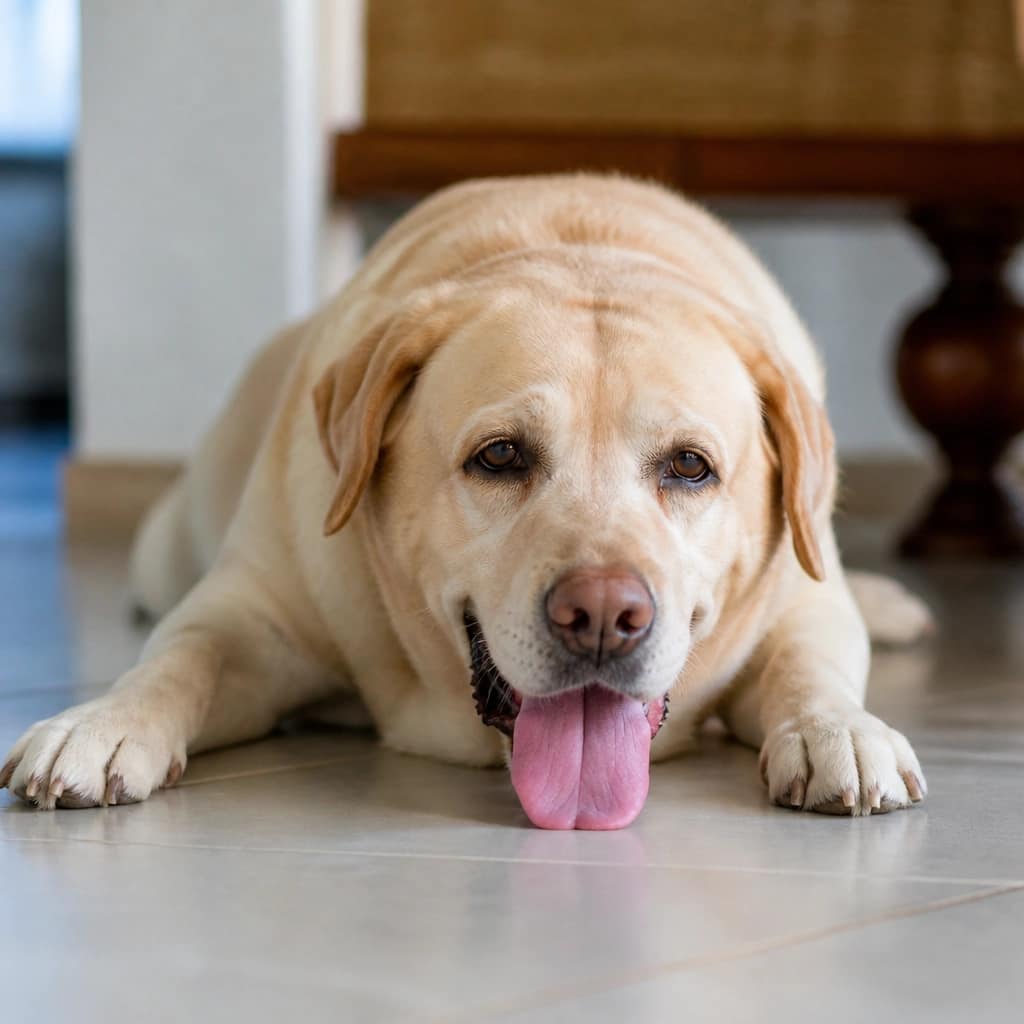
Signs Your Dog Is Overheating at Night
Excessive panting is the first sign. Your dog might also stretch out flat on cool surfaces like tile or hardwood floors. Restlessness, drooling, and hot ears are other red flags.
If your dog keeps getting up and repositioning, heat is likely the cause.
The Danger Zone: When Heat Becomes a Medical Risk
Room temperatures above 80°F with high humidity put dogs at risk for heat stress. The American Veterinary Medical Association warns that dogs can’t cool themselves as efficiently as humans. Brachycephalic breeds, overweight dogs, and seniors are especially vulnerable.
Heatstroke can set in quickly and requires immediate veterinary attention.
Breeds That Overheat Faster
Flat-faced breeds like French Bulldogs, Pugs, and Boxers have narrower airways. They struggle to cool themselves through panting. These dogs often benefit from breed-specific bedding that promotes airflow.
Northern breeds with thick double coats also overheat faster in warm rooms.
What Happens When It’s Too Cold
Signs Your Dog Is Cold While Sleeping
Shivering is the most obvious sign. Your dog might curl into a tight ball to conserve body heat. They may burrow under blankets or burrow into their bed for extra warmth.
Cold dogs also sleep more restlessly, waking up frequently to adjust their position.
Hypothermia Risks in Extreme Cases
Temperatures below 50°F can be dangerous for short-haired breeds, small dogs, and seniors. Prolonged exposure to cold can lead to hypothermia. Symptoms include lethargy, stiff muscles, pale gums, and a slowed heart rate.
This is a medical emergency.
Breeds That Get Cold Easier
Small breeds, short-haired dogs, and sight hounds like Greyhounds and Whippets have less body fat and thinner coats. Senior dogs with arthritis also feel the cold more intensely. A heated sleeping surface can make a significant difference for these dogs.
Puppies haven’t fully developed their thermoregulation yet and need extra warmth during sleep.
The Ideal Temperature Range by Dog Type
Puppies vs Adult Dogs vs Seniors
Puppies and senior dogs have less efficient thermoregulation. Keep their rooms closer to 72°F. Adult dogs in good health are comfortable at 68°F to 70°F.
Consider choosing the right bed size for their age and body type.
Short-Haired vs Double-Coated Breeds
Short-haired breeds like Chihuahuas and Boxers need warmer sleeping areas. Double-coated breeds like Huskies and Malamutes can tolerate cooler temperatures. But even double-coated dogs can overheat in a warm room.
Don’t assume a thick coat means they want heat.
Brachycephalic Breeds and Heat Sensitivity
Flat-faced breeds should never sleep in rooms above 75°F. Their compromised airways make cooling extremely difficult. Keep their sleeping area well ventilated.
A cooling bed can help regulate their temperature.
Dogs With Health Conditions
Arthritic dogs often prefer warmer sleeping areas. The heat helps soothe stiff joints. Overweight dogs have more insulation and overheat faster.
Dogs with respiratory issues need cool, well-ventilated spaces.
The Role of Humidity in Sleeping Comfort
Why Humidity Makes Heat Feel Worse
High humidity prevents evaporation. Dogs rely on panting to cool down. When the air is humid, panting becomes less effective.
A room at 75°F with 70% humidity feels much hotter to your dog than the same temperature at 30% humidity.
Managing Humidity for Better Sleep
Keep indoor humidity between 30% and 50% for optimal comfort. A dehumidifier can help in humid climates. A humidifier adds moisture in dry winter air.
Your dog’s comfort depends on both temperature and humidity working together.
How Your Dog’s Bed Affects Temperature Comfort

Image source: Openverse / USDAgov (PDM 1.0)
Your dog’s bed does more than provide cushioning. It manages heat transfer between your dog and the room. The wrong bed can make a comfortable room feel unbearable.
Cooling Beds vs Heated Beds vs Standard Beds
| Bed Type | Best For | Heat Retention | Best Season |
|---|---|---|---|
| Cooling gel bed | Hot sleepers, summer | Low | Summer |
| Orthopedic foam | Seniors, joint support | Moderate | Year-round |
| Elevated cot | Air circulation | Very Low | Summer |
| Heated bed | Thin-coated, cold-sensitive | High | Winter |
| Standard plush | Mild climates | Moderate | Year-round |
Bed Materials That Trap or Release Heat
Memory foam retains body heat. That is great for cold nights but terrible for summer. Cooling gel beds absorb and dissipate heat.
A crate pad differs from a crate mat in breathability too.
Elevated Cots vs Floor-Level Beds
Elevated cots allow air to flow underneath. This keeps your dog cooler in warm weather. Floor-level beds trap heat against the body.
They work better in cold conditions.
How to Adjust Bed Placement for Better Temperature Control
Away From Drafts and Windows
Drafts drop the temperature around a bed by several degrees. Cold air seeps through window frames and under doors. Place the bed against an interior wall instead.
Avoiding Direct Sunlight and Vents
Direct sunlight turns a bed into an oven. Air conditioning vents blast cold air directly. Both extremes disrupt sleep.
Find a spot that stays stable throughout the day.
Crate Placement Considerations
Crates limit airflow, so they get warmer inside than the room. Keep crates out of direct sunlight and away from heating vents. A well-ventilated crate helps your dog regulate temperature naturally.
Practical Steps to Find Your Dog’s Comfort Zone
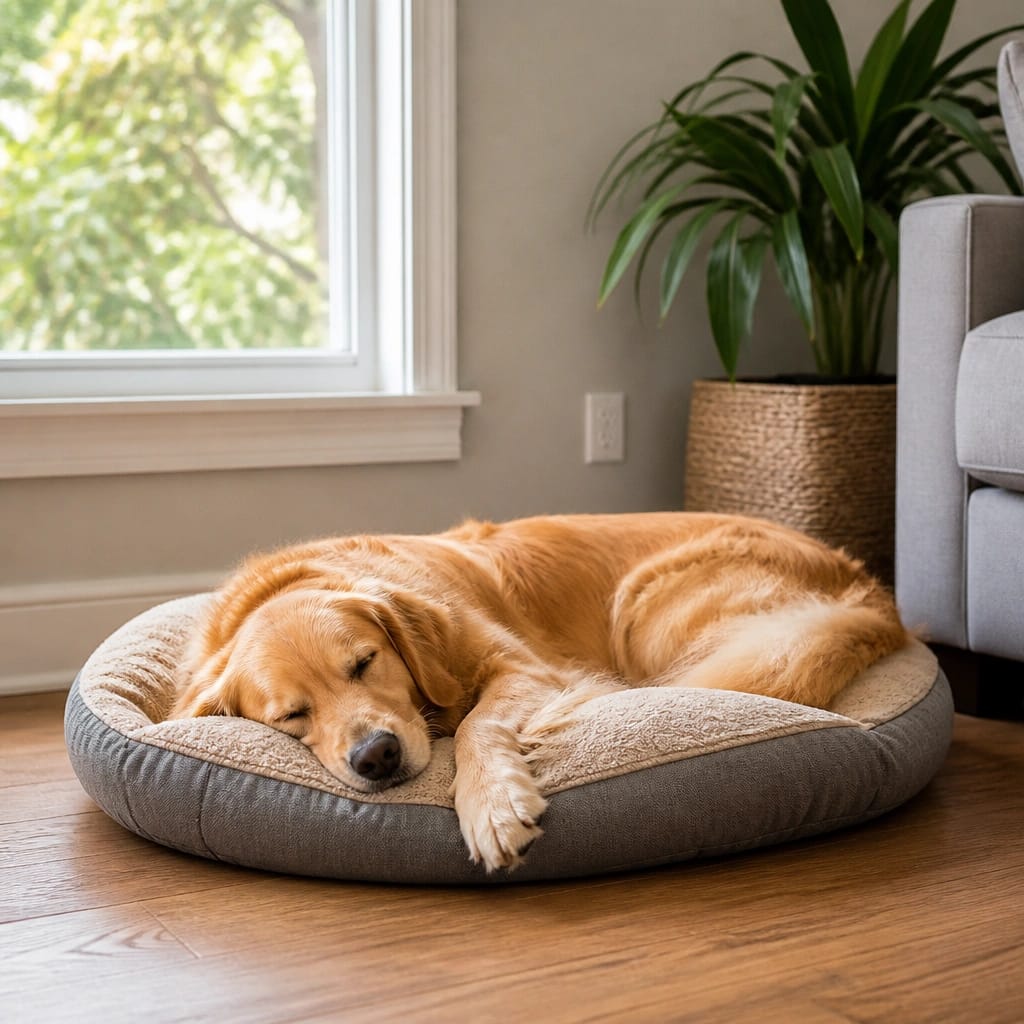
Step 1: Check the Room Temperature
Use a basic thermometer or a smart thermostat. Know the actual number. Your perception of comfort differs from your dog’s.
Step 2: Observe Your Dog’s Behavior
Watch for panting, stretching out flat, or seeking cool floors. Those mean too hot. Shivering, curling tight, and burrowing mean too cold.
Why your dog sleeps on the floor instead of their bed often points to temperature discomfort.
Step 3: Make One Change at a Time
Change the thermostat by two degrees. Wait one night. See how your dog responds.
Change too many things at once and you won’t know what helped.
Step 4: Adjust Seasonally
Your dog’s needs shift with the seasons. Add a warmer bed in winter. Switch to a cooling pad in summer.
The room temperature itself may stay the same, but the bed surface changes the experience.
Common Mistakes Owners Make With Temperature and Sleep
Overcompensating With Blankets
Dogs can’t remove blankets themselves. Piling on layers can trap too much heat. Watch for your dog pushing blankets away during the night.
Ignoring Signs of Overheating
Panting seems normal, but persistent panting during sleep is not. Many owners miss the early signs. By the time you notice, your dog has been uncomfortable for hours.
Assuming Your Dog Needs the Same Temperature You Do
Your body runs at 98.6°F. Your dog runs at 101.5°F. Their comfort zone is different.
A room that feels pleasant to you might be too warm for your dog.
When to Seek Veterinary Help
Recognizing Heatstroke vs Normal Panting
Normal panting stops within a few minutes. Heatstroke panting is heavy, rapid, and doesn’t let up. Other signs include bright red gums, drooling, vomiting, and collapse.
This is an emergency.
Recognizing Hypothermia vs Normal Shivering
Mild shivering that stops when warmed is normal. Persistent shivering, lethargy, and stiff muscles indicate hypothermia. Warm your dog gradually and contact a vet.
Conditions That Warrant a Vet Visit
Consult your vet if your dog consistently struggles with temperature regulation. Underlying health issues like thyroid problems, heart disease, or hormonal imbalances can affect how your dog handles heat and cold.
Frequently Asked Questions
Is 68°F too cold for a dog to sleep?
No, 68°F is fine for most healthy adult dogs. It sits right in the middle of the recommended range. Small breeds, short-haired dogs, and seniors may need a warmer bed or a blanket at that temperature.
Do dogs sleep better in a cold room?
Dogs generally sleep better in a slightly cool room than a warm one. Cooler air helps them regulate their body temperature. But too cold triggers shivering and restless sleep.
The sweet spot is 68°F to 72°F.
Should I use a fan for my dog at night?
Yes, a fan can help. It improves air circulation and aids evaporation from panting. Just don’t point it directly at your dog all night.
Position it to move air around the room instead.
How can I tell if my dog is comfortable at night?
A comfortable dog sleeps in a relaxed position. They don’t pant excessively, shiver, or reposition constantly. They stay in one spot for hours.
That is the best sign you have the temperature right.
Do puppies need a warmer room than adult dogs?
Yes, puppies need a slightly warmer environment. Their thermoregulation system is still developing. Keep their room closer to 72°F.
Provide a soft bed and a warm blanket for extra comfort.
Final Takeaway: Match the Temperature to Your Dog, Not the Calendar
Room temperature directly affects how well your dog sleeps. The right range of 68°F to 72°F works for most dogs. But your individual dog’s breed, age, coat, and health matter more than any number.
Watch your dog’s behavior. Make small adjustments. Choose bedding that supports the temperature.
If you pay attention, your dog will tell you everything you need to know.