

Why Does My Dog Twitch While Sleeping?
You’ve been watching your dog sleep, and then it happens. A leg kicks. An eye flutters.
Maybe a soft little whimper escapes. If you’ve ever wondered, “Why does my dog twitch while sleeping?” you’re not alone, and the answer is usually reassuring. That twitching is most often a sign your dog is deep in dreamland, processing their day just like we do.
Research into canine sleep patterns shows that dogs spend about 12 to 14 percent of their sleep in REM (rapid eye movement) stage, the phase where dreaming happens. Puppies and senior dogs tend to twitch even more, and that’s completely normal in most cases. Let’s walk through what’s actually going on inside that sleepy little head.
Your dog twitches while sleeping because they’re in REM sleep and dreaming. The brain sends signals to muscles during this stage. Paws paddle, eyes move, and facial muscles contract.
This is normal canine sleep behavior. It rarely means anything is wrong.
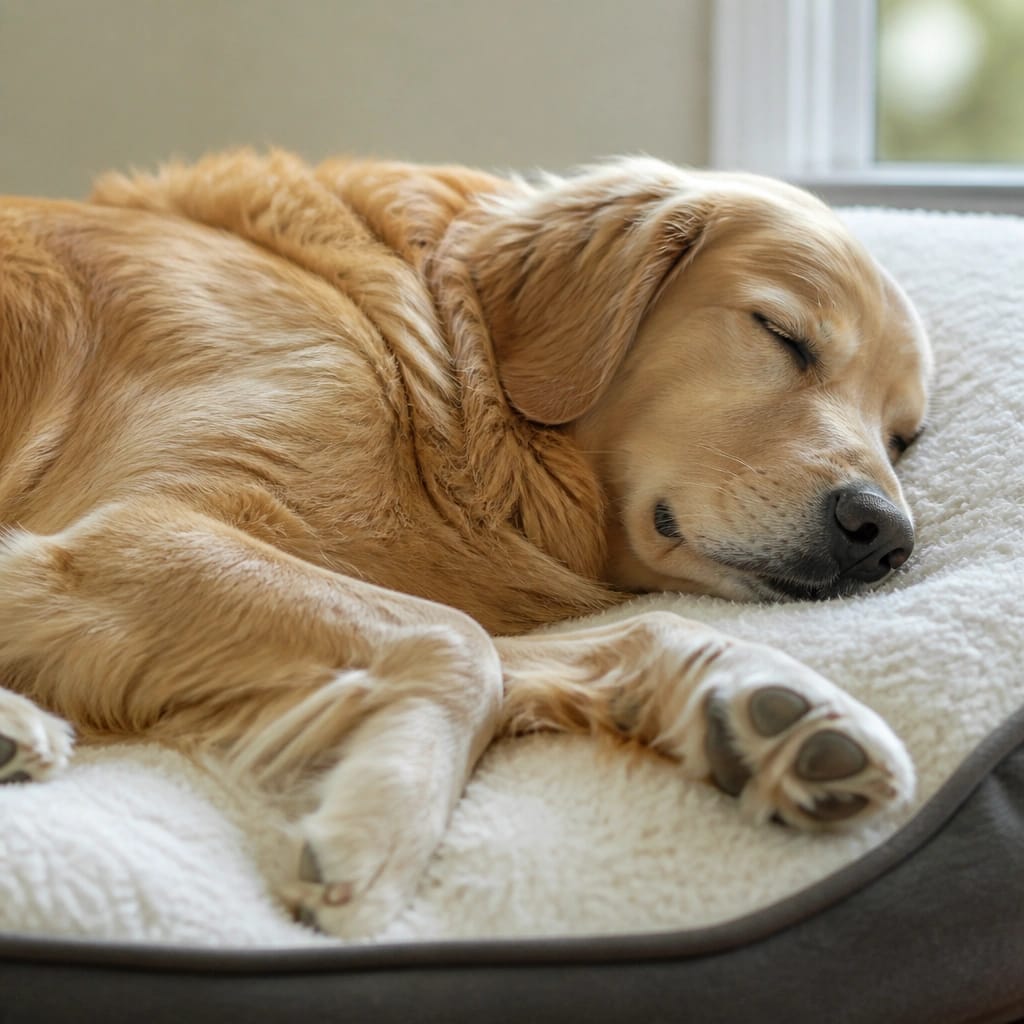
What’s Actually Happening During Your Dog’s Sleep
Sleep isn’t one long restful stretch. Dogs cycle through different stages, just like humans do. They start in light sleep, move into deeper slow-wave sleep, and then hit REM.
That’s where the action happens.
During REM sleep, your dog’s brain is almost as active as when they’re awake. The difference is their body is temporarily paralyzed, a built-in safety mechanism called muscle atonia that keeps them from acting out their dreams. But this paralysis isn’t perfect.
Small muscle groups in the face, legs, and tail can break through, which is exactly what you’re seeing when your dog twitches.
You might also notice their breathing becomes irregular. They might make small sounds. These are all normal parts of how your dog processes memory and experiences from the day.
The Science of Canine REM Sleep and Twitching

The term for this twitching is sleep myoclonus. It’s an involuntary muscle contraction that happens during the REM phase. Think of it as your dog’s body responding to the movie playing in their head.
In our research, the American Veterinary Medical Association confirms that REM sleep is essential for brain development and memory consolidation in dogs. Puppies spend a much higher percentage of their sleep in REM compared to adult dogs. That’s why your new pup might twitch, paddle, and whimper far more than your older, settled dog.
Smaller breeds also tend to twitch more visibly than larger breeds. That’s partly because their smaller muscle groups show movement more obviously. A Chihuahua’s leg twitch looks dramatic.
A Great Dane’s same twitch might barely register.
Normal Twitching vs. Something Worrisome

So when should you stop worrying and when should you actually worry? Here’s how to tell the difference.
Normal twitching looks like this:
- Your dog is clearly asleep and relaxed
- Twitching stops when you gently say their name
- They settle back into quiet sleep afterward
- Breathing is irregular but calm
- Episodes last a few seconds to a minute
Something worrisome looks like this:
- Your dog seems stiff or rigid
- Twitching involves the whole body, not just one leg or the face
- They don’t respond to your voice or touch
- They drool excessively or lose bladder control
- Episodes last more than a few minutes
- Twitching happens while they’re awake too
The key difference is responsiveness. A dreaming dog will usually stop twitching when you speak softly. A dog having a seizure won’t respond at all.
How to Tell the Difference
Watch for patterns. Normal twitching happens in short bursts during deeper sleep cycles. It typically occurs about 15 to 20 minutes after your dog falls asleep.
That timing matches when REM sleep begins.
Seizures can happen at any point during sleep or wakefulness. They tend to look more dramatic and involve the whole body. Your dog might paddle their legs frantically with stiff muscles, not relaxed ones.
When Twitching Is a Good Sign
Here’s something most owners don’t realize. Twitching during REM sleep is actually a sign of healthy brain function. It means your dog’s nervous system is developing or maintaining itself properly.
Puppies with lots of twitching are building strong neural pathways.
For adult dogs, twitching during sleep suggests they’re getting quality rest. That’s a good indicator that their sleeping environment is comfortable and they feel safe. A well-rested dog is a healthier, happier dog overall.
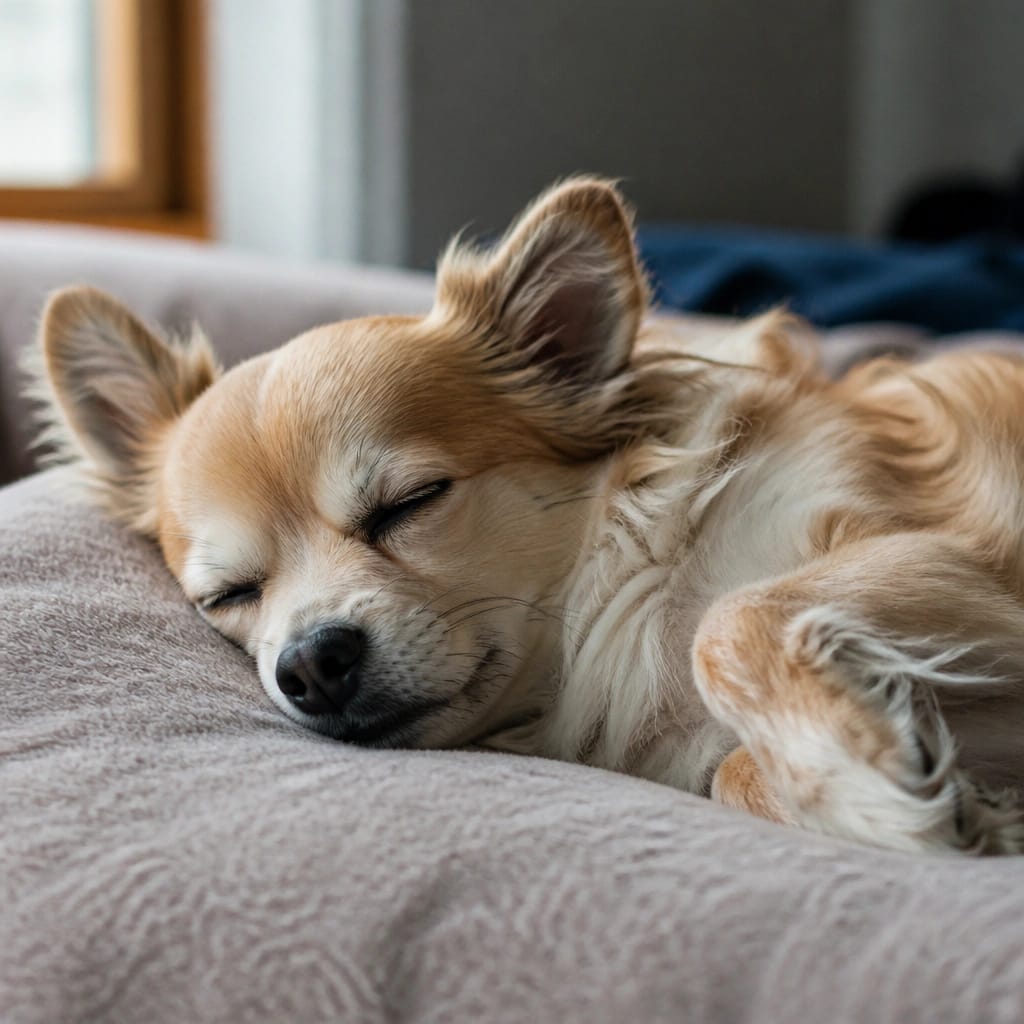
What Puppy Twitching Means (It’s Different)
Puppies twitch more than adult dogs. A lot more. Research shows that puppies spend about 50 percent of their sleep in REM compared to about 25 percent for adult dogs.
That’s a huge difference.
This increased twitching serves a real purpose. Puppies process massive amounts of new information every day. Every sound, sight, smell, and experience gets sorted and stored during REM sleep.
The twitching is essentially the system running at full speed.
If your puppy sleeps in a crate or bed where they feel secure, they’re more likely to reach deep REM sleep. That’s a sign their sleeping setup is working well for them. You can look into whether their crate or bed provides enough comfort and security for uninterrupted sleep cycles.
Senior Dogs and Sleep Twitching
As dogs age, their sleep patterns change. Senior dogs often experience more fragmented sleep. They wake more frequently during the night, and their REM cycles can become more irregular.
This irregularity sometimes means more noticeable twitching. But there’s another factor at play for older dogs. Cognitive decline conditions like Canine Cognitive Dysfunction (CCD) can affect sleep quality.
Dogs with CCD may pace at night, seem disoriented, or twitch more than usual.
If your senior dog’s twitching seems new or more intense, it’s worth noting for your vet. They can rule out underlying issues like arthritis pain that disrupts sleep and creates restless movements. A comfortable orthopedic bed can also help older dogs settle into deeper, more restful sleep cycles.
Common Triggers That Make Twitching More Noticeable
Not all twitching is purely about dream cycles. Some external factors can make twitching more visible or more frequent.
What can increase twitching:
- A new exciting experience earlier that day
- A change in their sleeping environment
- Temperature being too warm or too cold
- Diet changes that affect digestion
- Stress or anxiety from loud noises or schedule shifts
Watch for patterns. If your dog twitches more after a big day at the dog park, that’s normal processing. If twitching increases without any clear trigger, that’s worth monitoring more closely.
A consistent routine and a quiet sleeping area help promote calm, stable sleep. Dogs who feel secure in their sleeping spot tend to have more predictable sleep cycles with less disturbance.
Signs That Warrant a Vet Visit
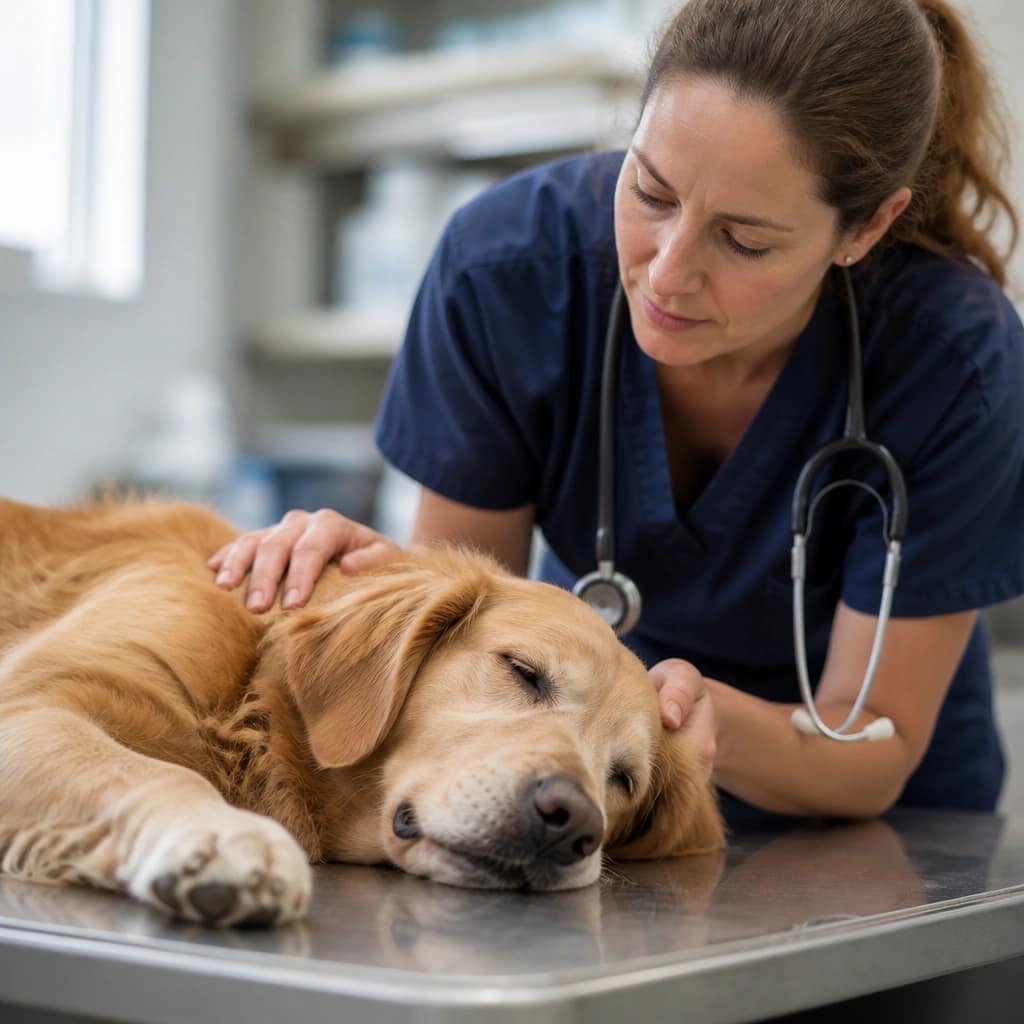
Most twitching is harmless. But some signs mean it’s time to pick up the phone.
Make an appointment if your dog:
- Twitches while awake, not just during sleep
- Has stiff, rigid body movements during episodes
- Loses bladder or bowel control during sleep
- Seems disoriented or confused after waking
- Has seizures that last longer than two minutes
- Shows a sudden change in twitching frequency or intensity
Seizure Red Flags
A seizure looks different from dreaming. During a seizure, your dog may fall onto their side with legs paddling hard. Their body may be stiff.
They might drool heavily, vomit, or lose control of their bowels. Most importantly, they won’t respond to your voice.
If you see these signs, stay calm. Do not put your hands near your dog’s mouth. They cannot swallow their tongue, but they may bite involuntarily.
Time the episode. If it lasts more than two minutes or happens in clusters, get to an emergency vet immediately.
Other Health Conditions to Rule Out
Some medical issues can mimic or increase twitching. These include electrolyte imbalances, low blood sugar, ear infections (which cause facial twitching), and certain toxicities. Even something as simple as your dog eating something they shouldn’t can trigger muscle tremors.
If twitching seems unusual for your dog, a veterinary checkup is always the safest move. They can run simple blood work to rule out the easy stuff.
What to Do (and Not Do) When Your Dog Twitches
Do this:
- Stay quiet and observe for a few seconds
- Note the time and which body parts are moving
- Speak softly if you want to check their response
- Let them stay asleep if they’re calm and relaxed
Don’t do this:
- Don’t grab or shake your dog awake
- Don’t shout their name loudly
- Don’t assume it’s a seizure if you’re unsure
- Don’t wake them just because it looks strange
Waking a dog suddenly from deep REM sleep can startle them. They may be disoriented. In rare cases, a startled dog might react defensively.
The gentler approach is almost always better.
If you’re genuinely worried, film the behavior with your phone. A 20-second video is worth a thousand words at the vet’s office.
How to Film and Record Observations for Your Vet
Your vet can’t see what happens at 2 a.m. unless you show them. A short video clip is the single most useful thing you can bring to an appointment.
Film for about 30 to 60 seconds. Capture your dog’s whole body, not just the twitching leg. Try to get their face and eyes in frame.
Say your dog’s name calmly on camera so you can prove whether they responded or not.
What to note in a written log:
- The time of night the twitching happens
- How long each episode lasts
- What body parts are involved
- Whether your dog wakes up normally afterward
- Any recent changes in diet, routine, or environment
Bring both the video and your notes to the appointment. This gives your vet concrete information instead of vague descriptions.
Breeds More Prone to Sleep-Related Issues
Some breeds have a higher risk of seizure disorders. Knowing your dog’s breed risk can help you stay alert without being anxious.
Breeds with higher epilepsy rates:
- Beagles
- Labrador Retrievers
- Golden Retrievers
- German Shepherds
- Border Collies
- Poodles
- Siberian Huskies
If you own one of these breeds, twitching alone isn’t a reason to panic. But it does mean you should know the difference between normal REM twitching and seizure activity. Early recognition matters more for these dogs because seizure disorders often appear between one and five years of age.
For brachycephalic breeds like French Bulldogs and Pugs, twitching can sometimes relate to breathing difficulties during sleep rather than dreaming. Their short airways can cause sleep disruptions that look like twitching. A bed that supports their breathing position can make a real difference for these dogs.
Frequently Asked Questions
Should I wake my dog if they’re twitching?
No. Let sleeping dogs lie. Waking them suddenly can cause confusion or a startled reaction.
Only wake them if you genuinely suspect a medical emergency like a prolonged seizure.
Can dogs have nightmares?
Yes. Dogs dream about their daily experiences, and some of those dreams can be distressing. Your dog might whimper or move anxiously.
Most of the time they settle back down on their own.
Is it normal for my puppy to twitch every night?
Yes. Puppies spend much more time in REM sleep than adult dogs. Frequent twitching is a sign of healthy brain development.
It usually decreases as they mature.
What’s the difference between a dream twitch and a seizure?
A dreaming dog responds to soft sounds. Their body is relaxed. A seizuring dog is stiff, unresponsive, and may drool or lose bladder control.
Seizures also last longer and look more intense.
When should I take my dog to the vet for twitching?
Visit the vet if twitching happens while your dog is awake, if episodes last more than two minutes, if they lose bladder control, or if they seem confused after waking. A sudden change in twitching behavior also warrants a checkup.
Do certain dog beds affect twitching or sleep quality?
Yes. A comfortable, supportive bed helps your dog reach deeper REM sleep. That’s where healthy twitching happens.
If your dog sleeps on an uncomfortable surface, their sleep may be lighter and more restless. The right bed size and material matter for quality rest.
The Bottom Line on Canine Sleep Twitching
Your dog twitching in their sleep is almost always a normal, healthy sign. It means they’re getting the deep REM rest their brain needs to process the world around them. Puppies do it more.
Senior dogs do it differently. Most of the time, you can just smile and let them dream.
What matters most is knowing the line between normal and concerning. Learn your dog’s patterns. Pay attention to the details.
Keep a phone video ready if something feels off.
A comfortable sleeping environment helps too. Dogs who feel safe and supported in their bed reach deeper sleep cycles more consistently. That means healthier rest, better brain processing, and yes, the occasional twitchy nap that makes you smile.


