

Why Does My Dog Suddenly Change Their Sleeping Habits?
Has your dog suddenly started sleeping in a different spot, pacing at night, or waking you up at 3 AM? If you’re wondering why does my dog suddenly change their sleeping habits, you’re not alone. A shift in sleep patterns is one of the most common concerns pet owners bring to their vet.
It can mean something minor, or it can signal an underlying health issue.
A healthy adult dog typically sleeps 12 to 14 hours per day, according to established veterinary sleep research. Puppies and seniors often need more. When that pattern shifts without an obvious reason, it’s worth paying attention to.
Let’s look at what might be going on.
Dogs change their sleeping habits for many reasons. Pain from arthritis is a common cause in older dogs. Anxiety or stress can disrupt rest. A change in their environment or routine also matters. Medical issues should always be ruled out first.
Is This a Problem or Just a Phase?
Not every change in sleep needs a trip to the vet. The key is duration and pattern.
A one-off restless night after a thunderstorm or a day with a new visitor is normal. So is a few days of adjustment after a move or a new pet in the house. These are temporary blips.
The problem comes when the change sticks around. If your dog has been sleeping poorly for more than a few days, or if the pattern keeps getting worse, it’s time to dig deeper. Look for other signs too.
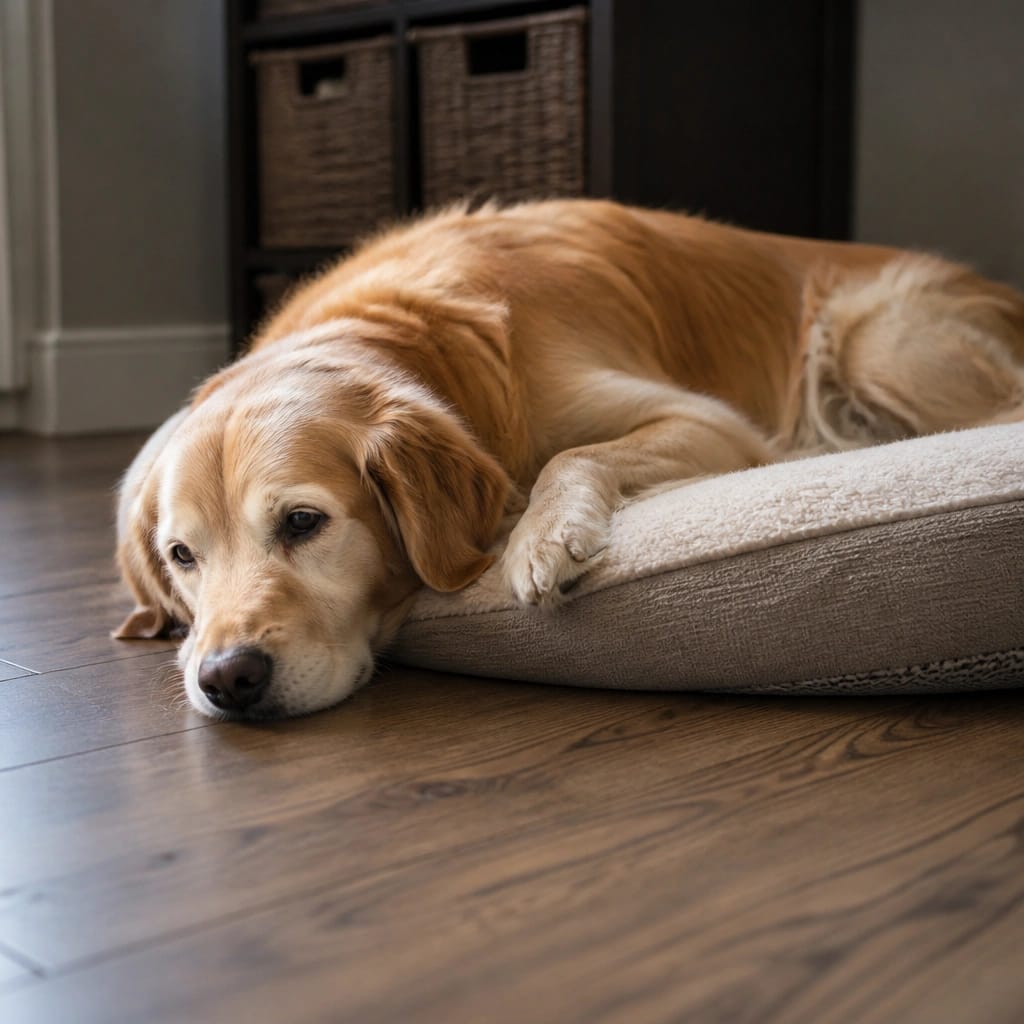
Is your dog limping, panting more, or drinking extra water? Are they suddenly sleeping in odd spots like the bathroom tile or a cold corner of the kitchen? That kind of shift points to a real issue, not a phase.
What Healthy Dog Sleep Actually Looks Like
To spot a problem, you need to know what normal looks like.
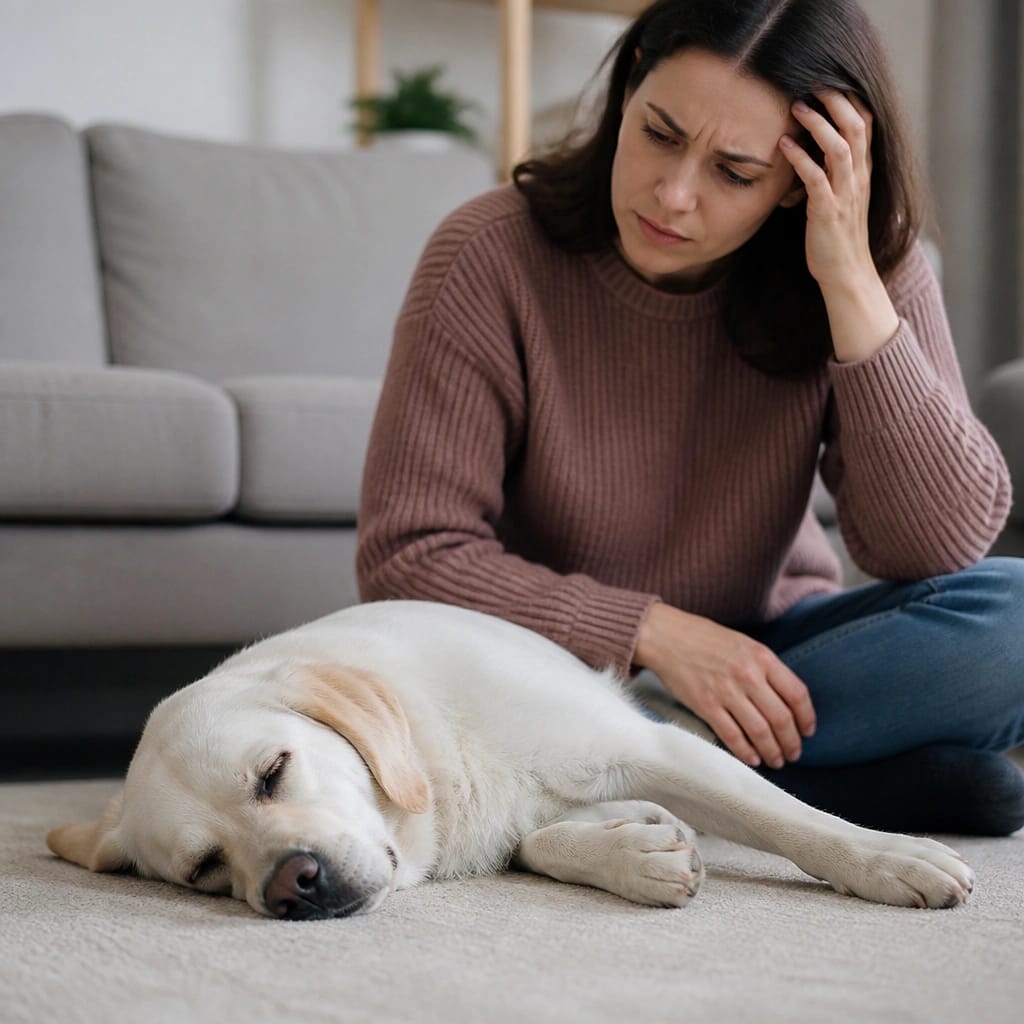
Dogs cycle through light sleep, deep sleep, and REM sleep just like we do. A healthy sleeper will shift positions several times a night. They might curl up, stretch out, flop on their side, or sprawl on their back.
Each position has a purpose. Curling conserves heat. Stretching out cools them down.
Most dogs settle quickly after lying down. They might circle or scratch the bed for a minute, then they’re out. Any position is fine as long as the dog seems comfortable and relaxed.
If your dog is constantly repositioning, getting up and down, or panting while lying still, that’s a red flag. Restless sleep is not healthy sleep.
Medical Reasons for a Sudden Sleep Change
This is the first category to consider. Pain and illness are the most common drivers of sudden sleep changes in dogs. Owners often miss this because dogs hide discomfort well.
Pain and Joint Issues
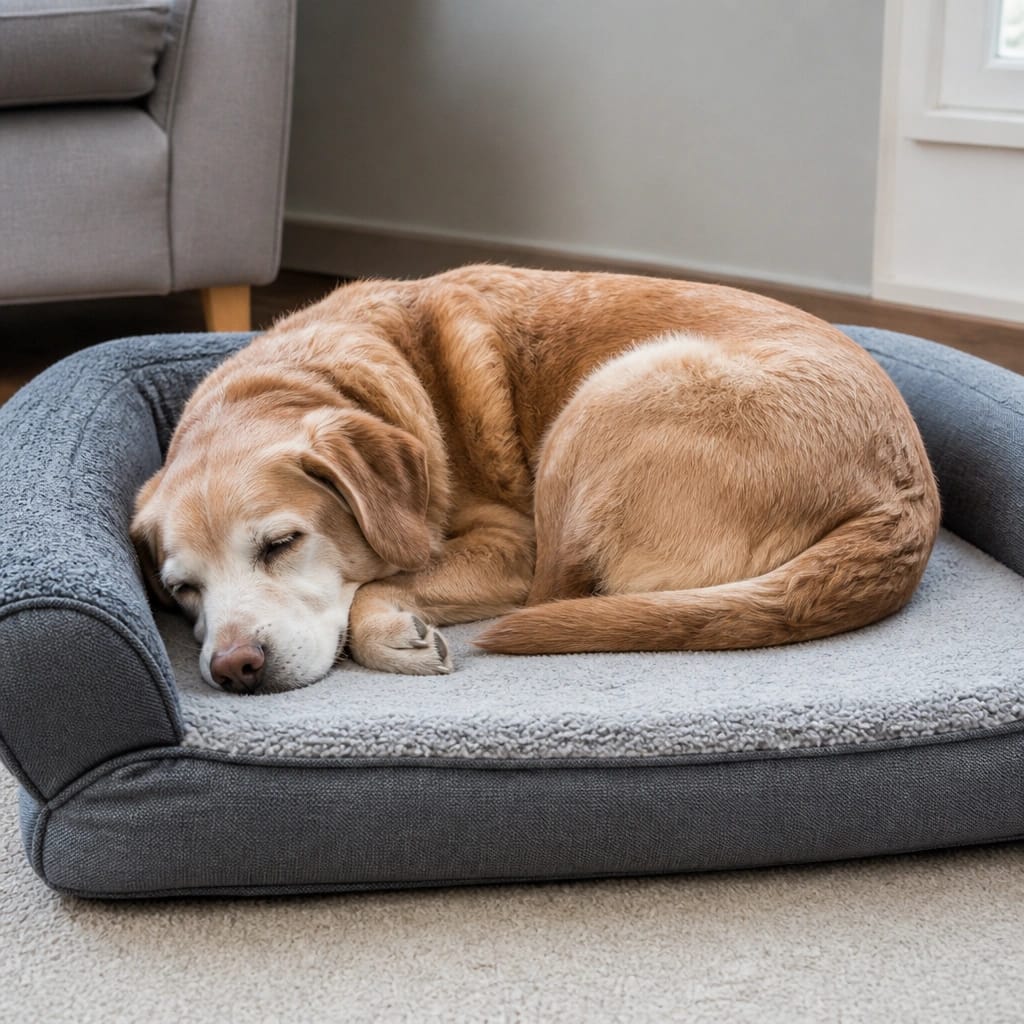
Arthritis, hip dysplasia, and spinal problems make it hard for a dog to get comfortable. A dog that used to sleep through the night may start pacing, circling, or struggling to stand up after lying down. They might avoid their usual bed if it no longer provides enough support.
Look for signs of physical discomfort like stiffness, limping, or reluctance to jump.
Cognitive Dysfunction in Senior Dogs
Older dogs can develop canine cognitive dysfunction, which is similar to dementia in humans. One of the first signs is a disrupted sleep cycle. The dog may pace at night, seem confused, or forget their house training.
They might bark at nothing or get stuck in corners. This is not normal aging. It’s a medical condition that a vet can help manage.
Other Illnesses That Disrupt Sleep
Urinary tract infections, Cushing’s disease, hypothyroidism, and digestive issues can all interfere with sleep. A dog with a UTI may need to go out repeatedly at night. One with an upset stomach may be too uncomfortable to settle.
If the sleep change came with increased thirst, appetite changes, or accidents in the house, bring it up with your vet.
Behavioral and Environmental Triggers
Sometimes the body is fine, but the mind is not. Dogs are sensitive to their surroundings. Small changes can throw off their sleep in a big way.
Anxiety and Stress
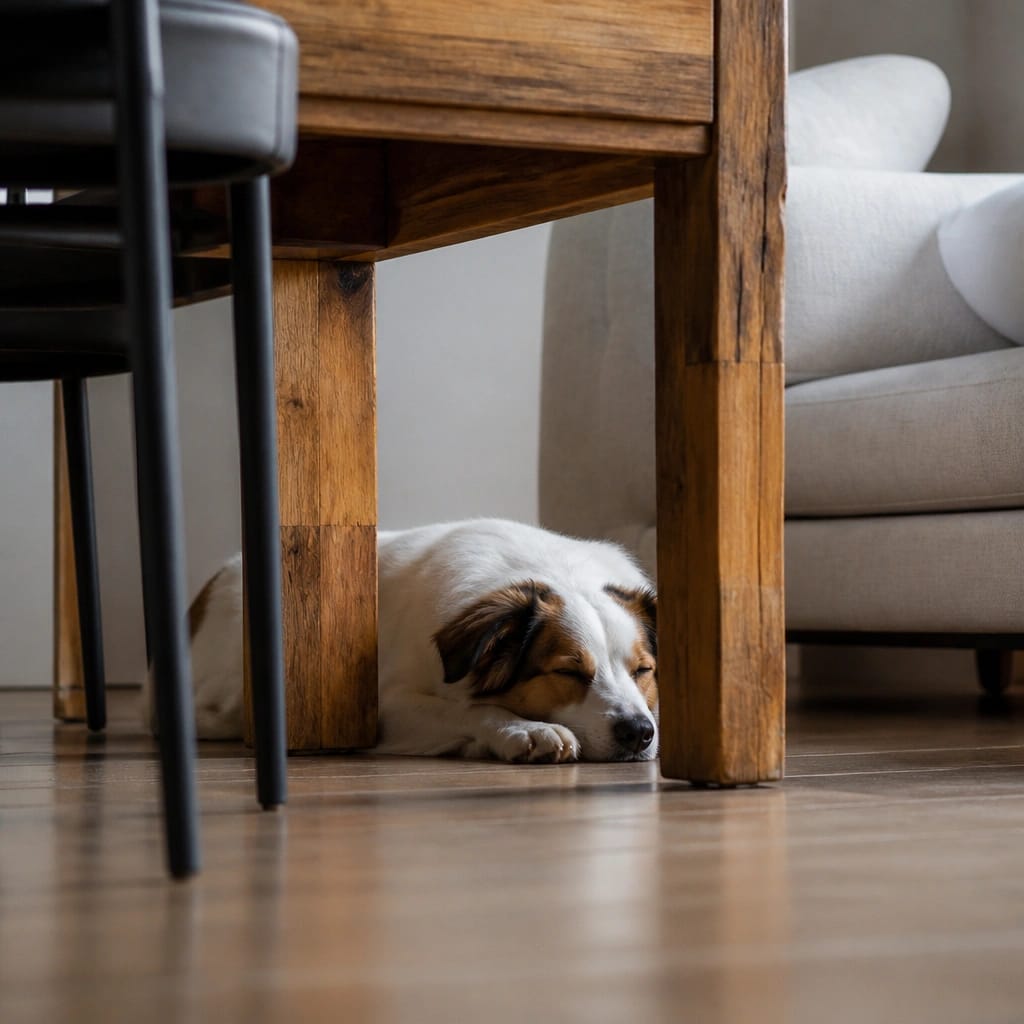
Separation anxiety, noise phobia, and general stress can keep a dog wired at night. If your dog only sleeps poorly when you’re away or during thunderstorms, anxiety is likely the cause. Some dogs also react to household tension or changes in your own schedule.
A bed designed for anxious dogs can help, but the root cause needs addressing too.
Routine Disruptions and Household Changes
Dogs are creatures of habit. A new baby, a new pet, a change in your work hours, or even rearranging the furniture can unsettle them. They might refuse to sleep in their usual spot or start waking you up.
Most dogs adjust within a week or two. If they don’t, the change may be more significant than you think.
Temperature and Comfort Issues
Hot weather can make a dog restless. So can a drafty room or a bed that’s too warm. If your dog is sleeping on the floor instead of their bed, check the temperature.
Also check where you keep their bed. A spot that was comfortable in winter might be too warm in summer. And a worn-out bed with flattened foam offers no support, which can lead to poor sleep.
How to Investigate the Change at Home
Before you call the vet, gather some information. It will help both of you figure out what’s going on.
Start by tracking the pattern. Write down when the change started, what time of night your dog is restless, and where they choose to sleep. Note any new behaviors like panting, pacing, or whining.
Check the bed itself. Is it still supportive? Has the foam flattened?
Is it clean? A dirty or worn bed can cause discomfort. If the bed is several years old, it may be time for a replacement.
Checking whether their bed still fits is important too, especially for growing puppies.
Look at the environment. Is the room too hot or too cold? Is there new noise from construction or traffic?
Has anything in the house changed recently?
Finally, review your dog’s daily routine. Have walks changed? Is feeding time different?
Are they getting enough exercise? A tired dog sleeps better, but so does a dog with a consistent schedule.
When to Call the Veterinarian
Some sleep changes are urgent. Call your vet within 24 hours if your dog is panting heavily while resting, crying out, or struggling to stand. These often mean pain.
Make an appointment soon if the change has lasted more than a few days. Also call if you notice increased thirst, appetite loss, vomiting, diarrhea, or accidents in the house. These point to an underlying illness that needs treatment.
Trust your gut. You know your dog better than anyone. If something feels off, it probably is.
A quick vet visit can rule out serious problems and give you peace of mind.
What You Can Do to Help Your Dog Sleep Better
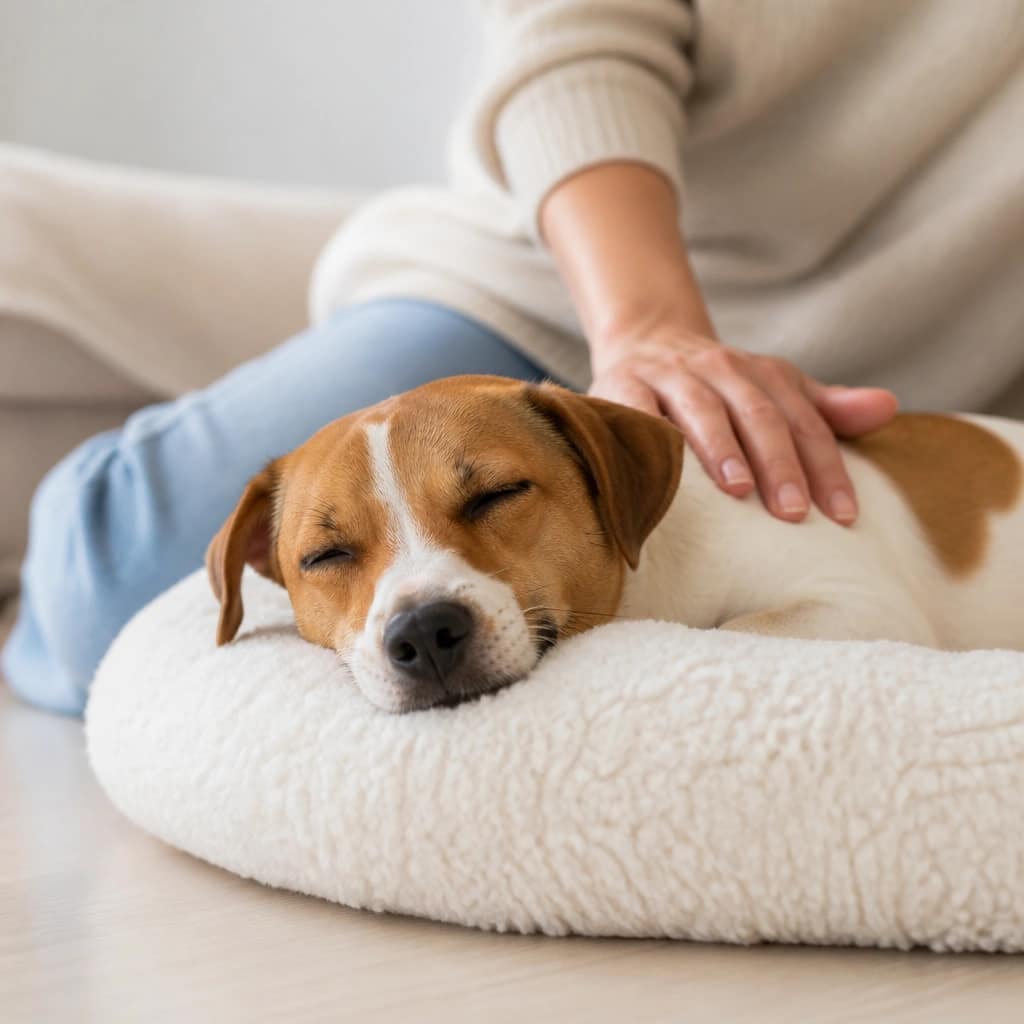
Start with the basics. Make sure their bed is supportive and clean. A worn out bed with flattened foam offers no joint relief.
If your dog is older, an orthopedic bed with adequate thickness can make a real difference.
Check the room temperature. Dogs sleep best in a cool, quiet space. Move the bed away from drafty windows or heating vents.
A consistent bedtime routine also helps. Feed, walk, and settle them at the same time each night.
For anxious dogs, consider a bed with raised bolsters. The enclosed shape can feel safe and secure. If your dog prefers to burrow, a cave style bed might suit them better.
Match the bed to their natural sleeping style.
Special Considerations for Puppies vs Senior Dogs
Puppies have different sleep needs. They need 18 to 20 hours of sleep per day. Sudden changes in a puppy often come from teething pain, housetraining accidents, or simply being overtired.
A crate with a comfortable pad can help them settle.
Senior dogs sleep more overall, but their sleep is lighter. They wake more easily. If your older dog suddenly starts pacing at night or seems confused, consider cognitive dysfunction.
The right bed matters more with age. A thicker, orthopedic mattress with easy access helps arthritic joints.
Frequently Asked Questions
How long does it take a dog to adjust to a new bed?
Most dogs adjust within a few days. Put their old blanket or a familiar toy on the new bed to speed things up. If they still avoid it after a week, check the size and firmness.
Can a change in diet affect my dog’s sleep?
Yes. A new food can cause digestive upset, gas, or increased thirst. These can all disrupt sleep.
Introduce new diets gradually over 7 to 10 days.
Should I let my dog sleep in my bed after a change?
It depends on the cause. If the change is from anxiety, sleeping with you may help them feel safe. If it’s from pain, your bed might be easier to access.
But if you want them back in their own bed, address the root cause first.
Is it normal for senior dogs to sleep more?
Yes, but the quality of sleep matters. A senior dog sleeping more but resting peacefully is normal. A senior dog that seems restless, confused, or unable to settle needs a vet check.
Putting It All Together
A sudden change in your dog’s sleeping habits is worth your attention. Start by ruling out medical causes. Pain and illness are the most common reasons.
Then check the environment and routine. Small adjustments often fix the problem.
If you’re unsure, ask your vet. It’s better to check than to wait. Your dog can’t tell you what’s wrong, but their sleep patterns can.
Pay attention to them.


