

Why Does My Dog Circle More Than Once Before Sleeping?
If you’ve ever watched your dog circle their bed three, four, or five times before finally settling down, you’ve probably wondered, “Why does my dog circle more than once before sleeping?” It’s one of those quirky canine behaviors that looks odd but has deep roots in survival instincts.
Our research shows that most dogs circle between three and five times before lying down, a ritual that takes roughly 10 to 30 seconds. This behavior is hardwired from their wild ancestors who needed to flatten grass, check for threats, and regulate body temperature. Understanding this helps you know when it’s just normal nesting and when it might signal something else.
Dogs circle before sleeping to create a comfortable, safe spot. This instinct comes from wild ancestors who flattened grass and checked for predators. Most dogs circle three to five times, which is perfectly normal.
The circling helps them regulate temperature and mark their sleeping area with scent.
Understanding the Pre-Sleep Circling Ritual
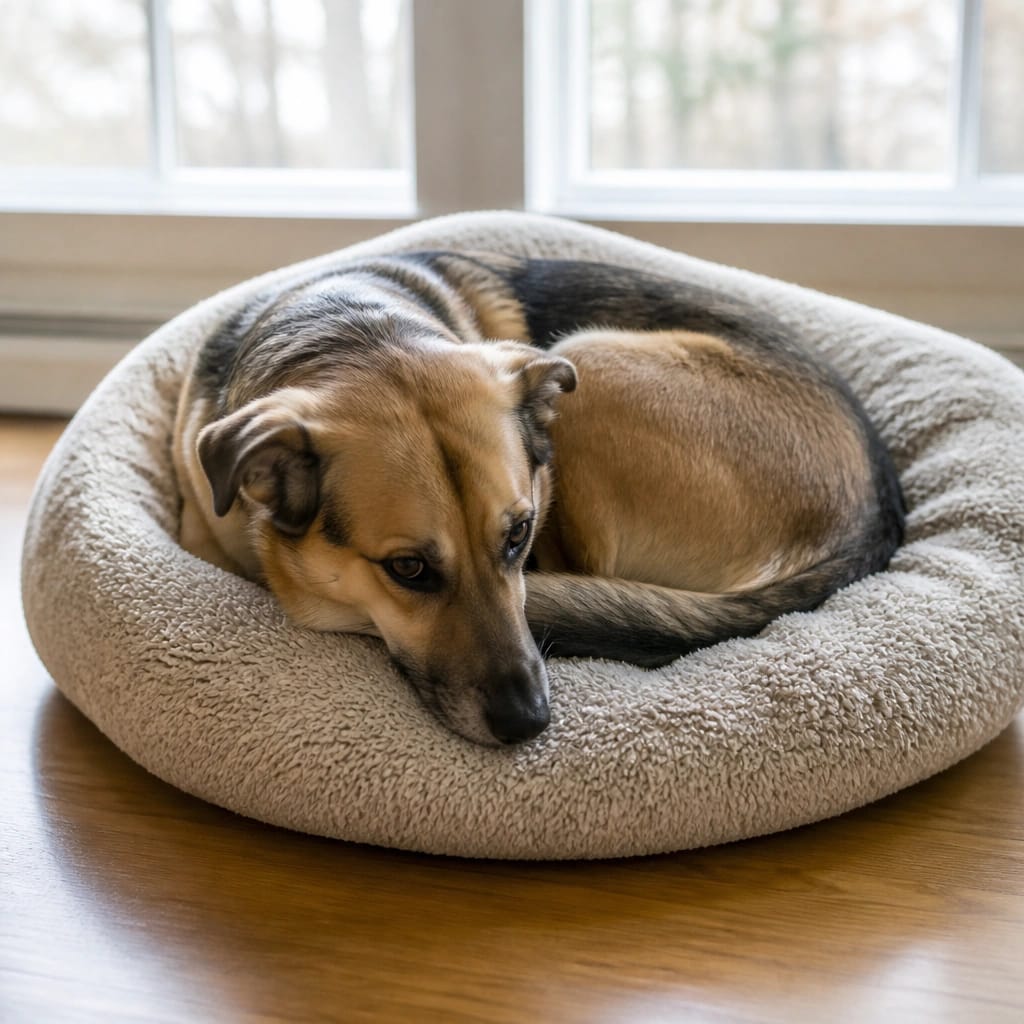
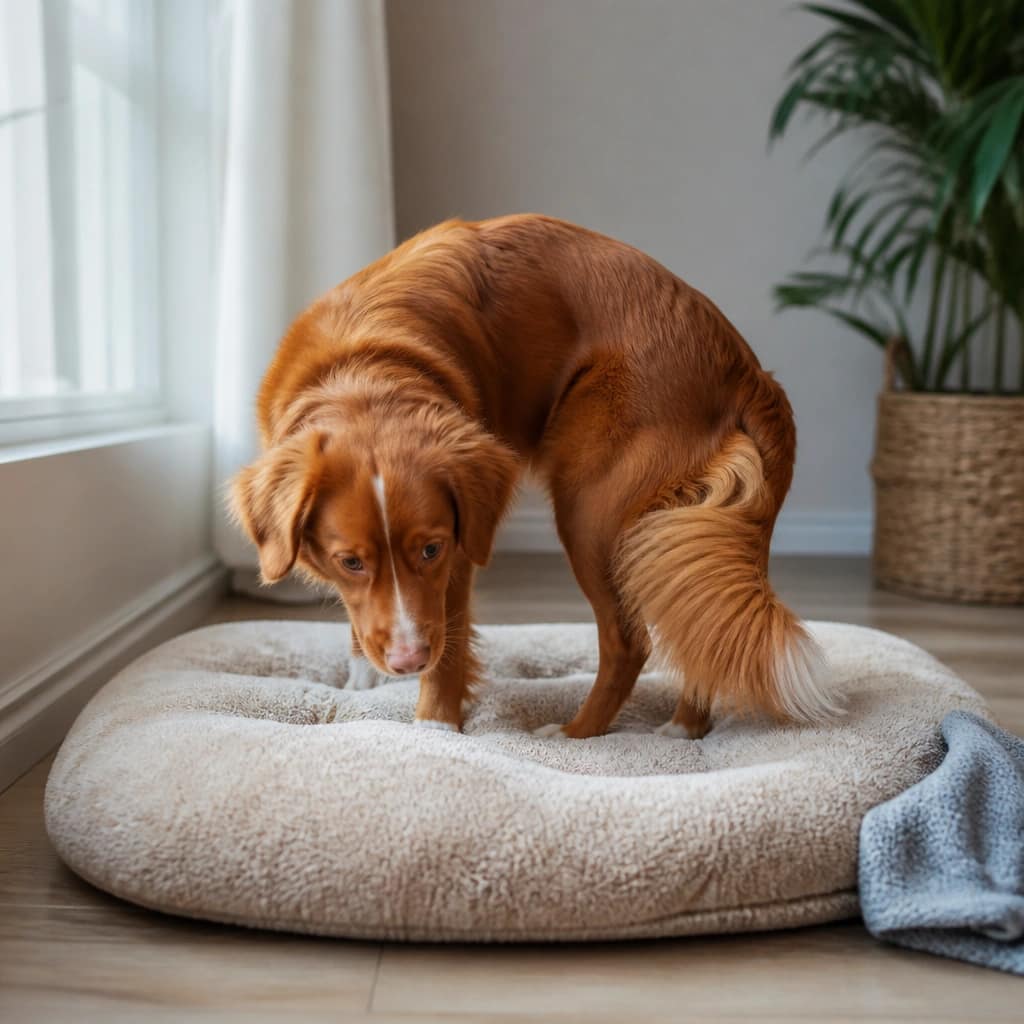
The pre-sleep ritual follows a predictable pattern. Your dog walks to their usual sleeping spot, sniffs the surface, and begins to circle. They may pause, scratch or paw at the bedding, then circle again before lowering their front body and curling into position.
Most dogs tuck their nose under their tail as they settle. This sleeping position helps conserve body heat and protects vital organs. The whole process usually takes 10 to 30 seconds from start to finish.
The number of circles can vary by dog, breed, and even mood. Some dogs manage with one or two quick turns. Others need a full rotation of five or more before they feel ready.
When Circling Is Normal Behavior
Circling is normal when it’s part of your dog’s consistent bedtime routine. Dogs that circle a few times, settle quickly, and sleep soundly are showing healthy nesting behavior. The key is consistency and comfort after the circling ends.
Normal circling usually involves:
- 3 to 5 rotations that gradually slow down
- A relaxed body posture with no signs of stress
- Quick settling into a comfortable sleeping position
- No whining, panting, or pacing afterward
Most dogs circle before every nap and overnight sleep. It’s a comforting ritual, not a problem. As of 2026, canine behaviorists still agree that this instinct is deeply wired and nothing to worry about in healthy dogs.
The Ancestral Reason Dogs Circle Before Sleeping
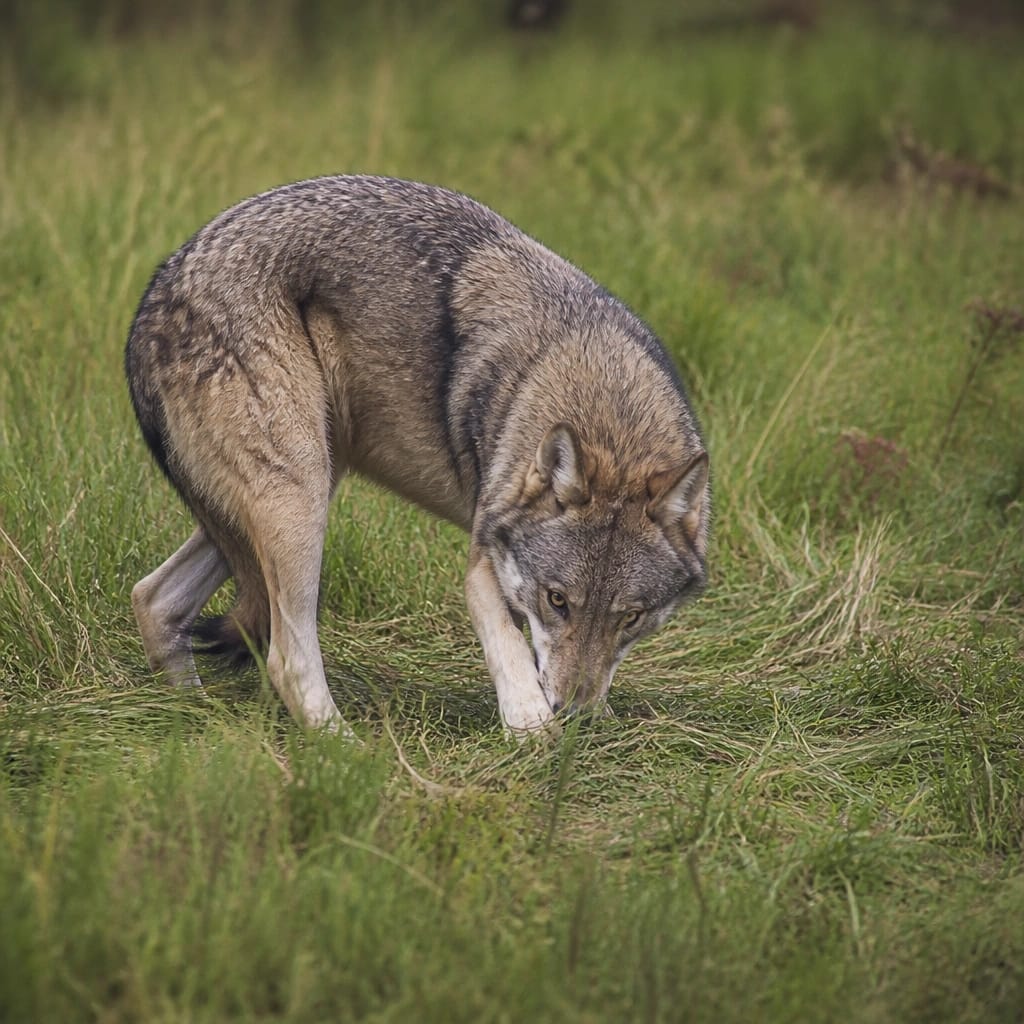
Your dog’s circling habit traces back tens of thousands of years to their wild ancestors. Wolves and wild canids circled before lying down for practical survival reasons. They flattened grass and leaves to create a comfortable bed.
They checked for hidden dangers like snakes or sharp objects. They also used the motion to push snow or vegetation into a warmer sleeping nest.
The circling also served a temperature regulation purpose. In cold weather, wolves would trample snow to create a warmer, insulated sleeping area. In hot weather, the circling helped clear away debris and expose cooler ground underneath.
The American Kennel Club confirms this behavior is part of a dog’s instinctive denning ritual. Your dog may sleep on a plush bed today, but that ancient wiring is still there.
How Nesting Instincts Show Up in Modern Dogs
Modern dogs still carry these instincts even though they sleep on soft beds in climate-controlled homes. The nesting instinct shows up in several ways beyond circling. Many dogs also rearrange their sleeping area before lying down.
This is the same behavior their ancestors used to arrange grass and leaves.
You might notice your dog circles more enthusiastically on new surfaces. A fresh bed, a different room, or a new outdoor spot can trigger extra circling. They’re inspecting and adjusting their sleeping area the same way a wolf would.
The nesting instinct is especially strong in certain breeds. Terriers, hounds, and retrievers often show more elaborate pre-sleep rituals. Smaller breeds like Chihuahuas and French Bulldogs may circle more tightly because they prefer to curl up in cozy, enclosed spaces.
What the Number of Circles Can Tell You
The number of circles your dog does before settling can tell you a lot about their comfort level. A quick one or two rotations usually means your dog is comfortable and relaxed. They’re just doing a quick check before settling down.
Three to five circles is the most common range for healthy dogs. This is the sweet spot where instinct meets comfort. Your dog is following their natural ritual without any signs of stress or discomfort.
More than five circles can mean different things. Your dog might be trying to get comfortable on a surface that’s too hard, too warm, or the wrong size. They could also be feeling anxious or unsettled.
If your dog consistently circles more than eight to ten times, it’s worth paying attention to their overall behavior and comfort.
Signs Your Dog’s Circling Might Be a Problem
Normal circling is relaxed and ends with a settled dog. Problem circling looks different. You need to know the difference.
Watch for these warning signs:
- Excessive repetition: More than 10 circles without settling
- Duration: Circling for a full minute or longer
- Distress signals: Whining, panting, or pacing during the ritual
- Physical stiffness: Visible limping or hesitation when lying down
- Inability to settle: Getting up and repeating the circle multiple times
A sudden change in circling behavior is the biggest red flag. If your dog has always circled three times and now circles 15 times, something has changed. The same goes for a dog that never circled much before suddenly becoming obsessive about it.
Circling can be a sign of pain. Dogs with arthritis sometimes circle more trying to find a comfortable position. They may also circle more on hard surfaces than soft ones.
A properly supportive bed can make a real difference for these dogs.
Circling Differences: Puppies vs. Senior Dogs
Age plays a big role in how dogs approach their pre-sleep ritual. Puppies often circle more than adult dogs. They’re still learning their routine and exploring their environment.
A puppy might circle six or seven times, scratch the bed, circle again, and flop down dramatically.
This is normal as long as the puppy eventually settles. Puppies also tend to be more vocal during their ritual. Light grumbling or sighing during the process is nothing to worry about.
Senior dogs deserve a closer look. Dogs develop their adult circling pattern by about one year old. Any significant increase in circling after age seven could signal joint discomfort or cognitive decline.

Canine cognitive dysfunction, similar to dementia in humans, can cause repetitive circling. Unlike normal pre-sleep circling, this circling often happens at random times. It may also be paired with confusion, staring at walls, or changes in sleep patterns.
How Bed Type and Sleeping Surface Affect Circling
The surface your dog sleeps on directly affects how much they circle. Dogs on hard floors often circle more trying to find a comfortable spot. A dog on carpet or a padded bed usually settles faster.
Bed design matters too. A donut or bolster bed with raised edges can reduce circling in some dogs. The raised edges give them a clear boundary to orient against.
This helps them settle more quickly because they can feel the containment around them.
Flat beds sometimes lead to more circling. Without edges to guide them, dogs keep adjusting their position. If your dog circles excessively on a flat bed, try a bed with raised bolsters.
Mattress size is another factor. A bed that’s too small forces your dog to keep circling to find a position that fits. Check that your dog can fully stretch out or curl up without hanging off the edges.
A properly sized sleeping surface reduces unnecessary circling.
Temperature also plays a role. Dogs circle more on beds that trap heat or feel too warm. This is their way of trying to find a cooler spot.
Consider a bed designed for temperature regulation if your dog circles excessively in warmer months.

Common Mistakes Owners Make About Circling Behavior
The most common mistake is assuming all circling is the same. Normal nesting circling and compulsive circling look different to a trained eye. Owners often brush off problem circling as just “being a dog.”
Another mistake is punishing the behavior. Never scold your dog for circling. It’s an instinct, not defiance.
Punishment creates anxiety, which can actually increase the circling.
Ignoring the sleeping surface is another error. Some owners watch their dog struggle to get comfortable on a worn-out, lumpy bed and never think to replace it. A quality, age-appropriate bed can dramatically reduce excessive circling.
Assuming it’s only a behavior issue can lead to missed medical problems. If your dog’s circling has changed noticeably, consider a vet check before a new bed. Pain management might be the real solution, not a new sleeping arrangement.
When to Consult a Veterinarian
Sometimes circling signals a medical problem that needs professional attention. You should schedule a vet visit if your dog circles excessively and shows any of these signs:
- Circling continues for more than a minute before settling
- Your dog seems unable to find a comfortable position at all
- Circling happens during the day, not just before sleep
- Your dog shows stiffness, limping, or reluctance to move after resting
- The behavior started suddenly in an older dog
Veterinarians can check for arthritis, hip dysplasia, or spinal issues. They can also assess for neurological conditions or cognitive decline in senior dogs.
Treatment depends on the cause. Joint supplements, anti-inflammatory medications, or pain management plans can help dogs with arthritis circle less. A supportive orthopedic bed combined with proper medical care gives these dogs the best quality of life.
Frequently Asked Questions About Dog Circling
How many times should a dog circle before sleeping?
Most dogs circle three to five times before settling down. This range is normal and healthy. If your dog consistently circles more than eight to ten times, take a closer look at their comfort and health.
Is it bad if my dog doesn’t circle at all?
Not at all. Some dogs skip the ritual entirely and just lie down. This usually means they feel perfectly comfortable and safe in their sleeping area.
Why does my dog circle more on some nights than others?
Changes in routine, temperature, or environment can increase circling. Your dog may also circle more on hard floors or unfamiliar surfaces as they adjust. If it stays temporary, it’s nothing to worry about.
Can a new bed stop my dog from circling too much?
Yes, in many cases. A properly sized bed with raised bolsters can help dogs settle faster. Donut-style or bolster beds give dogs a clear boundary to orient against.
Check your dog’s bed size and support level.
The Bottom Line on Why Dogs Circle Before Sleep
Circling is a natural instinct rooted in survival. Most dogs do it, and most of the time it’s perfectly healthy. The key is knowing your dog’s normal pattern.
Pay attention to changes. A sudden increase in circling, especially in an older dog, deserves a closer look. So does circling paired with whining or stiffness.
A quick vet check can rule out pain or cognitive issues.
Make sure the sleeping surface supports your dog well. The right bed size, shape, and firmness can reduce unnecessary circling. If you’re seeing signs of discomfort, compare your dog’s current setup to what they actually need.
Trust your instincts as an owner. You know your dog better than anyone. Normal circling is just an ancient habit.
Problem circling is a signal worth listening to.


