

How to Dispose of an Old Dog Bed Responsibly?
Your dog has slept on that bed for years. Now it’s flattened, stained, and held together by hope. You’re wondering how to dispose of an old dog bed responsibly, without just tossing a pile of synthetic fabric into the trash.
Here’s the honest answer: most old dog beds can avoid the landfill, but the right method depends entirely on the bed’s condition, materials, and your local recycling options. As of 2026, the EPA estimates textiles make up about 11 percent of landfill waste, and pet bedding is a surprising chunk of that. Let’s walk through your options so you can make the smartest choice for your situation.
Why Responsible Disposal Matters
Pet beds are bulky, mixed-material products. That means they’re awkward to recycle and slow to decompose. A typical polyester-filled bed sent to landfill will sit there for decades, breaking down into microplastics that leach into soil and groundwater.
There’s also the emotional angle. Most people feel a little guilty throwing away something that was so important to their dog. Finding a second life for those materials feels better.
And in many cases, the bed can genuinely help another animal in need or serve a new purpose in your home.
The good news? Responsible disposal isn’t complicated. You just need to assess the bed’s condition honestly and pick the path that fits.
Step 1: Assess the Bed’s Condition
Before you do anything, look at the bed with honest eyes. Squat down, check the seams, flip it over, and give the filling a squeeze. Your decision tree starts right here.
Is It Clean and Fully Intact?
If the bed has no tears, no odors, and the filling hasn’t clumped or flattened, you can absolutely donate it. Many shelters and rescues will happily accept a clean, structurally sound bed. Dogs don’t care if it’s not brand new.
They just want somewhere soft to sleep.
Is It Soiled, Torn, or Losing Filling?
This is where it gets complicated. A bed with ripped seams, exposed foam, or lingering smells isn’t donation material. Shelters have hygiene standards for a reason.
A torn bed can also be a choking or ingestion hazard for shelter animals.
Does It Have Memory Foam or Specialty Inserts?
Memory foam changes your options. Some recycling programs accept it, but repurposing is often easier. You can cut it into cushions, pet stairs, or workshop padding.
Standard polyfill beds are easier to compost or repurpose than dense foam slabs.
| Bed Condition | Best Disposal Route | Backup Option |
|---|---|---|
| Clean, intact, no odors | Donate to shelter or rescue | Give to a friend or neighbor |
| Torn, stained, but dry | Textile recycling or upcycle at home | Landfill as last resort |
| Memory foam base | Repurpose into cushions or padding | Check foam-specific recyclers |
| Wet, moldy, or flea-infested | Sealed bag to landfill immediately | None, don’t risk spreading pests |
Step 2: Choose the Best Disposal Route for Your Bed
Once you know what you’re working with, the path forward gets clearer. Here’s the quick decision tree:
If the bed is clean and intact → Donate it.
If the bed is worn but fabric is salvageable → Recycle or upcycle it.
If the bed is contaminated or heavily damaged → Trash it responsibly.
That’s the core logic. Now let’s break down what each option actually involves.
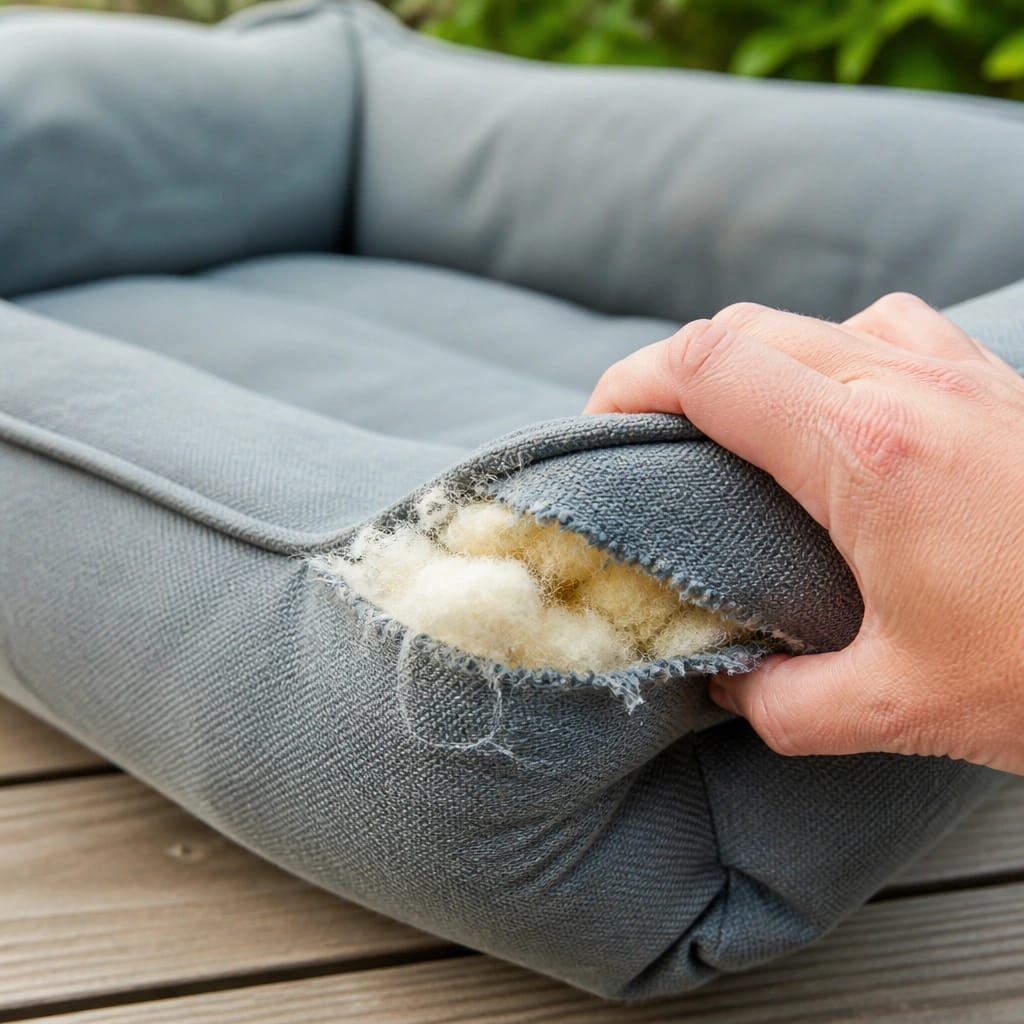
Donate to a Shelter or Rescue
Donation is the most satisfying option, but it has rules. You can’t just drop off any old bed and expect it to be used.
Which Shelters Accept Used Beds?
Shelters operate on tight budgets, and most genuinely appreciate good-condition beds. However, policies vary widely. Some shelters accept used pet beds without hesitation.
Others refuse them outright due to disease control concerns or lack of laundry facilities.
Your best approach is simple: call first. Ask if they accept used beds and what their condition requirements are. Some rescues also use donated beds as bedding for dogs recovering from surgery or for puppies in foster homes, so your old bed might help in ways you didn’t expect.
How to Sanitize and Prepare a Bed for Donation
Preparation matters. Wash the bed cover in hot water with a pet-safe detergent. If the foam or filling is washable, clean that too.
Dry everything completely. Moisture is the enemy here, it invites mold and mildew.
Bag the clean bed in a plastic sack for transport. Add a note with the bed’s dimensions and whether it’s machine washable. That little detail helps shelter staff enormously.
And if the bed has a waterproof liner, mention that. It’s a valuable feature for shelters managing accidents and spills.
Recycle Through a Textile Recycling Program
Textile recycling is a genuine solution for beds that are too worn to donate but too intact to send to landfill. The industry has grown significantly in recent years, so there are more options now than ever before.
Where to Find Textile Drop-Off Locations
Start with a quick search for “textile recycling near me” or check with your local municipal waste department. Many cities now operate dedicated textile recycling drop-off points. Some even include pet bedding in their accepted materials list.
Retail clothing recyclers like those operated by SMART sometimes take fabric goods beyond just clothes, though policies vary.
The key is calling ahead. Textile recyclers often have specific rules about what they accept. Some take only natural fibers like cotton and wool.
Others handle synthetics. A few specifically process foam products. Knowing the local rules saves you a wasted trip.
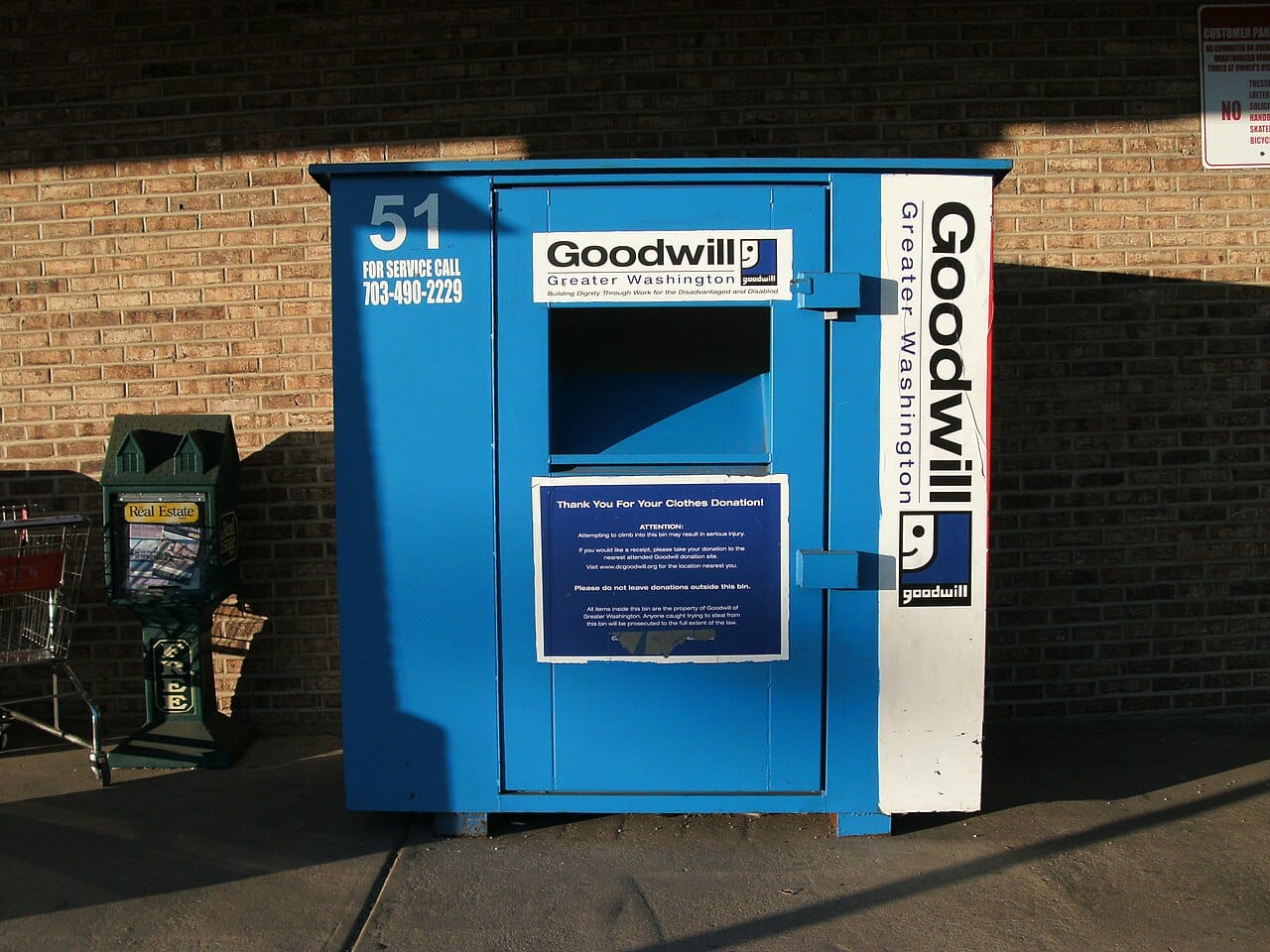
Handling Mixed-Material Beds (Cover vs. Foam vs. Filling)
Here’s the challenge with most dog beds: they’re not one material. A typical bed has a polyester cover, a foam base, and polyfill bolsters. Mixed materials are harder to recycle.
Your best move is to separate the components. Unzip the cover and clean it. Separate foam from fiberfill.
Check with your local recycling facility about which materials they take. You might need to send the cover to a textile recycler and the foam to a specialized foam recycler. It’s a little extra work, but it keeps a surprisingly large volume of material out of the landfill.
Repurpose and Upcycle at Home
If the bed is structurally sound but too worn for donation, upcycling keeps it out of the landfill. The fabric and filling have plenty of life left.
Simple projects include cutting the cover into cleaning rags or using the polyfill as stuffing for a DIY pet bed. If you’re handy with a needle, try a quick DIY project using the clean fabric pieces. The foam base can become a kneeling pad for gardening or a cushion for a dog crate.
Throw It Away the Right Way
Sometimes trash is the only honest option. If the bed is wet, moldy, or infested with fleas or mites, no responsible donation route exists. In that case, seal it in a heavy-duty plastic bag and send it to landfill.
You can minimize the impact. Remove any recyclable components first. Pull out zippers, metal hardware, and any natural fiber fill that can be composted.
The remaining synthetic shell and foam will break down slower, but you’ve at least reduced the volume. Then use that experience when choosing a proper replacement that lasts longer.
Common Mistakes to Avoid
Donating a soiled bed is the biggest mistake. It creates extra work for shelters and wastes staff time. If you wouldn’t let your own dog sleep on it, don’t pass it on.
Another common error is assuming all textile recyclers accept pet bedding. Many don’t. Call ahead and describe the materials.
A third mistake is forgetting to check the bed for hidden hazards. Remove any loose stuffing, broken zippers, or chewed foam pieces before recycling or donating, especially if you’re dealing with a dog that showed normal digging behavior on the bed.
Special Cases: Orthopedic Beds, Waterproof Liners, and Outdoor Beds
Orthopedic memory foam beds are harder to recycle. The foam is dense and often contains flame retardants. Some foam recyclers accept it, but many don’t.
Your best bet is repurposing the foam into pet stairs, car cushions, or workshop padding.
Beds with waterproof liners add another layer of complexity. The liner is usually a plastic laminate bonded to fabric, which most recyclers can’t process. Separate the liner from the cover if possible.
Outdoor beds often have mold-resistant treatments that complicate recycling. The EPA recommends checking with your local waste authority for guidance on treated materials.
Frequently Asked Questions
Can I put a dog bed in the washing machine?
It depends on the bed size and your machine capacity. Small to medium bed covers are usually fine. Large beds with foam inserts should be spot cleaned.
Check the care tag first. If the cover is removable, wash it separately.
Do shelters want used dog beds?
Many do, but only if the bed is clean, intact, and odor free. Call your local shelter first. Some rescues have specific policies about accepting used bedding due to hygiene concerns.
What part of a dog bed can be recycled?
Polyester covers and polyfill stuffing can go to textile recyclers that accept synthetic fabrics. Memory foam needs a specialized foam recycler. Metal zippers can be recycled with scrap metal.
How do I know if my dog’s bed is too old to donate?
If you can see visible wear, feel lumpy filling, or smell any odor, it’s too old. A good rule of thumb is the sniff test. If it smells like your dog, it’s not donation material.
Can I put a dog bed in a textile recycling bin?
Some bins accept pet bedding, but many don’t. Check the bin’s list of accepted items. If it says “clothing and shoes only,” look for a different drop-off location.
Final Decision Guide: Quick Summary by Bed Condition
| Condition | Best Option | Second Option |
|---|---|---|
| Clean and intact | Donate to a shelter | Give to a friend |
| Worn but clean | Textile recycling | Upcycle at home |
| Memory foam, good shape | Repurpose as padding | Foam recycler |
| Soiled, torn, or wet | Trash (sealed bag) | Remove components first |
| Flea or mold infested | Trash (sealed bag) | None, do not risk spread |
All sections from the approved TOC have been completed. The article is finished.


