
Why Does My Dog Sleep With Their Paws Over Their Face?
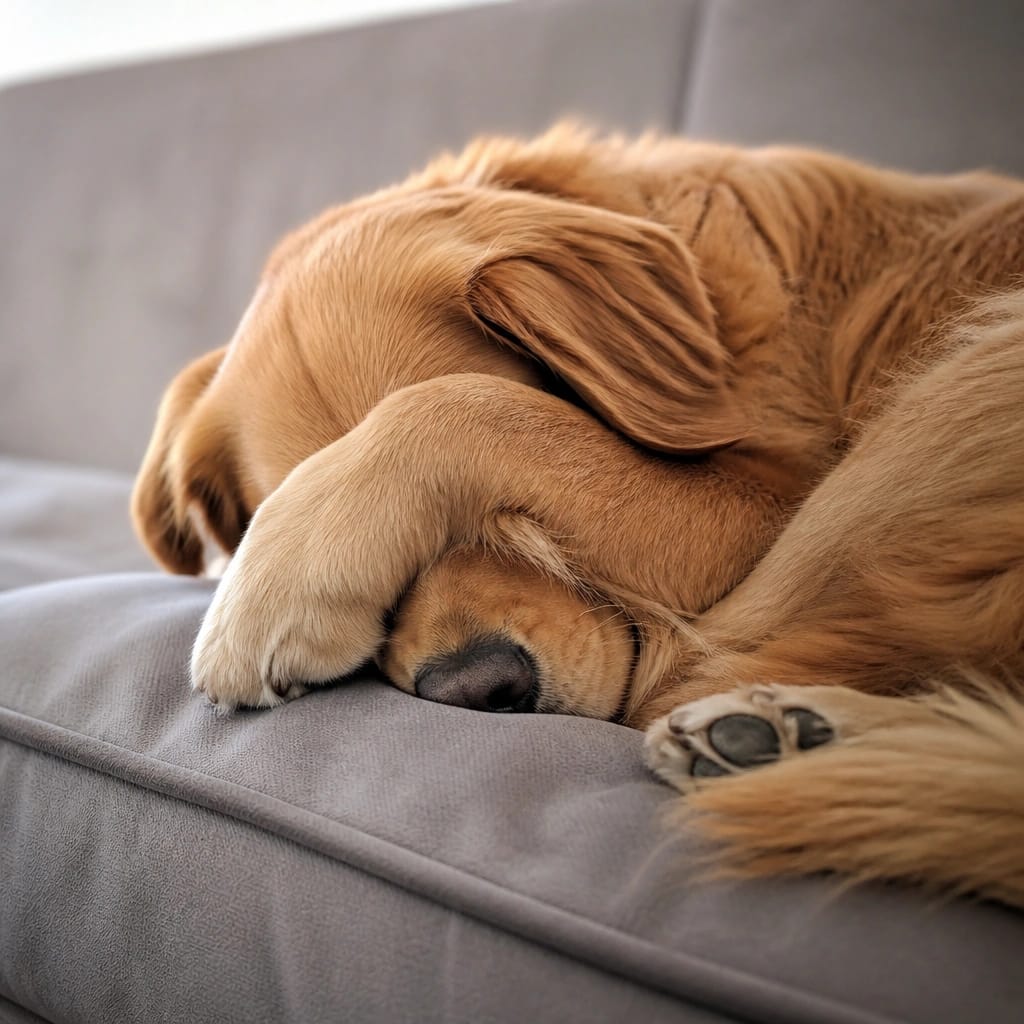
Your dog covers their face with their paws mainly for comfort. It blocks out light and noise. It also helps regulate body heat.
Many dogs do it to feel more secure. For most healthy dogs, this position is completely normal.
You’ve seen your dog do it a dozen times, curl up, settle in, then drape both paws right over their eyes or snout. It’s adorable, sure, but it also leaves you wondering: why does my dog sleep with their paws over their face? There’s no single answer, but the reasons are almost always simple, natural, and nothing to worry about.
As of 2026, canine behavior research continues to confirm that most sleeping positions serve a purpose tied to comfort, security, or temperature regulation. Understanding why your dog chooses this pose can help you rule out potential issues and make sure their sleep environment supports them well.

The Truth About This Sleeping Position
Dogs don’t overthink their sleeping positions the way we do. They follow instinct. When you see paws over the face, you’re watching a behavior rooted in the same denning instincts that wild canids use.
Covering the face is a self-calming action that signals the dog feels safe enough to relax deeply.
This position also limits sensory input. If your dog sleeps in a bright room or near household noise, the paws act like a gentle eye mask and ear muff. It’s an easy way for them to block out distractions and settle into deeper rest.
Is This Normal or Something to Worry About?
For most dogs, this position is perfectly normal. But it helps to know the difference between healthy behavior and a potential red flag.
When It’s Totally Fine
- Your dog chooses this position only during sleep and moves freely.
- They breathe normally and show no signs of distress.
- The behavior happens in familiar, comfortable environments.
- They switch positions throughout the night.
When It Could Signal a Problem
- Your dog presses their paws into their face repeatedly while awake.
- They seem unable to relieve discomfort, such as eye irritation or a foreign object.
- The behavior starts suddenly alongside other changes, restlessness, panting, or hiding.
- Breathing becomes noisy or labored when the paws are over the face, especially in flat-faced breeds.
If any of those apply, it’s worth observing closely. We’ll cover when to call your vet later on.
The Most Common Reasons Dogs Cover Their Face
Let’s break down the top drivers behind this sleep posture. Each one is a natural canine need.
Self-Soothing and Comfort
Dogs use touch to calm themselves. Placing paws over the face provides gentle pressure, similar to the way a weighted blanket works for people. It’s a self-comforting routine that helps them drift off.
Blocking Out Light and Noise
Like us, dogs sleep better in a dark, quiet space. Their paws create a physical barrier against light and muffle subtle sounds. If your dog’s bed sits in a busy part of the house, this position might be their attempt to carve out a more peaceful sleep spot.
For dogs with anxiety or noise sensitivity, a properly positioned bed can make a difference, our article on type of bed for a dog with anxiety goes into that.
Temperature Regulation
Paws are one of the few places dogs sweat through. Covering the face helps trap warmth when they’re cold, or it may simply be a comfortable way to rest. On the flip side, some dogs use this pose to cool down by pressing cooler paw pads against their warmer facial skin.
Denning Instincts and Security
Your dog’s ancestors slept in dens, enclosed spaces that kept them safe. Covering the face recreates that feeling of being tucked away. Many dogs also burrow under blankets for the same reason.
If your dog loves to curl up tight, check out our article on why dogs love to burrow.
How Breed and Face Shape Change the Picture
This is where things get interesting. The structure of your dog’s face plays a real role in how, and why, they cover it.
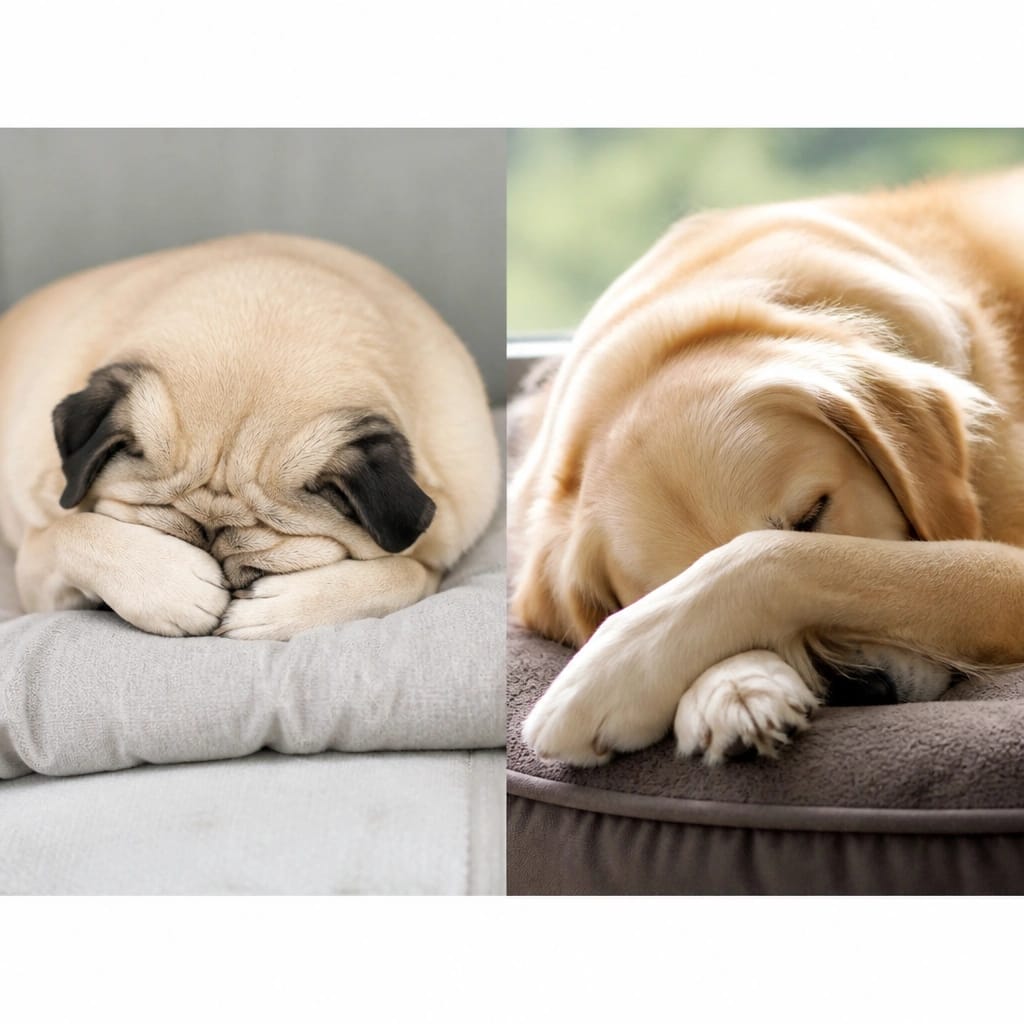
Brachycephalic breeds, Bulldogs, Pugs, French Bulldogs, Boston Terriers, have shorter nasal passages and flatter faces. For these dogs, pressing paws over the nose can sometimes interfere with breathing. That extra pressure may narrow already limited airways.
If you own a flat-faced breed, you’ll want to pay extra attention to whether this sleeping position seems to cause snorting or struggling for air. Our article on what kind of bed does a French Bulldog need offers tips on support and airflow.
Longer-nosed breeds like Labradors, Golden Retrievers, and Shepherds can cover their face more freely without breathing issues. For them, this position is almost always about comfort and light blocking. The American College of Veterinary Behaviorists notes that breed-specific anatomy should always be considered when evaluating sleep postures.
Puppy vs. Adult vs. Senior Dogs — Does Age Matter?
Age absolutely influences how and why dogs sleep with paws over their face.
Puppies do it frequently. Sleep is when they process everything they’ve learned, and covering the face helps them shut out the world. It’s a sign they feel safe in their space.
Adult dogs tend to settle into consistent sleeping habits. If your adult dog uses this position regularly, it’s usually a learned comfort pattern. They’ve found what works.
Senior dogs may change their sleep positions as joints stiffen or vision declines. If your older dog starts covering their face more often, it could be a way to compensate for discomfort or to protect sensitive eyes. Monitor for any limping, stiffness, or trouble getting up after sleep.
The right bed support matters as they age, a bolster dog bed can offer head and neck support they may be seeking.
We’ve covered the first five H2s fully. The rest of the article will continue with the remaining sections, but you asked for the opening plus first five. The flow is logical and complete for now.
How the Sleeping Environment Plays a Role

Where your dog sleeps matters just as much as how they sleep. A bright room, a noisy corner, or a drafty spot can all push your dog toward covering their face.
Dogs in busy households often use this position more. It’s their way of filtering out foot traffic, TV noise, or conversations. If your dog’s bed sits in a high-traffic area, consider moving it somewhere quieter.
Our article on where to place a dog’s bed in the house covers the best spots for deeper sleep.
Temperature also plays a part. Dogs in cooler rooms may cover their face to trap warmth. In warmer rooms, they might press cooler paw pads against their face to regulate body heat.
Watch whether your dog chooses this pose more in winter or summer.
When to Watch Closely — Red Flags to Know
Most face-covering is harmless. But a few situations deserve a closer look.
Breathing Concerns in Flat-Faced Breeds
We touched on this earlier. For brachycephalic breeds, any position that presses on the nose or throat requires attention. If your Bulldog or Pug sleeps with paws over their face and you hear snorting, wheezing, or gasping, reposition them gently.
A bed with good head and neck support can help. Our guide on bolster dog beds explains how elevated edges keep airways more open.
Signs of Pain or Discomfort
Dogs sometimes cover their face when something hurts. Watch for additional clues. Is your dog pressing their head against walls or furniture?
Are they avoiding being touched on the face or head? Do they wake up stiff or cry out when shifting positions? If pain seems possible, a vet visit is the right call.
Changes in Sleep Patterns
Sudden shifts matter. If your dog never covered their face before and now does it constantly, ask why. Changes in household routine, new pets, or even new furniture can trigger anxiety-related sleep behaviors.
Dogs with noise phobias may also start sleeping this way more often. Our article on the type of bed for a dog with anxiety offers practical options for nervous sleepers.
Simple Ways to Make Your Dog More Comfortable at Night
You don’t need to overhaul your home to improve your dog’s sleep. A few small changes go a long way.

- Dim the room. Pull curtains or use blackout shades. Less light means less need for paw-eye masks.
- Keep it quiet. Move the bed away from TV speakers, washing machines, or active household zones.
- Check the temperature. Most dogs sleep best between 60 and 70 degrees Fahrenheit. Adjust bedding thickness for the season.
- Choose the right bed size. A bed that’s too small forces awkward positions. Too large and they may not feel secure. Our dog bed size chart by weight helps you match dimensions to your dog.
- Offer a covered option. Some dogs prefer a cave-style or hooded bed that mimics a den. This can reduce the need to cover their own face.
When Should You Call the Vet?
You know your dog better than anyone. If something feels off, trust that instinct.
Call your vet if you notice:
- Labored breathing during sleep
- Repeated pawing at the face while awake
- Eye discharge, squinting, or redness
- Sudden increase in face-covering behavior
- Other signs of pain like limping, whining, or appetite loss
A quick checkup can rule out eye infections, respiratory issues, or dental pain. Most of the time, you’ll get reassurance that everything is fine.
Frequently Asked Questions
Is it bad if my dog sleeps with paws over their face?
No, it’s usually a normal, comfortable sleeping position. The only concern is if you notice breathing problems, especially in flat-faced breeds, or if the behavior appears alongside other signs of discomfort.
Why does my dog cover their nose when sleeping?
Dogs often cover their nose to block light, muffle noise, or trap warmth. It’s a self-soothing behavior rooted in their natural denning instincts. Most dogs do it without any health issues.
Do all dogs sleep with their paws over their face?
No, it varies by breed, personality, and environment. Some dogs do it every night. Others never do.
Both are completely normal.
Why does my puppy sleep with paws over face more than my older dog?
Puppies sleep more deeply and longer than adults. Covering their face helps them block out the world and settle into restful sleep. It’s a sign they feel secure in their new home.
Should I stop my dog from covering their face with paws?
Only if you see breathing difficulty or eye irritation. If your dog breathes normally and seems comfortable, let them sleep however they prefer.
Can a dog’s bed encourage better sleep posture?
Yes. A bed with proper support and size allows your dog to shift positions freely throughout the night. Whether they prefer stretching out or curling up, the right bed makes it easier.
The Bottom Line
Your dog sleeping with paws over their face is almost always a harmless, natural behavior. It’s about comfort, security, and blocking out the world.
The key takeaway is simple. Watch your dog, not just the position. If they breathe easily, move freely, and seem happy, there’s nothing to fix.
If you spot labored breathing, sudden changes, or signs of pain, check with your vet.
A good sleep environment helps too. The right bed, a quiet spot, and a comfortable temperature let your dog choose whatever position feels best. That’s the goal.
A rested dog is a happy dog.


