

Hypoallergenic Dog Beds: What to Actually Look For
A hypoallergenic dog bed uses washable, dust-mite-resistant materials and a waterproof liner. The label alone means nothing. Look for removable covers you can wash weekly.
Choose breathable fabrics like organic cotton or bamboo. Avoid beds with exposed foam that traps dander. The best bed is one you can fully clean.
If you or your dog are constantly sneezing, scratching, or dealing with red, irritated skin, the culprit might be hiding in the place your dog sleeps. Hypoallergenic Dog Beds: What to Actually Look For isn’t just a shopping checklist. It’s about understanding what triggers allergies and how the right bed can reduce them.
Most people assume the label “hypoallergenic” means the bed won’t cause reactions, but that’s not always true.
According to the American College of Allergy, Asthma and Immunology, dust mites are among the most common year-round allergens in homes. They thrive in fabric, warmth, and moisture, which makes a dog bed a perfect breeding ground. The good news is that with the right materials and cleaning habits, you can cut allergen buildup significantly.
Let’s break down what actually matters.
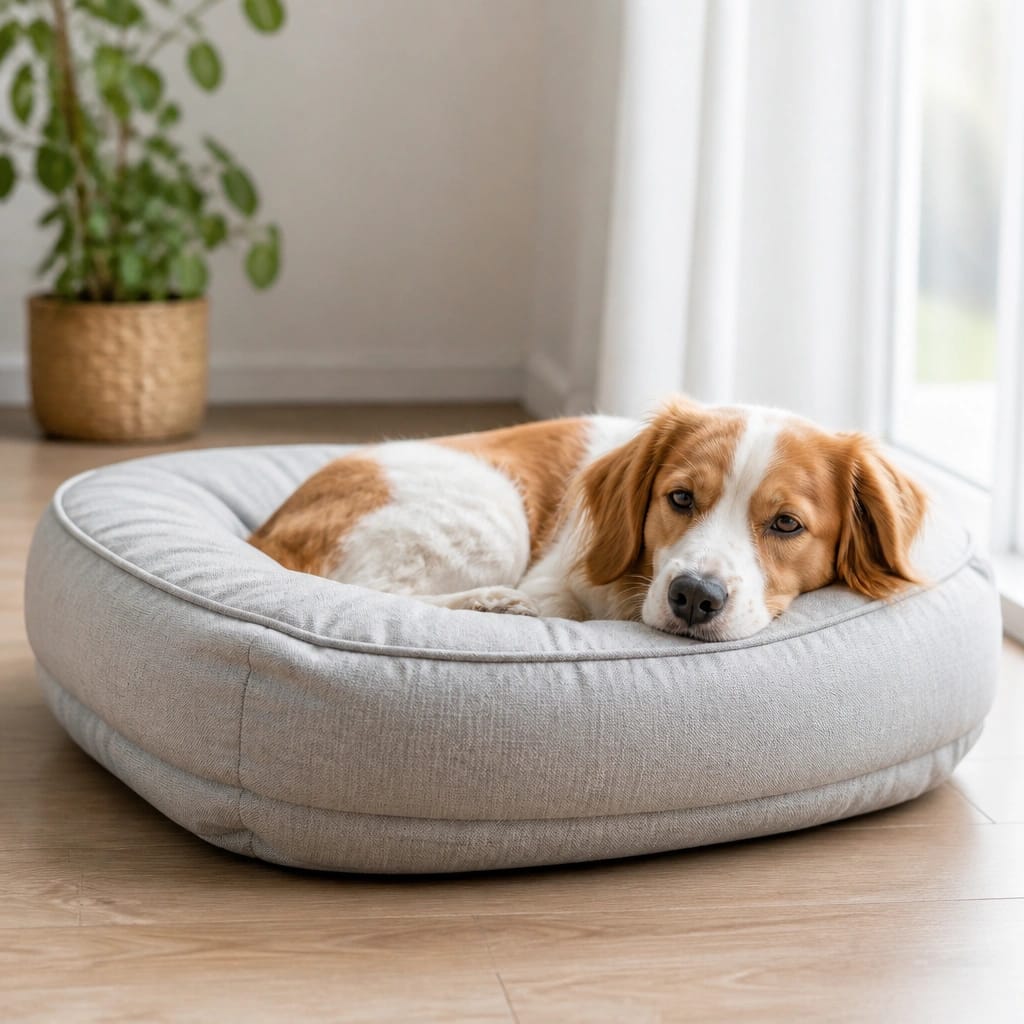
Why “Hypoallergenic” on a Dog Bed Doesn’t Always Mean What You Think
The word “hypoallergenic” sounds reassuring. But in the pet industry, it’s not a regulated term. Any manufacturer can slap it on a label without testing.
That means a bed marketed as hypoallergenic might still trap dust mites, dander, and saliva just like any other bed.
What the label doesn’t tell you:
- Whether the cover is machine-washable
- If the foam core can be cleaned
- How the fabric performs against dust mites
- Whether the bed has a waterproof barrier
In our research, the most common complaint from allergy-prone dog owners is buying a “hypoallergenic” bed that can’t be fully washed. The cover comes off, but the foam insert stays dirty. Over time, that foam becomes an allergen sponge.
That’s why you need to look past the marketing and focus on specific features. Let’s talk about what those are.

The Real Culprits: Dust Mites, Dander, and Saliva Trapped in Bedding
Dog beds collect three main allergens: dust mites, pet dander, and saliva or urine residue.
Dust mites are microscopic creatures that feed on dead skin flakes. They love warm, humid, dark spaces. A thick, unwashed dog bed is basically a five-star hotel for them.
According to the American College of Allergy, Asthma and Immunology, dust mites are a leading trigger for year-round allergy symptoms.
Pet dander is tiny flakes of skin your dog sheds constantly. It’s light and clings to fabric fibers. Even if your dog isn’t the allergic one, their dander can trigger reactions in sensitive people.
Saliva and urine add another layer. Dogs drool, lick, and occasionally have accidents. Moisture soaks into the bed, creating a breeding ground for mold and bacteria.
The takeaway? Any bed that can’t be washed regularly will accumulate all three. That’s why washability is the single most important feature for allergy sufferers.
What Actually Makes a Dog Bed Hypoallergenic?
A truly allergy-friendly bed has four key features. Each one plays a role in blocking or removing allergens.
Removable, Machine-Washable Covers
The cover is your first line of defense. It needs to come off easily and survive frequent washing. Look for a zippered cover made from a durable fabric that won’t shrink or warp.
Wash it weekly in hot water to kill dust mites.
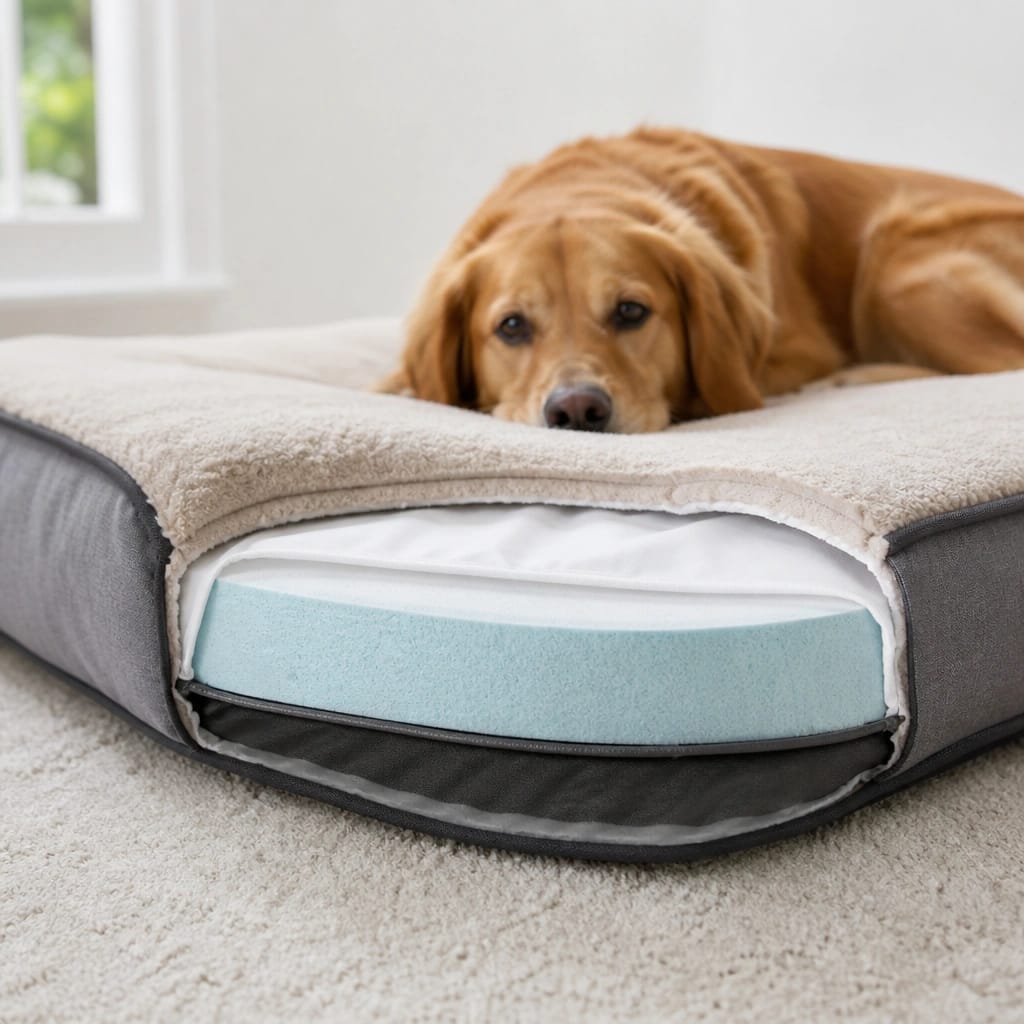
Waterproof Liners That Stop Moisture From Reaching the Foam
A waterproof liner sits between the cover and the foam core. It stops drool, urine, and accidents from soaking into the foam. Without it, the foam becomes impossible to clean.
This is a non-negotiable feature for allergy-prone dogs.
Breathable, Dust-Mite-Resistant Fabrics
The fabric matters more than you’d think. Tightly woven materials like organic cotton or bamboo are less hospitable to dust mites. They also allow airflow, which reduces moisture buildup.
Avoid heavy, plush fabrics that trap heat and humidity.
Foam That Doesn’t Become an Allergen Reservoir
The foam core should be dense and sealed. Look for CertiPUR-US certified foam, which is tested for emissions and durability. Some beds use a sealed foam encasement that prevents allergens from penetrating.
If the foam is exposed, it will absorb dander and dust over time.
For a deeper look at keeping moisture out, check our guide on waterproof dog beds.
Comparing Bed Types: Bolster Beds, Pillow Beds, and Raised Cots
Not all bed styles are equally easy to keep allergen-free. Here’s how the three most common types compare.

| Bed Type | Allergen Risk | Washability | Best For |
|---|---|---|---|
| Bolster bed | Higher, bolsters trap dander | Cover removable, bolsters harder to clean | Dogs that need head support |
| Pillow bed | Moderate | Flat cover easy to wash | Easy cleaning, simple design |
| Raised cot | Lower, airflow reduces mites | Fabric sling machine-washable | Hot climates, outdoor use |
Bolster beds have raised edges that dogs love to rest their heads on. But those edges collect dander and saliva. If you choose a bolster style, make sure the bolsters are removable and washable.
Our bolster dog bed guide covers this in more detail.
Pillow beds are the easiest to clean. They’re flat, so the cover comes off without fighting around raised sides. They’re a solid choice for allergy sufferers who want simplicity.
Raised cots are a different approach. They sit off the ground, allowing air to circulate underneath. That reduces moisture and dust mite buildup.
They’re especially useful in hot, humid climates. See our elevated dog bed cot article for more.
Side-by-Side: Fabric and Filling Options for Allergy-Prone Dogs
The materials inside and outside the bed determine how well it resists allergens. Here’s a quick comparison.
| Material | Allergen Resistance | Breathability | Washability |
|---|---|---|---|
| Organic cotton | High | High | Good |
| Bamboo fiber | High | High | Good |
| Microfiber | Moderate | Low | Good |
| Polyester | Low | Moderate | Good |
Organic cotton and bamboo are naturally breathable and resist dust mites better than synthetic fabrics. Microfiber feels soft but traps heat and moisture. Polyester is common but not ideal for allergy sufferers.
For fillings, memory foam is a good choice because it’s dense and doesn’t harbor dust mites as easily as loose stuffing. Look for CertiPUR-US certified foam to ensure it’s free from harmful chemicals. Our memory foam dog bed guide explains the differences.
Also, consider the bed’s size and fit. A bed that’s too small for your dog will be harder to clean properly. Use our dog bed size chart by weight to find the right dimensions.
Best For: Matching the Bed to Your Dog’s Allergies and Sleeping Style
If your dog curls up tightly, a bolster bed feels secure. Just confirm the bolsters are removable and washable. For dogs that sprawl out, a flat pillow bed is simpler to keep clean.
In humid areas, a raised cot cuts down on dust mites by keeping airflow underneath. Match the allergen risk to the sleeping style, not just the label.
Common Mistakes to Avoid When Buying an Allergy-Friendly Bed

Trusting “hypoallergenic” without checking if the cover is washable.
Skipping the waterproof liner; foam soaks up drool and urine.
Choosing heavy plush fabrics that trap heat and dander
Forgetting to check zipper quality; it will break after repeated washes
Buying a bed too large for your washing machine
How to Clean and Maintain a Hypoallergenic Dog Bed
Wash the cover weekly in hot water, above 130°F, to kill dust mites. Air dry it completely; moisture left behind invites mold. Vacuum the foam core monthly and spot-clean stains right away.
Replace the foam every one to three years, or sooner if it starts to smell.
Certifications and Labels Worth Trusting
Look for OEKO-TEX Standard 100 certified fabric, which means no harmful substances. CertiPUR-US certified foam confirms low emissions and no heavy metals. Greenguard Gold indicates low chemical emissions indoors.
These labels are actually tested. The word “hypoallergenic” isn’t.
Frequently Asked Questions
How often should I wash my dog’s bed to control allergies?
Wash the cover once a week in hot water. This kills dust mites and removes dander. If your dog has severe allergies or spends a lot of time outdoors, wash twice a week.
Always dry the cover completely before putting it back on the bed.
Can dogs be allergic to their bed itself?
Yes. Some dogs react to synthetic dyes, fire retardants, or certain fabrics. Choose a bed with OEKO-TEX certified organic cotton and avoid fragranced or dyed materials.
If your dog keeps scratching or licking the bed, switch to a simpler, natural fabric.and consult your vet if symptoms persist.
Is memory foam good for allergy-prone dogs?
Yes, dense memory foam holds fewer dust mites than loose stuffing. Make sure it’s CertiPUR-US certified covered with a removable, washable cover. A waterproof liner is also essential to keep moisture from reaching the foam.
Do I still need a hypoallergenic bed if my dog is the one with allergies?
Yes. Dogs can have contact allergies to dust mites, molds, or synthetic materials. A washable, breathable bed with natural fabrics helps reduce their skin irritation.
It also cuts down on allergens they carry around the house.
The Bottom Line: What to Actually Look For
A truly hypoallergenic dog bed comes down to three things: a removable, machine-washable cover, a waterproof liner, and breathable, certified materials. Skip the marketing label and check those features first. Wash the cover weekly in hot water and replace the foam every one to three years.
That routine keeps dust mites, dander, and saliva from building up. Your dog gets a cleaner sleep surface, and you get fewer allergy symptoms at home.
