

Travel & Portable Dog Beds Explained
If you’re piling gear into the car for a road trip or packing a carry-on for a flight, where your dog sleeps matters more than you’d think. Travel & Portable Dog Beds Explained really just comes down to one idea: a bed built to pack small, dry fast, and survive constant handling. That’s different from the plush bed sitting in your living room.
Manufacturer specs on most travel beds put them under 3 pounds, with many rolling down to the size of a rolled sleeping bag. As of 2026, water-resistant ripstop nylon has become the standard shell fabric for this category. That durability is exactly why the right pick matters, and it’s where we’ll start.
Travel & Portable Dog Beds Explained means beds made to fold, roll, or pack small. Most weigh under 3 pounds. They compress to fit a suitcase, backpack, or car trunk.
They use water-resistant or washable fabric. The best type depends on your trip and your dog’s size.
What Counts as a Travel or Portable Dog Bed
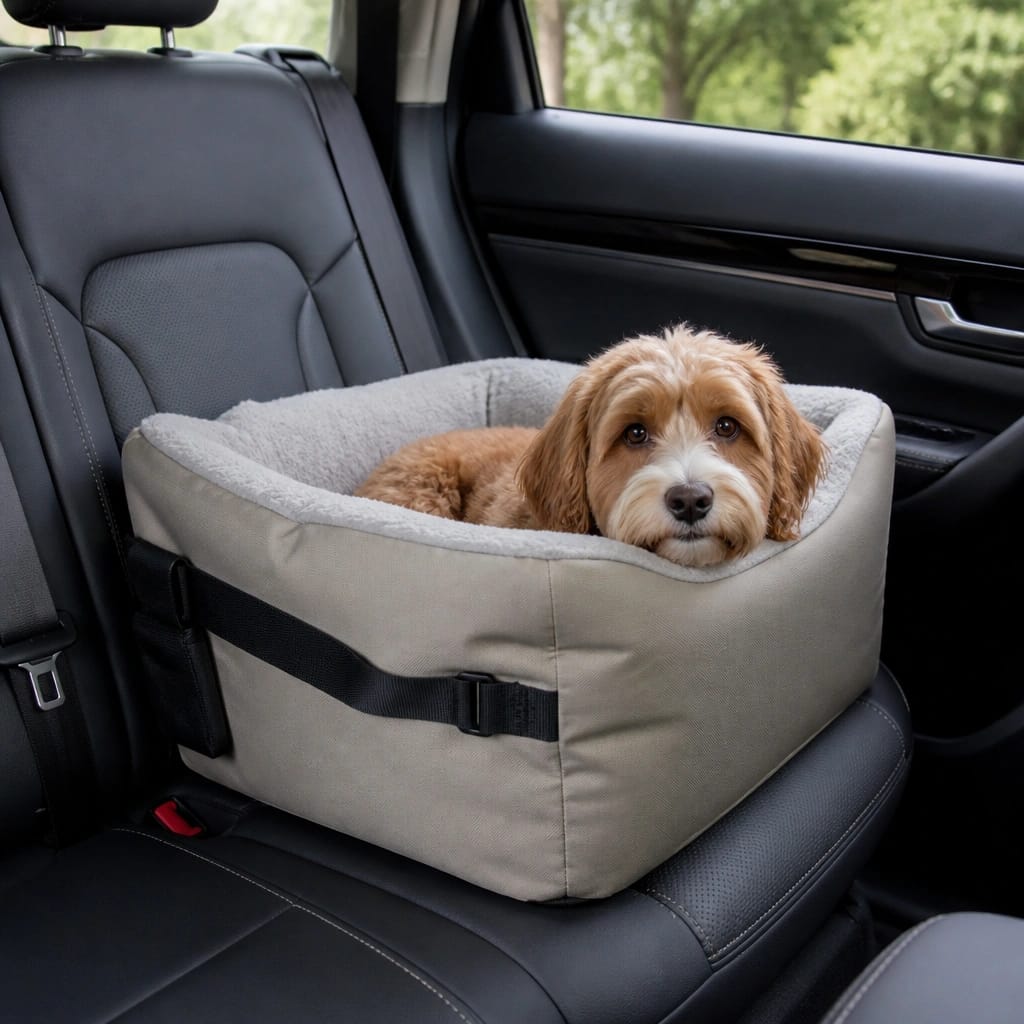
A travel dog bed is any bed built around one goal: packability. That includes roll-up dog beds, foldable mats, crate pads, and inflatable dog beds.
What separates them from a regular home bed is simple. They fold flat or roll tight, weigh less, and usually ship with a carry handle or storage pouch.
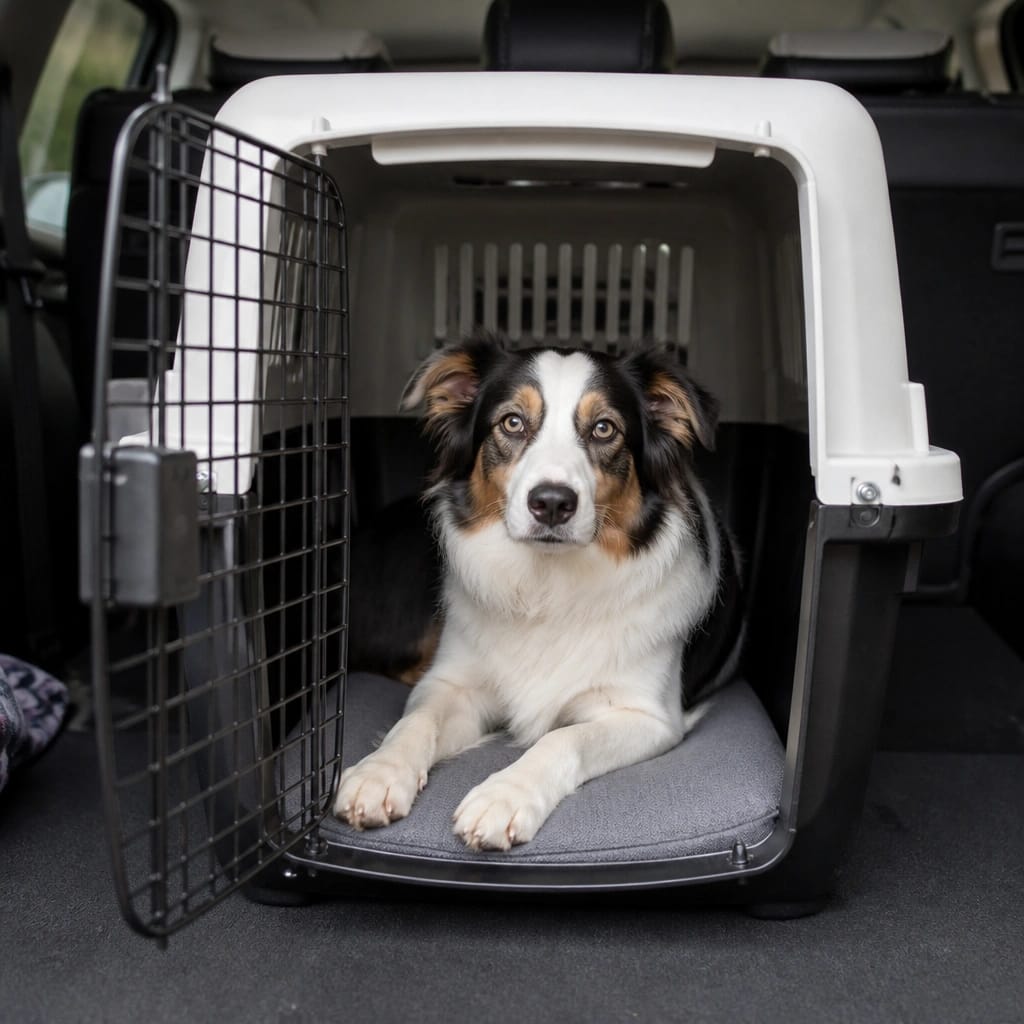
A crate pad fits this category too, as long as it’s thin enough to pack and tough enough for repeated use. A thick orthopedic bed from your living room doesn’t qualify, even if you technically could stuff it in a duffel bag.
Why the Right Travel Bed Matters More Than You’d Think
Dogs settle faster on a surface that smells and feels familiar. Aggregate reviews from pet owners consistently mention that dogs skip meals or pace in new environments until they have a known bed to lie on.
A poorly chosen travel bed creates real problems. It slips on hotel floors, soaks through in a hiking rest stop, or takes up more trunk space than it’s worth.
There’s also a practical hygiene angle. A washable, water-resistant travel bed protects your car seats and floors from mud, fur, and shedding. That matters whether you’re on a weekend trip or moving your dog between home and daycare regularly, a routine worth building early, similar to establishing good sleep habits from day one.
Air travel adds another layer. The International Air Transport Association publishes guidelines covering crate and bedding requirements for pets flying in cargo, which is worth checking before you assume any travel bed works for a flight.
Types of Travel Dog Beds Explained
Not all portable beds pack down the same way. Here’s how the main types actually differ.
Roll-up and foldable beds. These use a foam core wrapped in fabric, and they roll or fold flat with a strap or zipper closure. They give the most cushioning of the portable options.
Travel mats and crate pads. Thin, flat, and lightweight. These work best inside a crate or car seat rather than as a dog’s main sleeping surface.
Inflatable and self-inflating beds. Deflate to a small pouch, inflate on arrival. Good for camping, though punctures are a real risk around chewers.
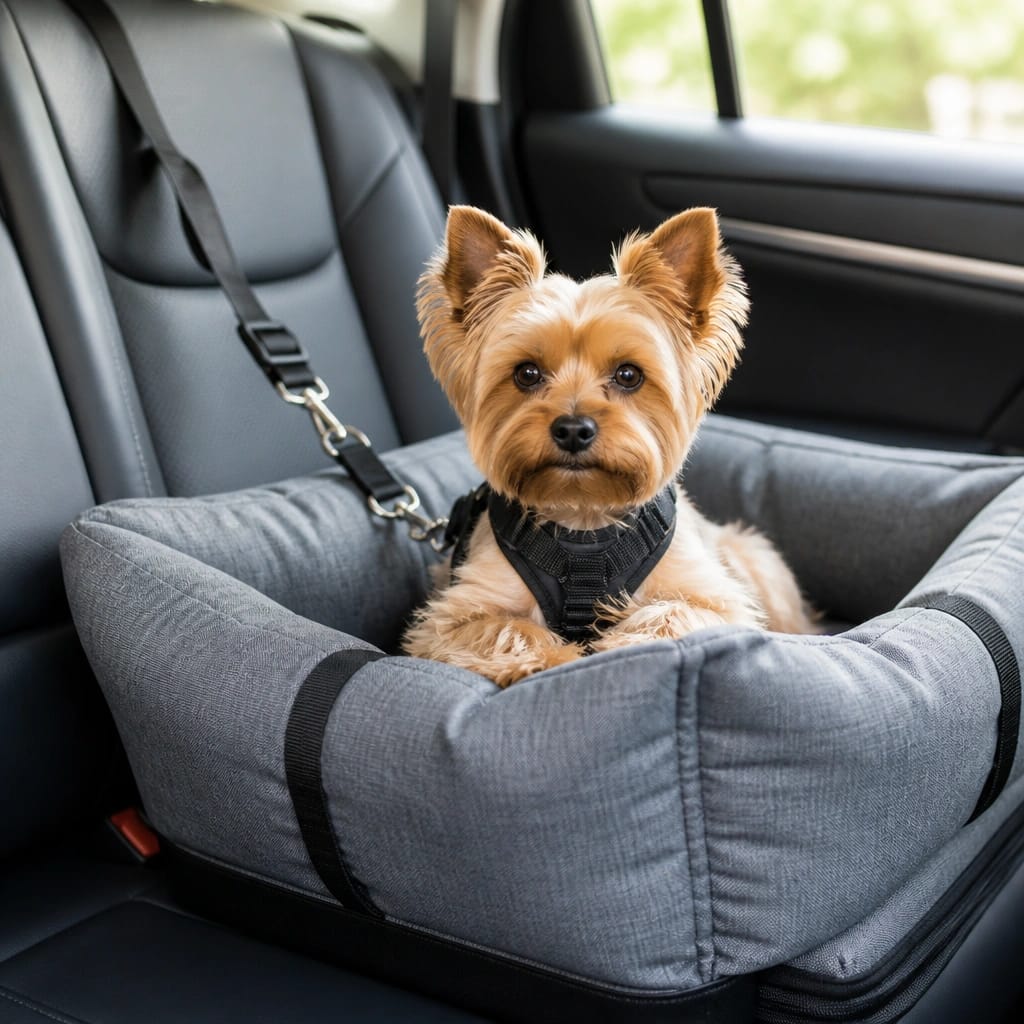
Bolster-style travel beds. Raised edges for dogs who like to lean or curl. Bulkier than a flat mat, but more familiar for dogs used to a bolster bed at home.
Blanket-style and stuffable beds. No foam insert. You pack the empty cover and stuff it with clothes or a towel at your destination, saving the most luggage space.
| Bed Type | Packed Size | Best For |
|---|---|---|
| Roll-up foam bed | Small, rolled | Road trips, hotels |
| Travel mat / crate pad | Very thin, flat | Crates, car seats |
| Inflatable bed | Fits in a pouch | Camping, backpacking |
| Bolster travel bed | Medium, bulkier | Dogs used to bolster support |
| Stuffable cover | Smallest packed | Minimalist packing |
Travel Bed vs Regular Home Dog Bed: Key Differences
A home bed is built for comfort over months or years. A travel bed is built for weight, packability, and quick cleanup.
Home beds usually run thicker, with denser memory foam meant to support joints during long stretches of sleep. Travel beds trade some of that thickness for a smaller packed footprint.
Cleaning routines differ too. Home beds often need a removable cover machine-washed occasionally. Travel beds get washed or wiped down far more often, since they pick up dirt, sand, and moisture from constant use outside the house.

| Factor | Home Dog Bed | Travel Dog Bed |
|---|---|---|
| Weight | Often 5+ lbs | Usually under 3 lbs |
| Thickness | Thicker foam | Thinner, compressible foam |
| Packability | Not designed to pack | Rolls or folds flat |
| Wash frequency | Occasional | Frequent |
Side-by-Side Comparison of Travel Dog Bed Types
Choosing between types gets easier once you line them up by what actually matters on a trip: pack size, water resistance, and durability.
| Bed Type | Water Resistance | Durability | Ease of Packing |
|---|---|---|---|
| Roll-up foam bed | Moderate | High | Easy |
| Travel mat / crate pad | High (often waterproof base) | Moderate | Very easy |
| Inflatable bed | High | Low (puncture risk) | Easy |
| Bolster travel bed | Moderate | High | Moderate |
| Stuffable cover | Low (depends on filling) | High | Very easy |
If you’re flying, a crate pad or stuffable cover usually wins on space. If you’re camping in wet conditions, an inflatable or a mat with a waterproof base holds up better. Road trips give you the most flexibility, since trunk space is rarely as tight as a suitcase or overhead bin.
Materials and Construction That Hold Up to Travel
Ripstop nylon and Oxford fabric are the two shells you’ll see most often on travel beds. Both resist tearing and shrug off light rain, which matters if your dog’s bed ends up on a wet trailhead or a damp campsite floor.
Zippers matter more than they get credit for. A exposed zipper track invites chewing and snags on car seats, so look for covered or reinforced zipper lines instead.
Foam density affects how well a bed survives repeated rolling. Cheaper foam breaks down and stops springing back after a few trips, while higher-density foam holds its shape through dozens of pack-and-unpack cycles.
Choosing the Right Size and Weight for Your Dog

Your dog’s usual sleeping position decides the size you need, not just their weight. A 40-pound dog that stretches out flat needs more surface area than a 40-pound dog that curls into a tight ball.
Here’s a simple way to check fit before you buy:
- Measure your dog nose to tail while lying stretched out
- Add 4 to 6 inches to that length for the bed’s usable surface
- Check the bed’s unpacked dimensions, not just its packed size
- Confirm the weight limit listed in manufacturer specs
Puppies need some buffer room to grow into, but skip anything drastically oversized. A bed that’s too big packs down bigger too, which defeats the point of a travel design.
Best Travel Bed for Each Situation
The right bed changes depending on where you’re actually taking your dog.
Road Trips and Car Travel
Roll-up foam beds or bolster travel beds work best here. Trunk space is rarely tight, so you can afford a bit more cushioning without sacrificing packability.
Air Travel and In-Cabin Trips
Crate pads and stuffable covers win on space and weight. If your dog is flying in cargo, check your airline’s specific carrier and bedding rules before you pack, since requirements vary by carrier.
Camping and Outdoor Use
Inflatable beds or mats with waterproof bases handle damp ground best. Avoid stuffable covers here, since they soak through faster than sealed foam or air-filled designs.
Hotel Stays and Short Trips
Any roll-up bed works, but a washable cover is worth prioritizing. Hotel floors pick up dirt and allergens you won’t see, and a wipeable or machine-washable surface saves you cleanup later.
Common Mistakes When Buying a Travel Dog Bed
Buying by weight alone is the most common misstep. Two dogs of the same weight can need very different bed sizes based on how they sleep.
Other frequent mistakes worth avoiding:
- Ignoring packed size and assuming it’ll fit the trunk or bag
- Skipping the washable-cover check before a messy trip
- Choosing thin foam for a dog with joint sensitivity
- Buying an inflatable bed for a known chewer
Packing, Setup, and Care on the Go
Give a new travel bed a trial run at home before the actual trip. Letting your dog nap on it for a few days builds familiarity, so it doesn’t feel foreign on arrival.
On the road, wipe down the bed daily if you’re near sand, mud, or water. Most covers handle a quick hand wash, but check the manufacturer’s care label since some inserts aren’t machine washable.
Store the bed dry before repacking it. A damp bed rolled tight for hours can develop odor or mildew, especially in warm weather.
Safety Considerations for Travel Bedding
Skip inflatable beds for known chewers since punctured air chambers create a choking risk with loose plastic pieces. Check stuffing materials too, and avoid loose fiberfill that pulls apart easily during long trips.
Frequently Asked Questions
Are travel dog beds machine washable?
Most removable covers are, but foam inserts often aren’t. Check the manufacturer’s care label before washing the whole bed.
How small do travel dog beds pack down?
Most roll down to the size of a rolled towel or small sleeping bag, per manufacturer specs, weighing under 3 pounds.
Can I use a travel bed as an everyday bed?
Yes, but expect faster wear. Travel beds trade thickness for packability, so they won’t last as long under daily use.
Which Travel Dog Bed Is Right for Your Dog
Match the bed to the trip, not just the dog. Road trips favor cushioning, flights favor compactness, and camping favors waterproofing.
When in doubt, size up slightly and prioritize a washable, tear-resistant shell over extra padding.


